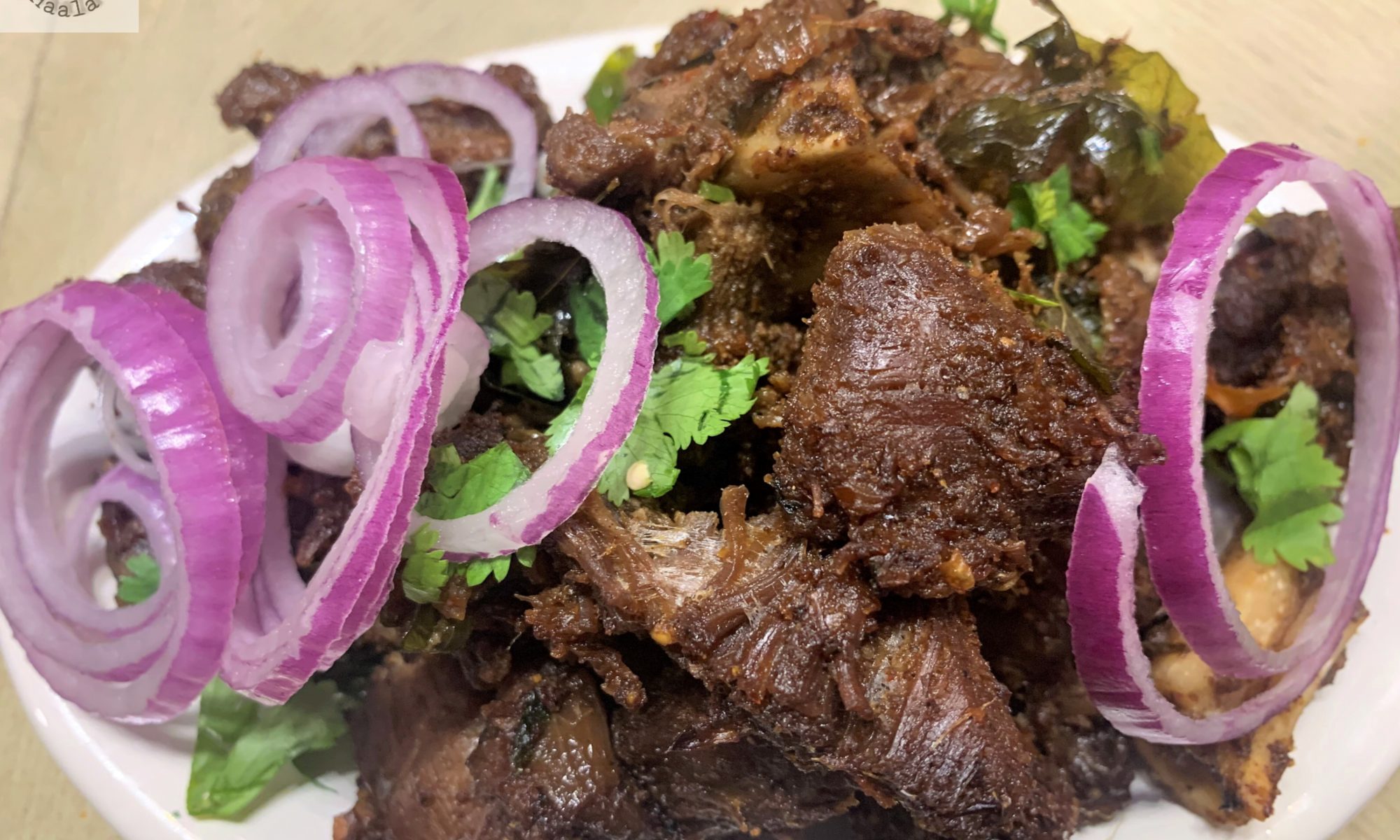
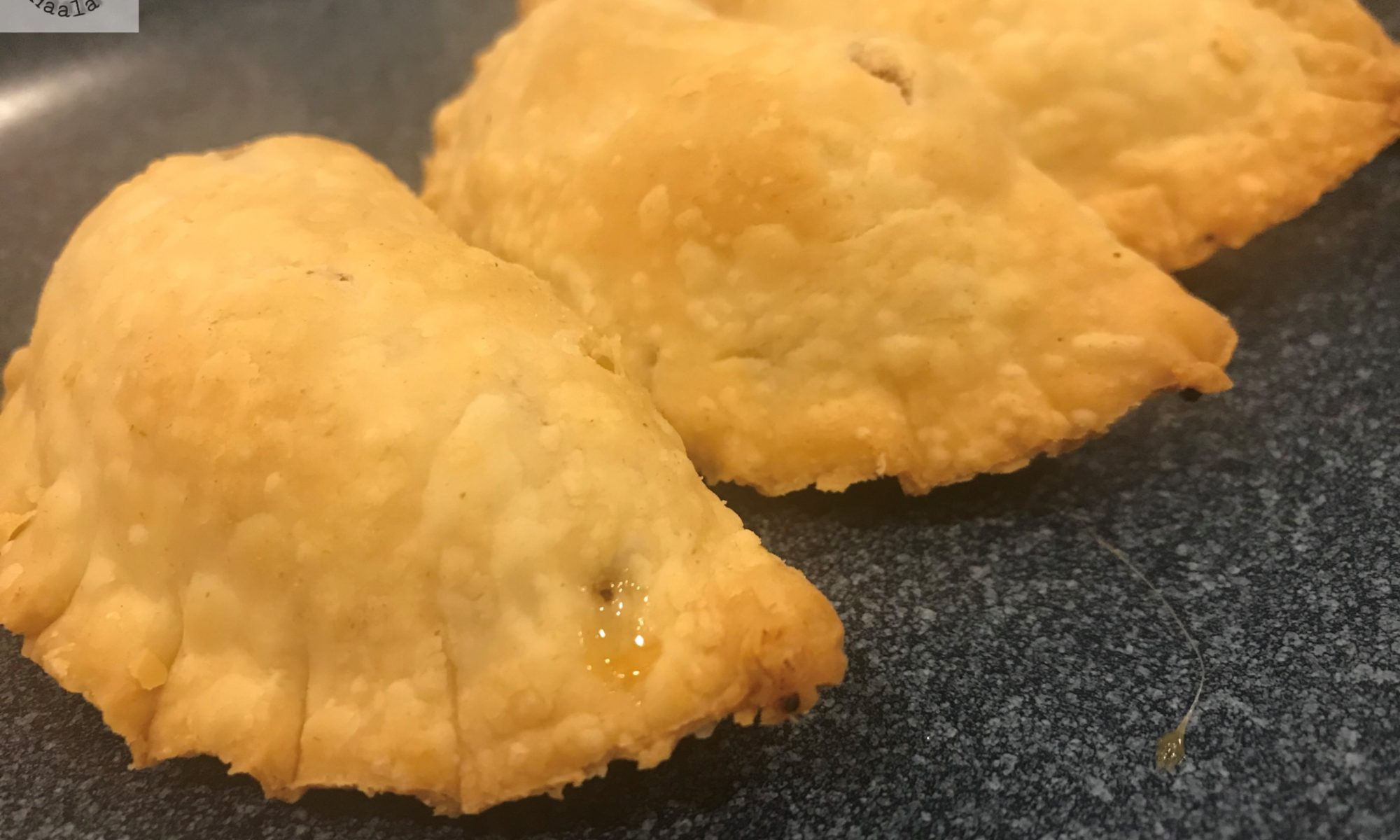
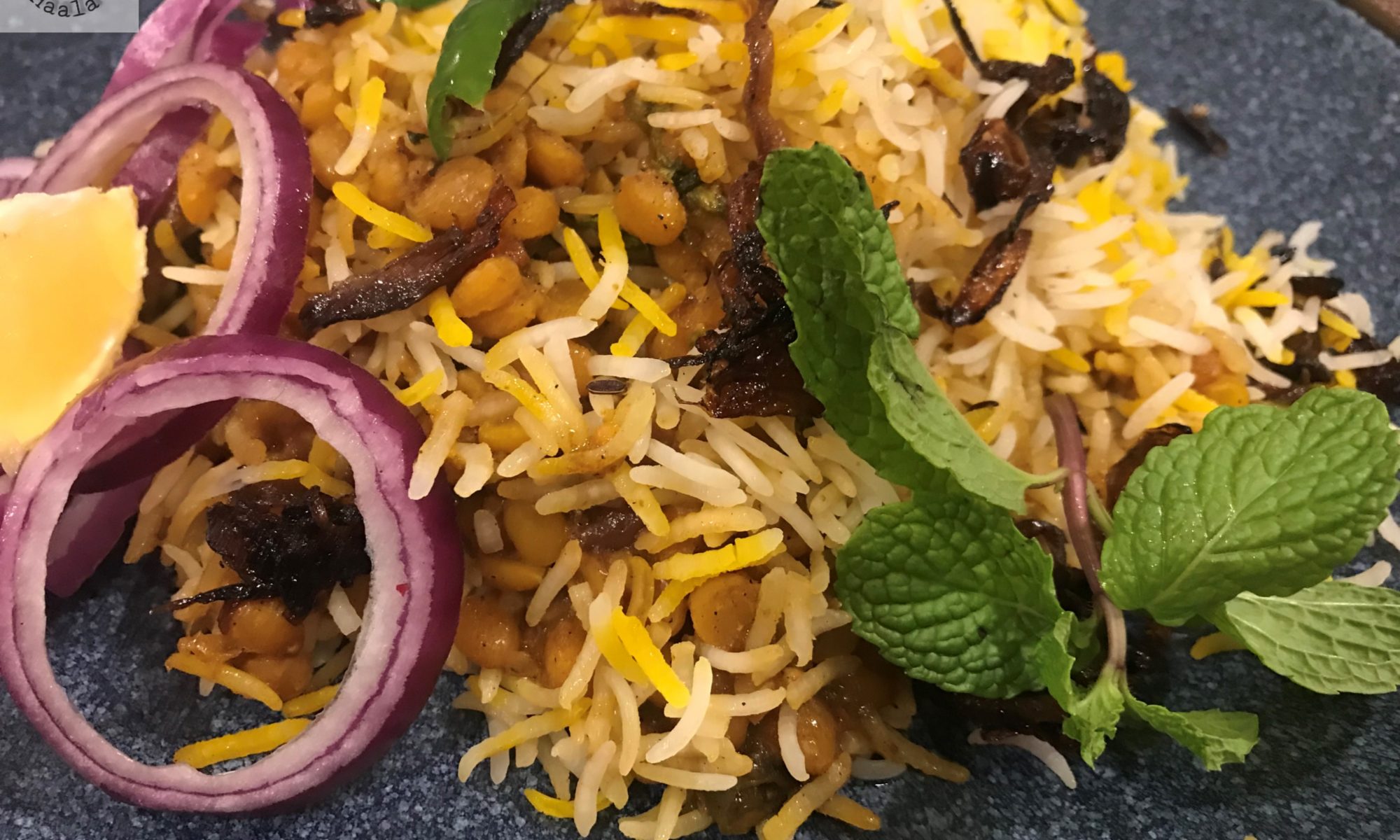
Mutton Ghee Roast

With the wide variety of Kebabs that we make, we love kebabs made from meat the most. I love the way meat Kebabs are always so juicy and tender and absorb all the flavors so naturally. The texture of meat and the spices blend in so well together. I am sure if you look into details of cooking that when it comes to Kebabs, meat Kebabs definitely make to the top of the list. I have heard a lot of people liking Beef too, but since I have never cooked or consumed beef, I don’t really have an idea. But I do think that since Beef has a lot of fat, cooking with its own fat must be adding more flavor to it.

Coming back to Ghee Roast. I came across some cuisine where they mentioned the dish and showed how the meat is boiled till it’s cooked. after roasting the whole masalas, they are ground to a powder, and then the meat is cooked in ghee with spice powder, onions, curry leaves, and green chilies. This dish is pretty easy to make and makes it to my top ten list of easy and flavorful kebabs.

The best thing about these kebabs is that they can be partly premade a few days in advance as well. You can boil the mutton a few days in advance and refrigerate or freeze it, depending on how many days you want to use it. Similarly, you can always dry roast the whole masala and grind them and store them in a dry and airtight container. These kebabs are juicy, moist, flavorful, and go really well as a side dish or by itself. If you are a fan of meat kebabs, you will love the scrumptious chunks of flavorful meat. Enjoy!!!

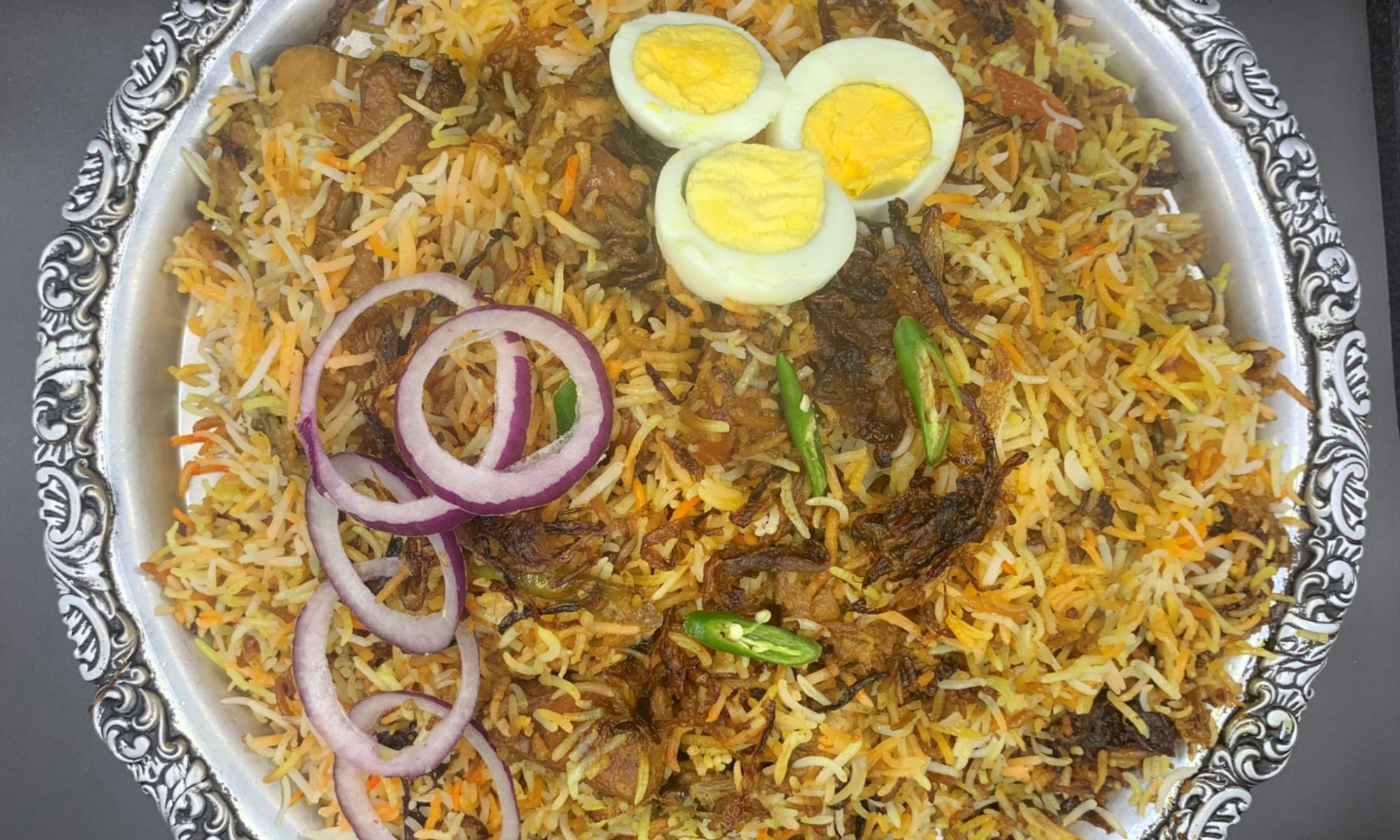
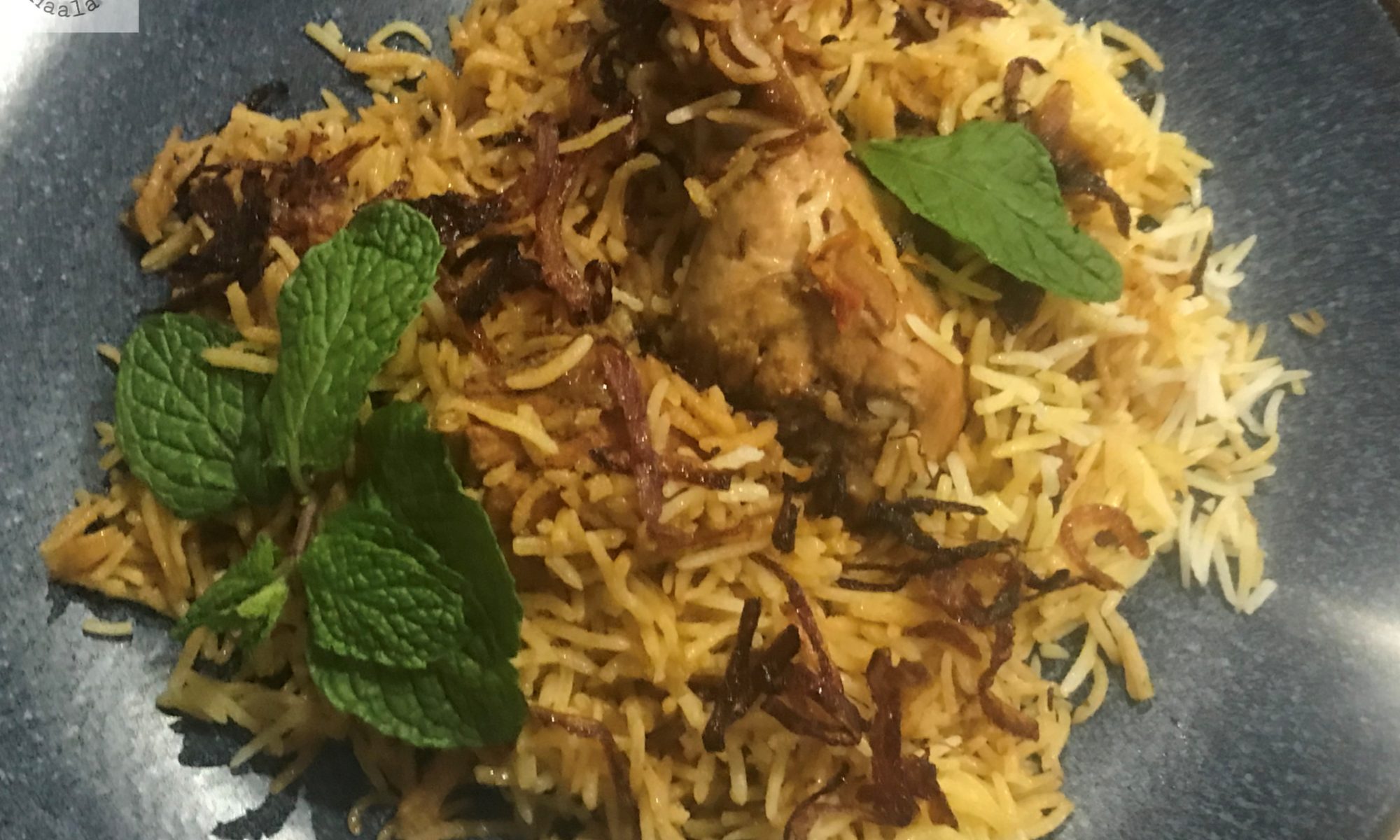
Tellichery Biryani

This recipe also happens to be from Kerala and is the second Biryani from this state that I tried out. Kerala is a state of distinct flavor. I know every state has their own flavors that are distinct and are easily distinguishable from the use of their local grown spices with methods of cooking different cuisines and also availability of local vegetation. Not forgetting their natural climate. Isn’t it amazing how every place has different things popular during different seasons and few things that are good to eat during all seasons. Hats off to generations before us who tried, tested and made so many different varieties of food that we just need to follow. And though, it all seems walk in the park, we still do not follow those age old recipes because we find them too time consuming in our busy lives today.

Thalassery town of Northern Kerala has a unique blend Arabian, Persian, Indian and European styles of cooking as a result as its long history as Maritime Trading Post. Tellichery is an anglicized name for Thalassery. The original name of Thalassery has been restored post Independence. Although both refer to the same place, the Tellichery Biryani is different from the Thalassery Biryani. This one is a little simpler version.

This Biryani does not use the Jeerakshala/Kaima Rice like the Thalassery Biryani and should be cooked with Long grain Basmati Rice. This recipe also displays the influence of Mughals in its flavors but seems to be slightly revised. Going through the ingredients, I do not find any ingredient that would distinguish this dish as a dish from Kerela. The recipe makes me feel that its made by some settlers who still did not adapt to the flavors of Kerela cuisine and were still new to incorporating the spice or certain ingredients to the dish. In all, this dish is great for all Biryani lovers, specially for Beginners. Therefore, if you happen to be someone new at making Biryani, this is for you. An easy, delicious and simple way of making a delicious Biryani.

Pindi Chhole

This hearty, healthy and delicious dish is from Punjab, India. I initially thought that the name comes from the word Pind used for village in Punjabi. But, actually the name of the dish is from the place it was originated from. It is named Pindi Chana after the town Rawalpindi, which used to be a part of Punjab before India-Pakistan partition and later became a part of Pakistan. Pindi chhole is a recipe from Rawalpindi and now is proudly cooked everywhere and popularly known as Pindi Chhole.

This recipe is easy to cook, it makes for a wholesome meal when served with poori or Kulcha or Naan and an onion salad. Pindi Chana can be made with dried chickpeas, which needs to be soaked overnight and boiled until soft. The recipe also requires the use of chana daal along with chickpeas. I usually soak a large amount of chickpeas and boil them as well. I usually then divide them into smaller packs and keep them in the freezer for future use.

I never realized till I was much older that there were so many different ways of making chhole. I felt every family had there own version of making chhole, like with my Punjabi friends, their moms made chhole that didn’t have a lot of gravy and usually were a little dark in color and didn’t have too many tomatoes either. Where as, my mom always had her own version of making chhole with yogurt. The chhole recipe I follow is from a family friend and I make my chhole using tamarind, tomatoes and fennel seeds. And, then one day I came across Pindi chhole made by a close family friend and loved the flavors. This is when I found out that in most Punjabi families, people tend to boil chhole with whole spices and tea leaves which tends to darken the color of the chhole. Punjabi food anyways uses a lot of whole spice in their dishes and there always seems to be a very strong taste of cloves and cinnamon in their cuisine.

All in all this is one awesome chhole recipe. It goes really well with poori or parantha or kulcha. I serve them for breakfast usually with sooji ka halwa on the side, but that can always be when you have friends over or if its a special occasion, but these chhole with poori can definitely make it to your weekend brunch table. Enjoy!!!

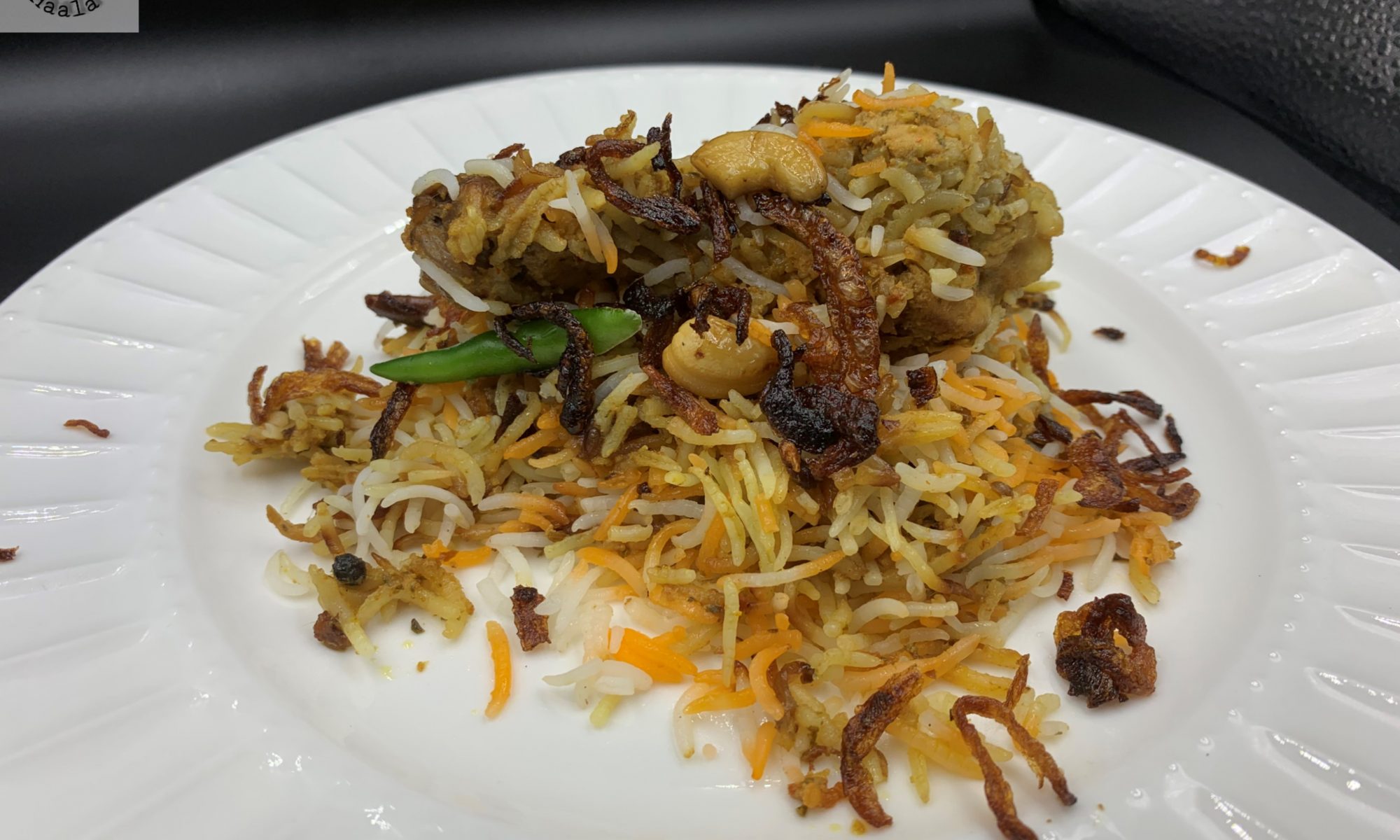
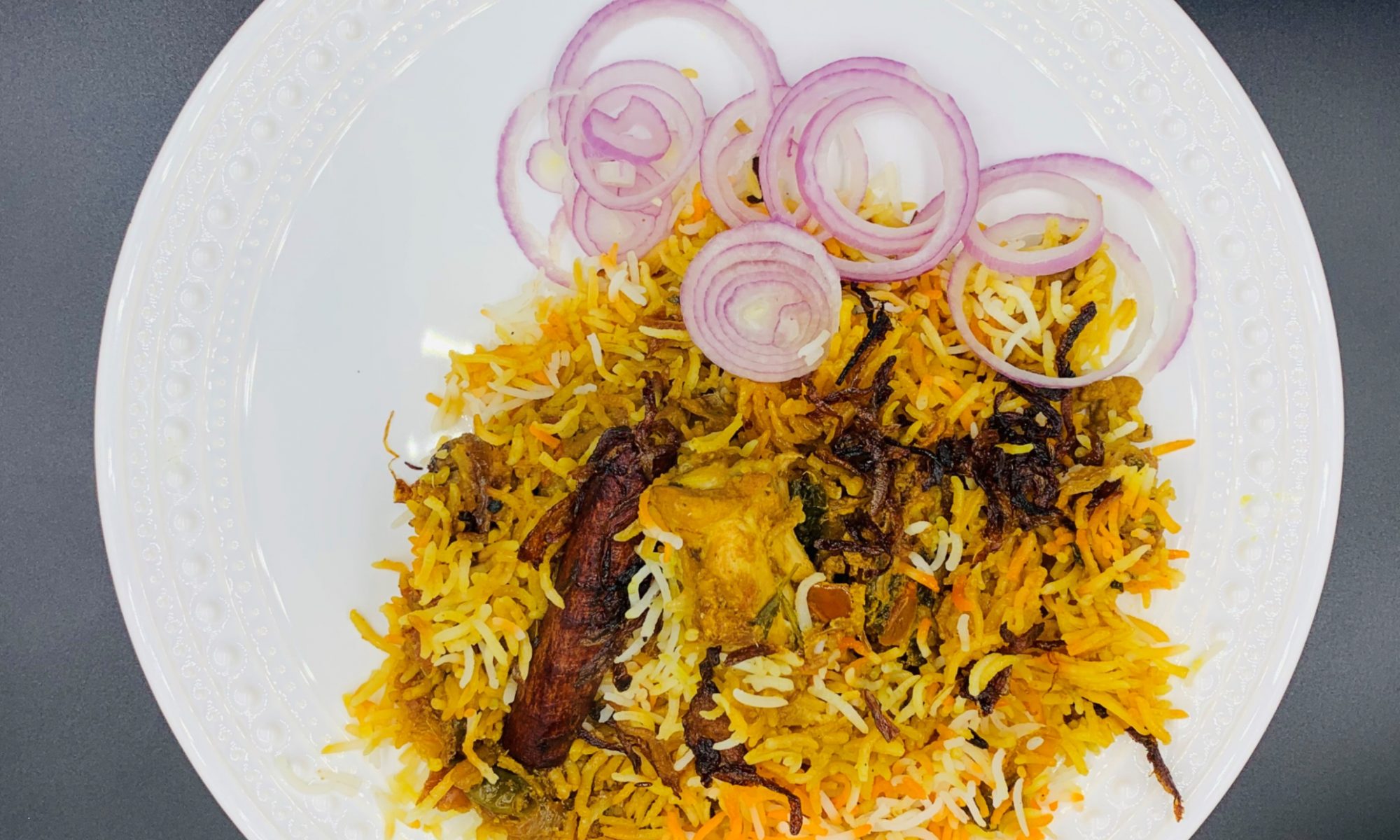
Kolhapuri Chicken Biryani

Biryani is an absolute classic that needs no introduction. India offers so much on its culinary platter but the one dish Non vegetarian Indians unanimously love indulging in is the mouth-watering biryani. With local and hyperlocal variations having evolved into distinctive styles of biryanis, one is spoilt for options when it comes to experiencing this melting pot of flavors. The delicious complex blend of spices are the reason behind the love this dish gets from people of all generations.So if you are a die-hard fan of this delicious dish, take things up a notch and tease your taste buds a little more with the story of what makes biryani so extraordinary.

Though it may appear to be a dish indigenous to  India, in reality the dish originated quite far away. Biryani is derived from the Persian word Birian, which means ‘fried before cooking’ and  Birinj, the Persian word for rice. While there are multiple theories about how biryani made its way to India, it is generally accepted that its a gift to the Indian cuisine from the Mughals. Along with extraordinary skills of architecture and artillery, they also came along with the beautiful flavors of orange blossom, screw pine water and Rose water mixed with saffron and the skill of using the beautiful spices India offered with other spices from the middle east and create so many non vegetarian dishes that would make Indian/Pakistani cuisines thank them till the end of the world.

One legend has it that the Turk-Mongol conqueror, Temur, brought the precursor to the biryani with him when he arrived at the frontiers of India in 1398. Believed to be the war campaign diet of Temur’s army, an earthen pot full of rice, spices and whatever meats were available would be buried in a hot pit, before being eventually dug up and served to the warriors.

The Nizams of Hyderabad and Nawabs of Lucknow were most famous for their appreciation of the subtle nuances of biryani. Their chefs are renowned the world over for their signature dishes. These rulers popularized their versions of the biryani, which by the way, just in Hyderabad is around 20-25 varieties along with mouth watering accompaniments like mirchi ka salan, Dahi ki chutney/ Raita, khatte baingan, Dalcha and baghare baingan. All different regions in India offer different accompaniments with the Biryani that they serve.

The perfect biryani calls for meticulously measured ingredients and a practiced technique. Other than the technique, spices also play a critical role in dishing out a good biryani – some recipes call for a very limited use of spices while others use more than 15 different spices. Meat or chicken is often the main ingredient, though in some coastal varieties, fish, prawns, and crabs are also used. Use of rose water, screw pine water / kewra water in biryani is also common, a practice prevalent since the medieval era. The pot, sealed around the edges with dough, or covered with a cloth with the lid or something heavy is placed on the lid that doesn’t allow the steam to escape and for the meat to tenderize in its own juices while flavoring the rice.

This recipe of Biryani as the name indicates is from the princely state in Southern Maharashtra, Kolhapur, also popular for its footwear. Though the original recipe also has Raisins, but I have not added them as I do not enjoy sweet with spicy in my Biryani. You can always add it if you prefer. This recipe is super spicy, since most Maharashtrian foods are spicy so this one is a little more for the daring ones. But for sure a recipe that’s a must try for any Biryani lover.


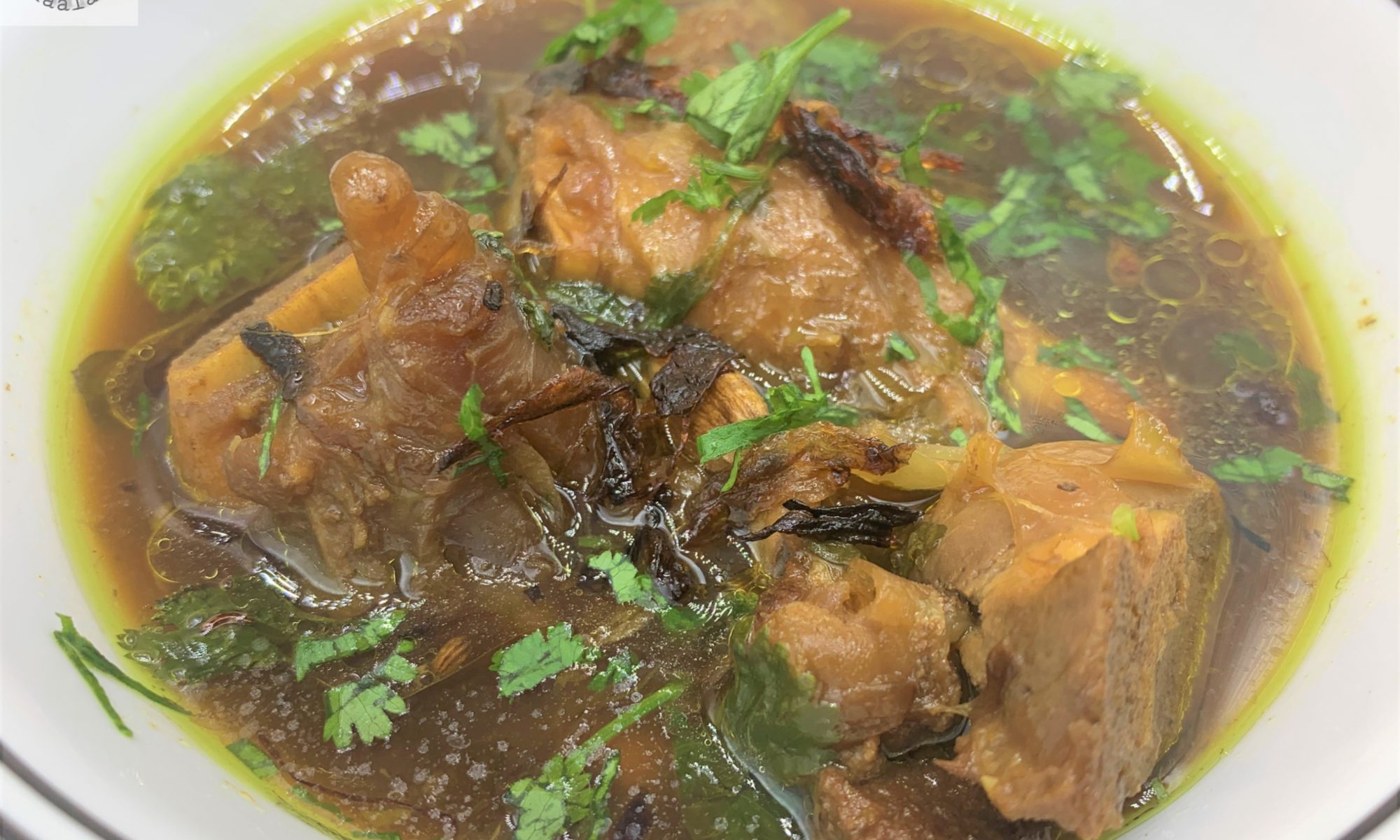
Goat Paaya

Goat Paaya or Goat Trotters is a widely loved dish in the Muslim community. It’s made in several different ways around the world, but no matter how its made, I have always seen people enjoying it with every bite. Mostly served for breakfast, Paaya is usually served with Bheja and Naan/ Roomali Roti. Paaya will be in the favorite list in any hardcore non vegetarian.

It is a dish that can be made any time of the year but during festival of Eid ul Adha, It is a must for Breakfast on the second day. It takes pretty long to cook, so in times of today when everything is made in a rush, use of pressure cooker is a must. Long before the pressure cooker, Paaya was a dish made with slow cooking and was made over coal fire and usually took around 12-15 hours to cook. A lot of people like my Late Father used to love consuming it as soup. It makes a pretty healthy and flavorful Shorba / curry.

I believe the fashion of cooking Goat Trotters must be from the Muslim rulers who travelled from other countries. A lot of dishes from the Middle east have resemblance to dishes cooked in India/Pakistan/Bangladesh. Not just Non vegetarian but even sweet dishes like Jalebi and Gulab Jamun or for any sweet dish that uses Orange blossom/ Kewra water/ Rose water are also a gift from the Middle east to us, along with Biryani. The fact is that they always traveled with a huge army and therefore made sure that every part of the animal slaughtered should be used. Goat trotters are pretty high in Cholesterol, so they aren’t a great breakfast choice for anyone in today’s date and time since our lifestyle is very sedentary, but back in days for people who did so much of physical labor and most distance were traveled on foot, this dish was not just delicious, but also nutritious and filling.

Like I always say, every dish has a story, so let me share my memories with “Paaya”. As a kid I always saw my Mom make Paaya for breakfast and the whole family, except me relish it. For some reason I am not a big fan of liking the flavor of Bone Marrow in my food. Nevertheless, to make my father happy I would slide a few bites down my throat, until one day he realized that it was tough for me and he let me slide. Paaya is specially cooked for breakfast at all Muslim restaurants that are popular for authentic Muslim food. Most of these restaurants are located in highly populated Muslim areas, like Jama Masjid in Delhi, Frazer town in Bengaluru and Mohammed Ali Road in Mumbai. I am sure there are these areas in almost all cities, I am mentioning these because these are places I have been to and relished all the awesome delicacies. My breakfast has always been bheja fry and Nahari though the family had their love for Paaya. My faher would always order what we liked and those times were a lot of fun. After marriage, I learnt that Mr. Parveez likes Paaya too and since we do not have similar arrangements of eating and enjoying authentic Muslim breakfast therefore, I started making it at home.

Paaya isn’t a difficult dish to make. It’s a heavy stew created from trotters/ feet of goat or lamb. The bones of the Goat leg are rich in gelatin marrow and are barely covered with meat once cleaned, they are just rich in bone marrow which secretes once cooked. Most people/families have their own variation of cooking Paaya, and knowing that India is so culturally varied, every other place has their own cooking style and recipes based on the local ingredients and flavors they are used to. In North India, paaya is served as a breakfast with Tandoori Roti / Roomali Roti. Is believed to be nourishing and is served to patients when sick and is kind of mandatory for new mothers, specially during the early days when her body is going through the recovery process. I usually use a pressure cooker to cook them, but you are more than welcome to cook it in a traditional way. Though time consuming, but its extremely flavorful. I do try the slow cooking method as well when I have more time in hand. Either way, its delicious, so don’t think that you are missing out on flavors if using the pressure cooker.

If you are thinking of making an authentic Muslim breakfast or cooking a non vegetarian breakfast that’s a little different, Paaya is what you need. Serve it with brain fry/ Bheja Fry and people will be praising your breakfast spread for years and looking forward to more. The recipe is in complete detail and if you follow the steps correctly, you will make a perfect dish. Again, spices make a dish flavorful, but cooking with love is what makes it delicious. Enjoy!!!

Moradabadi Chicken Biryani

Though synonymous with Indian cuisine and a part of specialty, the biryani is regarded as an import from West Asia, more specifically, Persia. The word biryani is thought to originate from the Persian word “birian” which means ‘fried before cooking’ or “birinj” meaning ‘rice’. The rice is washed and soaked and is cooked in ghee with whole spices and then cooked in boiling water. This imparts a mild nutty flavor to the rice and also helps rice retain their shape after being boiled.

The recipe of a good biryani has been simple, rice and meat that is cooked in spices and other ingredients set in layers. Traditionally, long grain white rice is preferred option with biryani. In south India, local varieties like kaima or jeeraka shala  provide their own distinct flavor and texture to the dish. The meats vary from goat, sheep, poultry, beef, eggs to seafood as well. Fragrance heightens its appeal, you can add Kewra water, saffron or Rose water . The cooking technique can be Kacchi Biryani, where the meat is layered with raw rice or Pakki Biryani, where cooked rice and meat are layered together.

Legend has it that Timur the Lame, the Turkic conqueror and founder of the Timurid Empire, was responsible for the entry of biryani to India. His armies would consume a hearty diet of pots of rice, spices and meats that were slow cooked in hot buried pits which were dug out at meal time. While biryani may very well have been part of a war diet, there was always a certain romance associated with it.

Stories also claim that Mumtaz Mahal, the inspiration behind India’s most celebrated monument and symbol of love, the Taj Mahal, had something to do with it. It is believed that Mumtaz Mahal once visited the Mughal army’s barracks in Moradabad and was dismayed by the dire conditions and poor nutrition endured by the soldiers. She ordered the cook to prepare a wholesome meal that blended meat and rice. And thus, they say, the biryani was born. As the history speaks, Moradabad, was founded in 1625 and named after Murad Baksh, son of Mughal Emperor Shah Jahan. Therefore, we can kind of believe that this recipe is close to the original recipe of Queen Mumtaz Mahal. The Moradabadi is typically low on spices and high on flavor.

Whether it was the Nawabs of Oudh (Awadh) in Lucknow or the Nizams of Hyderabad, the biryani blossomed into regional variations wherever it went. This Biryani comes with its own unique flavor. Enjoy!!!

Dindigul Biryani

The word Biryani is derived from the Persian word Birian, which means ‘fried before cooking’ and Birinj, the Persian word for rice. There are various theories related to the origin of this scrumptious dish. Biryani originated from Persia and was brought to India by the Mughals. I love reading about the Mughal Era and its food in the history. Its amazing to read about so much variety of food flavors that they added to the Indian cuisine…. Gulab Jamuns, Jalebis, Imartis, and so many other rich desserts and numerous curries and the most amazing out of all are Biryanis…so many varieties, so fragrant, so delicious and so different from one another. The best part was that they always incorporated local spices with their Biryani recipes coming up with distinguishably different flavors each time. Each region has a completely different way of making Biryani from another. The state of Tamil Nadu has some really celebrated Biryanis, most of which have evolved in the state’s smaller towns. A beautiful example is Ambur Biryani and Salem Biryani. As the folklore says, Dindigul Biryani actually developed in a particular small restaurant, which is till date super popular for its “Dindigul Biriyani” , they spell it differently. The best thing I like about these South Indian Biryani is that the ingredients are always pretty simple, nothing fancy, nothing that requires you to urgently run to a store and despite the simplicity, the outcome is always so deliciously fancy. Enjoy!!!

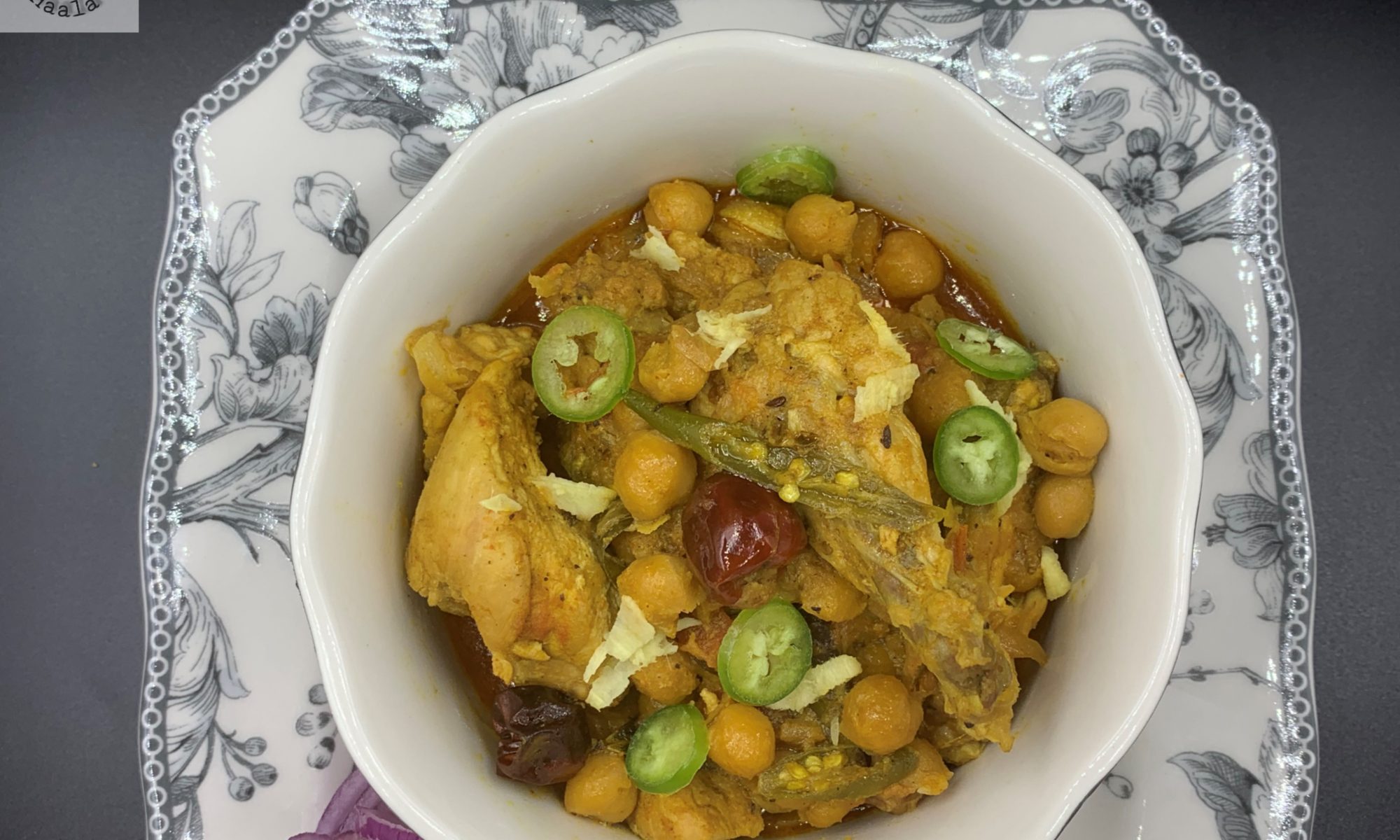
Lahori Murgh Chhole Curry

Lahori Murgh Chhole Curry is a classic and time-honored Pakistani dish, deeply rooted in the culinary traditions of Lahore and an integral part of Punjabi cuisine. Long associated with the city’s vibrant food culture, this dish reflects the warmth and simplicity of everyday Lahori cooking. Interestingly, despite its cultural significance, many natives of Lahore regard Murgh Chhole as a routine household preparation, often overlooking how distinctive and celebratory it may appear to those outside the region.

Traditionally enjoyed as a breakfast dish, Lahori Murgh Chhole is most commonly served with tandoori roti or kulche, much like the beloved nihari. However, its versatility sets it apart—it pairs equally well with steamed rice or soft phulkas, making it suitable for any time of day. Rich in flavor yet comforting in nature, this dish beautifully represents the understated elegance of Punjabi home-style cuisine.

One might wonder what inspired me to cook Murgh Chhole Curry. The motivation, in fact, comes from an Indian chef whose work has inspired countless home cooks, myself included. In one of his shows, he shared a memorable story from his college days in Boston, when he traveled to New York City and dined at a small restaurant owned by a Pakistani chef. After his very first bite, he was so taken by the flavors that he asked for the recipe. The owner, in a generous gesture, wrote it down roughly on a napkin—in Urdu—which the chef still treasures to this day.

That story deeply resonated with me. I firmly believe that every dish carries a story within its flavors, and Murgh Chhole Curry is no exception. While this may not be my own lived experience, it is a narrative that I return to each time I cook, eat, or even read about this dish—and one that, I hope, will stay with you as well.

While this recipe is not directly sourced from that beloved chef, it is very much shaped by the inspiration I have drawn from watching culinary shows that celebrate diverse cultures and regional cuisines. These programs often focus on the spirit and technique behind iconic dishes rather than precise measurements or detailed ingredient lists. As a result, much of the interpretation is left to the cook.

I followed the methods and visual cues shared in these shows as closely as possible, adapting where necessary. That process—adjusting quantities, balancing spices, and refining flavors—has been one of the most enjoyable aspects of recreating this dish. The freedom to experiment is where the true joy of cooking lies, allowing each version to carry a personal imprint while still honoring its cultural roots.

This curry was prepared using ghee, though a neutral cooking oil may be substituted based on personal preference. The process begins by tempering the ghee with small dried red chilies, fennel seeds, cumin seeds, cloves, a cinnamon stick, green cardamom, and a bay leaf, allowing the aromatics to release their essential oils. Finely chopped onions and curry leaves are then added and sautéed until the onions turn a light pinkish-brown, followed by ginger-garlic paste.

Next, red chili powder, turmeric powder, black pepper powder, coriander powder, and salt are added and gently cooked before incorporating the chicken and pre-boiled chhole (chickpeas). Chopped tomatoes, green chilies, and yogurt are then mixed in, creating a rich and well-balanced gravy. The dish is finished with a garnish of sliced ginger and jalapeños, adding both freshness and heat.

This preparation results in a truly satisfying and flavorful dish. If you have not yet experienced Murgh Chhole Curry, I encourage you to try it—it is well worth the effort. It pairs beautifully with roti, paratha, tandoori roti, or simple boiled rice, making it a versatile addition to any meal.

Enjoy.
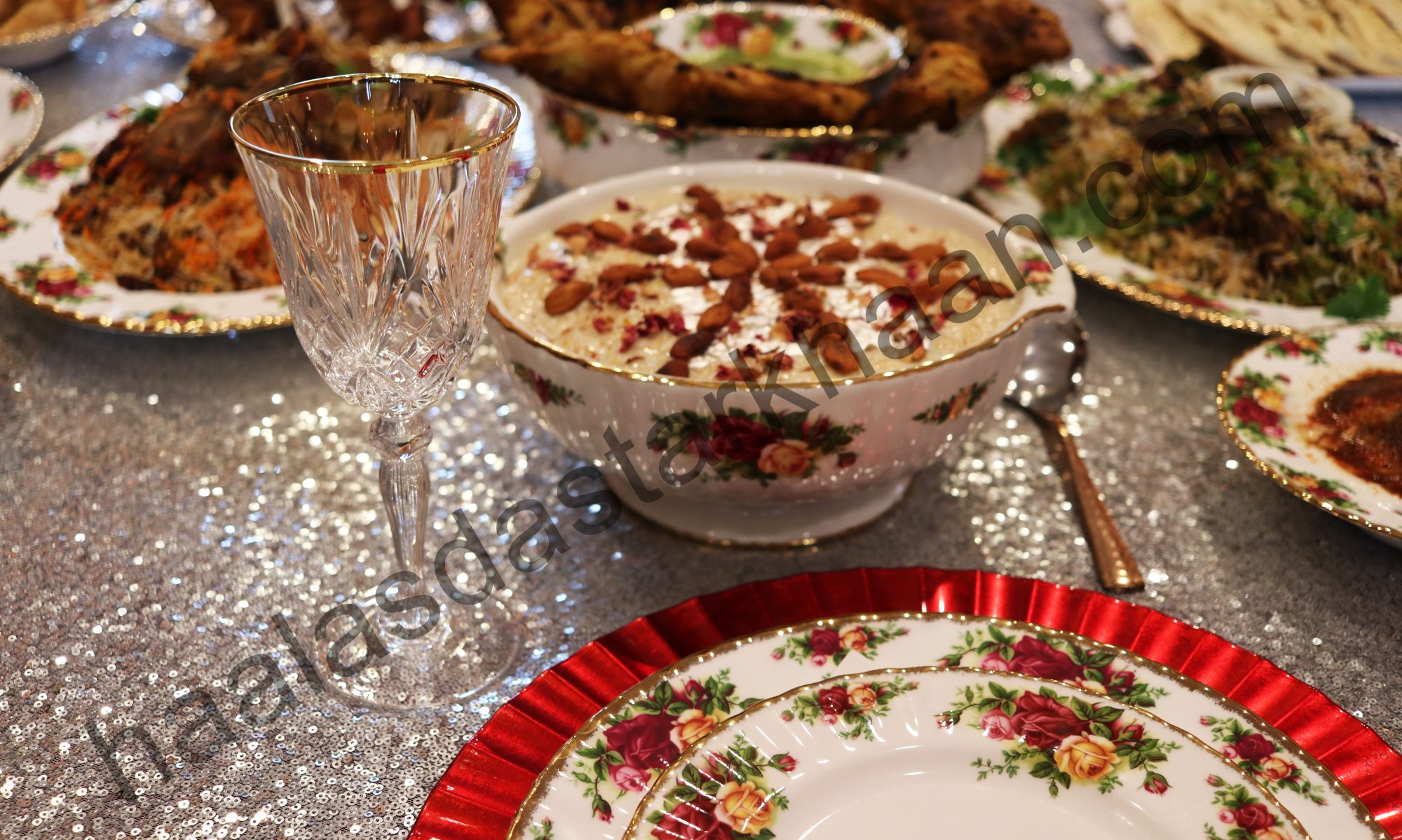
Halwa Poori

Halwa Poori is a traditional Bangalore dish, popularly made by Muslim families specially during weddings. During a wedding, a no. of food items go from the Bride’s side to the Groom’s side, which also includes Halwa Poori. There are also numerous occasions when they are made at home, but they kind of always need a special reason. I have no idea where the tradition came from, but it does have a little Mughlai influence and that’s why the traditions are carried on by Muslim families. The reason probably is also because it a tedious job making them, requires time and effort and usually made in a large batch too. When made, its always distributed among relatives, friends and neighbors. When I first saw Halwa Poori, it reminded me of Diwali Gujiya and honestly I have never been a fan of Gujiya. I always found them too coconuty and I also felt that it was always too dry and the dry coconut would start falling out if not careful. I also felt that if there was something that was nicer, softer and sweeter and Halwa Poori seemed to be a perfect answer to it. Halwa is made of Chana daal, coconut, Khoya, Milk and sugar cooked together in ghee/ Oil. The poori is made from All purpose flour. The halwa is filled in the poori and then sealed and fried. The traditional recipe is great and awesome if you are serving a large no. of people in a day or two. After that they kind of get a little mushy unless you keep them in a perfect airtight container. When I started making Halwa Poori, it always is great in taste. And then I decided to bring a little twist to this recipe and instead of the regular dough, I switched to Puff pastry dough. So there is also a recipe with Halwa Puff Pastry. And, for the Halwa, I can make and refrigerate it for up to 15-20 days. The Halwa can also be eaten minus the poori or puff pastry. I hope you enjoy making this as much I do..Its definitely a great recipe.

Hyderabadi Chana Daal Qabooli

Hyderabad is popular for its lip smacking food. The city of Nizams is just not popular for its gems and jewels and gorgeous buildings, but more for the food. The Hyderabadi Biryani to start with has almost 12 varieties if not more. When it comes Hyderabad and we think of food, I always tend to think of all wonderful non vegetarian dishes, Biryanis, Korma, Haleem…but we all forget that Hyderabad has a wonderful variety of Vegetarian food as well.

This delicious vegetarian Biryani has come down from the Mughals, and is made with rice and split gram lentils. In Hyderabad, its considered a fancy dish and is a great vegetarian option in place of Biryani.

Qabooli is biryani made with spicy chana dal (split pea lentil) and layered with basmati rice. This Chana daal qabooli is very different in flavor and aroma, which combines the pungency of spices, the tanginess of Yoghurt and richness of saffron. It turned out quite tasty and lip smacking. This is a filling and delicious dish that is great to make when you have company. This vegetarian version of Biryani can be made on festival day or even include it in a party menu as well. Enjoy!!!