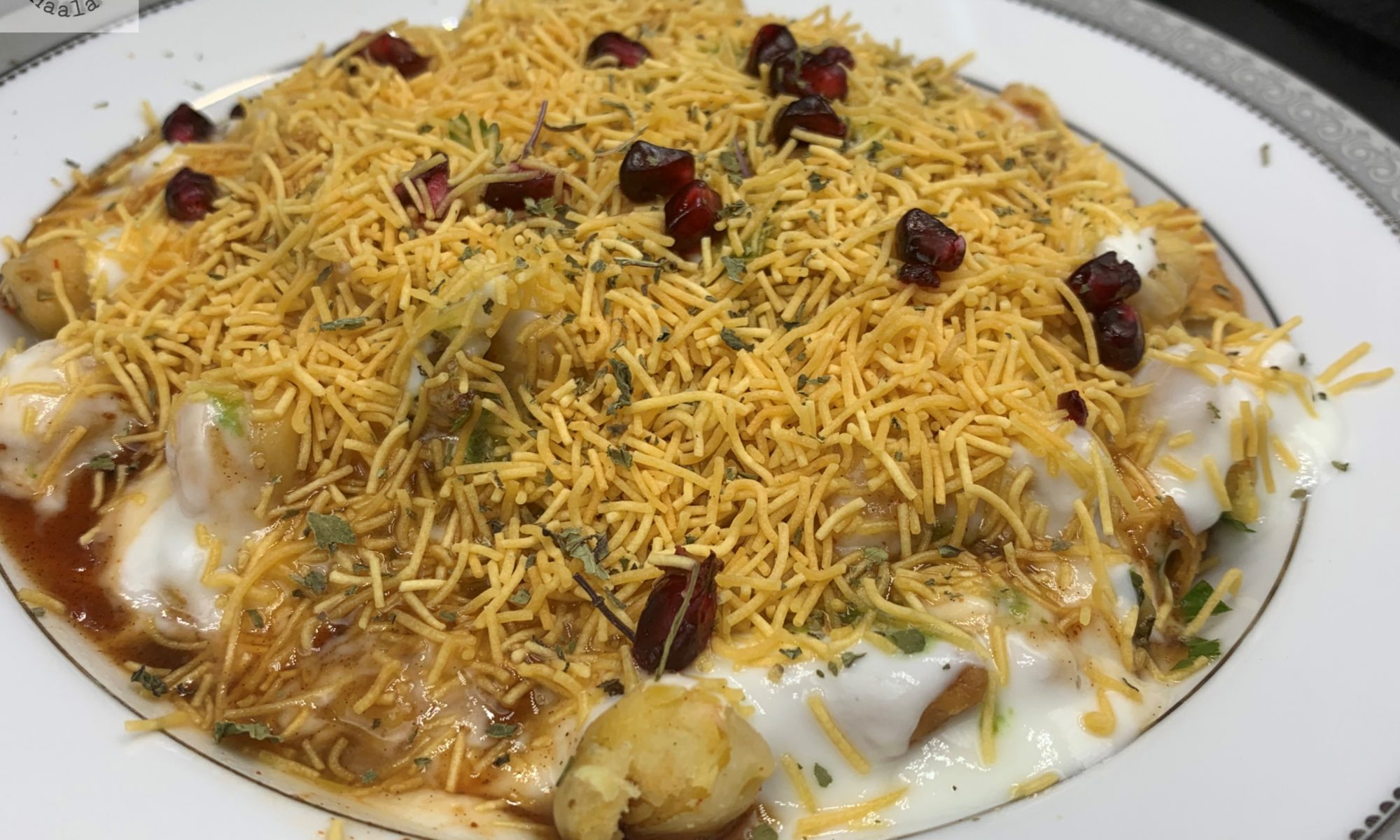
Dahi Chhole Papdi Chaat

We are a family that loves chaats. Anything and all kinds of chaats are made in our kitchen and make it to our table. My chaat venture was restricted to Aaloo tikki chaat and occasional paani poori. Mr. Parveez always loved eating chaats, and he would even make Masala Poori at home when we got married. After we got married, he tasted Aaloo tikki chaat and he loved it. Since the, I would always try and experiment with different kinds of chaats, including chaats with sprouts, fruits and beans.

Chhole make an awesome addition to every chaat. Once you mix them up with onions, coriander leaves, green chilies, chutney and yogurt, it really absorbs the flavors and tastes delicious. This chaat is crunchy, crispy and full of sweet, sour and mouth tingling flavors. It tantalizes your taste buds opening up to so many different tastes.

This is a quick answer to chaat time craving. The whole process never takes too long, specially if you have boiled chickpeas. I usually soak and boil mine and make small packets in the freezer. Though using canned chickpeas is absolutely fine as well, but I just prefer mine to be homemade, since it isn’t too time consuming. Chaat cravings always need quick answers and this is soul satisfying to any chaat lover. Enjoy!!!

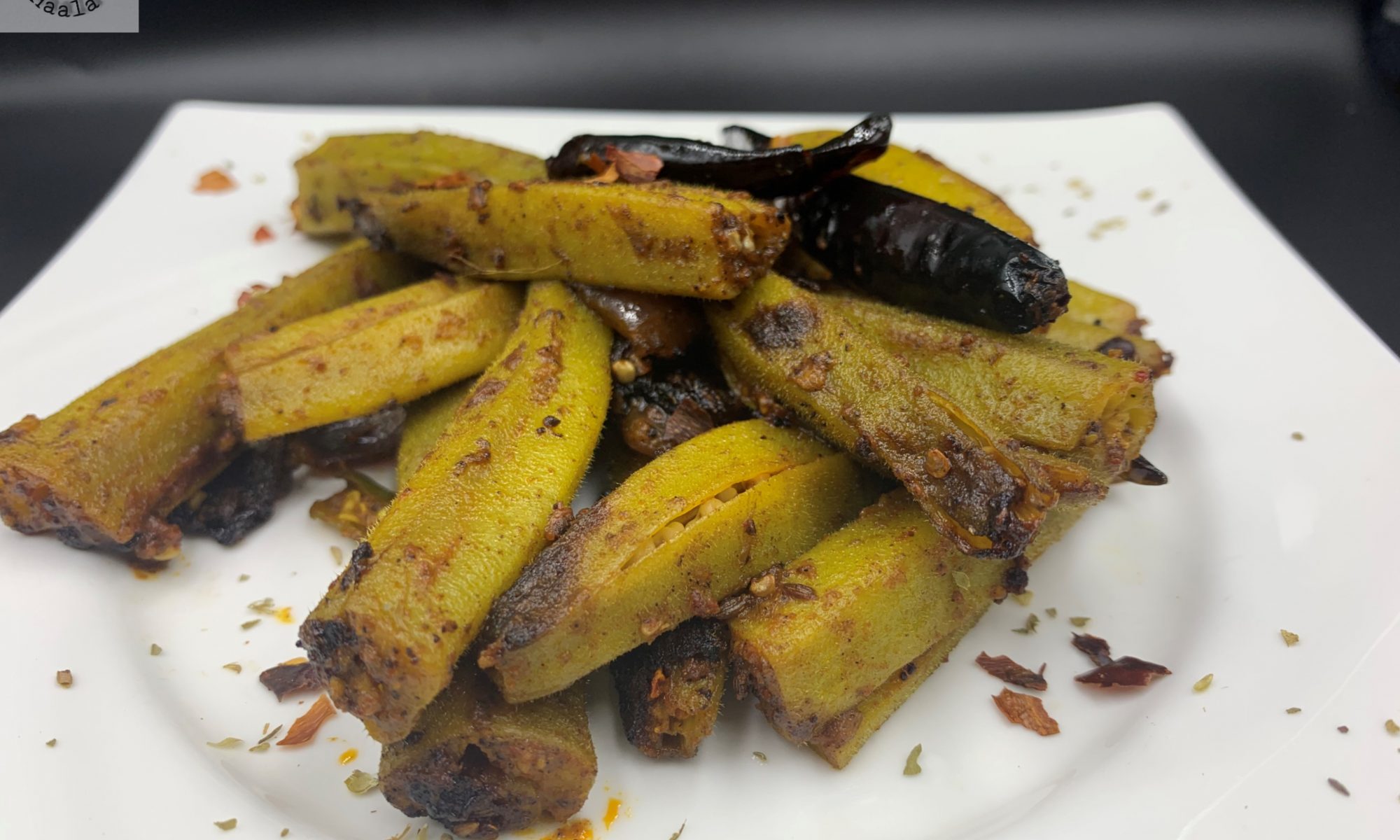
Bharwaan Bhindi

Some recipes are simple, yet I never get amazed when people still ask me ways to cook them. Its just that simplest things sometimes look complicated. Starting with the story for this dish, its funny, hilarious and true. I don’t like Bhindi.

Out of all the vegetables that could ever be grown, Bhindi has been my least favorite. Actually, its on my “Hit list”. I always felt the seeds looked like raw teeth. Yeah please do not ask me the concept of Raw teeth. I am sure its an outcome of my over intelligent brain. So, seeds looked like teeth, then it was too green and I never liked that shade of green. I mean come one, I need to come up with a better excuse, but that is the expression of a 5 year old. And the last one was, that I felt it was too gluey and chewy. Altogether, I convinced my mother enough for her to understand that consuming this vegetable would either kill me after the first bite, or definitely give me food poisoning.

The funnier part is that when I started venturing out in the kitchen, and cooked varieties, Bhindi was one of the best veggies I cooked and it was loved immensely and I was asked to cook it more often. I would always happily oblige despite the fact that I would never dare to taste what I made and was loved so much. Think of it as a coincidence or perfect soulmates, Mr. Parveez doesn’t like Bhindi either, so I never felt the need to cook it. Until recently, we just decided on eating more greens and we both thought that Bhindi/Okra was worth another try. And, we did end up trying a few different recipes and I am sharing the ones that we enjoyed the most.

So this recipe, of course requires Okra, along with that we need Onions, green chilies, cumin seeds, Dry red chilies and a few dry spices. I usually wash and pat dry my Okra. After mixing in the dry spices, I slit the Okra and add the spice mix to them. After adding oil to the pan, add cumin seeds, onions and green chilies and further add the Okra with the spice mix. You can also use baby onions and slit and add masala to them too. This curry is dry and goes really well with Phulka/Roti or as a side curry with Daal – Chawal.

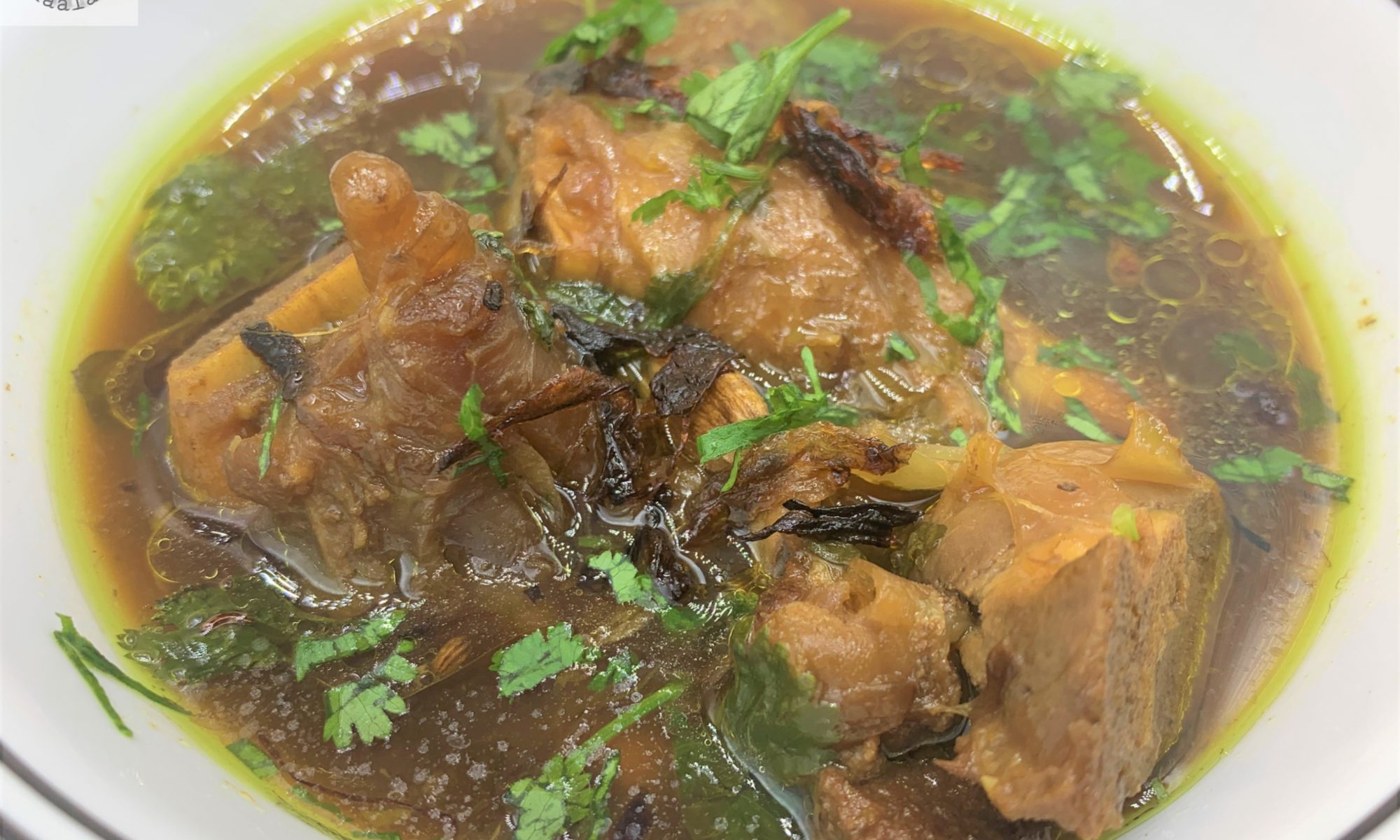
Goat Paaya

Goat Paaya or Goat Trotters is a widely loved dish in the Muslim community. It’s made in several different ways around the world, but no matter how its made, I have always seen people enjoying it with every bite. Mostly served for breakfast, Paaya is usually served with Bheja and Naan/ Roomali Roti. Paaya will be in the favorite list in any hardcore non vegetarian.

It is a dish that can be made any time of the year but during festival of Eid ul Adha, It is a must for Breakfast on the second day. It takes pretty long to cook, so in times of today when everything is made in a rush, use of pressure cooker is a must. Long before the pressure cooker, Paaya was a dish made with slow cooking and was made over coal fire and usually took around 12-15 hours to cook. A lot of people like my Late Father used to love consuming it as soup. It makes a pretty healthy and flavorful Shorba / curry.

I believe the fashion of cooking Goat Trotters must be from the Muslim rulers who travelled from other countries. A lot of dishes from the Middle east have resemblance to dishes cooked in India/Pakistan/Bangladesh. Not just Non vegetarian but even sweet dishes like Jalebi and Gulab Jamun or for any sweet dish that uses Orange blossom/ Kewra water/ Rose water are also a gift from the Middle east to us, along with Biryani. The fact is that they always traveled with a huge army and therefore made sure that every part of the animal slaughtered should be used. Goat trotters are pretty high in Cholesterol, so they aren’t a great breakfast choice for anyone in today’s date and time since our lifestyle is very sedentary, but back in days for people who did so much of physical labor and most distance were traveled on foot, this dish was not just delicious, but also nutritious and filling.

Like I always say, every dish has a story, so let me share my memories with “Paaya”. As a kid I always saw my Mom make Paaya for breakfast and the whole family, except me relish it. For some reason I am not a big fan of liking the flavor of Bone Marrow in my food. Nevertheless, to make my father happy I would slide a few bites down my throat, until one day he realized that it was tough for me and he let me slide. Paaya is specially cooked for breakfast at all Muslim restaurants that are popular for authentic Muslim food. Most of these restaurants are located in highly populated Muslim areas, like Jama Masjid in Delhi, Frazer town in Bengaluru and Mohammed Ali Road in Mumbai. I am sure there are these areas in almost all cities, I am mentioning these because these are places I have been to and relished all the awesome delicacies. My breakfast has always been bheja fry and Nahari though the family had their love for Paaya. My faher would always order what we liked and those times were a lot of fun. After marriage, I learnt that Mr. Parveez likes Paaya too and since we do not have similar arrangements of eating and enjoying authentic Muslim breakfast therefore, I started making it at home.

Paaya isn’t a difficult dish to make. It’s a heavy stew created from trotters/ feet of goat or lamb. The bones of the Goat leg are rich in gelatin marrow and are barely covered with meat once cleaned, they are just rich in bone marrow which secretes once cooked. Most people/families have their own variation of cooking Paaya, and knowing that India is so culturally varied, every other place has their own cooking style and recipes based on the local ingredients and flavors they are used to. In North India, paaya is served as a breakfast with Tandoori Roti / Roomali Roti. Is believed to be nourishing and is served to patients when sick and is kind of mandatory for new mothers, specially during the early days when her body is going through the recovery process. I usually use a pressure cooker to cook them, but you are more than welcome to cook it in a traditional way. Though time consuming, but its extremely flavorful. I do try the slow cooking method as well when I have more time in hand. Either way, its delicious, so don’t think that you are missing out on flavors if using the pressure cooker.

If you are thinking of making an authentic Muslim breakfast or cooking a non vegetarian breakfast that’s a little different, Paaya is what you need. Serve it with brain fry/ Bheja Fry and people will be praising your breakfast spread for years and looking forward to more. The recipe is in complete detail and if you follow the steps correctly, you will make a perfect dish. Again, spices make a dish flavorful, but cooking with love is what makes it delicious. Enjoy!!!

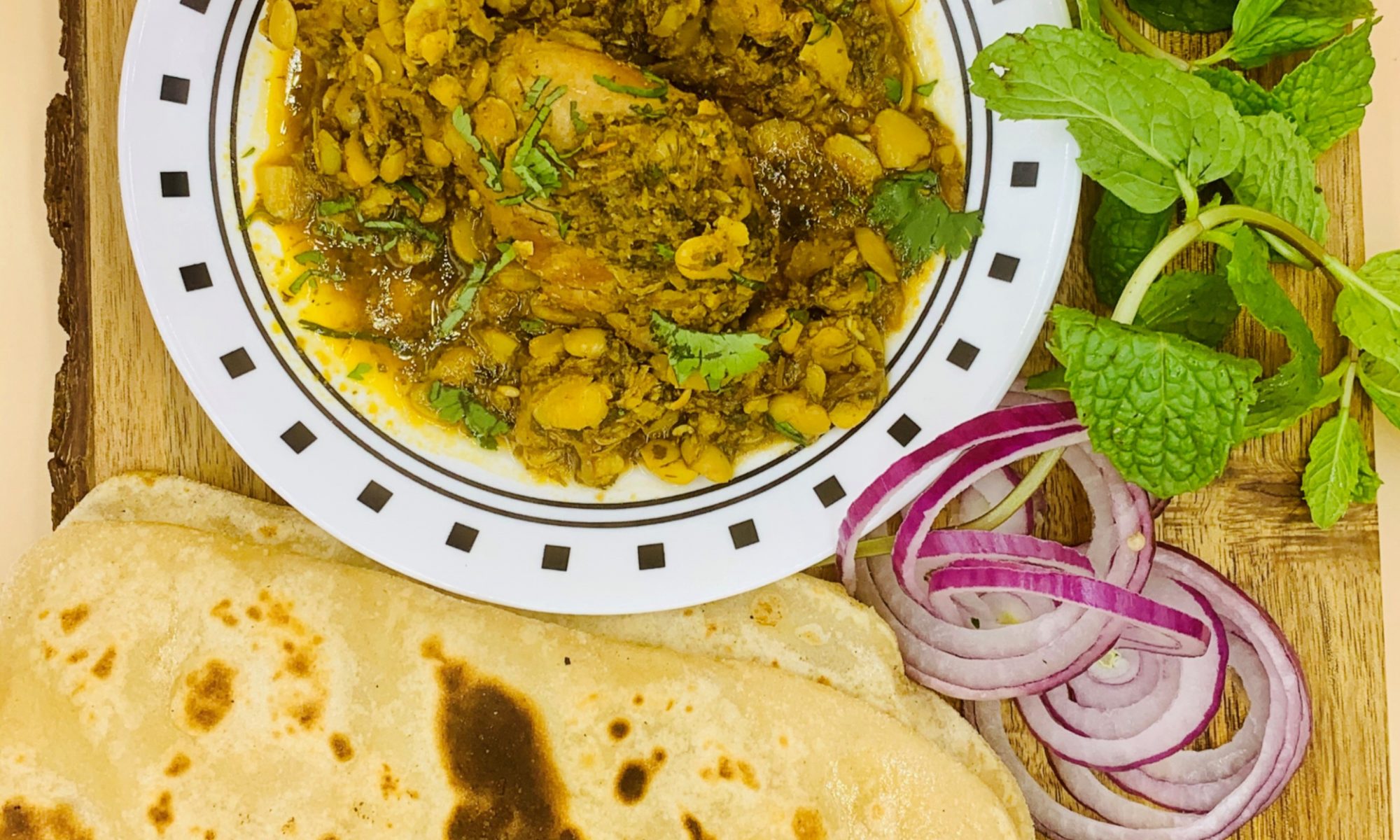
Chhilli Daal Chicken Curry

Chicken as a curry is made in so many varieties that sometimes it amazes me how people from different regions in just one state make so many different dishes, with every dish varying in flavor from the other. The basis of making these curries are basically the availability of ingredients in that region.

I am from the northern west part of India, Rajasthan. Its a desert part so every time we make a Chicken curry, its mostly Yogurt based, which I think is because back in the days there weren’t many ways of getting any fresh vegetables, like Tomatoes and since water was always scarce, growing your own was difficult as well. Since there weren’t any fresh veggies, we barely have any Chicken dishes that are cooked with vegetables.

On the other hand, Mr. Parveez is from the southern part of India and there is loads of greenery and fresh vegetables are always available, so most of the dishes are tomato based and also use a lot of other green vegetables and thus we get loads of chicken curry which aren’t just protein rich but also have loads of fiber. Honestly, I feel my in laws eat very healthy. There is always a green veggie curry for morning breakfast and the lunch and dinner also comprises of green leafy vegetables cooked as a curry or mixed in with other veggies or Daal or cooked with Chicken or Meat.

This Chhilli Daal happens to be one such curry. These green beans are also known as Surti Papdi Lilva or Valor Lilva. We get the frozen pack here and they aren’t much big in size either. Addition to that, I also have to clean and peel it when I bring them home which is a tedious job. I guess I feel it more because in India, they are bigger in size, more flavorful and on top of everything they are peeled by the vegetable vendors which makes it so convenient.

This Chicken curry is just so delicious and nutritious, one of my Mother in law’s favorite as well and honestly, mine too. This is my mother in law’s recipe, only that I made some changes to it which she loves as well, I just made it more greener and nutritious. The curry has Fried onions that are further cooked with Ginger garlic paste and spices. Once the Chicken is added, wait till its half cooked, add in the daal/beans and further add the Tomato-coconut puree and cook further for a few minutes. Usually at this point the original recipe for this curry is concluded. But the changes I made to the recipe are that I added methi leaves/ fenugreek leaves and Dill leaves. With Methi, I add fresh if I have it and if not then I use Kasoori Methi. In both cases, the flavor of the dish is not compromised. Serve it with Plain boiled Rice or Roti or Parantha. We love it all ways and I am sure you will too. This is something different and completely worth trying. Enjoy!!!

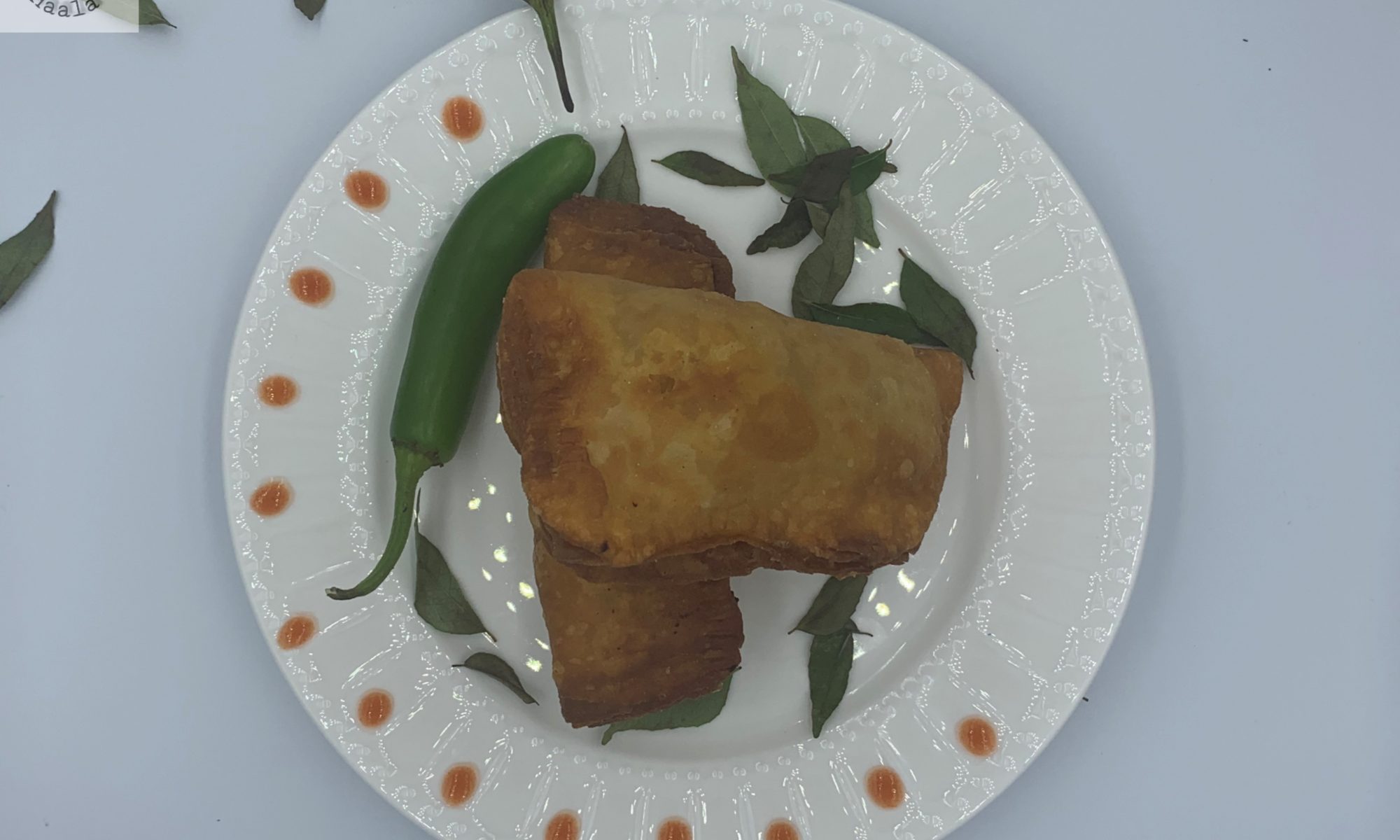
Hyderabadi Lukhmi

Hyderabad is also popular for its Biryani and Khubani ka Meetha. Along with that, there are loads of other popular Muslim dishes that are very popular in Hyderabad but probably not that popular outside Hyderabad. One of those dishes is Lukhmi. It is a typical rectangle/square samosa kind, which has a filling of mince meat or Chicken. Its regarded as savory or starter of the cuisine of Hyderabad. It is a local variation of samosa.

I though have never visited Hyderabad, but I do want to visit it one day. 2 simple reason to it, one of course is Hyderabadi cuisine and second is the Falaknuma Palace that simply became more popular after my favorite Bollywood actor’s sister got married there…LOLzzz. I know sounds crazy, but speaking my heart out is what I do on my blog and it is what it is. So, going through popular Hyderabadi cuisine is when I came across Lukhmi and that’s when I decided to make it. My boys who are big fans of Samosas, I was kind of unsure if they’d enjoy Lukhmi. Honestly, since none of us had ever tried it before, I wasn’t even sure how it will turn out to be. But, to my amazement, not only did they love it, they went a step further by asking me to make this more than samosas, which honestly is a shock to me because my kids can kill for my chicken samosas…Okay!! May be not kill, but definitely injure someone enough if anyone dares to even look at their samosa, forget eating…LOLzzz.

Hyderabadi cuisine has a variety of scrumptious snacks, and Lukhmi, the flaky savory stuffed with spicy minced meat/chicken is definitely one of them. A popular starter at Hyderabadi marriages, this dish also works well for a quick pair for teatime with family or friends. The name lukhmi originates from the word luqma, which means a small bite in Urdu. Unlike the samosa, lukhmi is usually a flat square/Rectangle shaped flour parcel with a flaky and crisp upper crust and stuffed with beef, chicken or mutton-based filling. You have the snack in other shapes like triangles in some cafes and a vegetarian version mostly  with potato filling is also available.

It is usually served with chopped onions and green chilies or chutney. To prepare lukhmi, all purpose flour/ Maida is kneaded with milk, butter and a little water. The mince or vegetarian filling is cooked separately, with turmeric, onions, ginger, garlic and spices. After resting, the dough is rolled out into a huge rectangular roti. More butter is added in between rolling the Roti and refrigerating it for 20 minutes or a little more. This process is repeated 3-4 times in order to create more flakes or layers to the Lukhmi. After the final process, the Roti is cut to multiple squares. Finally, these multiple small squares each housing a filling pocket forming a Lukhmi.

The edges are closed by pressing them often with a fork, and the stuffed parcel is deep fried in oil. As the color of the patty changes to golden while frying, the lukhmi is ready for consumption. The snack had lost some of its popularity over several decades, as many places in the old city stopped serving it. However, it has made a comeback of sorts in the last few years with an increased interest in lost Hyderabadi recipes.

I really enjoyed making these beautiful and scrumptious pockets of goodness and these are now a family favorite for me. I hope you like them too. If you need help with variations, please feel free to ask. Enjoy!!!

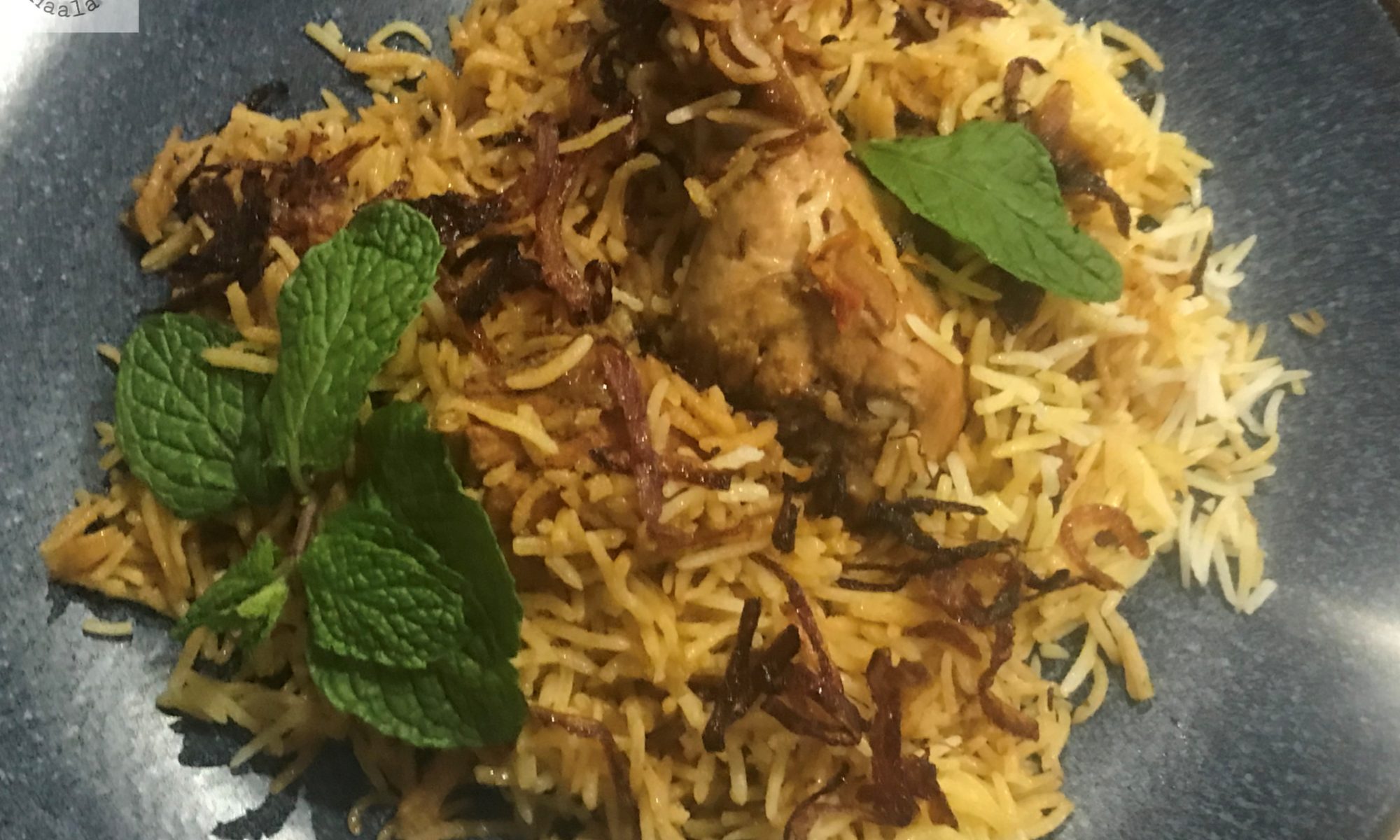
Moradabadi Chicken Biryani

Though synonymous with Indian cuisine and a part of specialty, the biryani is regarded as an import from West Asia, more specifically, Persia. The word biryani is thought to originate from the Persian word “birian” which means ‘fried before cooking’ or “birinj” meaning ‘rice’. The rice is washed and soaked and is cooked in ghee with whole spices and then cooked in boiling water. This imparts a mild nutty flavor to the rice and also helps rice retain their shape after being boiled.

The recipe of a good biryani has been simple, rice and meat that is cooked in spices and other ingredients set in layers. Traditionally, long grain white rice is preferred option with biryani. In south India, local varieties like kaima or jeeraka shala  provide their own distinct flavor and texture to the dish. The meats vary from goat, sheep, poultry, beef, eggs to seafood as well. Fragrance heightens its appeal, you can add Kewra water, saffron or Rose water . The cooking technique can be Kacchi Biryani, where the meat is layered with raw rice or Pakki Biryani, where cooked rice and meat are layered together.

Legend has it that Timur the Lame, the Turkic conqueror and founder of the Timurid Empire, was responsible for the entry of biryani to India. His armies would consume a hearty diet of pots of rice, spices and meats that were slow cooked in hot buried pits which were dug out at meal time. While biryani may very well have been part of a war diet, there was always a certain romance associated with it.

Stories also claim that Mumtaz Mahal, the inspiration behind India’s most celebrated monument and symbol of love, the Taj Mahal, had something to do with it. It is believed that Mumtaz Mahal once visited the Mughal army’s barracks in Moradabad and was dismayed by the dire conditions and poor nutrition endured by the soldiers. She ordered the cook to prepare a wholesome meal that blended meat and rice. And thus, they say, the biryani was born. As the history speaks, Moradabad, was founded in 1625 and named after Murad Baksh, son of Mughal Emperor Shah Jahan. Therefore, we can kind of believe that this recipe is close to the original recipe of Queen Mumtaz Mahal. The Moradabadi is typically low on spices and high on flavor.

Whether it was the Nawabs of Oudh (Awadh) in Lucknow or the Nizams of Hyderabad, the biryani blossomed into regional variations wherever it went. This Biryani comes with its own unique flavor. Enjoy!!!

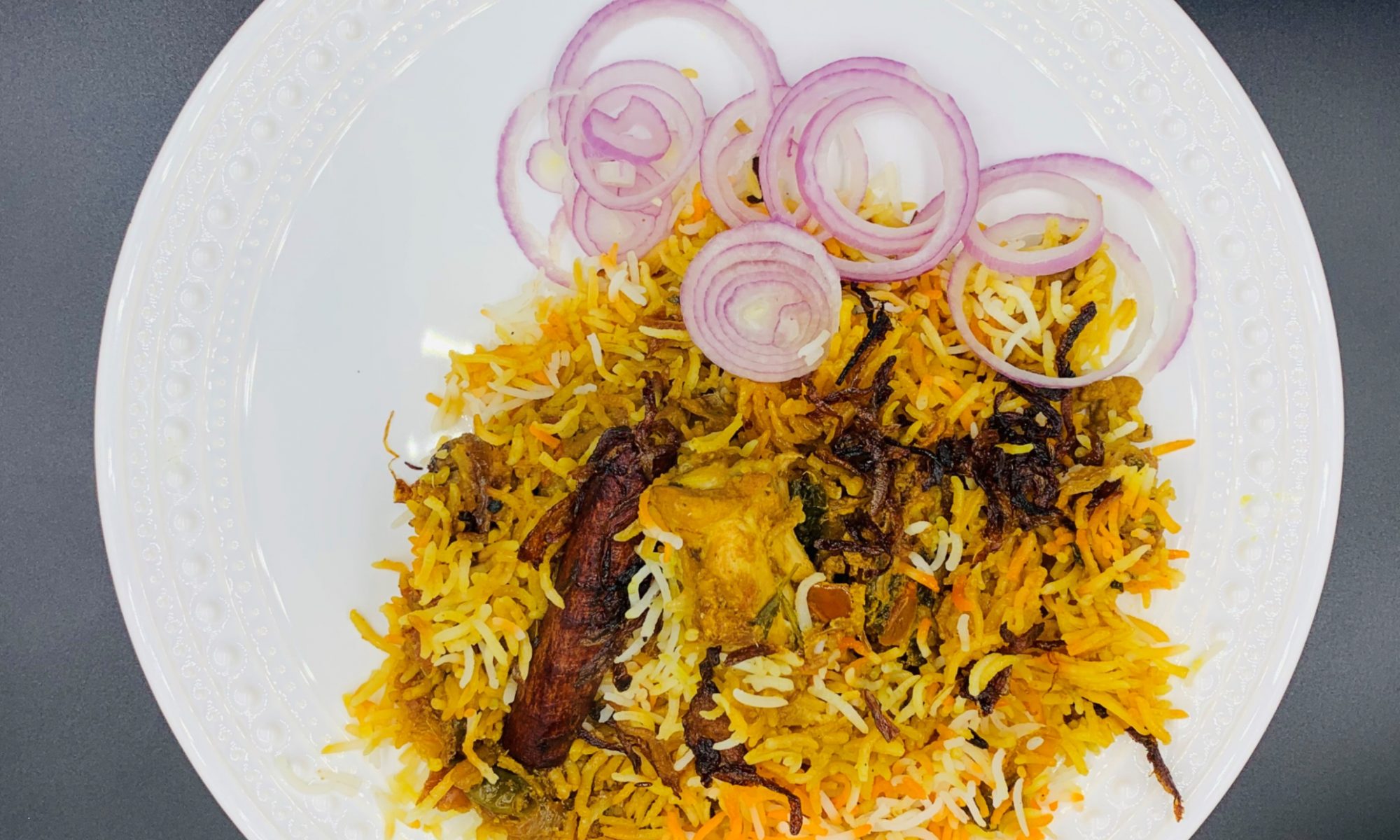
Dindigul Biryani

The word Biryani is derived from the Persian word Birian, which means ‘fried before cooking’ and Birinj, the Persian word for rice. There are various theories related to the origin of this scrumptious dish. Biryani originated from Persia and was brought to India by the Mughals. I love reading about the Mughal Era and its food in the history. Its amazing to read about so much variety of food flavors that they added to the Indian cuisine…. Gulab Jamuns, Jalebis, Imartis, and so many other rich desserts and numerous curries and the most amazing out of all are Biryanis…so many varieties, so fragrant, so delicious and so different from one another. The best part was that they always incorporated local spices with their Biryani recipes coming up with distinguishably different flavors each time. Each region has a completely different way of making Biryani from another. The state of Tamil Nadu has some really celebrated Biryanis, most of which have evolved in the state’s smaller towns. A beautiful example is Ambur Biryani and Salem Biryani. As the folklore says, Dindigul Biryani actually developed in a particular small restaurant, which is till date super popular for its “Dindigul Biriyani” , they spell it differently. The best thing I like about these South Indian Biryani is that the ingredients are always pretty simple, nothing fancy, nothing that requires you to urgently run to a store and despite the simplicity, the outcome is always so deliciously fancy. Enjoy!!!

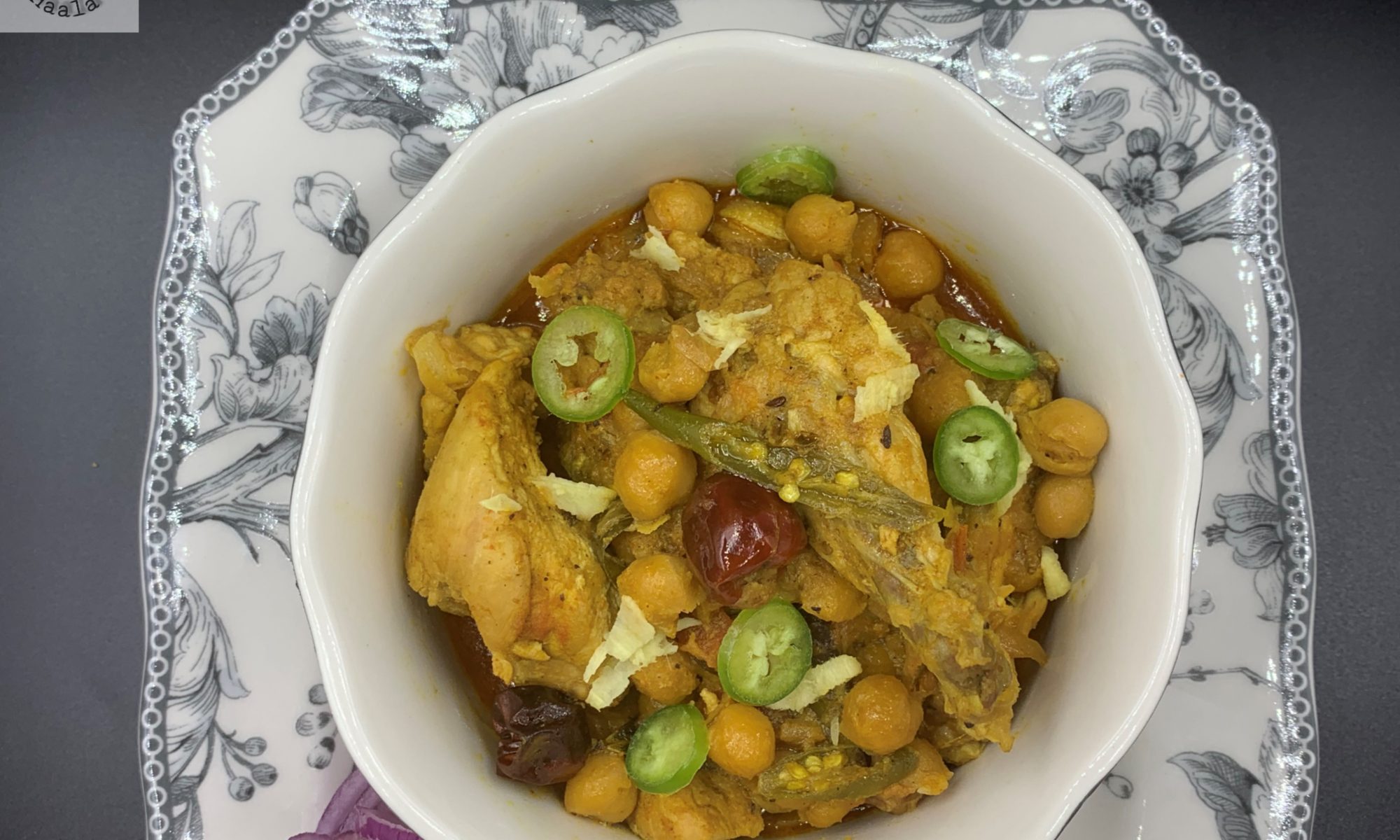
Lahori Murgh Chhole Curry

Lahori Murgh Chhole Curry is a classic and time-honored Pakistani dish, deeply rooted in the culinary traditions of Lahore and an integral part of Punjabi cuisine. Long associated with the city’s vibrant food culture, this dish reflects the warmth and simplicity of everyday Lahori cooking. Interestingly, despite its cultural significance, many natives of Lahore regard Murgh Chhole as a routine household preparation, often overlooking how distinctive and celebratory it may appear to those outside the region.

Traditionally enjoyed as a breakfast dish, Lahori Murgh Chhole is most commonly served with tandoori roti or kulche, much like the beloved nihari. However, its versatility sets it apart—it pairs equally well with steamed rice or soft phulkas, making it suitable for any time of day. Rich in flavor yet comforting in nature, this dish beautifully represents the understated elegance of Punjabi home-style cuisine.

One might wonder what inspired me to cook Murgh Chhole Curry. The motivation, in fact, comes from an Indian chef whose work has inspired countless home cooks, myself included. In one of his shows, he shared a memorable story from his college days in Boston, when he traveled to New York City and dined at a small restaurant owned by a Pakistani chef. After his very first bite, he was so taken by the flavors that he asked for the recipe. The owner, in a generous gesture, wrote it down roughly on a napkin—in Urdu—which the chef still treasures to this day.

That story deeply resonated with me. I firmly believe that every dish carries a story within its flavors, and Murgh Chhole Curry is no exception. While this may not be my own lived experience, it is a narrative that I return to each time I cook, eat, or even read about this dish—and one that, I hope, will stay with you as well.

While this recipe is not directly sourced from that beloved chef, it is very much shaped by the inspiration I have drawn from watching culinary shows that celebrate diverse cultures and regional cuisines. These programs often focus on the spirit and technique behind iconic dishes rather than precise measurements or detailed ingredient lists. As a result, much of the interpretation is left to the cook.

I followed the methods and visual cues shared in these shows as closely as possible, adapting where necessary. That process—adjusting quantities, balancing spices, and refining flavors—has been one of the most enjoyable aspects of recreating this dish. The freedom to experiment is where the true joy of cooking lies, allowing each version to carry a personal imprint while still honoring its cultural roots.

This curry was prepared using ghee, though a neutral cooking oil may be substituted based on personal preference. The process begins by tempering the ghee with small dried red chilies, fennel seeds, cumin seeds, cloves, a cinnamon stick, green cardamom, and a bay leaf, allowing the aromatics to release their essential oils. Finely chopped onions and curry leaves are then added and sautéed until the onions turn a light pinkish-brown, followed by ginger-garlic paste.

Next, red chili powder, turmeric powder, black pepper powder, coriander powder, and salt are added and gently cooked before incorporating the chicken and pre-boiled chhole (chickpeas). Chopped tomatoes, green chilies, and yogurt are then mixed in, creating a rich and well-balanced gravy. The dish is finished with a garnish of sliced ginger and jalapeños, adding both freshness and heat.

This preparation results in a truly satisfying and flavorful dish. If you have not yet experienced Murgh Chhole Curry, I encourage you to try it—it is well worth the effort. It pairs beautifully with roti, paratha, tandoori roti, or simple boiled rice, making it a versatile addition to any meal.

Enjoy.
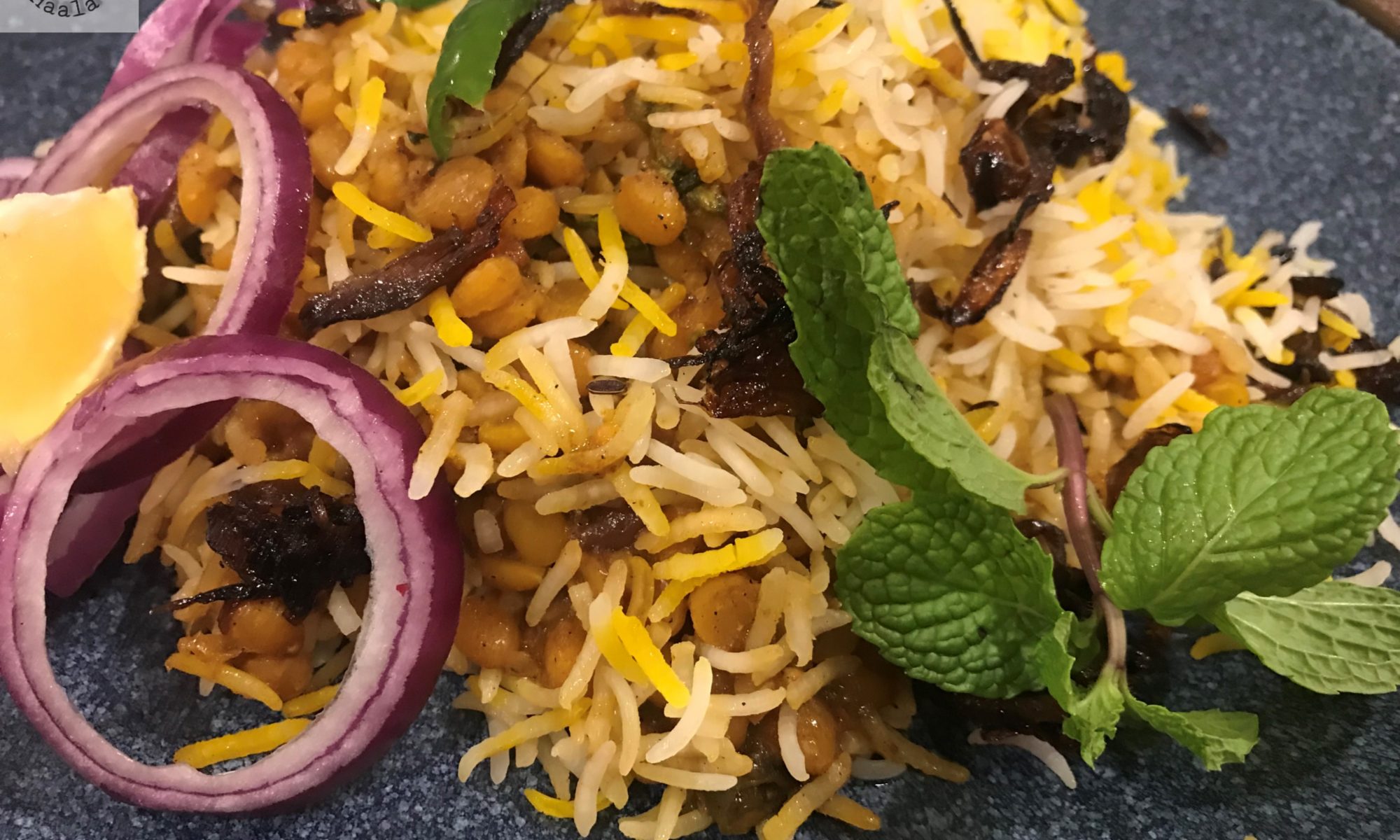
Hyderabadi Chana Daal Qabooli

Hyderabad is popular for its lip smacking food. The city of Nizams is just not popular for its gems and jewels and gorgeous buildings, but more for the food. The Hyderabadi Biryani to start with has almost 12 varieties if not more. When it comes Hyderabad and we think of food, I always tend to think of all wonderful non vegetarian dishes, Biryanis, Korma, Haleem…but we all forget that Hyderabad has a wonderful variety of Vegetarian food as well.

This delicious vegetarian Biryani has come down from the Mughals, and is made with rice and split gram lentils. In Hyderabad, its considered a fancy dish and is a great vegetarian option in place of Biryani.

Qabooli is biryani made with spicy chana dal (split pea lentil) and layered with basmati rice. This Chana daal qabooli is very different in flavor and aroma, which combines the pungency of spices, the tanginess of Yoghurt and richness of saffron. It turned out quite tasty and lip smacking. This is a filling and delicious dish that is great to make when you have company. This vegetarian version of Biryani can be made on festival day or even include it in a party menu as well. Enjoy!!!

Curd Rice

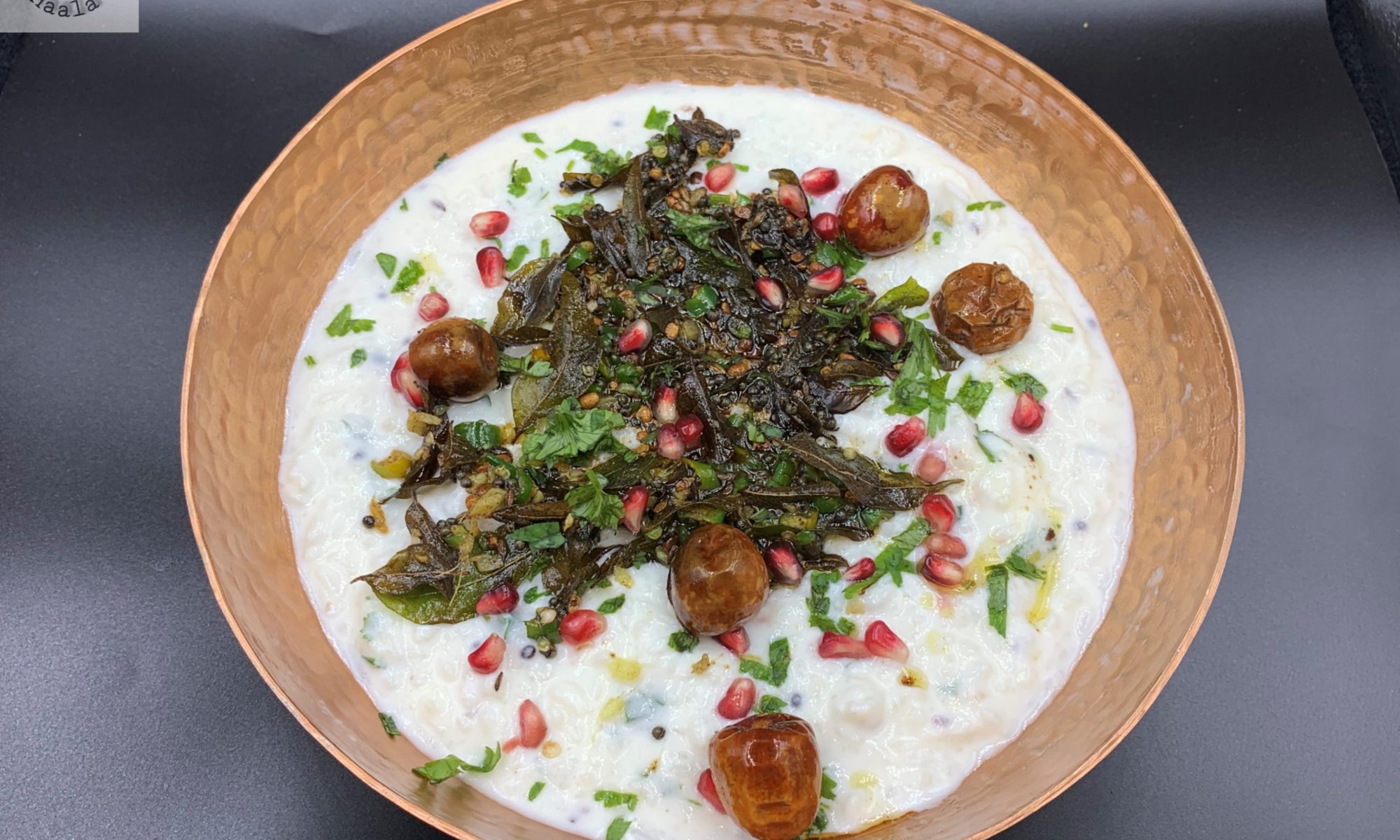
Curd Rice is a meal from Southern part of India. It’s full of probiotic goodness and cooling properties , just the kind of meal you need when you want something simple, easy to digest, fast track food and a nutritious meal. Curd Rice is a creamy and traditional preparation of soft pre-cooked rice and thick yogurt all combined together and crowned with a South Indian style tempering.

Curd Rice is a gluten-free, savory Indian dish prepared with yogurt and pre-cooked rice. For the flavor, it is often tempered with ghee, mustard seeds, urad daal, ginger, asafoetida, cumin seeds, curry leaves, green chilies and dry red chilies.

Curd Rice is great for digestion, since the good bacteria in the yoghurt/ curd may help the body digest food easier and smoother. For generations, in South India, this has been the cure for an upset stomach or gastric issues including constipation and bloating. This dish also happens to have a milder version made with thinner curd or even buttermilk and is excellent for fighting acid reflux. Curd rice balances out the internal temperature of your body and is an excellent coolant during the hot summer months. Since it is served cold, one can almost immediately feel the respite from blazing temperatures even externally, before the nutrients begin to break down in one’s system. This is relatively low in calories and can still be eaten by itself as a meal and is quite filling, you can include this in your low-calorie diet as a menu choice.

All you need for this simple preparation is boiled rice, I usually throw away the water, but you are free to add less water in boiling the Rice and let the Ric soak it all up. Just make sure you use small grained Rice, as its a better option when it comes to over cooked and mushed up Rice. Basmati Rice is better with Biryani and Pulao. The Rice needs to be at Room Temperature, so make sure you give it at least an hour on a wide dish so it cools down completely. You can also use leftover steamed rice for making the dish. If using leftover cooked rice, add a tiny amount of water and mash it to a soft consistency (like broken wheat consistency). Soft rice that is overcooked or slightly mushy is perfect for making creamy curd rice.

 Full-fat Yoghurt is great if you want super soft and creamy curd rice, but you can use low-fat Yoghurt as well. Although the traditional Curd Rice is cooked with slightly sour Yoghurt, but I prefer the regular one.

 The tempering for the Curd Rice is a typical South Indian style packed with cumin seeds, mustard seeds, urad dal/ chana dal, curry leaves, ginger, green chilies, whole dry red chilies, and a pinch of asafoetida (aids in digestion). You can mix grated carrot or pomegranate as well in your yogurt rice for that extra crunch and freshness.

It is always ideal to combine chilled yogurt and room temperature rice to make creamy and delicious yogurt rice. If hot rice is combined with curd, it affects the nutritional properties of yogurt, and the digestion problems are bound to happen. Also, the curd might turn sour after mixing the hot rice. Hence, it is best to enjoy yogurt rice cold or at least room temperature.