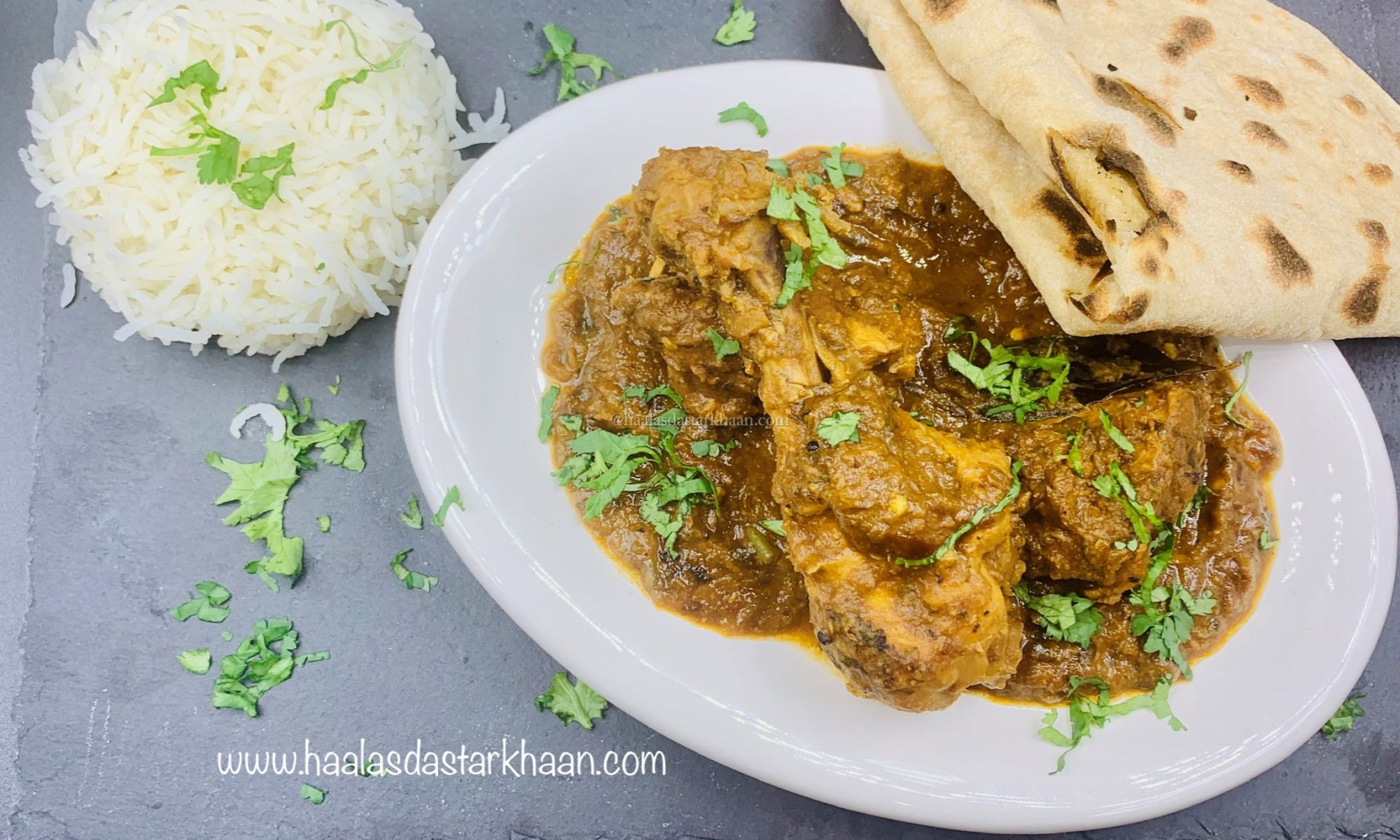
Chicken Kulthi Curry [Kutt ka Salan]

Chicken and Lentils: A Surprising Love Story

Some dishes sound absolutely strange at first—but then you taste them, and they completely win you over. This is one of those dishes.

When my husband, Mr. Parveez, first told me about a curry made with chicken and lentils, I was skeptical. I assumed it was one of those nostalgic favorites—something he loved simply because he grew up eating it. To me, the idea of cooking chicken with lentils felt like a waste of perfectly good chicken.

But curiosity (and love) got the better of me. I gave it a try.

And to my surprise, the flavors were beautifully balanced. The lentils added a gentle earthiness, the chicken brought richness, and together they created a dish that was hearty, comforting, and absolutely delicious.

Sometimes, the most unexpected combinations turn out to be the most memorable.

From Stable to Table: The Story Behind a Humble Chicken Curry

Let’s get to the root of this dish’s story.

The lentils used here are horse gram—a hardy, protein-rich legume known for its earthy flavor and nutritional value. I make everything from scratch, and trust me, it’s not difficult to do. But back home in Bangalore, the tradition is even more rustic.

Yes, you read that right: the horse gram is soaked and boiled at the stables. The lentils themselves are fed to the horses, while the nutrient-rich water—the liquid left behind after boiling—is brought home. That humble broth, often with a few lentils still floating in it, becomes the base for a chicken curry that’s surprisingly rich, flavorful, and deeply satisfying.

It’s a dish born from resourcefulness, shaped by tradition, and elevated by taste. And once you try it, you’ll understand why something that sounds so unusual can taste so extraordinary.

Horse Gram & Chicken: A Dish I Never Expected to Love

I had never tried this dish back in Bangalore—and to be honest, I never really looked forward to it either. It just didn’t sound tempting. Cooking chicken with lentils? It felt like a mismatch, a waste of good chicken.

But one fine day, while grocery shopping, we stumbled upon horse gram daal. Mr. Parveez lit up instantly—nostalgia in full bloom. That meant we’d be starting from scratch, with no idea how to get the daal to the right cooking stage.

Thankfully, one of my sister-in-laws came to the rescue. She suggested soaking the daal overnight and then boiling it with turmeric powder, cumin powder, salt, and red chili powder until soft. She advised using just the water with about 25% of the daal, discarding the rest.

But I couldn’t bring myself to throw away the lentils. So I kept them—and ground them into a paste.

That small decision changed everything. The paste added body, depth, and a beautiful earthiness to the curry. What started as a hesitant experiment turned into a dish I now cherish. It’s a reminder that sometimes, the best flavors come from trusting your instincts.
Pindi Chhole

This hearty, healthy and delicious dish is from Punjab, India. I initially thought that the name comes from the word Pind used for village in Punjabi. But, actually the name of the dish is from the place it was originated from. It is named Pindi Chana after the town Rawalpindi, which used to be a part of Punjab before India-Pakistan partition and later became a part of Pakistan. Pindi chhole is a recipe from Rawalpindi and now is proudly cooked everywhere and popularly known as Pindi Chhole.

This recipe is easy to cook, it makes for a wholesome meal when served with poori or Kulcha or Naan and an onion salad. Pindi Chana can be made with dried chickpeas, which needs to be soaked overnight and boiled until soft. The recipe also requires the use of chana daal along with chickpeas. I usually soak a large amount of chickpeas and boil them as well. I usually then divide them into smaller packs and keep them in the freezer for future use.

I never realized till I was much older that there were so many different ways of making chhole. I felt every family had there own version of making chhole, like with my Punjabi friends, their moms made chhole that didn’t have a lot of gravy and usually were a little dark in color and didn’t have too many tomatoes either. Where as, my mom always had her own version of making chhole with yogurt. The chhole recipe I follow is from a family friend and I make my chhole using tamarind, tomatoes and fennel seeds. And, then one day I came across Pindi chhole made by a close family friend and loved the flavors. This is when I found out that in most Punjabi families, people tend to boil chhole with whole spices and tea leaves which tends to darken the color of the chhole. Punjabi food anyways uses a lot of whole spice in their dishes and there always seems to be a very strong taste of cloves and cinnamon in their cuisine.

All in all this is one awesome chhole recipe. It goes really well with poori or parantha or kulcha. I serve them for breakfast usually with sooji ka halwa on the side, but that can always be when you have friends over or if its a special occasion, but these chhole with poori can definitely make it to your weekend brunch table. Enjoy!!!

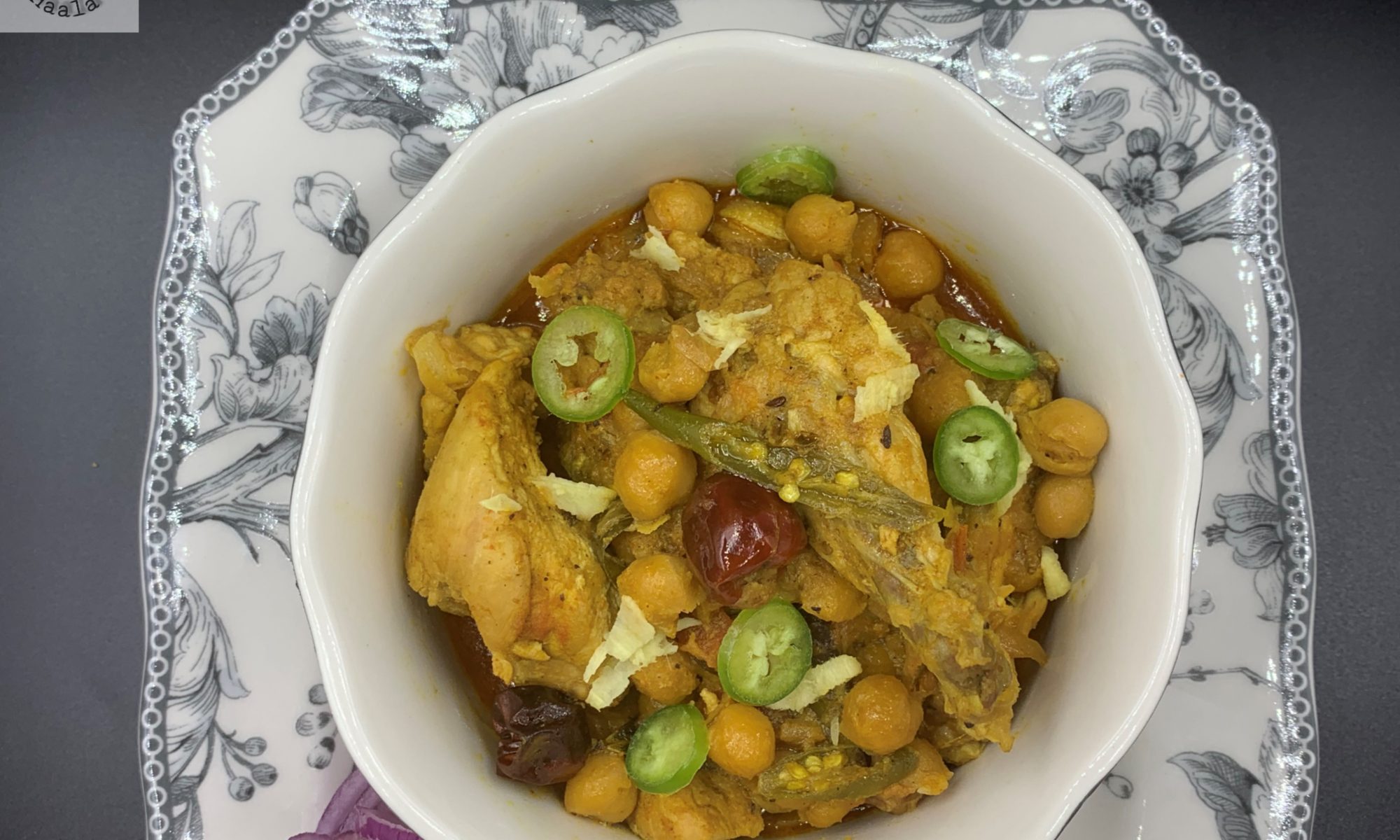
Lahori Murgh Chhole Curry

Lahori Murgh Chhole Curry is a classic and time-honored Pakistani dish, deeply rooted in the culinary traditions of Lahore and an integral part of Punjabi cuisine. Long associated with the city’s vibrant food culture, this dish reflects the warmth and simplicity of everyday Lahori cooking. Interestingly, despite its cultural significance, many natives of Lahore regard Murgh Chhole as a routine household preparation, often overlooking how distinctive and celebratory it may appear to those outside the region.

Traditionally enjoyed as a breakfast dish, Lahori Murgh Chhole is most commonly served with tandoori roti or kulche, much like the beloved nihari. However, its versatility sets it apart—it pairs equally well with steamed rice or soft phulkas, making it suitable for any time of day. Rich in flavor yet comforting in nature, this dish beautifully represents the understated elegance of Punjabi home-style cuisine.

One might wonder what inspired me to cook Murgh Chhole Curry. The motivation, in fact, comes from an Indian chef whose work has inspired countless home cooks, myself included. In one of his shows, he shared a memorable story from his college days in Boston, when he traveled to New York City and dined at a small restaurant owned by a Pakistani chef. After his very first bite, he was so taken by the flavors that he asked for the recipe. The owner, in a generous gesture, wrote it down roughly on a napkin—in Urdu—which the chef still treasures to this day.

That story deeply resonated with me. I firmly believe that every dish carries a story within its flavors, and Murgh Chhole Curry is no exception. While this may not be my own lived experience, it is a narrative that I return to each time I cook, eat, or even read about this dish—and one that, I hope, will stay with you as well.

While this recipe is not directly sourced from that beloved chef, it is very much shaped by the inspiration I have drawn from watching culinary shows that celebrate diverse cultures and regional cuisines. These programs often focus on the spirit and technique behind iconic dishes rather than precise measurements or detailed ingredient lists. As a result, much of the interpretation is left to the cook.

I followed the methods and visual cues shared in these shows as closely as possible, adapting where necessary. That process—adjusting quantities, balancing spices, and refining flavors—has been one of the most enjoyable aspects of recreating this dish. The freedom to experiment is where the true joy of cooking lies, allowing each version to carry a personal imprint while still honoring its cultural roots.

This curry was prepared using ghee, though a neutral cooking oil may be substituted based on personal preference. The process begins by tempering the ghee with small dried red chilies, fennel seeds, cumin seeds, cloves, a cinnamon stick, green cardamom, and a bay leaf, allowing the aromatics to release their essential oils. Finely chopped onions and curry leaves are then added and sautéed until the onions turn a light pinkish-brown, followed by ginger-garlic paste.

Next, red chili powder, turmeric powder, black pepper powder, coriander powder, and salt are added and gently cooked before incorporating the chicken and pre-boiled chhole (chickpeas). Chopped tomatoes, green chilies, and yogurt are then mixed in, creating a rich and well-balanced gravy. The dish is finished with a garnish of sliced ginger and jalapeños, adding both freshness and heat.

This preparation results in a truly satisfying and flavorful dish. If you have not yet experienced Murgh Chhole Curry, I encourage you to try it—it is well worth the effort. It pairs beautifully with roti, paratha, tandoori roti, or simple boiled rice, making it a versatile addition to any meal.

Enjoy.

Halwa Poori

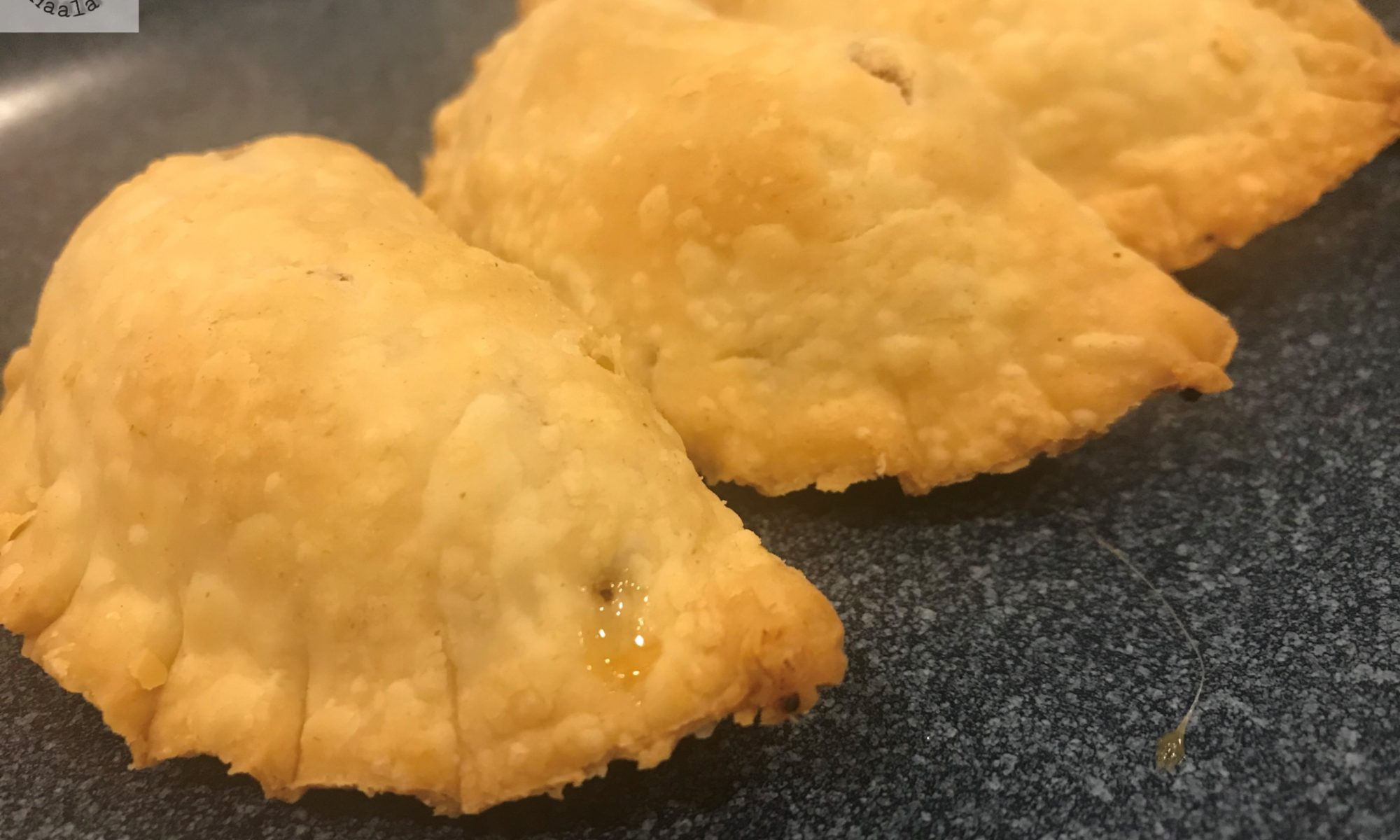
Halwa Poori is a traditional Bangalore dish, popularly made by Muslim families specially during weddings. During a wedding, a no. of food items go from the Bride’s side to the Groom’s side, which also includes Halwa Poori. There are also numerous occasions when they are made at home, but they kind of always need a special reason. I have no idea where the tradition came from, but it does have a little Mughlai influence and that’s why the traditions are carried on by Muslim families. The reason probably is also because it a tedious job making them, requires time and effort and usually made in a large batch too. When made, its always distributed among relatives, friends and neighbors. When I first saw Halwa Poori, it reminded me of Diwali Gujiya and honestly I have never been a fan of Gujiya. I always found them too coconuty and I also felt that it was always too dry and the dry coconut would start falling out if not careful. I also felt that if there was something that was nicer, softer and sweeter and Halwa Poori seemed to be a perfect answer to it. Halwa is made of Chana daal, coconut, Khoya, Milk and sugar cooked together in ghee/ Oil. The poori is made from All purpose flour. The halwa is filled in the poori and then sealed and fried. The traditional recipe is great and awesome if you are serving a large no. of people in a day or two. After that they kind of get a little mushy unless you keep them in a perfect airtight container. When I started making Halwa Poori, it always is great in taste. And then I decided to bring a little twist to this recipe and instead of the regular dough, I switched to Puff pastry dough. So there is also a recipe with Halwa Puff Pastry. And, for the Halwa, I can make and refrigerate it for up to 15-20 days. The Halwa can also be eaten minus the poori or puff pastry. I hope you enjoy making this as much I do..Its definitely a great recipe.

Hyderabadi Chana Daal Qabooli

Hyderabad is popular for its lip smacking food. The city of Nizams is just not popular for its gems and jewels and gorgeous buildings, but more for the food. The Hyderabadi Biryani to start with has almost 12 varieties if not more. When it comes Hyderabad and we think of food, I always tend to think of all wonderful non vegetarian dishes, Biryanis, Korma, Haleem…but we all forget that Hyderabad has a wonderful variety of Vegetarian food as well.

This delicious vegetarian Biryani has come down from the Mughals, and is made with rice and split gram lentils. In Hyderabad, its considered a fancy dish and is a great vegetarian option in place of Biryani.

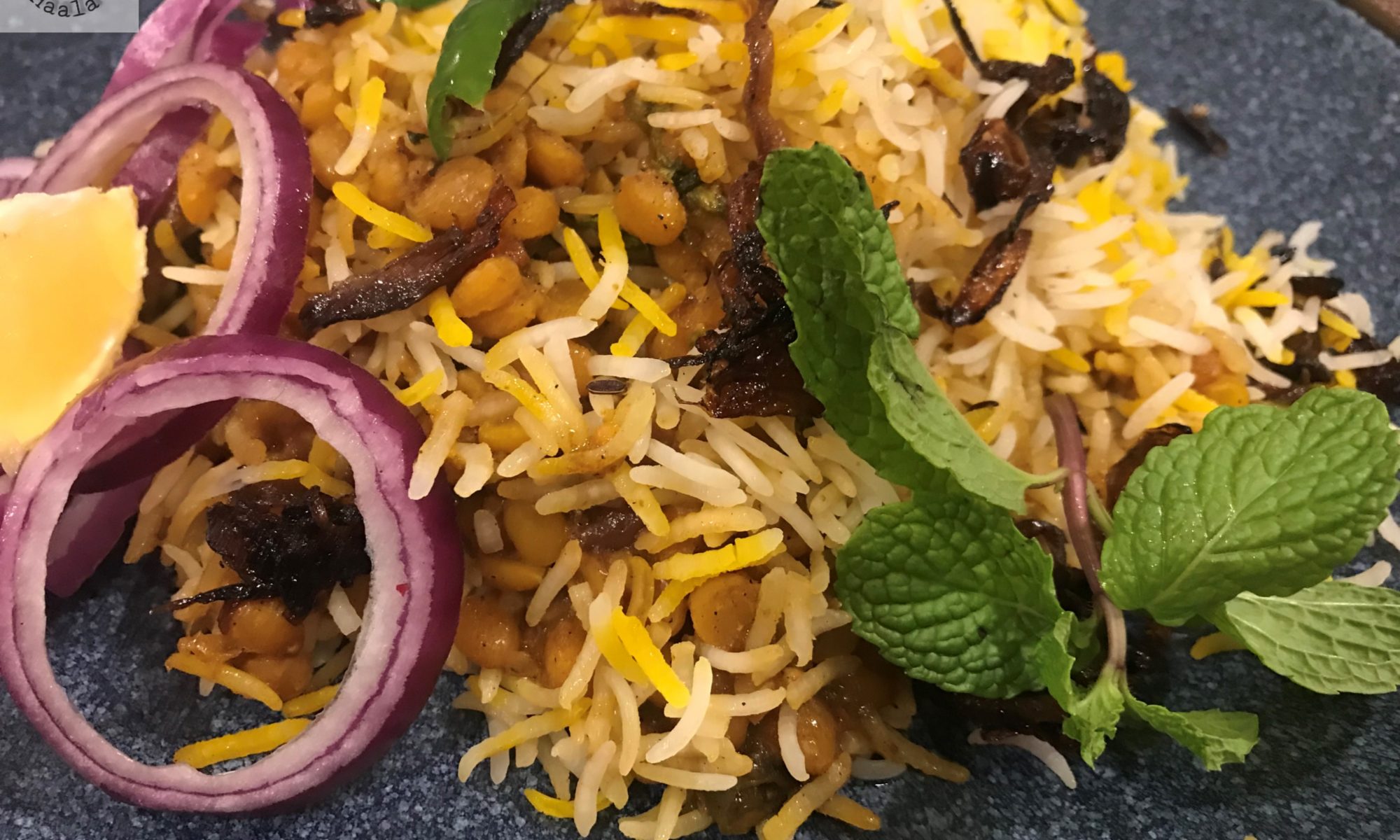
Qabooli is biryani made with spicy chana dal (split pea lentil) and layered with basmati rice. This Chana daal qabooli is very different in flavor and aroma, which combines the pungency of spices, the tanginess of Yoghurt and richness of saffron. It turned out quite tasty and lip smacking. This is a filling and delicious dish that is great to make when you have company. This vegetarian version of Biryani can be made on festival day or even include it in a party menu as well. Enjoy!!!

Murgh Haleem

Haleem has originated or is inspired by an Arabic dish, “Harees” which is made with meat, ghee, wheat, rice and whole pulses. The Persian name for the meat – wheat dish is “Hareesah”, which unlike Haleem is bland and uses lesser amount of pulses as well. An author once also suggessted that the version of Haleem made in India should have its name revised as “Daleem” since it uses a variety of Daals / Pulses.

Like so many other dishes that proudly make a mark in Indian/Pakistani/ Bangladeshi cuisines, Haleem was also introduced to Hyderabad recipes during the Mughal Era. The research shows that it came to Hyderabad during the Mughal period via Iran and Afghanistan. Adding the local spices and ingredients to it was definitely an upgrade from the original Arabian dish.

It says that it was during the rule of the sixth Nizam, Mahbub Ali Khan when Haleem was being revised to suit the Indian taste buds. The addition of spices made a huge difference to the dish and it did take effort and time to make it what it is today. By the the time, the seventh Nizam Mir Osman Ali Khan made his way to the throne, Haleem had become an integral part of the Hyderabadi cuisine.

With time, it became popular amongst all Muslim rulers and royal chefs made few changes here and there to make it more appetizing. The basic Haleem recipe comprises of a variety of lentils, meat/ chicken , and spices which are pounded together and cooked on a low flame for about 12 hours, which in todays time and age sounds time consuming and insane. Even today, if you wish to taste autjentic Haleem, you will have to take a trip to the Muslim areas of popular cities and visit those restaurants that are popular for their food and do not care much about the ambience. Honestly, I call them food lovers Paradise. As soon as you are close to those places, you can follow the fragrance of delicious food with your eyes shut. If you are like me, and can ignore the tables put close together and with people staring at you while you eat, you should visit these places at least once when you are in these popular cities. Delhi’s Jama Masjid, Mumbai’s Mohammed Ali Road, Hyderabad’s Char Minar and Bangalore’s Frazer town is where you will always find authentic Muslim cuisines which are pocket friendly and wonderfully delicious. These days you will also find places where they offer great seating arrangements for families as well.

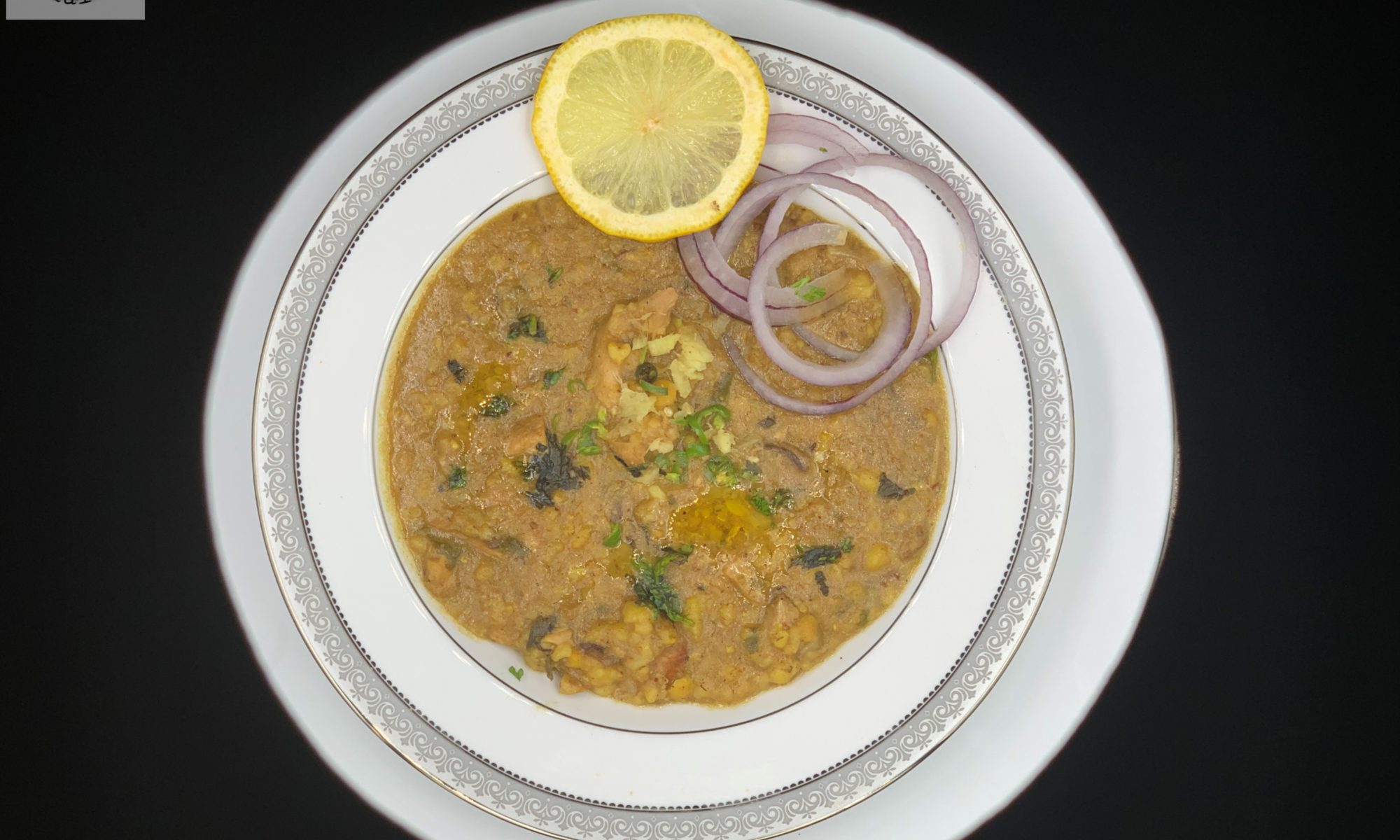
However, the local spices give the Hyderabadi version a peculiar taste and flavor. I once saw a TV show based on Hyderabadi cuisine and watching Haleem being cooked was a delight. Haleem is prepared using Daals, mutton/Chicken, Broken wheat, Rice and a blend of spices. Everything is cooked together and then mashed together to bring in the perfect taste. Haleem has to be prepared in Ghee. It definitely is high in calories but its nutritious as well, and that’s what makes it the perfect dish to open your fast with. Even today, traditional Haleem is prepared in Brick – mud ovens or Bhattis on firewood and takes anywhere between 8-12 hours to be prepared. Basic Haleem recipe only used Mutton, but with time, chefs added more variety and Chicken Haleem or Murgh haleem came out as a lighter version of the traditional Haleem. I love both, but Chicken Haleem seems to be liked more in my house and therefore is cooked more often. I am sure you will love the recipe as much as we do. Enjoy!!!

Masala Upma

This dish is a recipe from Mr. Parveez. As I have mentioned in my other write ups that Mr. Parveez is a fabulous cook and he just doesn’t cook food from the recipes passed on by his family, but some of the recipes have been his own invention. The best part is that none of the recipes are like those “Bachelor Recipes”, in fact they are some super great dishes which make to the table when the lady of the house, that is “me” needs to be treated royal and get my days off. I always enjoy and look forward to those days.

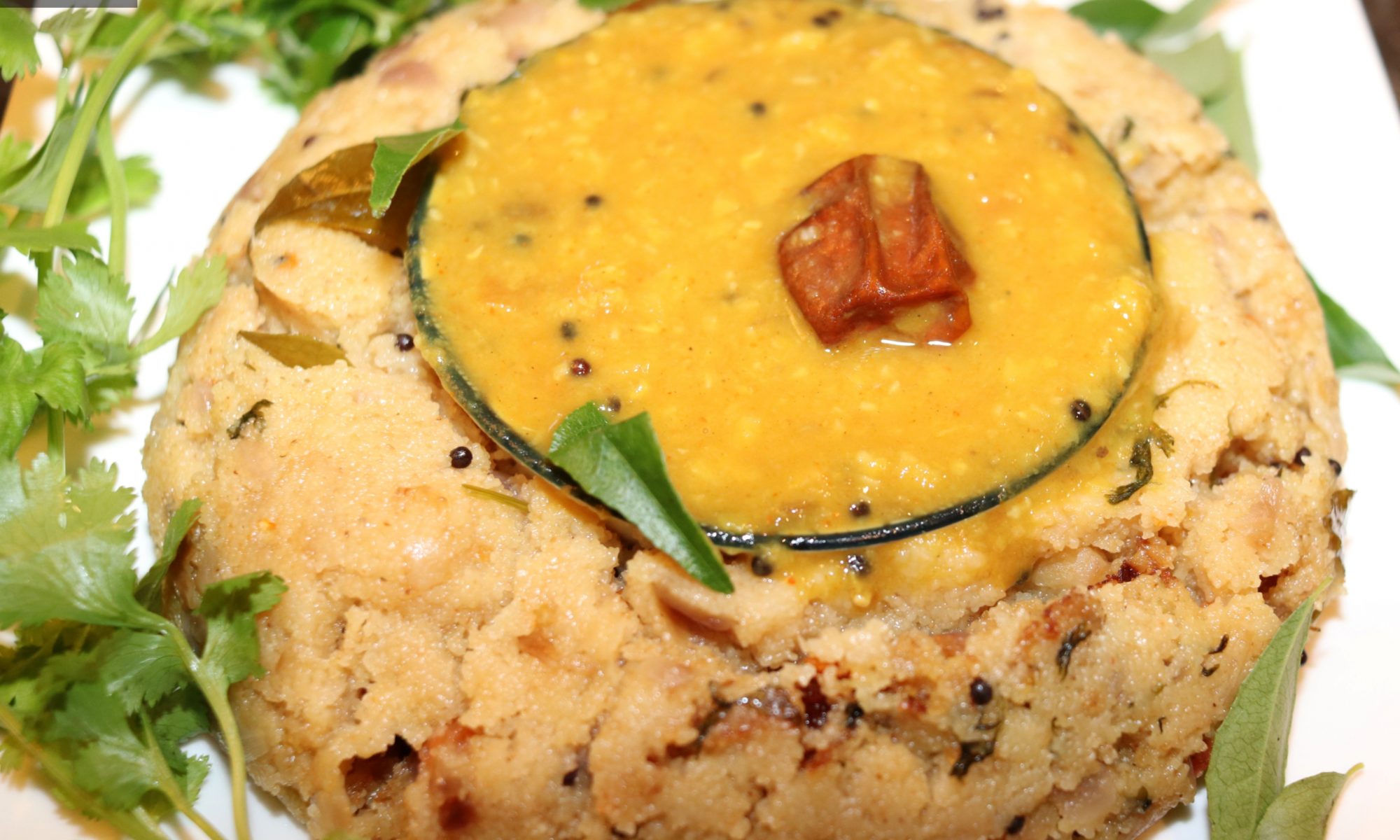
So, this particular recipe happens to be one of his best dishes ever. I have always loved it and look forward to days when he makes it. This Masala upma goes best with Sambhar. Though this dish is best for breakfast, but we love it for light dinner as well.

Bangalore Dalcha

Muslim families all over India and Pakistan serve Biryani. It is basically our go to dish when it comes to big occasions. Now we do have people who aren’t great cooks or who cannot make Biryani, but trust me we rank No. 1 when it comes to judging people over food and more if the Biryani is not cooked or if its not cooked properly. Yupp, we judge and please don’t go over the beautiful smile appreciating the Pulao because in our mind, we know it could have been better….LOLzzz.

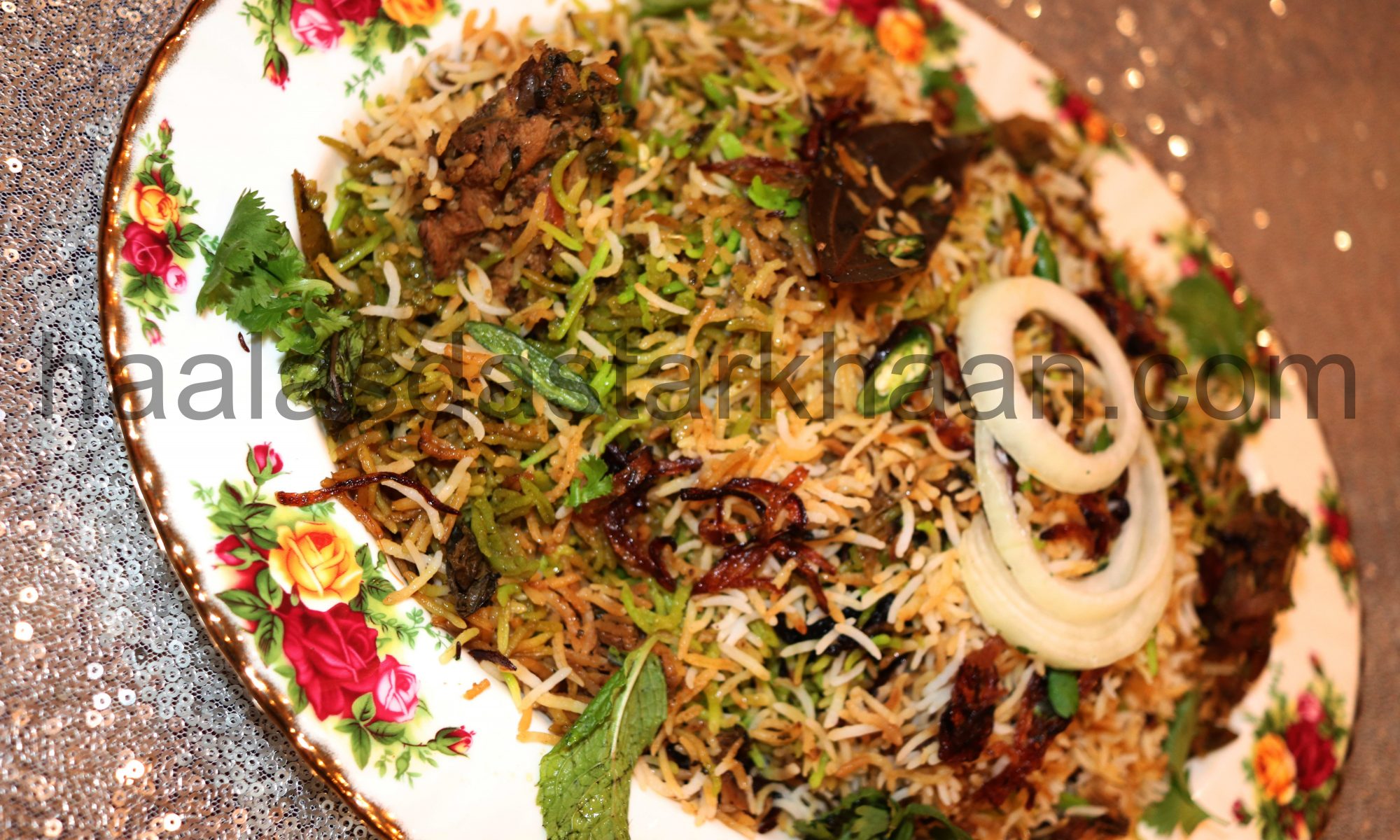
I apologize for getting a little funny before but its honestly the truth. Now, getting to the biryani part. We always serve Biryani with some accompaniment. In North India, its usually with different kinds of Raita, with a variety from plain boondi, onion, cucumber or mint. Southern part of India on the other hand serves Mirch ka salan, khatte baingan, Raita and Dalcha. Each dish is equally delicious and makes your Biryani taste even nicer.

This is my second Dalcha recipe that I am sharing. The one before was the recipe from my in laws and this one is inspired by the catering service from where we order food on family functions in Bangalore. This was a time when we ordered Dalcha instead of khatte baingan and Raita. This Dalcha was very different from what we regularly make. It was called “Shaadi ka Dalcha”. Funny but true

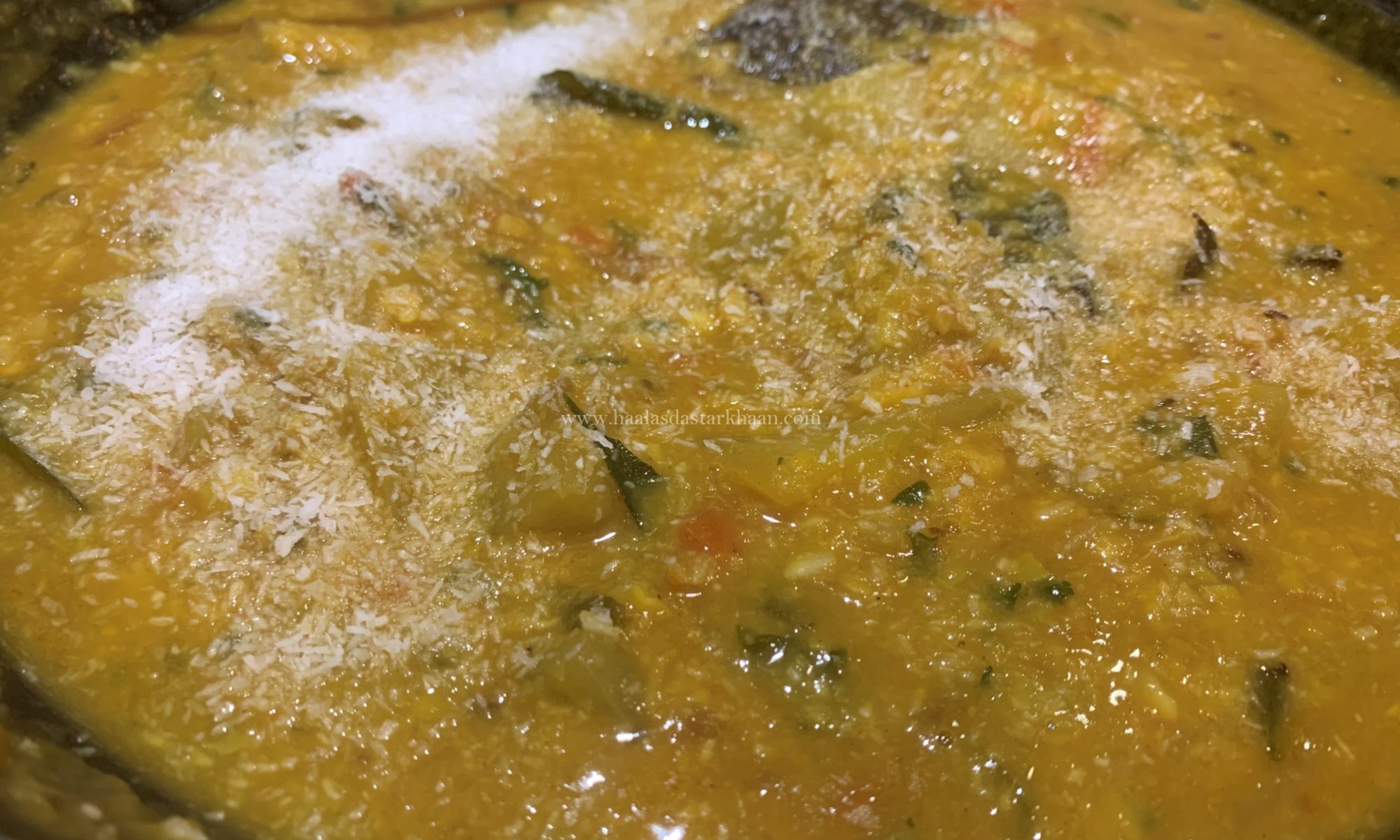
The daal wasn’t just Chana Daal but, a combination of Toovar daal and Chana daal. The daals should be soaked for an hour or two and boiled till soft. The bottle gourd should be boiled as well. When you start cooking the Dalcha, along with the regular spices, we also add fennel seeds. The fennel seeds adds a lot of fragrance to the dalcha. Adding chopped onions, tomatoes and spices make it perfect. This Dalcha does not have pureed coconut, but garnishing with dry coconut powder does add a lot of flavor.

Though Biryani in Muslim Families is a non vegetarian dish, but its always accompanied with vegetarian dishes like these ones and you might find it hard to believe but, dishes like Dalcha taste great with plain rice as well. So, if you happen to be a vegetarian, I wouldn’t suggest you to make Dalcha with Vegetable Biryani, but it would go great with Paneer Biryani or even plain Rice.

Trying different Biryanis is always great. I have shared loads of different Biryani recipes on my website, and I feel trying different side dishes with the Biryanis also makes you add a lot of variety to your cuisine. Enjoy!!!

Rice Pongal

In a world of amazing flavors and lip smacking delicious food, at time we all crave something that’s yummy, simple and easy to make. Sometimes, and trust me, with someone like me most times I am always looking around for get set go recipes.

So, the story is. Yeah, of course there is a story. Every dish simple, plain, easy, tough, but if they are made by me there are always incidents or stories that connect them to me. No idea why but there are always scenes that pass through my eyes like a movie making me remember when I first saw, or tasted this dish or why am I inclined towards making it and after that each time I make that dish along with the reactions I get is what gets stored in my mind…Weird ??? Totally…LOLzzz

So, for this simple and scrumptious dish, the story is that my Mother in law is a big fan of Pongal. After Mr. Parveez and I got married and every time I traveled to India, we would have family vacations and most of them would be not to far, for instance since we are based in Bangalore, we would always take a trip to Ooty. Now my MIL isn’t a big fan of outside food. In fact she is very precise with her orders and with time I discovered that she mainly always orders dishes that are simple, because her logic is that restaurants always keep fancy dishes stocked up, so if you like eating fresh food, always order something nutritious that barely needs time to cook. Pongal was something she could every single day without a fuss.

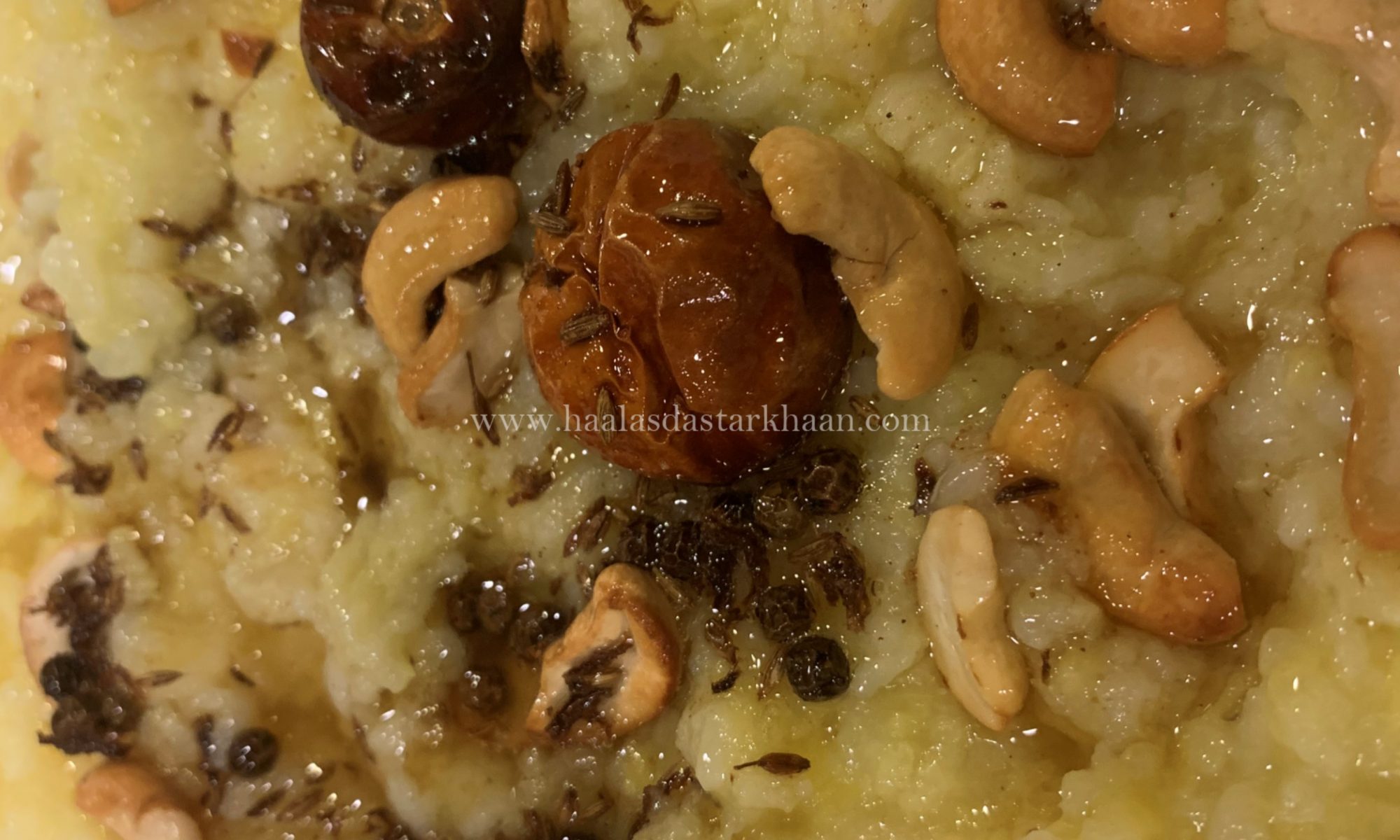
Now with Pongal, its definitely a dish that barely needs any prep time. Its simple on the tummy and since it is runny, it can be served to small children as well, just minus the fancy additions we made to our Pongal.

Masala Poori Chaat

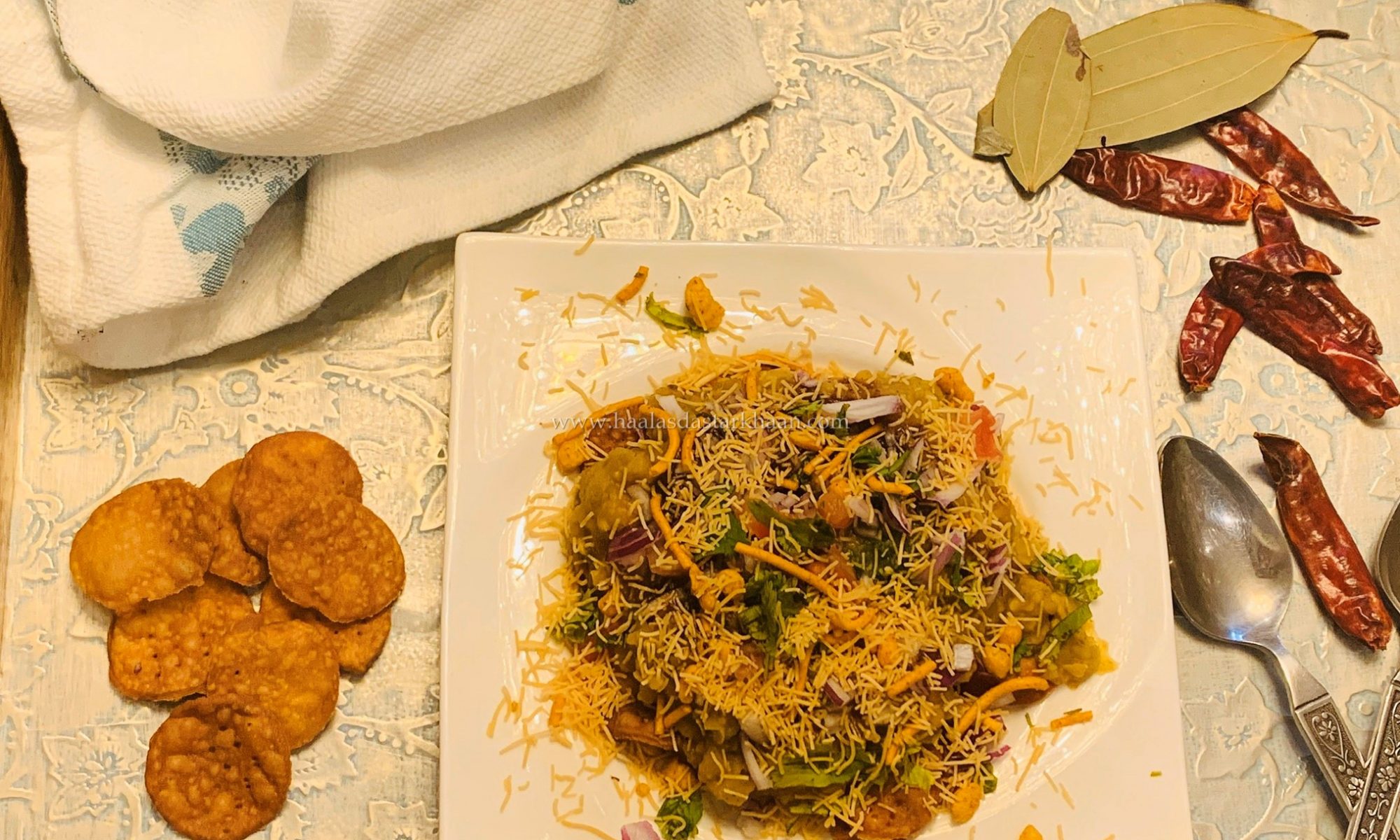
Masala Poori or Masalpoori is a popular chaat in Southern states of India, mainly Tamil Nadu, Karnataka, Telangana and Andhra Pradesh. This chaat can be made spicy and sweet, and of course the best way, which is sweet and spicy.

I think all chaats need to have “Tikhi-Meethi”, which is sweet and spicy in hindi. A chaat has to have medley of flavors that just make you happy. Chaats should make you remember and enjoy good times. See, people usually don’t realize but more than any sweet dish, chaats spread more happiness. Sweet dish is a part of every family and usually made or brought in from sweet shop every time for an occasion, big or small, sometimes not so important and sometimes made even without an occasion. But, Chaat, people mostly don’t make it at home and when they step out to enjoy their favorite chaat, its more like an event.

If you happen to be a chaat lover like us, and enjoy making them at home, this is a recipe for you. This chaat is different from all other chaats, the difference is North and South, literally. This one is more cooked, blended, mixed in and a little more effort from our regular chaats, but the end result is all worth it.

This chaat is mostly made with peas and sometimes with Chickpeas/Kabuli Chana. I have made both ways and I feel the Kabuli Chana is much better so preferred in my house, but you can always substitute and follow the same steps. Peas do not need to be soaked so you can always make this chaat in around an hour if using peas. Make sure you follow the steps of mashing and blending, the flavor would not be the same if you omit those steps. The chaat is served warm and would fill you like a meal, so I recommend it more for tea parties or chaat evenings than an appetizer. It is also a great option for Ramadan Iftaar, if you have an hour gap between Iftaar and dinner. Also, I prefer making my papdi at home, and I make it with Whole wheat flour. Nevertheless, using store bought Papdi gives exactly the same fabulous result. If you want to make yours at home, feel free to follow my recipe. You can also substitute whole wheat with All purpose flour as well.

My better half, Mr. Parveez introduced me to this chaat. It was his college days when he would be out with his friends, after college and at times bunking classes enjoying mouthful of flavors and mostly it was Masala Poori. All in all, loads of wonderful memories. Now, I can definitely bring back his wonderful carefree days, but every now and then I help him remember them with a smile by offering his favorite chaat.