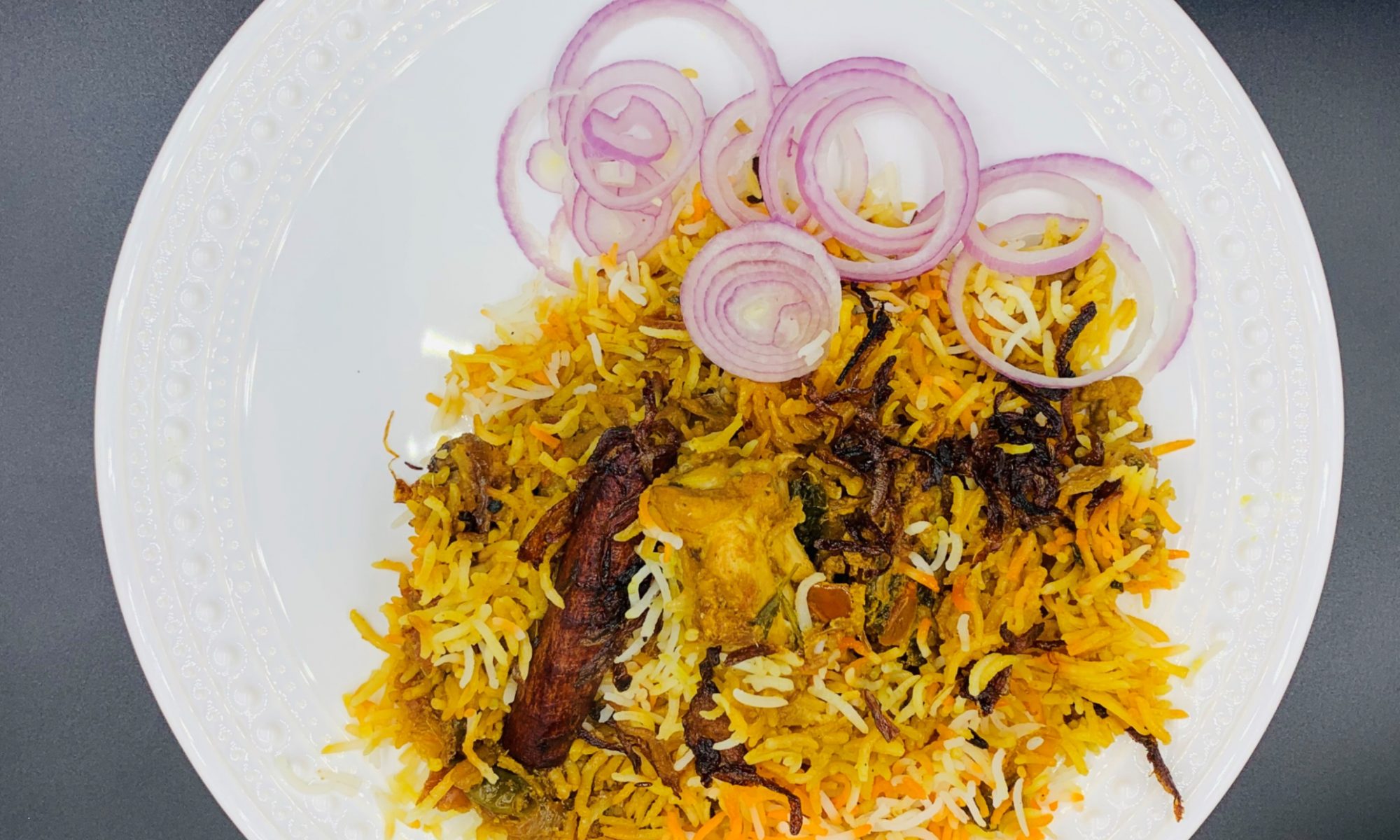
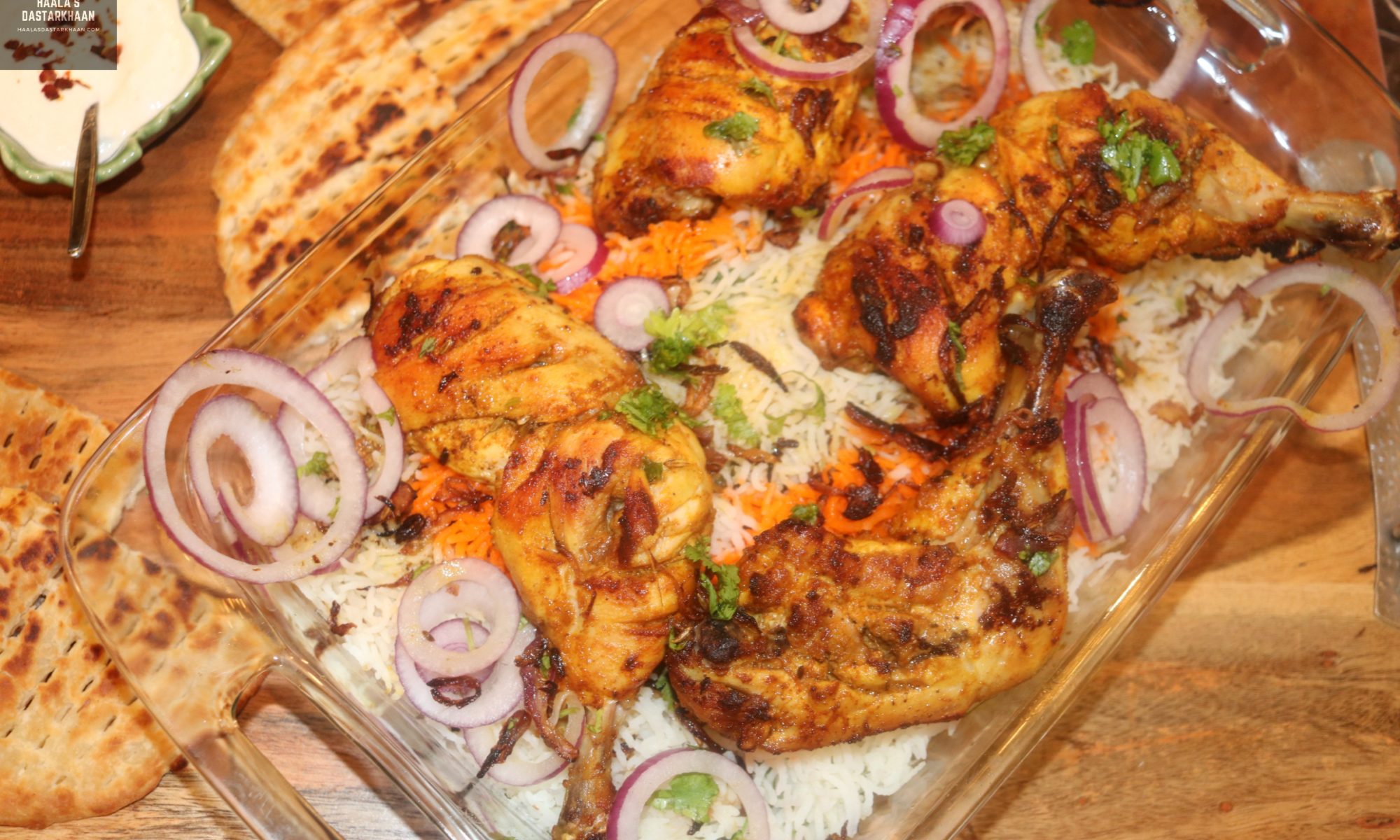
Murgh Hyderabadi Biryani

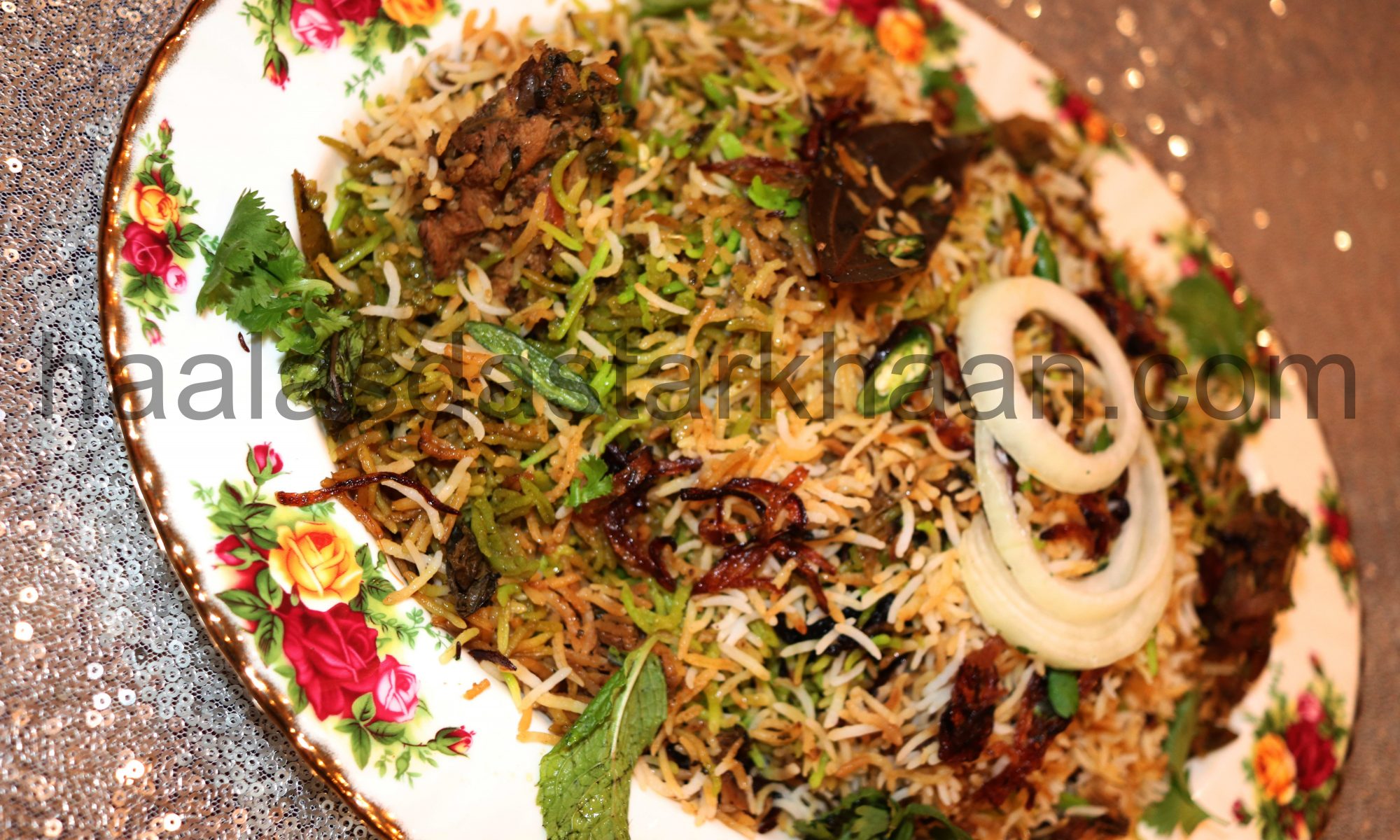
Hyderabad has numerous varieties especially when it comes to Biryanis. I have tried making a wide range of different styles of Hyderabadi Biryanis. Each one has its own distinct flavor and ingredients. I always love how beautifully the heritage of Nizams is displayed in Hyderabadi food.

The dishes are not just rich in ingredients but also the recipes show how rich the food culture has been with the Nizams. We always hear stories of how generous the Nizams were when it came to entertaining and welcoming their guests. How lavish their Dastarkhaan or tables were. The curries, Haleem, so many varieties of sweet dishes that are served with oodles of dry fruits and cooked in clarified Butter are evidence of how much effort the Nizams made their Khansamas/chefs put into food.

The Nizams were very influential. The history showcases the rich taste not just in Gems and Jewelry, but also in food. The use of Milk solids, Ghee, Dry fruits of different kinds is pretty common in most dishes. This dish has a paste of poppy seeds, cashews and coconut. Though the spice level isn’t too high, the Biryani uses a paste of green chilies and you can always increase the green chilies if you wish to make it spicier. Using Kewra with food color makes the Biryani smell rich and inviting as well. Besides that the Biryani is pretty easy to make. This dish is great for Beginners too. Enjoy!!!

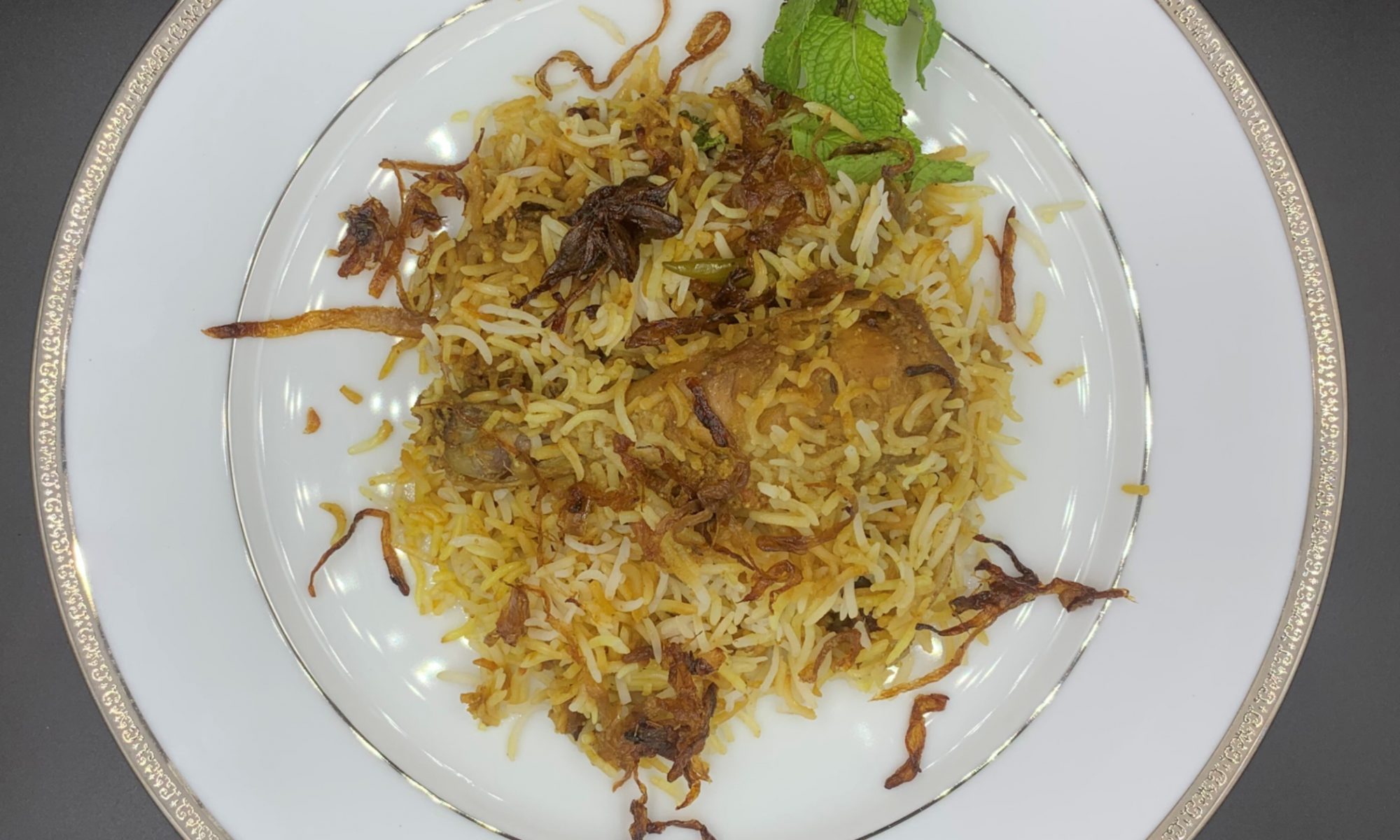
Tellichery Biryani

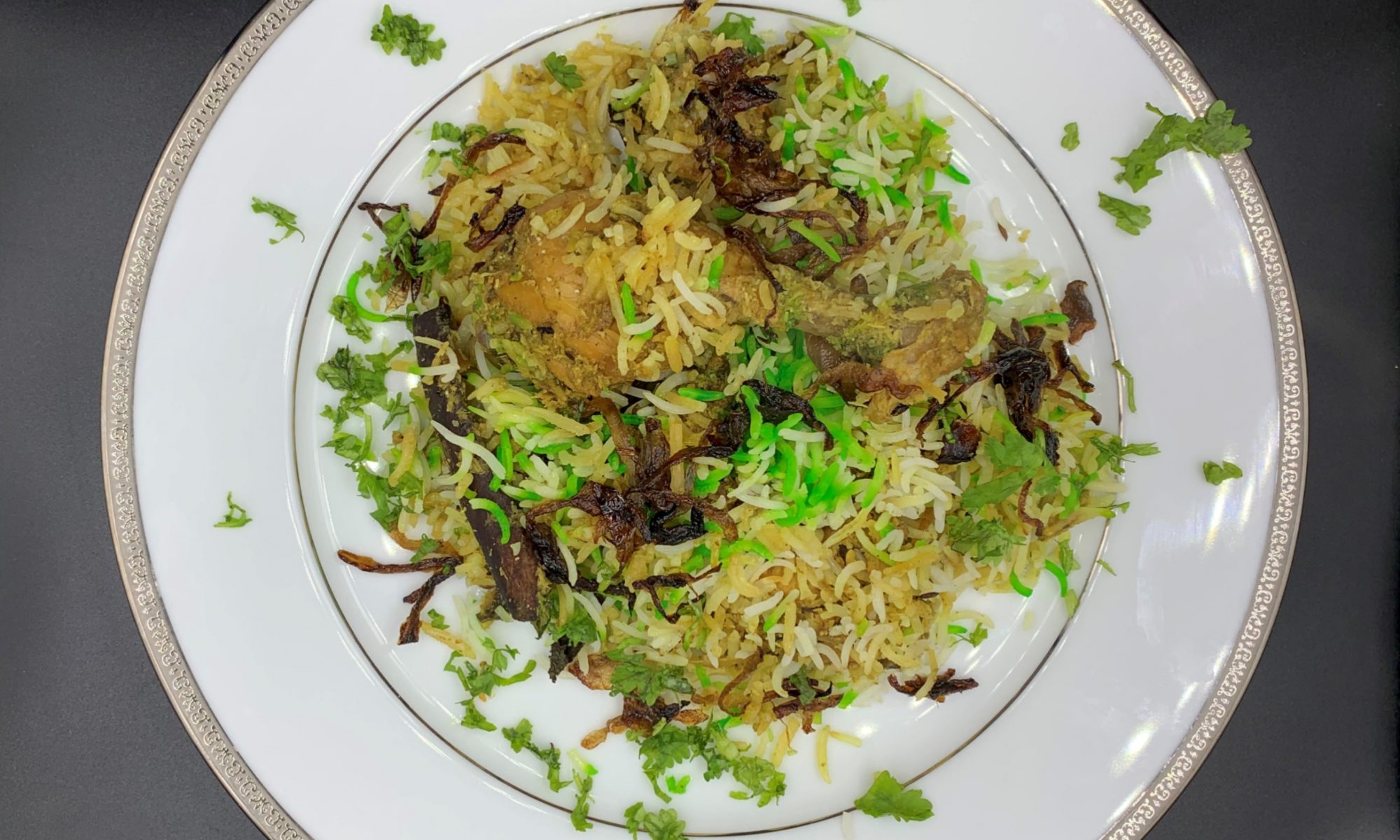
This recipe also happens to be from Kerala and is the second Biryani from this state that I tried out. Kerala is a state of distinct flavor. I know every state has their own flavors that are distinct and are easily distinguishable from the use of their local grown spices with methods of cooking different cuisines and also availability of local vegetation. Not forgetting their natural climate. Isn’t it amazing how every place has different things popular during different seasons and few things that are good to eat during all seasons. Hats off to generations before us who tried, tested and made so many different varieties of food that we just need to follow. And though, it all seems walk in the park, we still do not follow those age old recipes because we find them too time consuming in our busy lives today.

Thalassery town of Northern Kerala has a unique blend Arabian, Persian, Indian and European styles of cooking as a result as its long history as Maritime Trading Post. Tellichery is an anglicized name for Thalassery. The original name of Thalassery has been restored post Independence. Although both refer to the same place, the Tellichery Biryani is different from the Thalassery Biryani. This one is a little simpler version.

This Biryani does not use the Jeerakshala/Kaima Rice like the Thalassery Biryani and should be cooked with Long grain Basmati Rice. This recipe also displays the influence of Mughals in its flavors but seems to be slightly revised. Going through the ingredients, I do not find any ingredient that would distinguish this dish as a dish from Kerela. The recipe makes me feel that its made by some settlers who still did not adapt to the flavors of Kerela cuisine and were still new to incorporating the spice or certain ingredients to the dish. In all, this dish is great for all Biryani lovers, specially for Beginners. Therefore, if you happen to be someone new at making Biryani, this is for you. An easy, delicious and simple way of making a delicious Biryani.

Kolhapuri Chicken Biryani

Biryani is an absolute classic that needs no introduction. India offers so much on its culinary platter but the one dish Non vegetarian Indians unanimously love indulging in is the mouth-watering biryani. With local and hyperlocal variations having evolved into distinctive styles of biryanis, one is spoilt for options when it comes to experiencing this melting pot of flavors. The delicious complex blend of spices are the reason behind the love this dish gets from people of all generations.So if you are a die-hard fan of this delicious dish, take things up a notch and tease your taste buds a little more with the story of what makes biryani so extraordinary.

Though it may appear to be a dish indigenous to  India, in reality the dish originated quite far away. Biryani is derived from the Persian word Birian, which means ‘fried before cooking’ and  Birinj, the Persian word for rice. While there are multiple theories about how biryani made its way to India, it is generally accepted that its a gift to the Indian cuisine from the Mughals. Along with extraordinary skills of architecture and artillery, they also came along with the beautiful flavors of orange blossom, screw pine water and Rose water mixed with saffron and the skill of using the beautiful spices India offered with other spices from the middle east and create so many non vegetarian dishes that would make Indian/Pakistani cuisines thank them till the end of the world.

One legend has it that the Turk-Mongol conqueror, Temur, brought the precursor to the biryani with him when he arrived at the frontiers of India in 1398. Believed to be the war campaign diet of Temur’s army, an earthen pot full of rice, spices and whatever meats were available would be buried in a hot pit, before being eventually dug up and served to the warriors.

The Nizams of Hyderabad and Nawabs of Lucknow were most famous for their appreciation of the subtle nuances of biryani. Their chefs are renowned the world over for their signature dishes. These rulers popularized their versions of the biryani, which by the way, just in Hyderabad is around 20-25 varieties along with mouth watering accompaniments like mirchi ka salan, Dahi ki chutney/ Raita, khatte baingan, Dalcha and baghare baingan. All different regions in India offer different accompaniments with the Biryani that they serve.

The perfect biryani calls for meticulously measured ingredients and a practiced technique. Other than the technique, spices also play a critical role in dishing out a good biryani – some recipes call for a very limited use of spices while others use more than 15 different spices. Meat or chicken is often the main ingredient, though in some coastal varieties, fish, prawns, and crabs are also used. Use of rose water, screw pine water / kewra water in biryani is also common, a practice prevalent since the medieval era. The pot, sealed around the edges with dough, or covered with a cloth with the lid or something heavy is placed on the lid that doesn’t allow the steam to escape and for the meat to tenderize in its own juices while flavoring the rice.

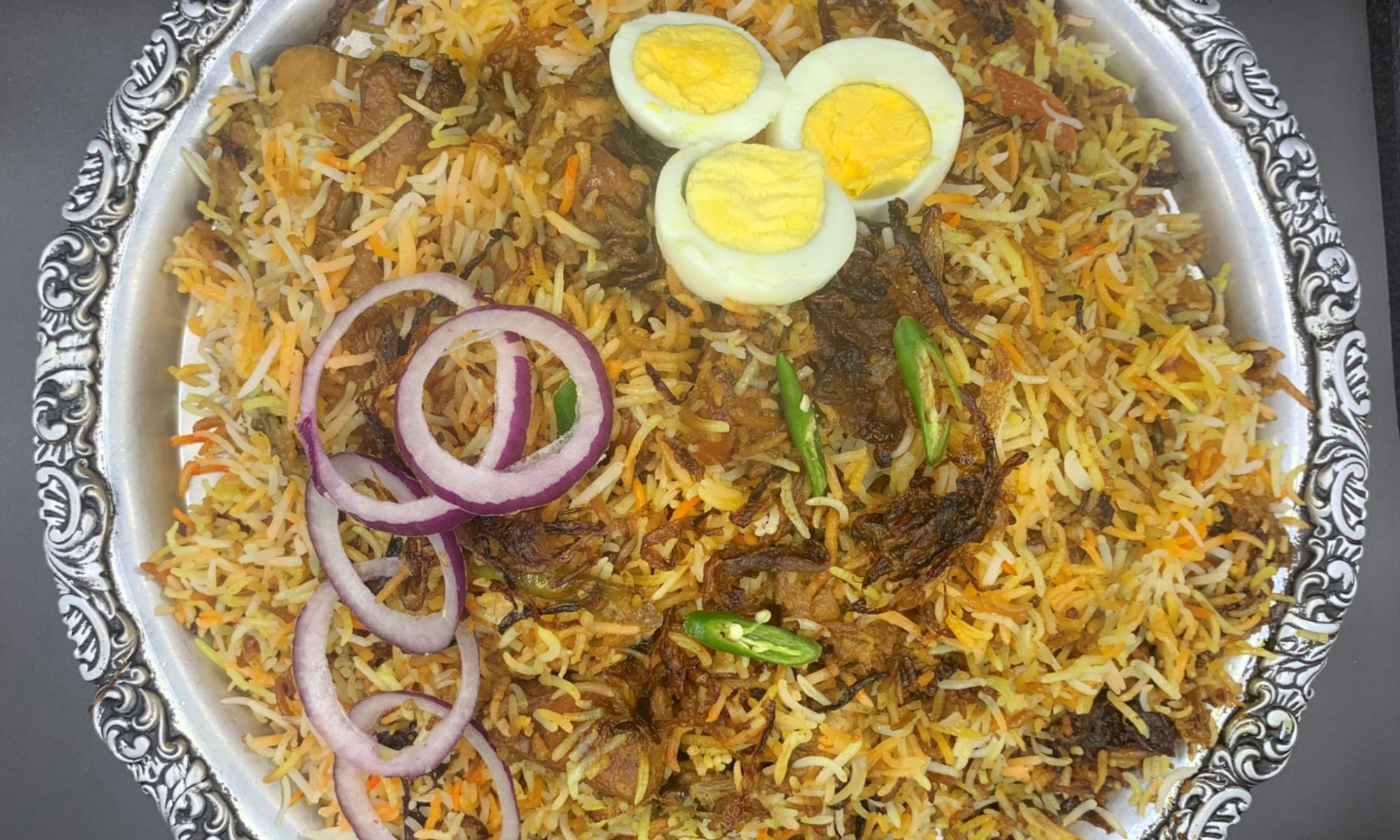
This recipe of Biryani as the name indicates is from the princely state in Southern Maharashtra, Kolhapur, also popular for its footwear. Though the original recipe also has Raisins, but I have not added them as I do not enjoy sweet with spicy in my Biryani. You can always add it if you prefer. This recipe is super spicy, since most Maharashtrian foods are spicy so this one is a little more for the daring ones. But for sure a recipe that’s a must try for any Biryani lover.


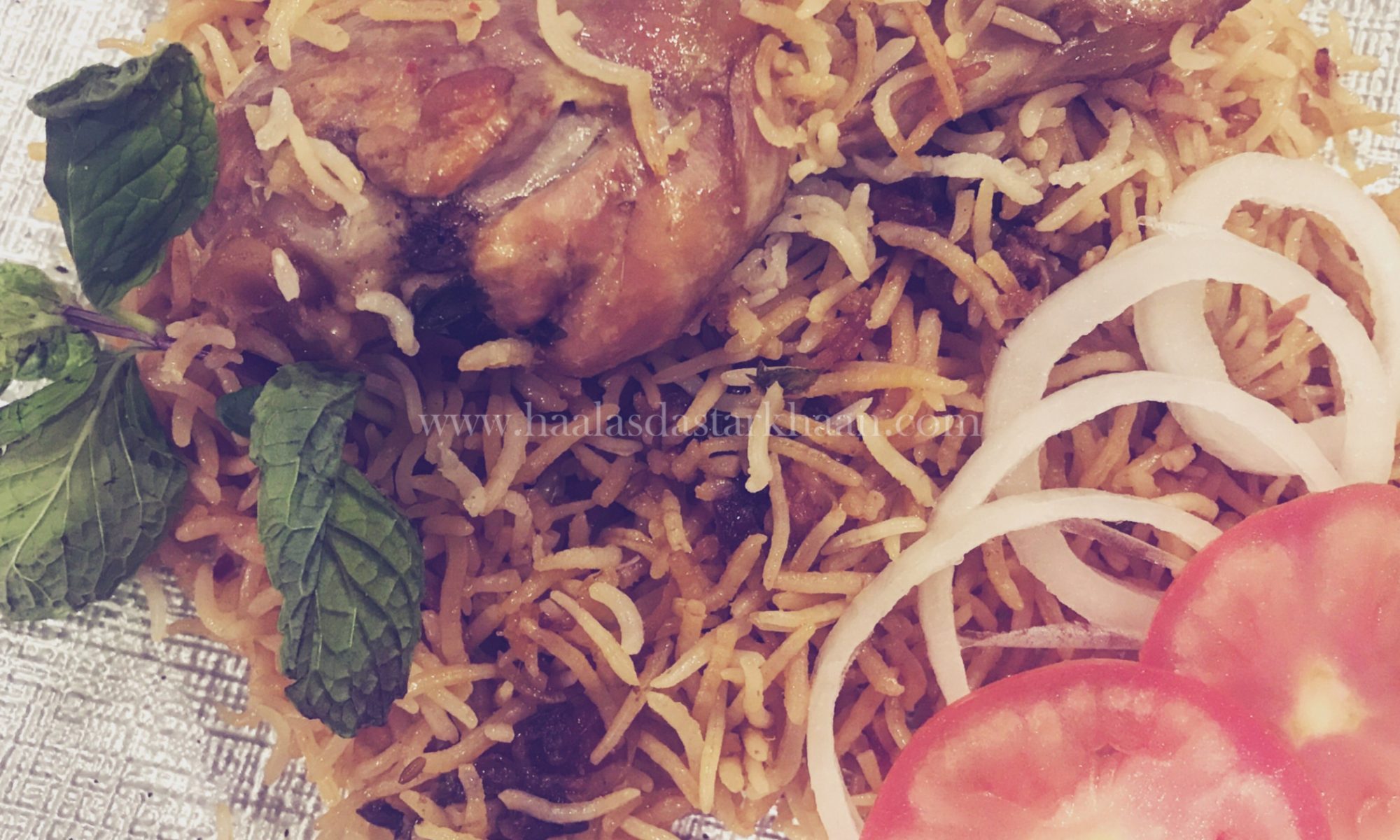
Dindigul Biryani

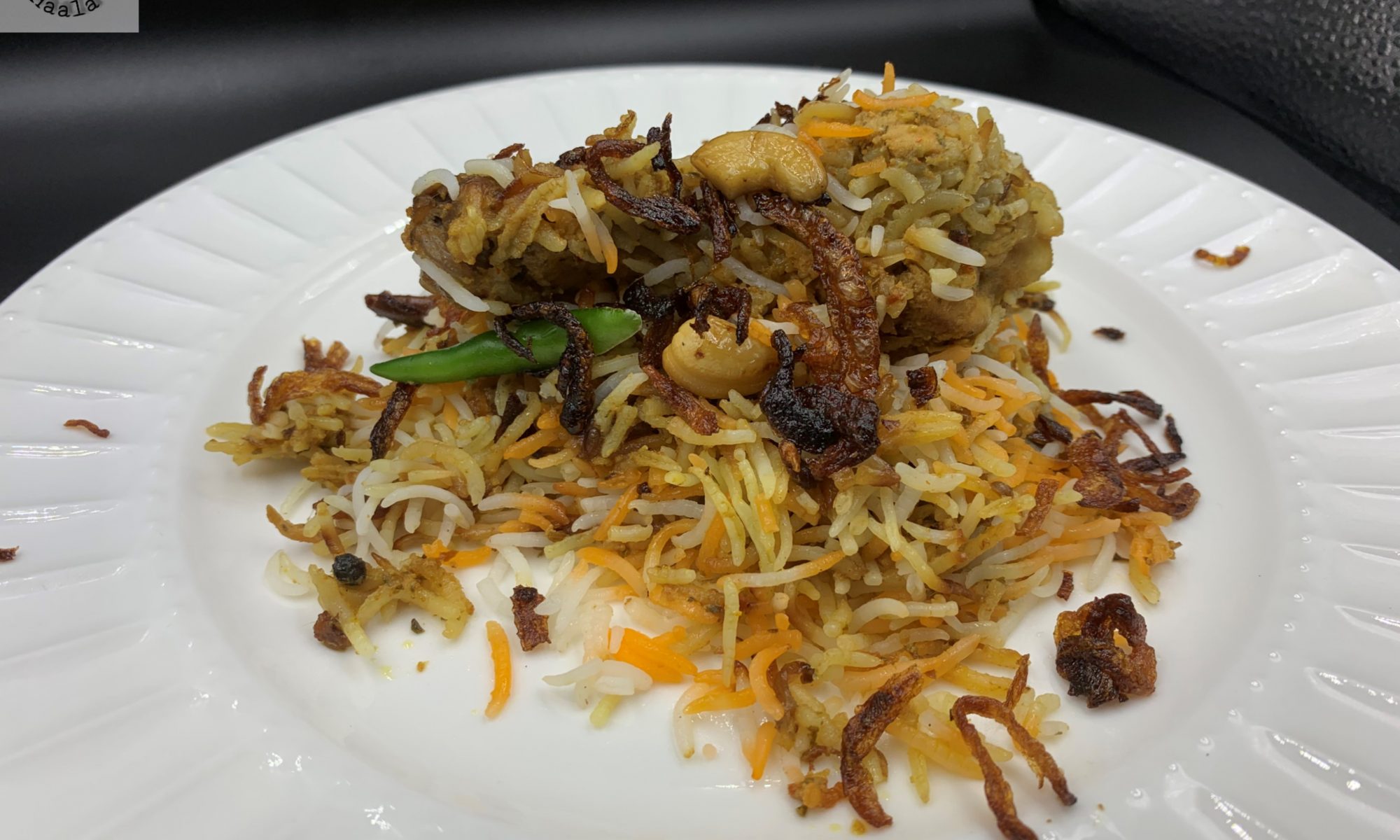
The word Biryani is derived from the Persian word Birian, which means ‘fried before cooking’ and Birinj, the Persian word for rice. There are various theories related to the origin of this scrumptious dish. Biryani originated from Persia and was brought to India by the Mughals. I love reading about the Mughal Era and its food in the history. Its amazing to read about so much variety of food flavors that they added to the Indian cuisine…. Gulab Jamuns, Jalebis, Imartis, and so many other rich desserts and numerous curries and the most amazing out of all are Biryanis…so many varieties, so fragrant, so delicious and so different from one another. The best part was that they always incorporated local spices with their Biryani recipes coming up with distinguishably different flavors each time. Each region has a completely different way of making Biryani from another. The state of Tamil Nadu has some really celebrated Biryanis, most of which have evolved in the state’s smaller towns. A beautiful example is Ambur Biryani and Salem Biryani. As the folklore says, Dindigul Biryani actually developed in a particular small restaurant, which is till date super popular for its “Dindigul Biriyani” , they spell it differently. The best thing I like about these South Indian Biryani is that the ingredients are always pretty simple, nothing fancy, nothing that requires you to urgently run to a store and despite the simplicity, the outcome is always so deliciously fancy. Enjoy!!!

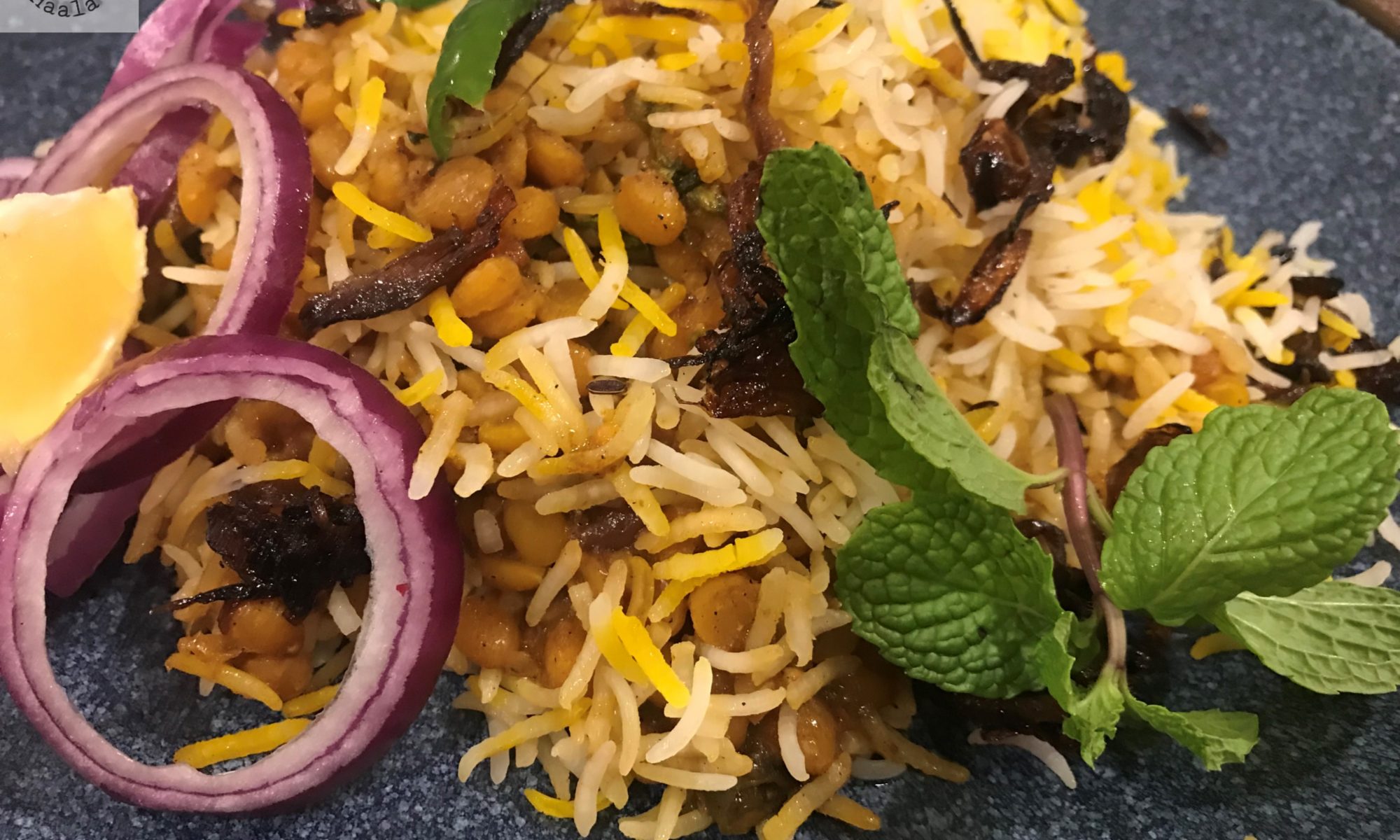
Hyderabadi Chana Daal Qabooli

Hyderabad is popular for its lip smacking food. The city of Nizams is just not popular for its gems and jewels and gorgeous buildings, but more for the food. The Hyderabadi Biryani to start with has almost 12 varieties if not more. When it comes Hyderabad and we think of food, I always tend to think of all wonderful non vegetarian dishes, Biryanis, Korma, Haleem…but we all forget that Hyderabad has a wonderful variety of Vegetarian food as well.

This delicious vegetarian Biryani has come down from the Mughals, and is made with rice and split gram lentils. In Hyderabad, its considered a fancy dish and is a great vegetarian option in place of Biryani.

Qabooli is biryani made with spicy chana dal (split pea lentil) and layered with basmati rice. This Chana daal qabooli is very different in flavor and aroma, which combines the pungency of spices, the tanginess of Yoghurt and richness of saffron. It turned out quite tasty and lip smacking. This is a filling and delicious dish that is great to make when you have company. This vegetarian version of Biryani can be made on festival day or even include it in a party menu as well. Enjoy!!!

Curd Rice

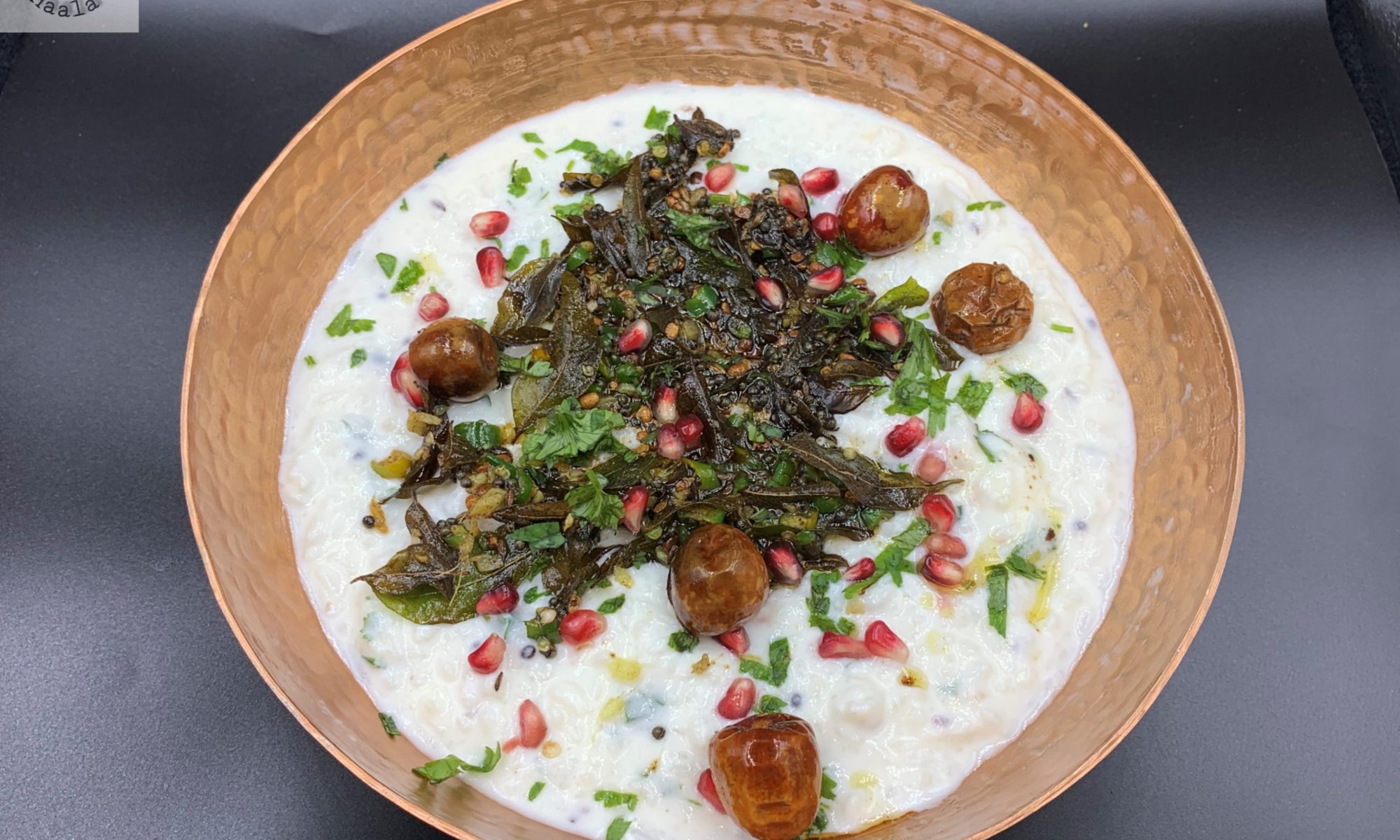
Curd Rice is a meal from Southern part of India. It’s full of probiotic goodness and cooling properties , just the kind of meal you need when you want something simple, easy to digest, fast track food and a nutritious meal. Curd Rice is a creamy and traditional preparation of soft pre-cooked rice and thick yogurt all combined together and crowned with a South Indian style tempering.

Curd Rice is a gluten-free, savory Indian dish prepared with yogurt and pre-cooked rice. For the flavor, it is often tempered with ghee, mustard seeds, urad daal, ginger, asafoetida, cumin seeds, curry leaves, green chilies and dry red chilies.

Curd Rice is great for digestion, since the good bacteria in the yoghurt/ curd may help the body digest food easier and smoother. For generations, in South India, this has been the cure for an upset stomach or gastric issues including constipation and bloating. This dish also happens to have a milder version made with thinner curd or even buttermilk and is excellent for fighting acid reflux. Curd rice balances out the internal temperature of your body and is an excellent coolant during the hot summer months. Since it is served cold, one can almost immediately feel the respite from blazing temperatures even externally, before the nutrients begin to break down in one’s system. This is relatively low in calories and can still be eaten by itself as a meal and is quite filling, you can include this in your low-calorie diet as a menu choice.

All you need for this simple preparation is boiled rice, I usually throw away the water, but you are free to add less water in boiling the Rice and let the Ric soak it all up. Just make sure you use small grained Rice, as its a better option when it comes to over cooked and mushed up Rice. Basmati Rice is better with Biryani and Pulao. The Rice needs to be at Room Temperature, so make sure you give it at least an hour on a wide dish so it cools down completely. You can also use leftover steamed rice for making the dish. If using leftover cooked rice, add a tiny amount of water and mash it to a soft consistency (like broken wheat consistency). Soft rice that is overcooked or slightly mushy is perfect for making creamy curd rice.

 Full-fat Yoghurt is great if you want super soft and creamy curd rice, but you can use low-fat Yoghurt as well. Although the traditional Curd Rice is cooked with slightly sour Yoghurt, but I prefer the regular one.

 The tempering for the Curd Rice is a typical South Indian style packed with cumin seeds, mustard seeds, urad dal/ chana dal, curry leaves, ginger, green chilies, whole dry red chilies, and a pinch of asafoetida (aids in digestion). You can mix grated carrot or pomegranate as well in your yogurt rice for that extra crunch and freshness.

It is always ideal to combine chilled yogurt and room temperature rice to make creamy and delicious yogurt rice. If hot rice is combined with curd, it affects the nutritional properties of yogurt, and the digestion problems are bound to happen. Also, the curd might turn sour after mixing the hot rice. Hence, it is best to enjoy yogurt rice cold or at least room temperature.

Salem Biryani

 The word Biryani is derived from the Persian word Birian, which means ‘fried before cooking’ and Birinj, the Persian word for rice. There are various theories related to the origin of this scrumptious dish. Biryani originated from Persia and was brought to India by the Mughals.

I love reading about the Mughal Era and its food in the history. Its amazing to read about so much variety of food flavors that they added to the Indian cuisine…. Gulab Jamuns, Jalebis, Imartis, and so many other rich desserts and numerous curries and the most amazing out of all are Biryanis…so many varieties, so fragrant, so delicious and so different from one another. The best part was that they always incorporated local spices with their Biryani recipes coming up with distinguishably different flavors each time. Each region has a completely different way of making Biryani from another.

The state of Tamil Nadu has some really celebrated Biryanis, most of which have evolved in the state’s smaller towns. A beautiful example is Ambur Biryani. As the folklore says, Salem Biryani actually developed in a particular small hotel, a military hotel to be precise. Its funny but most of the restaurants serving Non vegetarian Biryani in Tamil Nadu are referred to as “Military Hotel”.

The best thing I like about these South Indian Biryani is that the ingredients are always pretty simple, nothing fancy, nothing that requires you to urgently run to a store and despite the simplicity, the outcome is always so deliciously fancy.

Shikari Chicken Rice

This is an invention by only hearing about the dish…Yeah I know I can go nuts when it comes down to trying to make a new dish. This happens to be one that I really planned out well and craved to make it.

Like I always say, every dish has a story. This one has one too. While speaking to a close friend about different Biryanis that we get at famous and not so famous eateries in India, I was told that a popular restaurant served something that was close to Biryani, but not Biryani. That really got my interest. Giving me further details, that its mildly flavored bed of Rice served under these awesomely juicy grilled chicken. I mean who wouldn’t want to act on this description and try and make it. It’s actually not just the details of the dish, but the way it was described and the fact that it topped the list of Chicken and Rice. I had not even seen the dish, yet I was head over heels in love with the dish and felt challenged to make it.

When you are aware of a dish, you tend to study it by searching about different chefs who have made it or by trying the dish out at different restaurants or even making the dish a couple of times to achieve the desired flavor or result. But when its a dish, you have never heard of until now, tried, seen or tasted, and you crave to cook it, you are definitely a crazy chef…LOLzzz. I think I fit the bill.

So, I am not aware of the Chicken served is with bones or without, but going according to my Biryani basics, I picked Chicken with Bones and marinated the chicken with spices and Yogurt for around 2-3 hours. Though my chicken came out delicious, I still recommend that a chicken is more flavorful if marinated overnight or for at least 6-8 hours, though in today’s time and age, things happen unplanned and we have a little time before we decide what we need to cook. For all those times, marinate, cover, and place the chicken in the refrigerator. Refrigeration helps blend the flavors faster and better. Once I was ready to cook them, I took them out of the refrigerator and preheat the oven to 400F or 180C. I placed them on the grill with a tray underneath to catch the dripping. The cooking time was around 25-30 minutes, with an extra 5 minutes of high heat grill, since I wanted them to look well done. If you want, you can cook them in the oven and do the latter process in a pan, or on naked fire. Any which way will give you great outcomes.

I made a gravy as well to spike up the layers of Rice. The gravy was made very similar to Biryani Yakhni shorba. For initial whole spices, I added fennel seeds along with cinnamon, cloves, green cardamom, and cumin seeds. I further fried the onions, taking half of it out for garnishing and using them while layering the Rice. That was followed by Ginger garlic paste and spice powders. Further adding tomatoes and Yogurt, combined with green chilies, mint leaves, and coriander leaves. I also added the marination left behind after the chicken is taken out, so it gets a little flavor from the chicken as well since we aren’t cooking the chicken in the gravy.

This is a lovely recipe for a weekend Brunch or to display your cooking skills to those uninvited guests, when you don’t want to spend too much time in the kitchen. It’s a pretty quick fix to traditional Biryani and modern-day Chicken over Rice. One of my self invented and the best recipes ever…Enjoy!!!

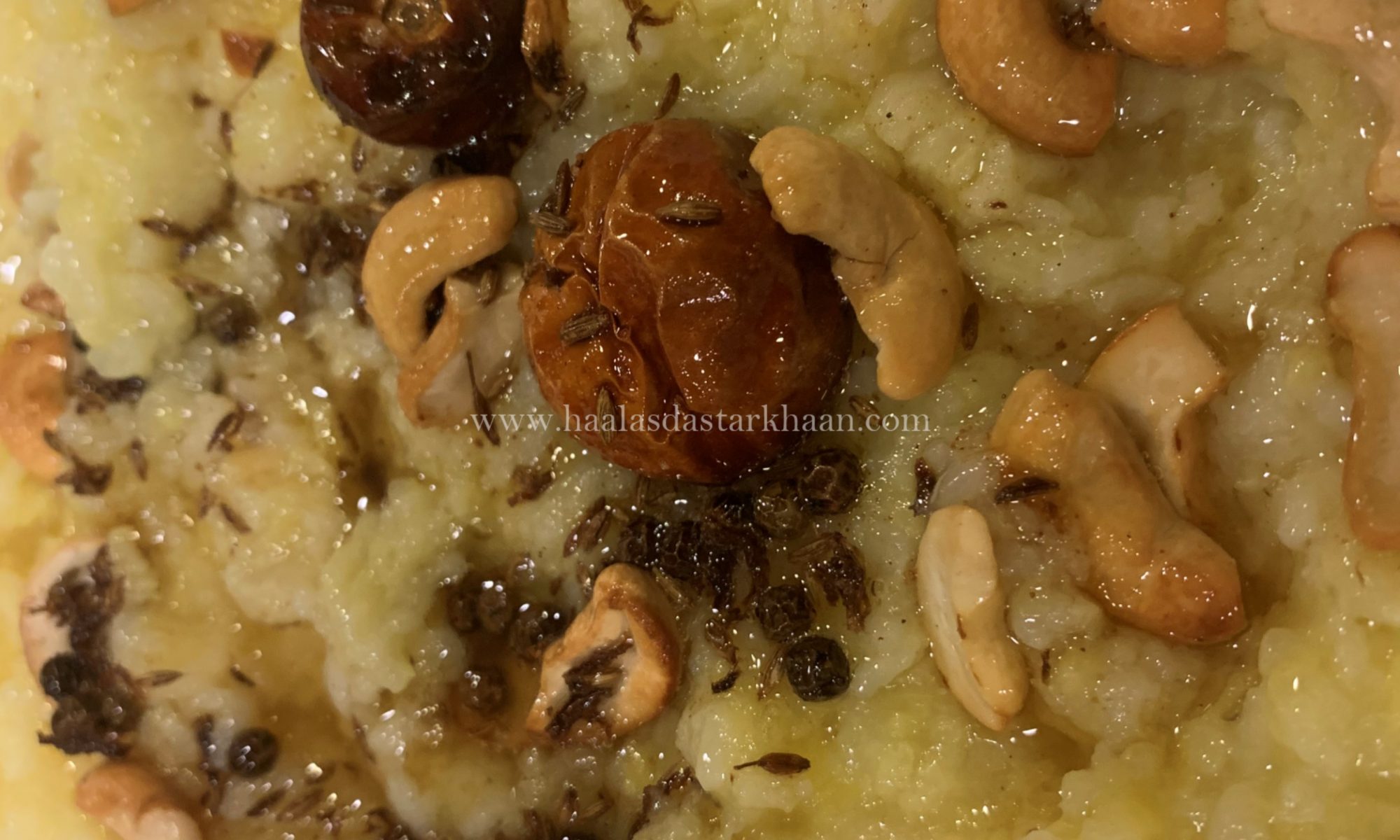
Rice Pongal

In a world of amazing flavors and lip smacking delicious food, at time we all crave something that’s yummy, simple and easy to make. Sometimes, and trust me, with someone like me most times I am always looking around for get set go recipes.

So, the story is. Yeah, of course there is a story. Every dish simple, plain, easy, tough, but if they are made by me there are always incidents or stories that connect them to me. No idea why but there are always scenes that pass through my eyes like a movie making me remember when I first saw, or tasted this dish or why am I inclined towards making it and after that each time I make that dish along with the reactions I get is what gets stored in my mind…Weird ??? Totally…LOLzzz

So, for this simple and scrumptious dish, the story is that my Mother in law is a big fan of Pongal. After Mr. Parveez and I got married and every time I traveled to India, we would have family vacations and most of them would be not to far, for instance since we are based in Bangalore, we would always take a trip to Ooty. Now my MIL isn’t a big fan of outside food. In fact she is very precise with her orders and with time I discovered that she mainly always orders dishes that are simple, because her logic is that restaurants always keep fancy dishes stocked up, so if you like eating fresh food, always order something nutritious that barely needs time to cook. Pongal was something she could every single day without a fuss.

Now with Pongal, its definitely a dish that barely needs any prep time. Its simple on the tummy and since it is runny, it can be served to small children as well, just minus the fancy additions we made to our Pongal.

Ambur Biryani

Ambur, nestled in the Vellore district of northern Tamil Nadu, is renowned for its signature biryani, a dish that has become emblematic of the region’s culinary identity. What sets Ambur Biryani apart is its use of zeera samba rice—a short-grain, aromatic variety known for its ability to absorb flavor while maintaining a firm texture. Unlike the long-grain basmati used in many other biryanis, zeera samba gives Ambur Biryani its distinctive mouthfeel and subtle fragrance.

🍽️ A Glimpse into Ambur Biryani’s Origins

  • Historical Roots: The dish traces back to the Nawabs of Arcot, whose kitchens blended Mughal techniques with local ingredients. Some stories suggest that Mughal soldiers, craving biryani while stationed in the south, adapted their recipe using available spices and zeera samba rice.
  • Regional Spread: Though Ambur is the epicenter, neighboring towns like Vaniyambadi also share this biryani tradition, each adding its own nuance.
  • Flavor Profile: Ambur Biryani is known for being moderately spiced, with a curd-based gravy and a higher meat-to-rice ratio. It’s often served with dalcha, khatte baingan, or raita, making it a complete and satisfying meal.

Ambur & Vaniyambadi Biryani: A Legacy of Flavor

Ambur and Vaniyambadi, neighboring towns in the Vellore district of northern Tamil Nadu, are known not just for their leather craftsmanship—but for a biryani that has become iconic across South India. With a significant Muslim population and a rich culinary heritage, these towns gave rise to a style of biryani that’s both humble and unforgettable.

The dish is believed to have been introduced by the Nawabs of Arcot, whose royal kitchens blended Mughal techniques with local ingredients. Another story suggests that Mughal soldiers, stationed in the southern region, longed for the biryani of their homeland. With limited access to familiar spices and basmati rice, they adapted the recipe using zeera samba rice—a short-grain variety native to Tamil Nadu, known for its ability to absorb flavor while retaining texture.

📺 A Friday Tradition, A New Flavor

As most of you who follow me know, I have a soft spot for trying new biryani recipes. It’s become a bit of a ritual—every Friday, without fail, I cook biryani for dinner. It’s my way of ending the week with warmth, aroma, and a plate full of comfort.

One Friday morning, while watching an Indian TV channel, my husband, Mr. Parveez, spotted a segment on a restaurant serving Ambur Biryani. Intrigued by its unique style and regional roots, he couldn’t resist. I was out grocery shopping when my phone buzzed with a FaceTime call from his office.

Baccha, can you look up Ambur Biryani and make that today?” I smiled. Of course I could. That’s the beauty of biryani—it’s endlessly adaptable, and every version carries a story. That day, Ambur Biryani became ours.

🍽️ A Pleasant Surprise in the Aisles

While I’m always up for trying something new, I’ll admit—having to rearrange my shopping list last-minute can throw me off. So when Mr. Parveez requested Ambur Biryani on a Friday morning, I braced myself for a bit of a scramble.

To my surprise, the recipe didn’t call for anything fancy. In fact, I had everything I needed right at home. No exotic ingredients, no elaborate prep—just honest, flavorful cooking. It was so straightforward that after finishing, I double-checked the recipe to make sure I hadn’t missed a step!

Ambur Biryani turned out to be not only easy to make, but a true crowd-pleaser. If you’re a biryani lover like me, this one’s a must-try. It’s proof that sometimes, the simplest dishes carry the richest stories.