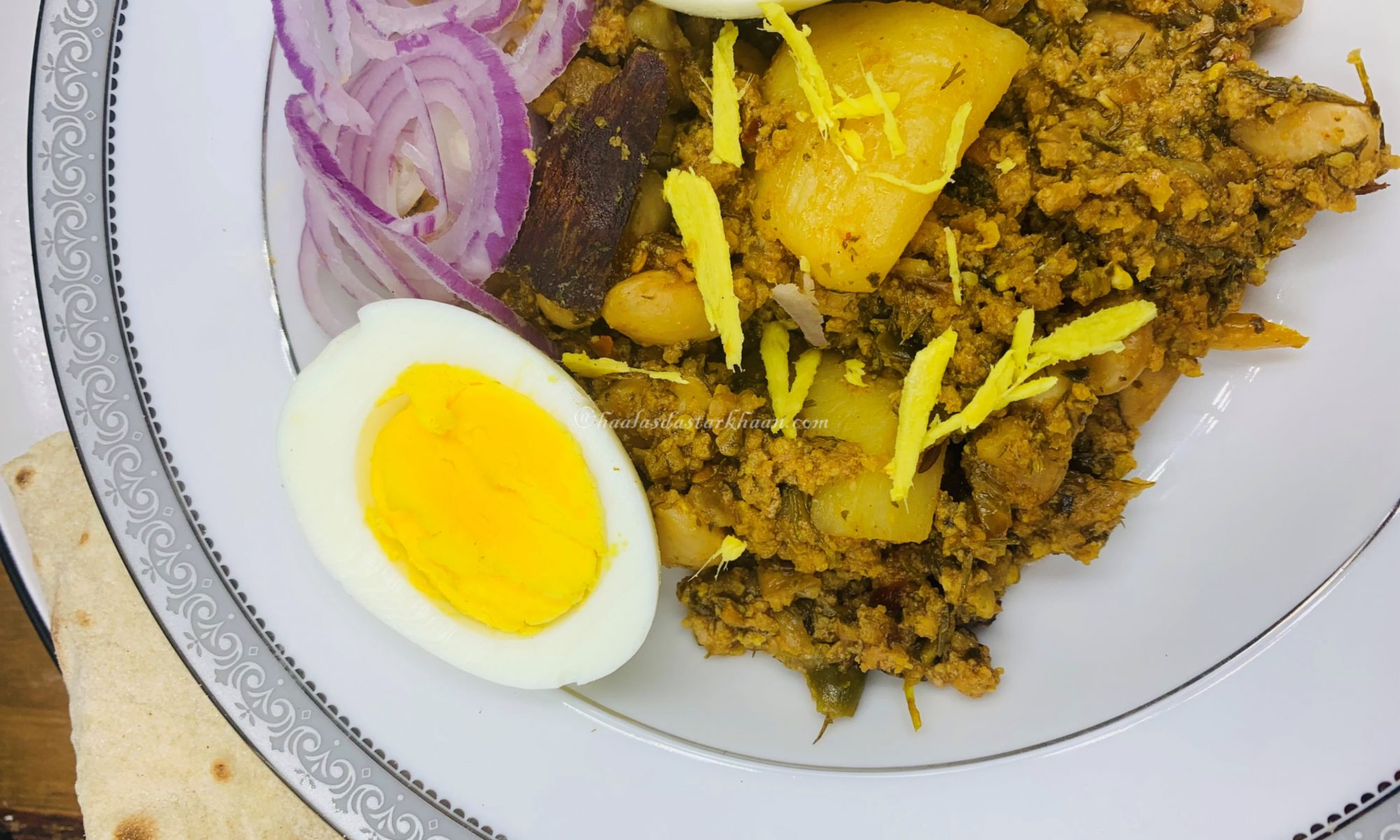
Bangalore Muslim Kheema

Kheema curry can be prepared in countless ways, each region and family giving it a personality of its own. Growing up in Rajasthan, the kheema I knew was always my mother’s — simple, comforting, and almost always reserved for picnics and long road trips. She would typically make Kheema with aaloo (potatoes) or Kheema with matar (peas). What I never saw in her kitchen was a version loaded with multiple vegetables together.

I do remember her mentioning that my grandmother liked adding cauliflower to kheema, though I don’t recall ever tasting it myself. And to be honest, I’ve never attempted it either — mostly because Mr. Parveez isn’t a fan of cauliflower. Some culinary traditions quietly skip a generation, especially when family preferences step in.

Then there were the unforgettable versions from our travels. In Old Delhi, near the Jama Masjid area, we would wake up early just to enjoy a hearty breakfast of kheema served with hot tandoori roti. Sometimes it would be accompanied by nahari or paaye — rich, slow-cooked dishes that could turn any ordinary morning into something special. Another favorite that captured my heart was Mumbai’s Kheema Paav, with its slightly tangy tomato base, often made with chicken, and served with buttery toasted buns. Those breakfasts are memories I still cherish, and recipes for both the kheema and the paav will be coming soon.

But the recipe I’m sharing here is completely different from all of those. This one comes from Mr. Parveez’s family — a style of kheema commonly prepared in many Bangalore Muslim homes. Passed down from his mother, we fondly call it “Ammi wala Kheema,” because it carries her unmistakable touch and warmth.

The preparation begins with finely chopped onions slowly sautéed in oil or ghee along with fragrant whole spices. Ginger-garlic paste follows, then the goat kheema, ground spices, and tomatoes. What truly sets this version apart, however, is the generous addition of vegetables — potatoes, beans, fresh fenugreek leaves, and dill leaves — all simmered together until the flavors meld beautifully. The herbs add a depth and freshness that makes this dish both hearty and uniquely aromatic.

Although it’s traditionally enjoyed as a breakfast dish, this kheema is wonderfully versatile. It tastes just as delicious for lunch or dinner, served with roti, bread, or even rice. Comforting, wholesome, and deeply rooted in family tradition, this “Ammi wala Kheema” is more than just a recipe — it’s a piece of home on a plate. 🍲✨
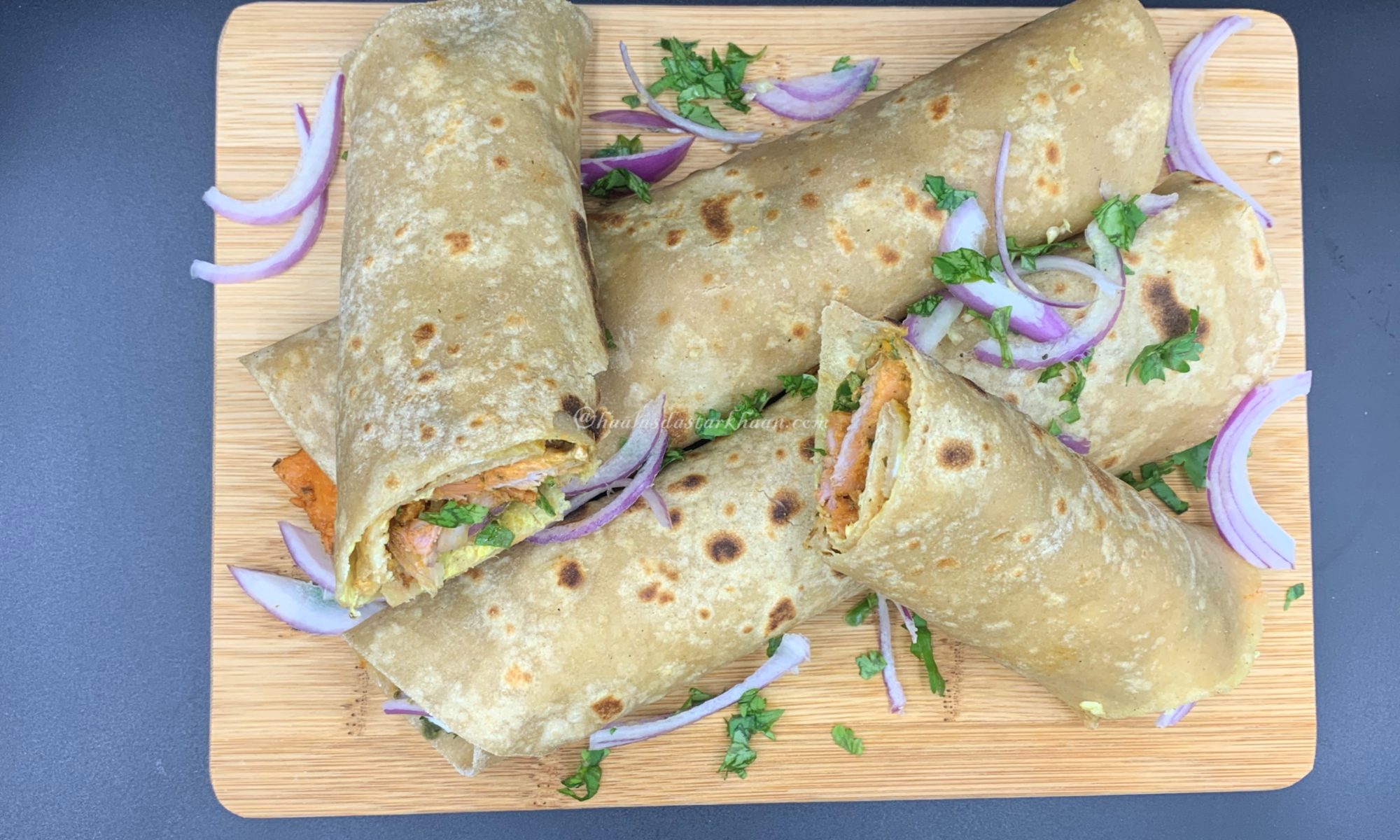
Kolkata Chicken Roll

Chicken rolls have always been a favorite in our home. Those of you who follow my blog know how much I love wraps of all kinds — whether it’s a classic chicken roll, a burrito, or tacos. I think this love goes back to my mom. During one of her trips to Mumbai, she tasted Mutton Tikka Boti Rolls at a Parsi eatery and later recreated them at home. They were an instant hit with the entire family, and from that point on, rolls became a regular comfort food for us.

So when I came across pictures of the famous Kolkata Chicken Roll, I knew I had to try making it. The flavors sounded irresistible — bold, layered, and packed with personality. From everything I’ve read, it’s one of Kolkata’s most iconic street foods, loved for its rich taste and satisfying simplicity. Although I’ve never visited Kolkata, there’s something about its food culture that deeply attracts me. Some places just connect with you through their cuisine, even from afar.

Recipes like this are wonderfully fuss-free and incredibly practical. For those of us living far from our home country, food becomes a powerful way to stay connected to our roots. At the same time, dishes like these are perfect for kids — easy to eat, nutritious, and ideal for busy days or meals on the go.

I grew up loving my mom’s Tikka Boti Rolls. She initially made them with mutton, but later switched to chicken as well, and I adored both versions. I’ve always appreciated recipes that travel well — perfect for road trips, long drives, or those moments when hunger strikes and stopping isn’t an option. Not every journey allows for leisurely restaurant breaks, and sometimes you’re just stuck in traffic after a game or a long day. That’s when homemade rolls like these truly shine — convenient, filling, and deeply satisfying.

For this version, I marinated boneless chicken with salt, ginger-garlic paste, lemon juice, and yogurt. The spice blend includes dried fenugreek leaves, tandoori masala, red chili powder, cumin powder, and fennel powder, creating a beautifully aromatic base. The chicken can be marinated overnight for deeper flavor, but even a quick 30–45 minute marinade works well when time is short.

This recipe may not be an exact replica of the rolls you’d find on the streets of Kolkata, but after many trials and countless variations, this is the version I keep coming back to. One element I borrowed from my mom’s technique is spreading a thin layer of beaten egg onto the roti and cooking it before adding the filling. I’m not entirely sure how this differs from traditional Kolkata egg rolls, but I do know that it adds richness, texture, and a wonderful depth of flavor.

Ultimately, this recipe is a blend of influences — my mother’s cooking, flavors I’ve loved over the years, and my own experiments in the kitchen. The result is a chicken roll that feels both familiar and new, comforting yet exciting.

I hope you try it, enjoy it, and share it with your loved ones — just as my family and I do. 🌯✨

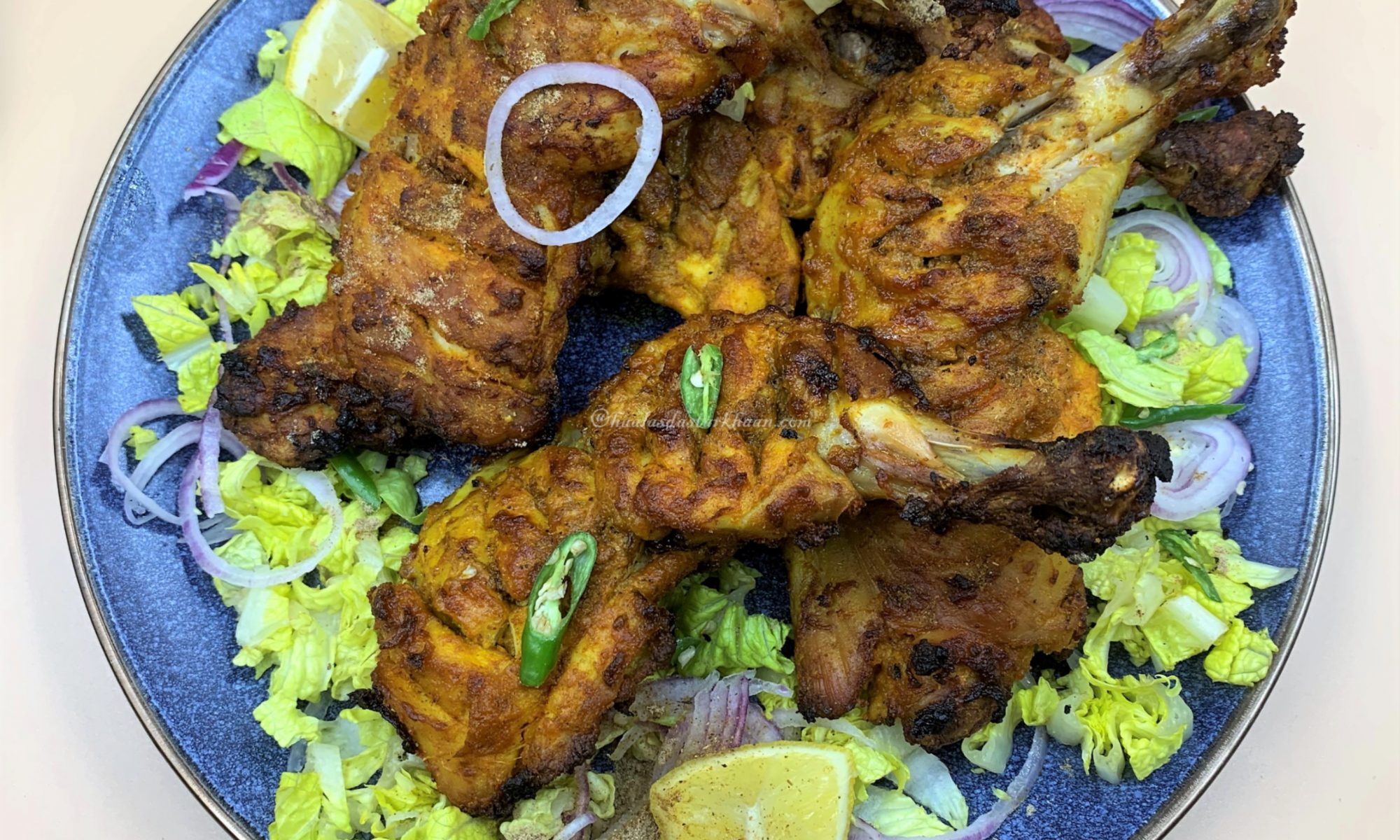
Murgh Darbari Tangdi Kebab

As the name suggests, this recipe traces its inspiration to the grand culinary traditions of the Mughal era — a time when food was not merely sustenance, but an art form. It is often believed that dishes like these may have been favorites in the royal courts of Emperor Akbar, where elaborate kitchens produced some of the most refined cuisines the Indian subcontinent had ever seen.

Exploring the history behind such recipes is just as fascinating to me as cooking them. Many of the whole spices we now consider inseparable from Indian cuisine — cinnamon, bay leaves, cardamom, cloves — became widely popular during the Mughal period. These were blended with indigenous ingredients already present in India, such as turmeric, chilies, and coriander, giving birth to deeply layered flavors that still define much of North Indian cooking today. The result was not just new dishes, but entirely new culinary traditions — kebabs, kormas, rich gravies, and the many forms of biryani we enjoy today.

What makes this period especially remarkable is the cultural exchange it fostered. The Mughal courts brought together Persian, Central Asian, and Indian influences, creating food that was luxurious yet rooted in local tastes. Many of the dishes we now call “classic” were, in essence, early forms of fusion cuisine — long before the term existed. Acceptance, adaptation, and creativity combined to produce flavors that have endured for centuries.

Kebabs themselves are often considered a gift from the Middle East to the wider world. Over time, they evolved in countless regional styles across India, each with its own spice balance, cooking method, and personality. Whether grilled over open flames, cooked on skewers, or pan-seared, kebabs remain one of the most beloved expressions of this culinary heritage.

The Mughal era also left a profound mark beyond food — in architecture, art, language, and cultural traditions. For me, it represents a time when diverse influences came together to create something enduring and beautiful. In India, food has always been a powerful bridge between cultures, religions, and communities. Festivals are shared, kitchens are opened to neighbors, and meals become celebrations of togetherness. It’s a reminder that cuisine is not just about ingredients, but about people, memories, and shared experiences.

Historical accounts suggest that Emperor Akbar had an exceptional appreciation for fine food, and the royal kitchens prepared an extraordinary range of vegetarian and non-vegetarian dishes tailored to his tastes. Queen Jodha is also said to have taken a keen interest in culinary matters, ensuring that meals reflected both royal grandeur and personal preference. While exact recipes from that era are rarely documented in detail, they offer enough clues to inspire modern recreations.

This kebab recipe is my interpretation of what such royal flavors might have been like — rich with aromatic spices, balanced yet indulgent, and deeply satisfying. While it may not be identical to the original dish served centuries ago, it aims to capture the spirit of Mughal cuisine: elegant, bold, and unforgettable.

Each recipe I share may use familiar ingredients, yet the proportions, techniques, and combinations make every dish unique. The only true way to understand it is to cook it, taste it, and experience the flavors for yourself.

I hope you enjoy these kebabs as much as I did — a small, delicious journey back in time. 🍢✨

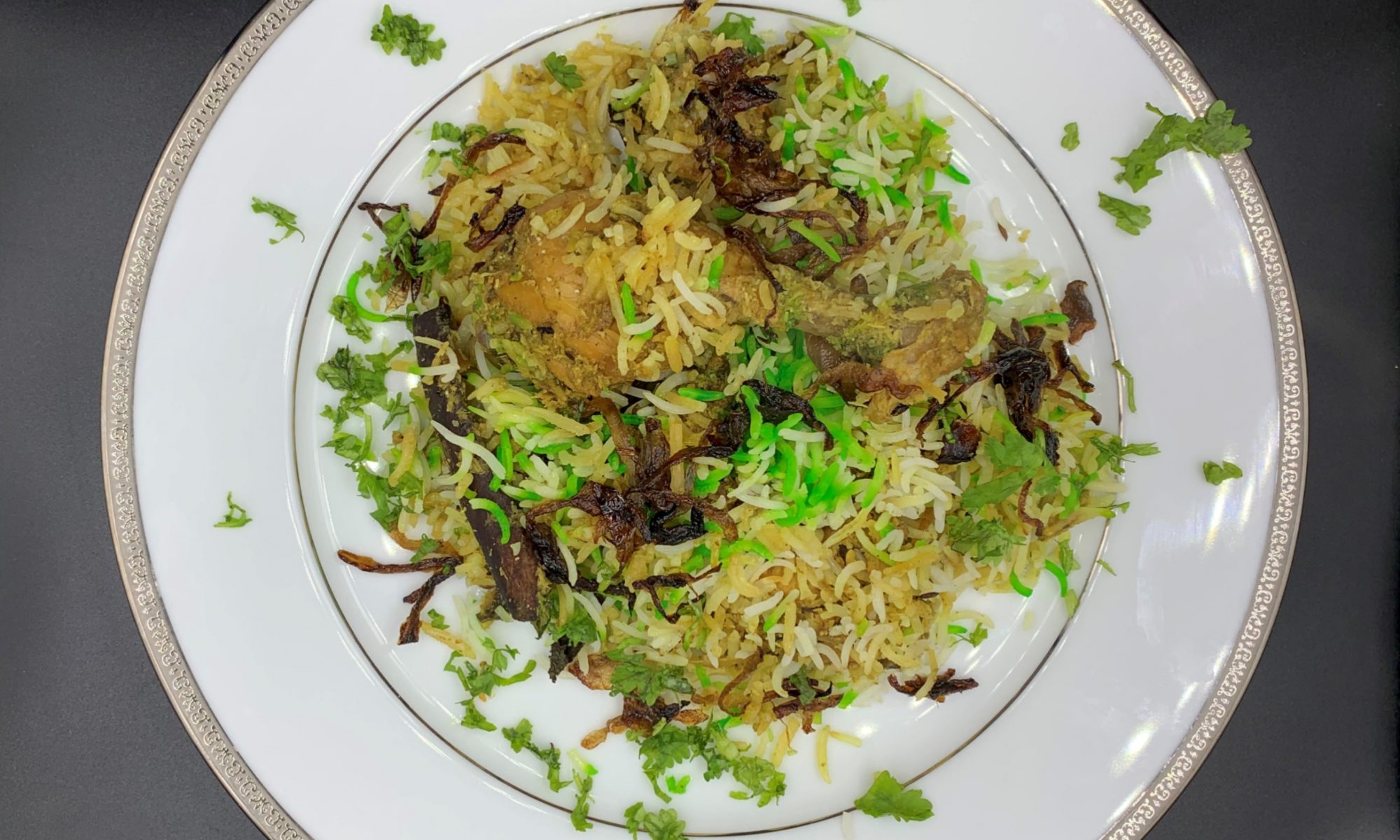
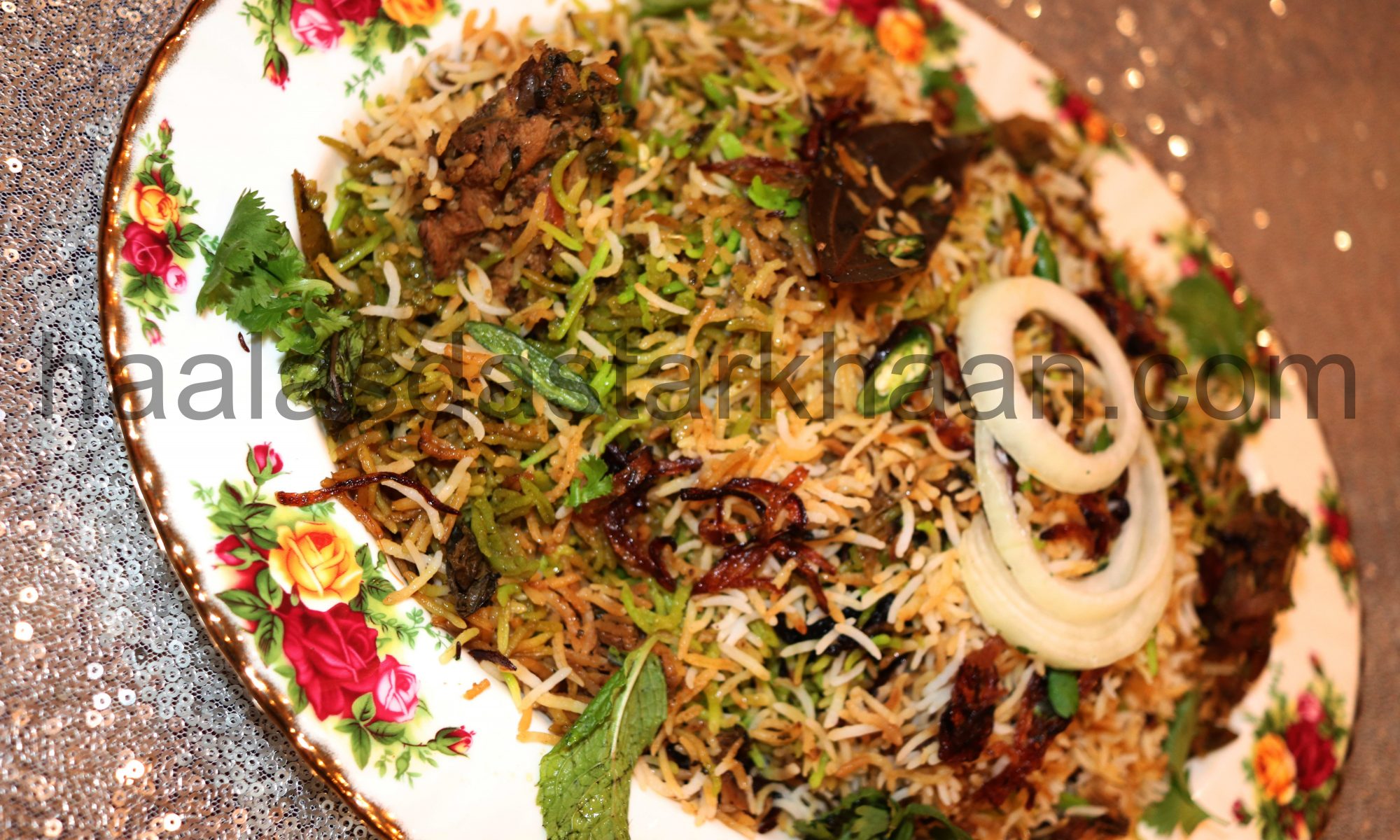
Murgh Hyderabadi Biryani

Hyderabad has numerous varieties especially when it comes to Biryanis. I have tried making a wide range of different styles of Hyderabadi Biryanis. Each one has its own distinct flavor and ingredients. I always love how beautifully the heritage of Nizams is displayed in Hyderabadi food.

The dishes are not just rich in ingredients but also the recipes show how rich the food culture has been with the Nizams. We always hear stories of how generous the Nizams were when it came to entertaining and welcoming their guests. How lavish their Dastarkhaan or tables were. The curries, Haleem, so many varieties of sweet dishes that are served with oodles of dry fruits and cooked in clarified Butter are evidence of how much effort the Nizams made their Khansamas/chefs put into food.

The Nizams were very influential. The history showcases the rich taste not just in Gems and Jewelry, but also in food. The use of Milk solids, Ghee, Dry fruits of different kinds is pretty common in most dishes. This dish has a paste of poppy seeds, cashews and coconut. Though the spice level isn’t too high, the Biryani uses a paste of green chilies and you can always increase the green chilies if you wish to make it spicier. Using Kewra with food color makes the Biryani smell rich and inviting as well. Besides that the Biryani is pretty easy to make. This dish is great for Beginners too. Enjoy!!!

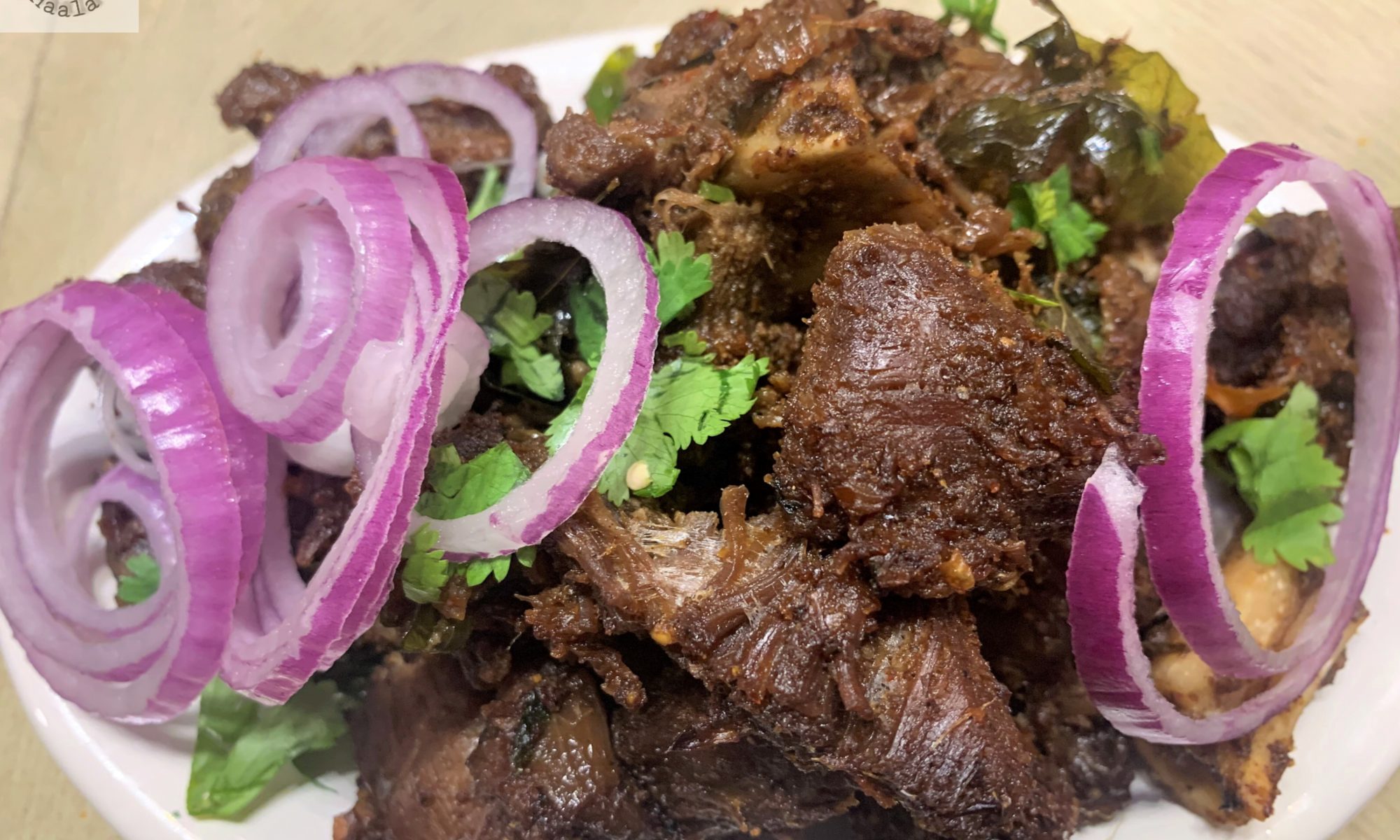
Mutton Ghee Roast

With the wide variety of Kebabs that we make, we love kebabs made from meat the most. I love the way meat Kebabs are always so juicy and tender and absorb all the flavors so naturally. The texture of meat and the spices blend in so well together. I am sure if you look into details of cooking that when it comes to Kebabs, meat Kebabs definitely make to the top of the list. I have heard a lot of people liking Beef too, but since I have never cooked or consumed beef, I don’t really have an idea. But I do think that since Beef has a lot of fat, cooking with its own fat must be adding more flavor to it.

Coming back to Ghee Roast. I came across some cuisine where they mentioned the dish and showed how the meat is boiled till it’s cooked. after roasting the whole masalas, they are ground to a powder, and then the meat is cooked in ghee with spice powder, onions, curry leaves, and green chilies. This dish is pretty easy to make and makes it to my top ten list of easy and flavorful kebabs.

The best thing about these kebabs is that they can be partly premade a few days in advance as well. You can boil the mutton a few days in advance and refrigerate or freeze it, depending on how many days you want to use it. Similarly, you can always dry roast the whole masala and grind them and store them in a dry and airtight container. These kebabs are juicy, moist, flavorful, and go really well as a side dish or by itself. If you are a fan of meat kebabs, you will love the scrumptious chunks of flavorful meat. Enjoy!!!

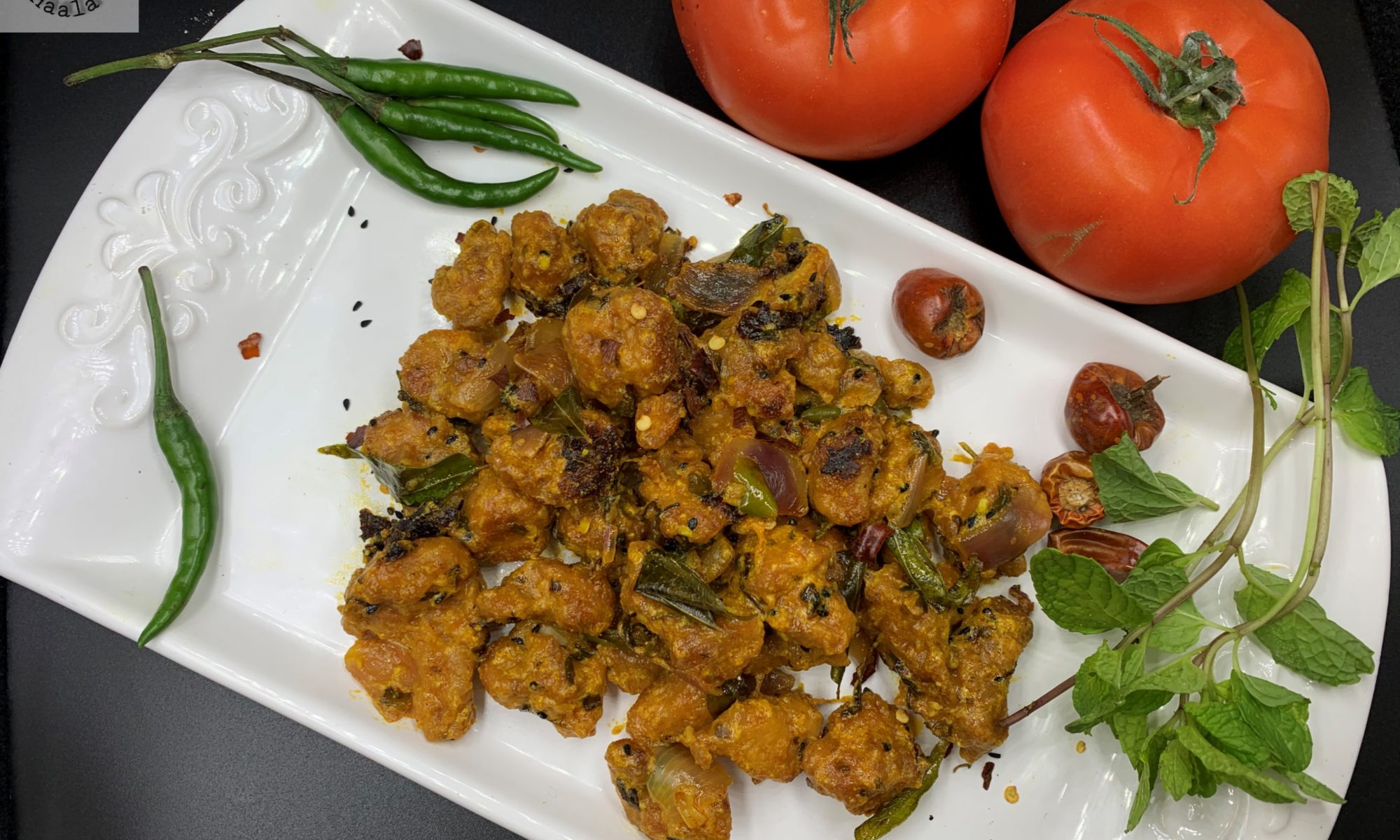
Hyderabadi Chicken 65

Chicken Kebabs are an all time wanted and favorite for everyone. Chicken Kebabs go so well with Daal Chawal as a side dish and even by themselves. I love making Chicken Kebabs for my get together with friends as well. People always feel that you cannot experiment much with Chicken Kebabs at home, where as experimenting with different Kebab flavors at home is the best thing to do.

The basic thumb rule is follow the fragrance and the flavor. If there are spices that go well together and there are spices that don’t go too well. Spices like Black pepper is something that you need to add little at a time, since if its too much the dish tends to get bitter. If you need to enhance the flavor of Black pepper in your dish, its always better to add less of Black pepper and more of White Pepper to balance the pepper taste. Adding Tandoori masala gives a lot of kick to Red chili powder and makes kebabs more flavorful. You can always use citric acid in place of Vinegar or Lemon juice. Adding Flour with Rice flour and Corn starch Powder will add a lot of crunch to your kebabs if you are frying them.

With the Hyderabadi Chicken 65, I added Red chili powder and other spices with Ginger garlic paste and mixed it well. Further rolled the spiced Chicken pieces in Flour, Rice flour and cornstarch powder and fried them. Later cooked them in a sauce made with Onions, green chilies, various spices and Yogurt. I also add a little cornstarch powder to the gravy to make it a little thicker.

Chicken 65 is made in different ways in different places of India. Though the original recipe was made in Chennai, but different places modified their ways and made it suitable to their taste buds. Honestly, every pace has their unique flavor and we always tend to have our favorites but making them in different ways is always great to add more variety to your dinner table.

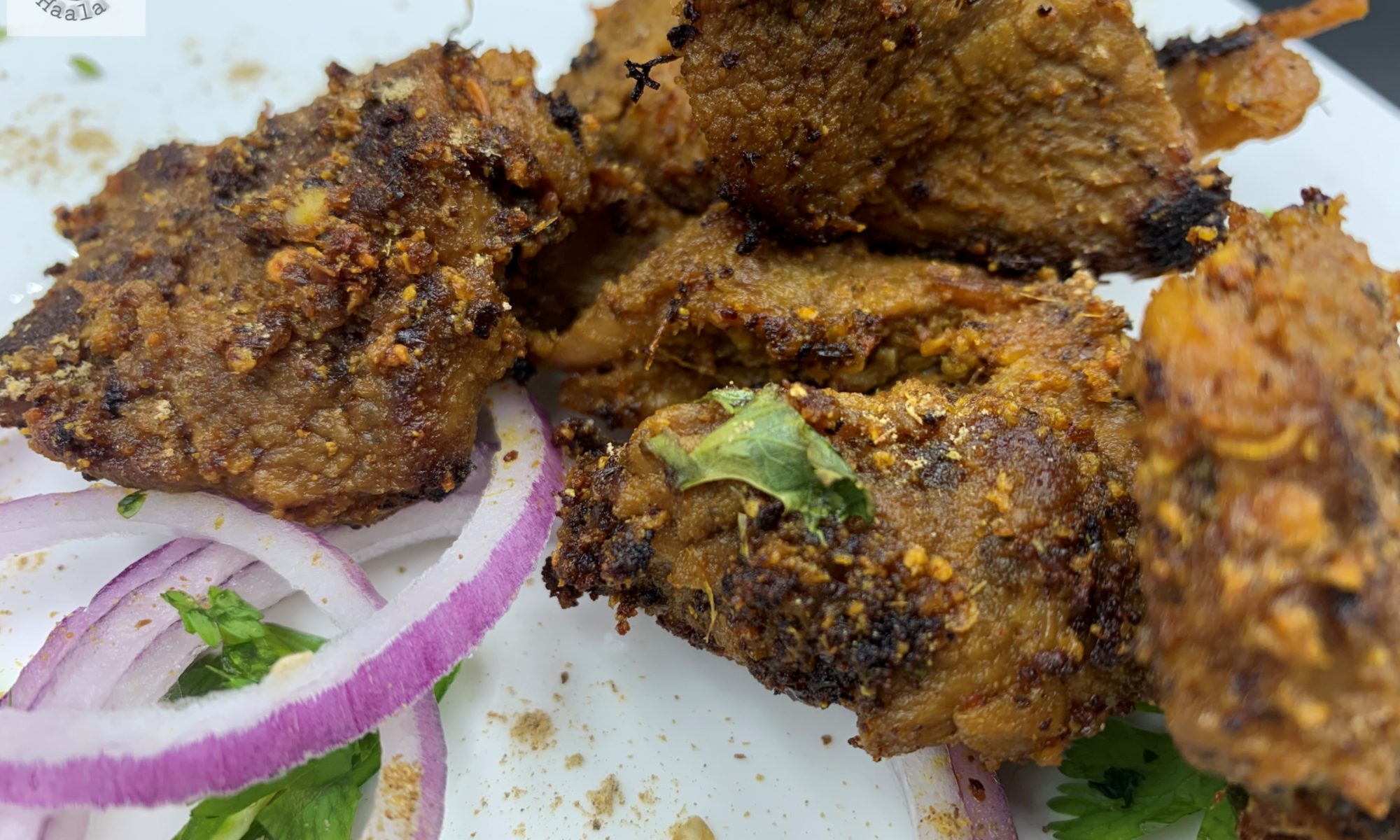
Puraani Dilli Ka Burrah Kebab

Puraani Dilli or Old Delhi is an awesome place for food. I believe being a central place that connects Punjab, U.P., Rajasthan, Bihar and also being close to Kashmir, it has people from all neighboring states. Hence, there is a medley of food. My dad took a lot of trips to Delhi for work. Even we as a family, would be visiting the capital of India quiet often since back in the 80’s and 90’s, we didn’t have the concept of direct trains from one city to another. So, we would take a train to Delhi and then another one to the destination. Since, My maternal family lived in U.K., dropping someone off to Delhi or picking them up from Delhi or we visiting our maternal home was always a trip through Delhi.

Now, being a non vegetarian, purani delhi is the place to be. Despite the crowd, the pollution and uncountable hygiene issues, every non veg lover at some point visited “jama masjid area” to satisfy their cravings. We did that on almost every trip and my father tried it at least twice each time, if not more. Some very popular restaurants serve awesome and delicious kebabs and curries with sheermaal, roomali roti and finger licking biryani.

Amongst the various variety of kebabs, Burrah kebabs stole my heart. Made from lamb/Goat meat marinated for a few hours, these kebabs are juicy, crunchy and full of beautiful flavors. So I had to search for the recipe. Though the recipe that I found wasn’t close to what my taste buds witnessed as a kid but being a home chef I knew how to add and deduct things and come out with the exact taste.

Dilli ka Burrah Kebab also has a funny story connected to it. I suffered from Typhoid and I was forced fed all the food without oil or spice for days and when it got over and I fully recovered, the doctor asked me a simple question, “What is the first thing you would like to eat?” and I said, “Burrah Kebab”. Of course the doctor had no clue what a seven year old was saying but my parents couldn’t stop laughing realizing how tortured I was after the sickness.

This is a must try for people who love Mutton kebabs. Pretty easy to make and can be stored too.

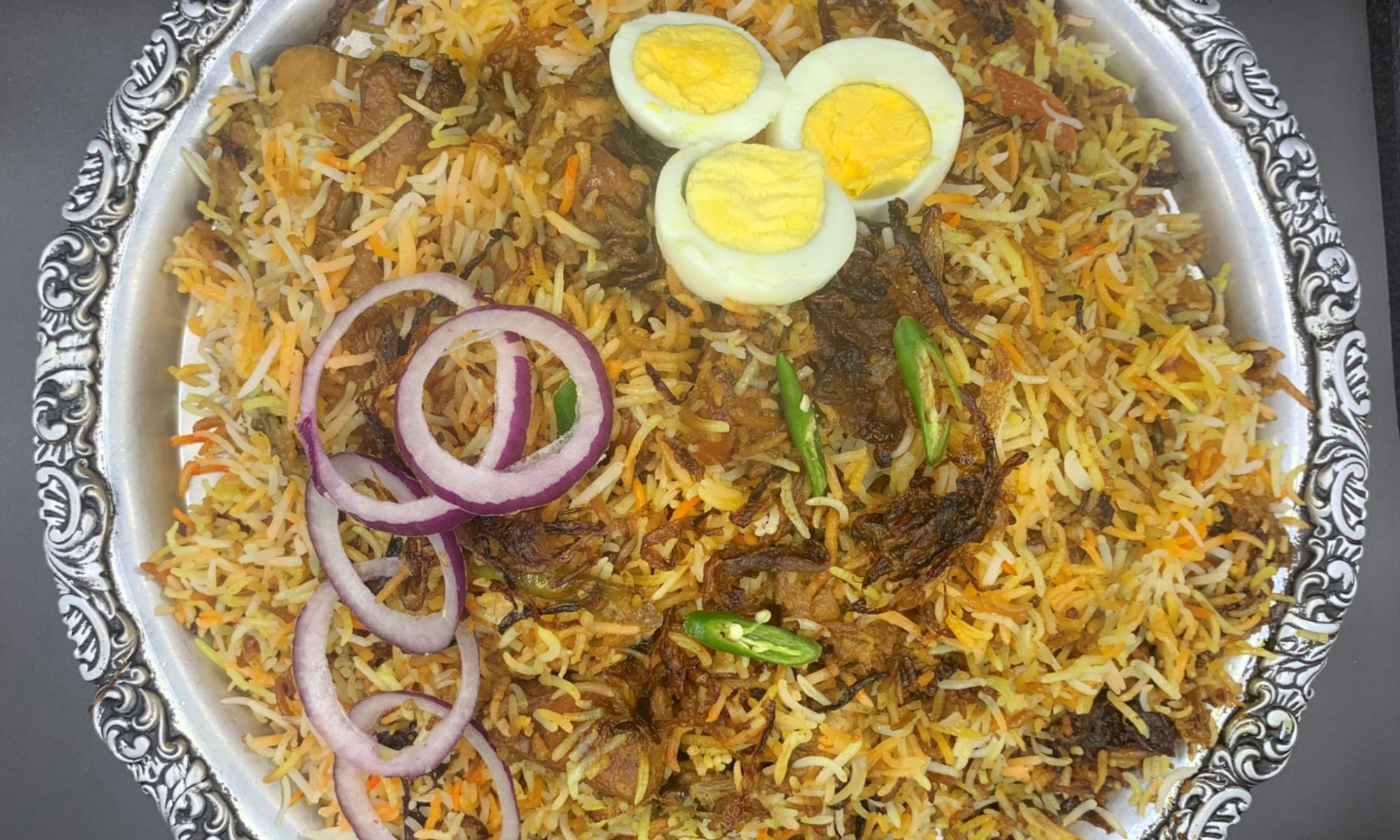
Tellichery Biryani

This recipe also happens to be from Kerala and is the second Biryani from this state that I tried out. Kerala is a state of distinct flavor. I know every state has their own flavors that are distinct and are easily distinguishable from the use of their local grown spices with methods of cooking different cuisines and also availability of local vegetation. Not forgetting their natural climate. Isn’t it amazing how every place has different things popular during different seasons and few things that are good to eat during all seasons. Hats off to generations before us who tried, tested and made so many different varieties of food that we just need to follow. And though, it all seems walk in the park, we still do not follow those age old recipes because we find them too time consuming in our busy lives today.

Thalassery town of Northern Kerala has a unique blend Arabian, Persian, Indian and European styles of cooking as a result as its long history as Maritime Trading Post. Tellichery is an anglicized name for Thalassery. The original name of Thalassery has been restored post Independence. Although both refer to the same place, the Tellichery Biryani is different from the Thalassery Biryani. This one is a little simpler version.

This Biryani does not use the Jeerakshala/Kaima Rice like the Thalassery Biryani and should be cooked with Long grain Basmati Rice. This recipe also displays the influence of Mughals in its flavors but seems to be slightly revised. Going through the ingredients, I do not find any ingredient that would distinguish this dish as a dish from Kerela. The recipe makes me feel that its made by some settlers who still did not adapt to the flavors of Kerela cuisine and were still new to incorporating the spice or certain ingredients to the dish. In all, this dish is great for all Biryani lovers, specially for Beginners. Therefore, if you happen to be someone new at making Biryani, this is for you. An easy, delicious and simple way of making a delicious Biryani.

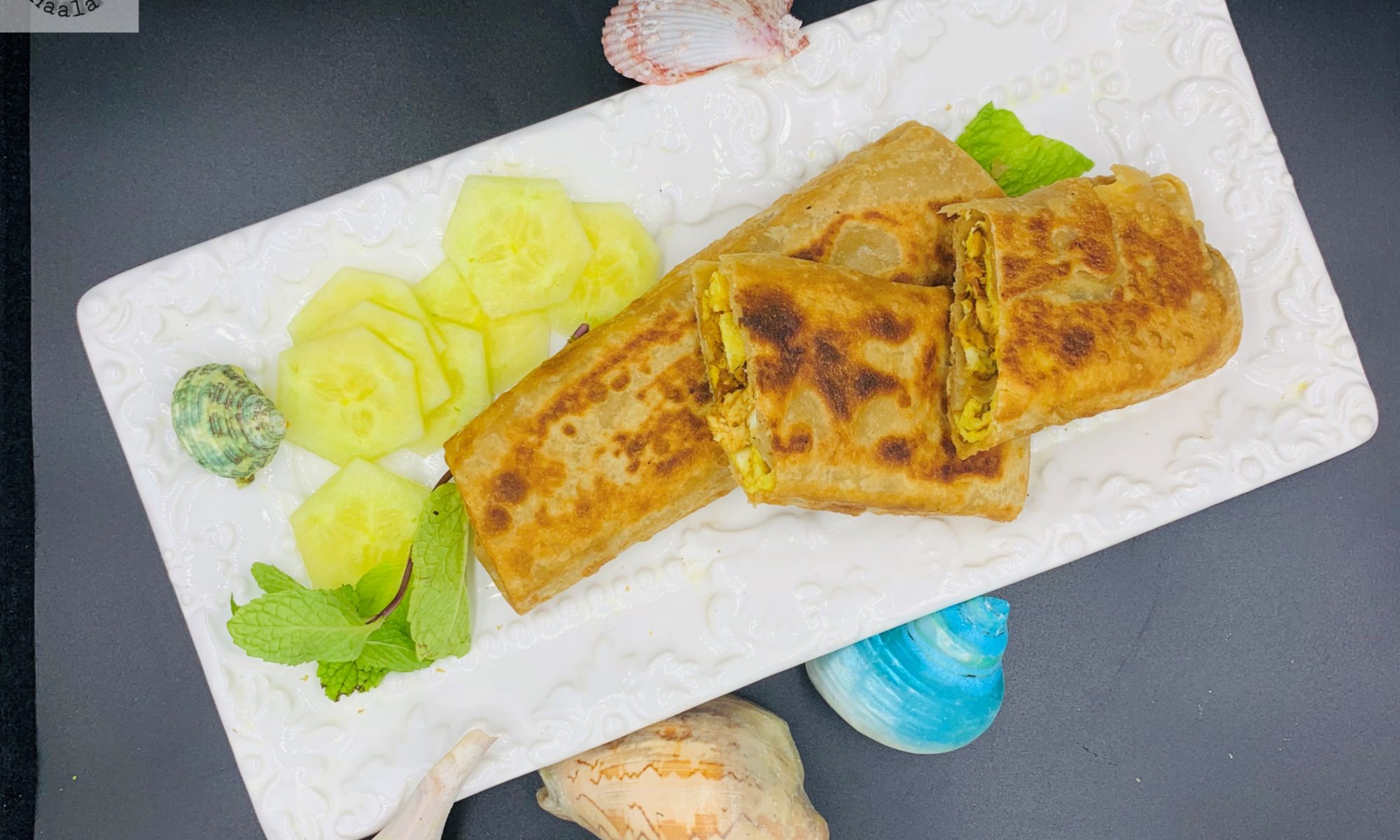
Roti Anda Boti

We love the combinations of Chicken and Roti, basically a Chicken Roll. My Mom used to make these amazingly delicious Tikka Boti which were inspired by something similar she had a Persian restaurant in Mumbai. Chicken Roll is always an easy go to recipe when you are finding it hard to decide what to cook. It’s a delicious recipe that is loved by kids and is always fuss free.

A regular Chicken roll is always great but, if you get to make some experiments with it, a little twist and change then your palettes love it more. Its basically the same Chicken roll but just made a little differently. This Chicken roll is less of a wrap

I added onions to a pan and Sautee till they were brown in color, further adding ginger garlic paste along with tomatoes and green chilies. I further added red chili flakes, tandoori powder, cumin powder and salt. Once the tomatoes are soft, add the chicken and mix well and cook till the Chicken is well cooked. The eggs are just plain whisked with salt and pepper and make them like thin crepes.

The difference comes in the Roti or the bread. Usually the Roti is cooked and then we add the cooked chicken to it. In this Chicken roll, I divided the dough to little portions, rolled it and then added the cooked chicken and added some dry cheese along with it. Wrap the dough and seal it from all sides and then pan fry it. As much as we feel that the taste might not be too different, it actually is and at the same time it is nothing close to the taste of samosa either. Its just completely different and outrageously delicious…The only way you find it is by trying it.

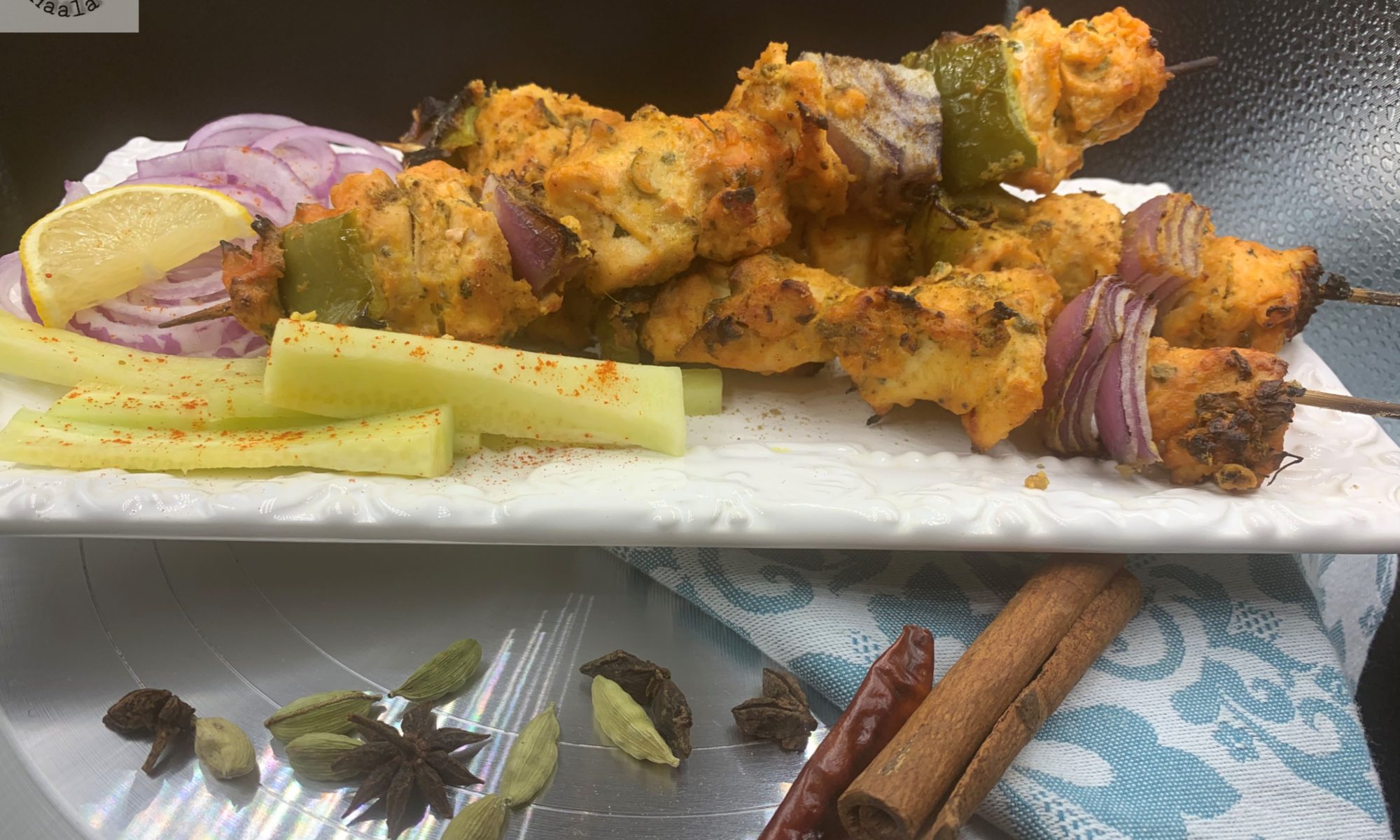
Murgh Zafrani Tikka

These kebabs were a fluke cum delicious, they are juicy and soft. These were made while I was thinking of making some Kebabs for lunch and I couldn’t decide on what to make and finally the idea of going a little different than usual gave birth to this scrumptious invention. These kebabs have a pretty simple marinade and are pretty impressive for the way they taste compared to the effort that’s put in.

Some dishes need be improvised where as some super fab one where you just follow your heart and make them trusting your taste buds. This is one of those fab recipes which were made just following my heart and turned out a keepsake. To start with I made these kebabs using Chicken Breast. I have mentioned in my other recipes as well that Chicken breast tend to make dishes a little dry, specially kebabs. So, the thing that you can you can do to make your kebabs moist using Chicken breast is to add more ingredients that are cream based. Ingredients like Yogurt, cashew puree, cheese, cream and even buttermilk. In some cases even adding a little extra butter adds a lot of moisture to the kebabs. Therefore, Murgh Zafrani Tikka, you can pick any Boneless Chicken Thigh and leg meat or Chicken Breast. Your kebabs will be juicy, moist and absolutely delicious.

Addition of different spices was a little adventurous and I just followed my taste buds. Initially I marinated the chicken chunks in Ginger garlic paste, green chilies, Lemon juice saffron and salt. I left the juices to mix in for 30 minutes, which added a perfect flavor to the Chicken. Saffron added a lot of fragrance along with flavor. I am in love with saffron. It happens to be my favorite spice and I love to add it to my dishes be it sweet or spicy. The spice just gives out an amazing fragrance when added to your dish.

I further added Yogurt and spices. Cumin Powder, Tandoori Powder, White Pepper and Turmeric Powder were what I used since I wanted the flavor to be not too spicy and not too mild either and something that would enhance and bring out the flavor of Saffron. To add a little crunch I added some Besan which was dry roasted before adding. Adding a little Kasoori methi adds a different flavor to the kebabs.

You can always cook them on the pan too by adding a little oil or you can also use the Oil spray. Kebabs are something that cross out all the restrictions and can be made anytime anywhere. I fail to understand recipes that only require an oven. That should never be the case. So, oven, no oven, grill, no grill…as long as you have these kebabs marinated the right way and have fire, these kebabs can be cooked in no time. I generally do not serve them with the stick unless I make them for a kid’s party. If you are using the wooden skewers, always soak them in water for 20 minutes before adding your kebabs to it. Soaking in water doesn’t let them burn in the pan or oven while cooking.

These kebabs are very easy to make and perfect for beginners. Since it doesn’t require any grinding or blending, they are prefect if you want to add an extra dish to your table without putting in too much time into making it. These Kebabs are on the milder side so if you aren’t a fan of something outrageously spicy, this is a perfect recipe for you.