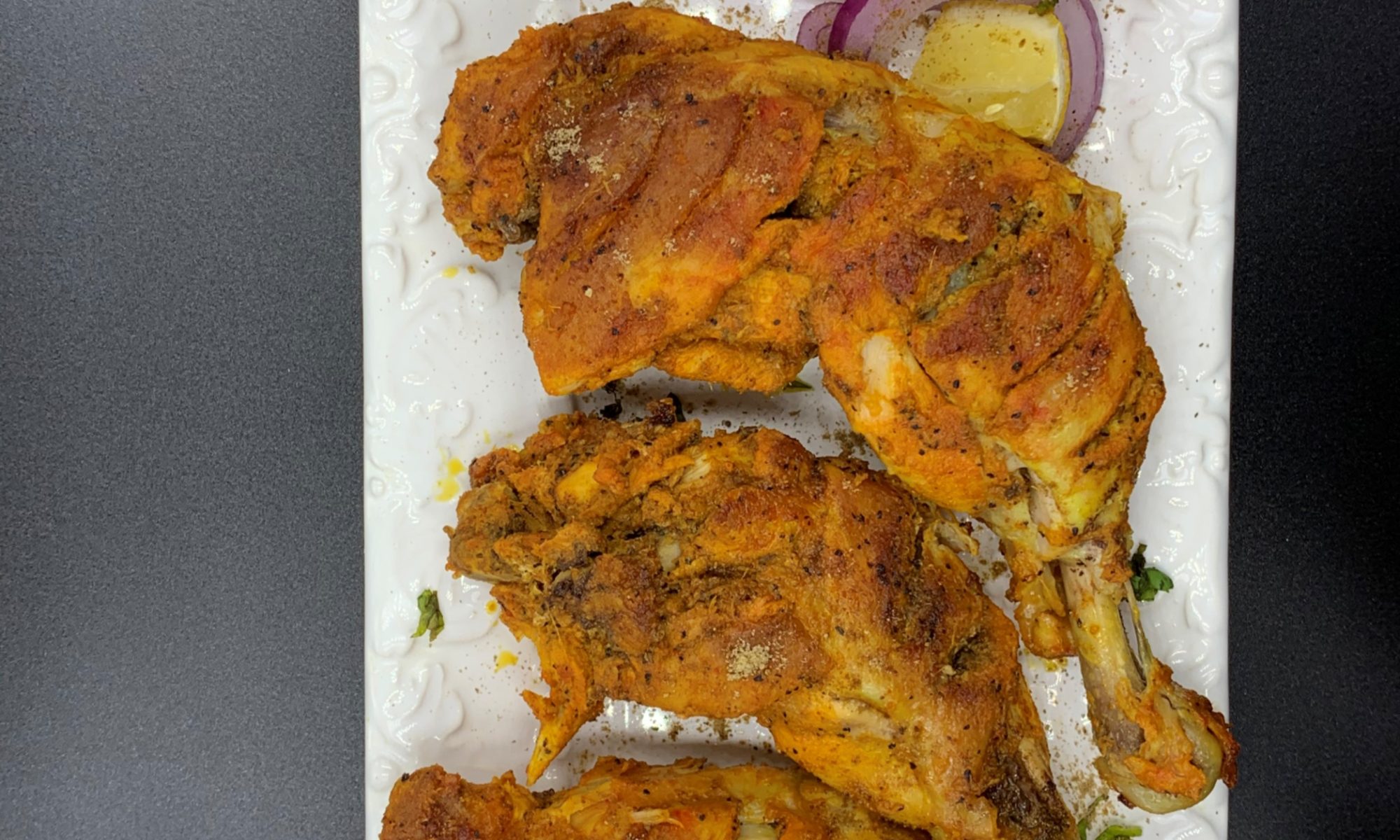
Lahori Chicken Chargah

Lahori Chargah Chicken is one of the easiest and yummiest kebabs that I make. I believe there are few different recipes for Lahori Chargah and you might find some recipes different from what I make. My recipe is based on the first and the only Lahori Chargah I have tried.

There was a small restaurant that we used to go to when my first born was a few months old. We had a pediatrician for him who had her office pretty far from our house. Now those days, I wasn’t driving hence we always had to get a weekend appointment since it would otherwise be hard for Mr. Parveez. For some reason we always got an afternoon appointment and despite the appointment and reaching there on time. The lady who ran it had a very limited menu, one kind of Biryani, 2-3 curries and 1-2 kinds of Kebabs. This happened to be one of them that we really loved and this was a part of our regular order. She also made a different kind of Biryani which we later on found out that she actually didn’t make it herself , but used to get from a near by restaurant. We still loved going to the little cozy restaurant as we were pretty satisfied with the little menu with simple dishes, until one day she decided to move and close the restaurant.

That’s when my search for making a perfect Chicken Chargah started. I saw a famous brand name that sold Chicken Chargah masala, so I bought it and followed the instructions. Now knowing how particular Mr. Parveez and I are about the store bought Masalas, we couldn’t really continue with the box Masalas and I had to get down to figuring out and making my own masalas at home and following the flavor, I actually did. Its amazing how flavors communicate with your taste buds and I believe communication is the key to every successful relationship, be it any.

So, there I was mixing in my Roasted cumin powder, Black Pepper, Red Chili Powder, White Pepper Powder and Tandoori Powder with Apple cider Vinegar and Ginger Garlic Paste. The reason for using both Black Pepper and White Pepper is that adding too much of Black pepper tends to make the food bitter, so adding a little gives you the kick and adding White Pepper along side gives you flavor similar to Black Pepper without adding the bitterness to the food. Chargah is usually made using whole chicken but I always use Chicken legs, as I find them better and easier to serve. So, make them anyway you like and enjoy.
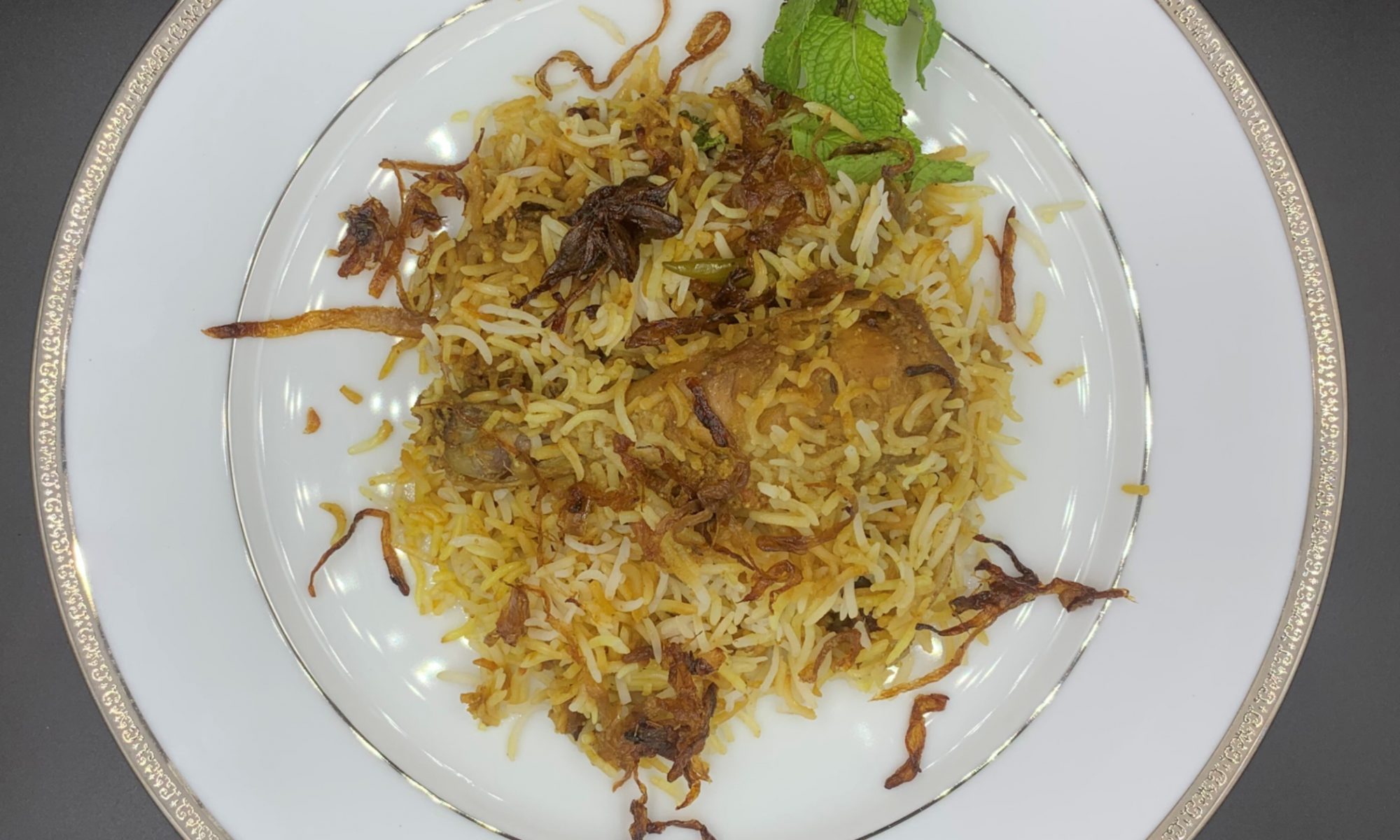
Salem Biryani

 The word Biryani is derived from the Persian word Birian, which means ‘fried before cooking’ and Birinj, the Persian word for rice. There are various theories related to the origin of this scrumptious dish. Biryani originated from Persia and was brought to India by the Mughals.

I love reading about the Mughal Era and its food in the history. Its amazing to read about so much variety of food flavors that they added to the Indian cuisine…. Gulab Jamuns, Jalebis, Imartis, and so many other rich desserts and numerous curries and the most amazing out of all are Biryanis…so many varieties, so fragrant, so delicious and so different from one another. The best part was that they always incorporated local spices with their Biryani recipes coming up with distinguishably different flavors each time. Each region has a completely different way of making Biryani from another.

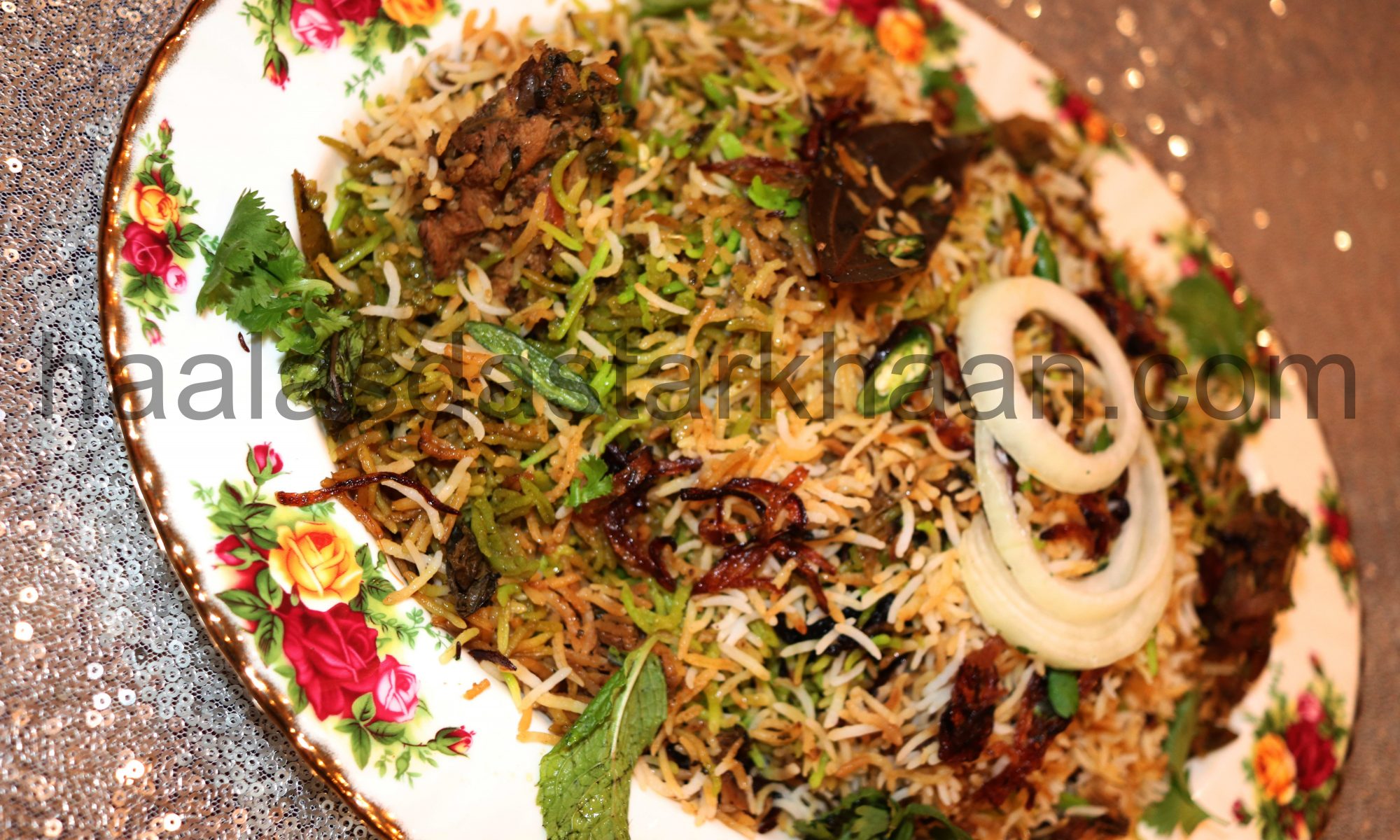
The state of Tamil Nadu has some really celebrated Biryanis, most of which have evolved in the state’s smaller towns. A beautiful example is Ambur Biryani. As the folklore says, Salem Biryani actually developed in a particular small hotel, a military hotel to be precise. Its funny but most of the restaurants serving Non vegetarian Biryani in Tamil Nadu are referred to as “Military Hotel”.

The best thing I like about these South Indian Biryani is that the ingredients are always pretty simple, nothing fancy, nothing that requires you to urgently run to a store and despite the simplicity, the outcome is always so deliciously fancy.

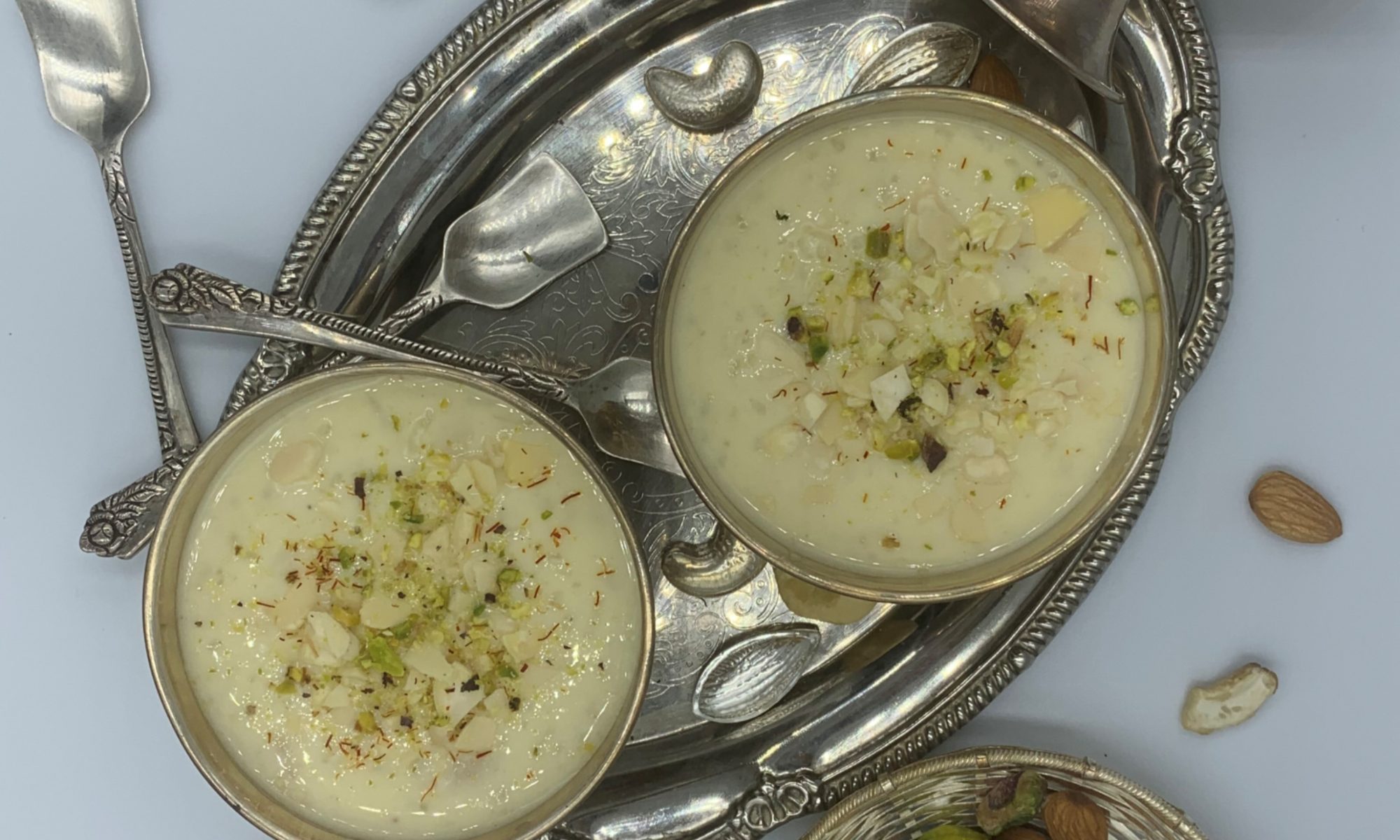
Chawal ki Kheer

Chawal ki Kheer is one of the most beloved traditional desserts across Indian, Pakistani, and Bangladeshi homes. Whenever there is a celebration or special occasion that calls for kheer, it is usually this classic rice pudding that finds its way to the table. Among the many varieties that exist, Chawal ki Kheer remains the most cherished and widely prepared.

My love for this dessert probably began the moment I could taste food. To this day, I have never come across anyone—chef, cook, or otherwise—who can make Chawal ki Kheer as beautifully as my mother. As a child, I would eagerly wait for the days when she decided to make it. Just one spoonful was enough to make anyone feel as if they were tasting something heavenly.

The funny part is that I rarely liked anyone else’s kheer. In my young mind, every other version felt like a complete injustice to the dish. I simply expected everyone to work harder and make it exactly the way my mother did. Of course, as a child, I never truly understood the effort and patience she poured into making it.

It was only when I grew older and began exploring the world of spices and cooking that I realized how much time and dedication went into preparing something so wonderfully delicious. That realization also explained why, every Eid, I would suddenly see relatives and friends appear whom I had not seen all year—each one requesting my mother’s special kheer.

To understand the scale of her cooking, you first have to understand our family. We are a large extended family of nearly 150 members. My grandfather had nine children, and each of them has a large family of their own. By the time I was still in my teens, many of my aunts already had grandchildren. Add distant relatives and close family friends to that number, and you can imagine the size of our gatherings.

Preparing kheer for such a crowd was no small task. My mother would often start with 40 to 50 liters of milk—sometimes even more—and slowly cook it down until it reduced to about two-thirds of its original quantity. This step alone requires immense patience. The milk must be stirred constantly to ensure it cooks evenly and does not burn at the bottom, all while being kept on a gentle, low flame.

The technique she taught me was simple but brilliant: stir once in a circular motion, and the next time in the shape of the number eight. Only when I grew older did I realize how perfectly that method covers the entire base of the pot.

Once the milk is reduced, cashew powder is added. It not only thickens the kheer but also lends a delicate sweetness and nutty flavor that enhances the dish beautifully. Chopped almonds make a lovely addition as well. Some people also add khoya or khoya powder for extra richness, though that step is completely optional.

For the rice, I prefer small-grained varieties because they cook faster and are easier to mash, giving the kheer its signature creamy texture. Kani ke chawal, Kaima rice, or any other small-grain rice works well.

My mother always added condensed milk to her kheer, and many people believed that was her secret ingredient. But in truth, the magic was never in just the ingredients—it was in her hands, her patience, and the love she put into cooking. Ingredients alone do not make a dish extraordinary; it is the care and effort of the person preparing it that truly brings it to life.

This is the method I learned from her. I may never match the perfection of my mother’s kheer, but every time I make it, it still turns out wonderfully comforting. And with each spoonful, it brings back memories—and the irresistible urge for just one more bite.

Murgh Sabz Korma

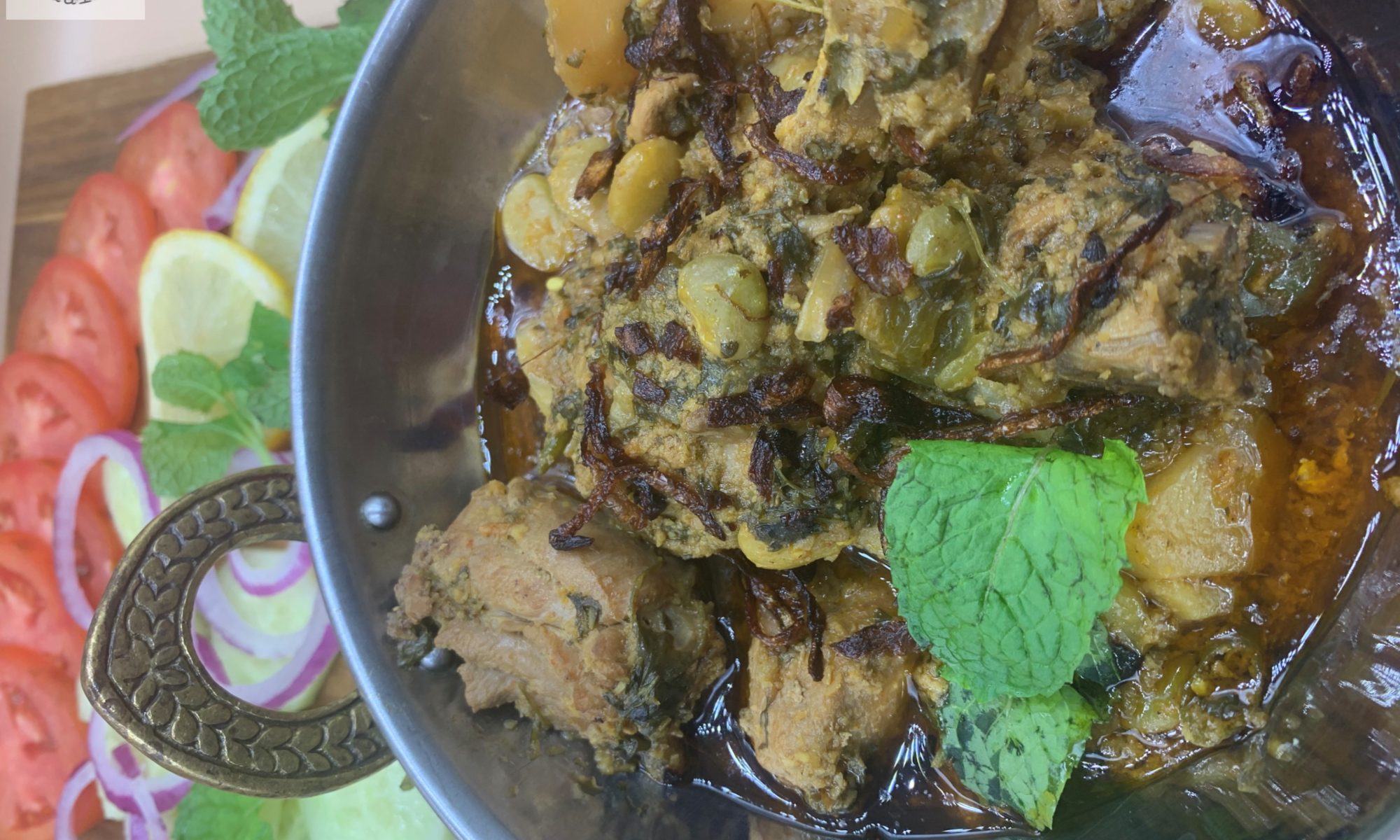
This Chicken curry recipe is from Mr. Parveez’s family. I was given the recipe by my Mother in law. The dish uses a variety of veggies, which honestly at times makes it difficult to make because if you miss out on one, it changes the whole taste. From the stories I hear of Mr. Parveez’s childhood, this dish was cooked almost every Friday and he would always look forward to his mom making it. I believe even today when he eats this Korma, it makes his mind go down the memory lane and remember the awesome dishes his mom made.

Now Bangalore is the garden city of India. The city with loads of greenery and always has an availability of fresh flowers and vegetables, therefore most dishes that you look at comprises of fresh vegetables and other ingredients. those dishes necessarily do not have to be under the category of “vegetarian food”, even the non vegetarian dishes, cooked in most almost all Muslim families use a lot of vegetables with their meat/chicken as well. Initially I wasn’t too big of a fan to be very honest. Coming from Rajasthan, I wasn’t used to mixing up vegetables and meat. We, in Rajasthan prefer keeping them separate, but with time I started enjoying the flavors of the veggies more and understood that this is one of the best ways to incorporate more vegetables in your diet as well.

I got the recipe of this dish from my Sister in law after I became the member of the new family. In fact most of the recipes that I learnt from Mr. Parveez’s family were given to me by my third sister in law. This dish can be made with meat or chicken so feel free to switch the chicken with Lamb/Goat meat. You will have to cook longer though and also make sure that you add the vegetables only after the meat is properly cooked. Chicken takes less time, so adding the veggies quickly is fine.

The chicken is cooked with Potatoes, Bell Peppers, Fenugreek/ Methi leaves, Lima beans and dill leaves. You can always substitute Lima beans with peas if you want. While coming across Turkish, mainly Middle Eastern Cuisine I did learn that most meat/ chicken curries are cooked with a variety of vegetables. That makes me think that this dish is also influenced from the Mughal Era, not something they learnt from the Indian soil, but something that they taught Indian cuisine. Because, coming to think of it, if you analyze most Non vegetarian Indian/ Pakistani dishes, you will know that they exclude vegetables. I would love to cook this Korma in one of the Turkish Earthen pots some day.

Usually this Korma is served alongside Rice dish called Khushka, which is Rice cooked with Mint leaves. You can also serve this Korma with Parantha, Naan or Sheermal.

Murgh Haleem

Haleem has originated or is inspired by an Arabic dish, “Harees” which is made with meat, ghee, wheat, rice and whole pulses. The Persian name for the meat – wheat dish is “Hareesah”, which unlike Haleem is bland and uses lesser amount of pulses as well. An author once also suggessted that the version of Haleem made in India should have its name revised as “Daleem” since it uses a variety of Daals / Pulses.

Like so many other dishes that proudly make a mark in Indian/Pakistani/ Bangladeshi cuisines, Haleem was also introduced to Hyderabad recipes during the Mughal Era. The research shows that it came to Hyderabad during the Mughal period via Iran and Afghanistan. Adding the local spices and ingredients to it was definitely an upgrade from the original Arabian dish.

It says that it was during the rule of the sixth Nizam, Mahbub Ali Khan when Haleem was being revised to suit the Indian taste buds. The addition of spices made a huge difference to the dish and it did take effort and time to make it what it is today. By the the time, the seventh Nizam Mir Osman Ali Khan made his way to the throne, Haleem had become an integral part of the Hyderabadi cuisine.

With time, it became popular amongst all Muslim rulers and royal chefs made few changes here and there to make it more appetizing. The basic Haleem recipe comprises of a variety of lentils, meat/ chicken , and spices which are pounded together and cooked on a low flame for about 12 hours, which in todays time and age sounds time consuming and insane. Even today, if you wish to taste autjentic Haleem, you will have to take a trip to the Muslim areas of popular cities and visit those restaurants that are popular for their food and do not care much about the ambience. Honestly, I call them food lovers Paradise. As soon as you are close to those places, you can follow the fragrance of delicious food with your eyes shut. If you are like me, and can ignore the tables put close together and with people staring at you while you eat, you should visit these places at least once when you are in these popular cities. Delhi’s Jama Masjid, Mumbai’s Mohammed Ali Road, Hyderabad’s Char Minar and Bangalore’s Frazer town is where you will always find authentic Muslim cuisines which are pocket friendly and wonderfully delicious. These days you will also find places where they offer great seating arrangements for families as well.

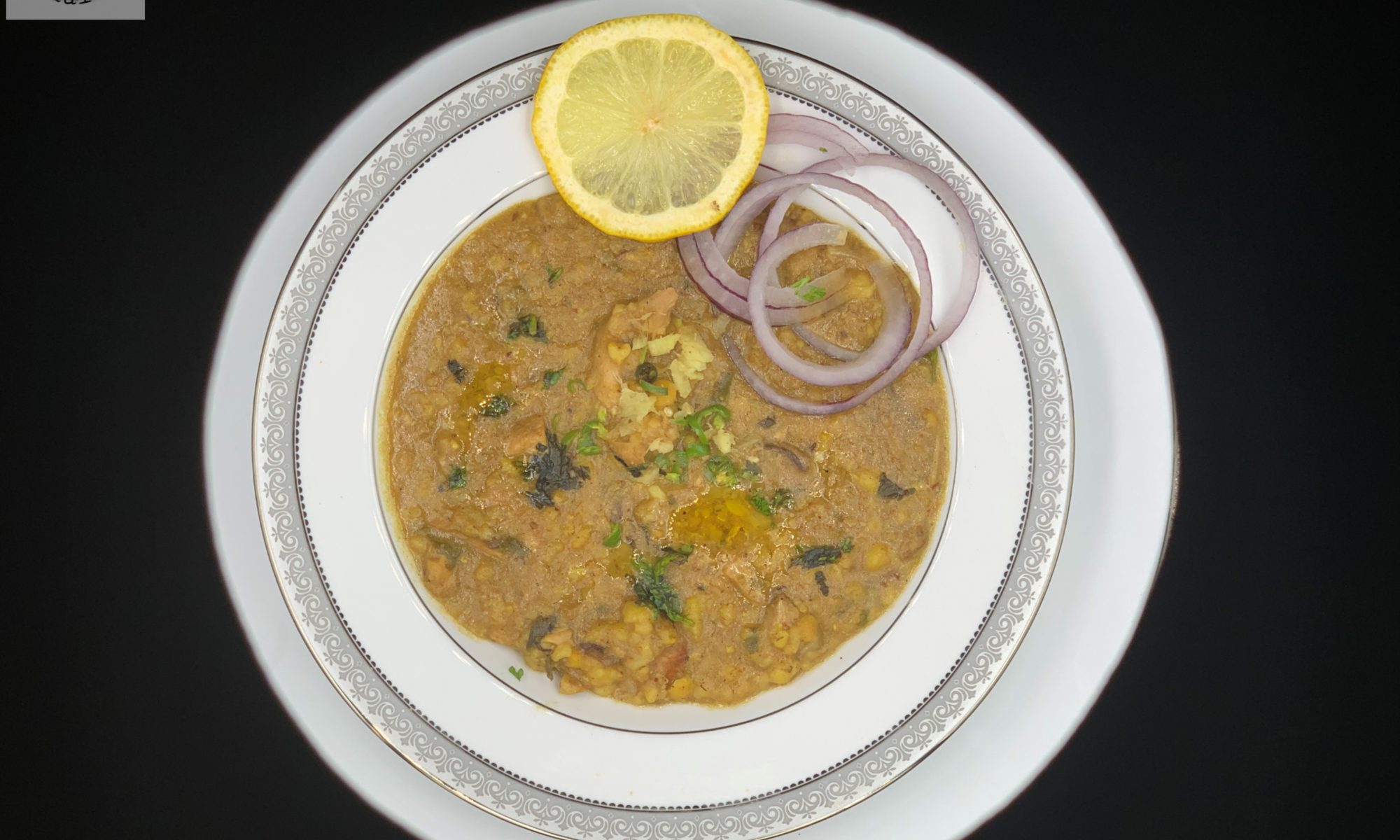
However, the local spices give the Hyderabadi version a peculiar taste and flavor. I once saw a TV show based on Hyderabadi cuisine and watching Haleem being cooked was a delight. Haleem is prepared using Daals, mutton/Chicken, Broken wheat, Rice and a blend of spices. Everything is cooked together and then mashed together to bring in the perfect taste. Haleem has to be prepared in Ghee. It definitely is high in calories but its nutritious as well, and that’s what makes it the perfect dish to open your fast with. Even today, traditional Haleem is prepared in Brick – mud ovens or Bhattis on firewood and takes anywhere between 8-12 hours to be prepared. Basic Haleem recipe only used Mutton, but with time, chefs added more variety and Chicken Haleem or Murgh haleem came out as a lighter version of the traditional Haleem. I love both, but Chicken Haleem seems to be liked more in my house and therefore is cooked more often. I am sure you will love the recipe as much as we do. Enjoy!!!

Shredded Chicken Burger

My boys prefer home lunches and also love varieties for their lunch. When I use the word variety, I mean that they would not want a dish to be repeated in 2-3 weeks and believe it or not, its a lot of pressure to make something that tastes great and that they would love it as well.

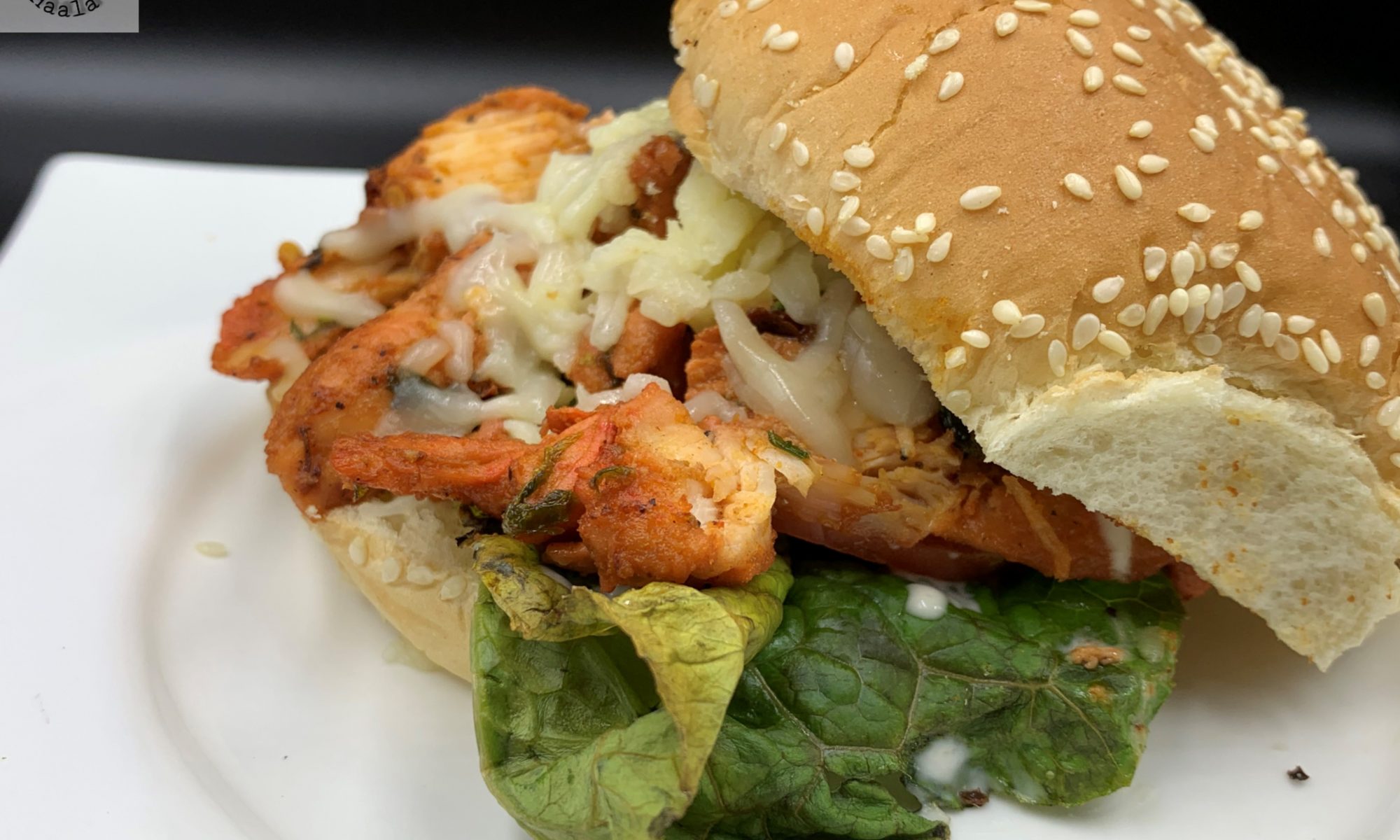
These chicken buns are easy to make and can be easily made by beginners as well. The chicken does not have to marinated for too long and even the process of marination is with pretty simple ingredients. This is great dish if you have boneless chicken available and haven’t thought of anything in mind, and need to get things ready in a rush.

My boys prefer this in the hot dog bun Sandwich, but this chicken would taste great even with a tortilla and Roti wrap too. I have tried them with ciabatta, french long bread and croissants as well.

I usually make this and serve it with a different spicy sauce . The recipe for the spicy sauce is in the sauce section. A blend of mayo, ketchup, hot sauce and mustard sauce goes perfectly with this spicy shredded chicken to give that kick to this sandwich.

Tava Kaleji Buns

One of the most important holidays that we have, as Muslims is Eid-ul-adha’a. The concept of sacrificing in the name of Allah, for Allah is divine, holy and extremely purifying. The meat is divided into 3 parts, one for the less privileged, friends and relatives and the last part for us. Sharing what you have with people makes us more humble and makes us care more for the community.

The day also brings in huge varieties of dishes. We, as Muslims are always on a lookout for new meat dishes and the more we go exploring, the more better and more creative we need to be. It always has to get better from the past year. With all that in mind, we are now in time and age where the kids aren’t satisfied with just kebabs and curries. The fusions have become so popular that not trying them at home makes you feel left out. Also, the fact that our generation is more adventurous in trying new ways of consuming foods and new cooking styles are always welcome.

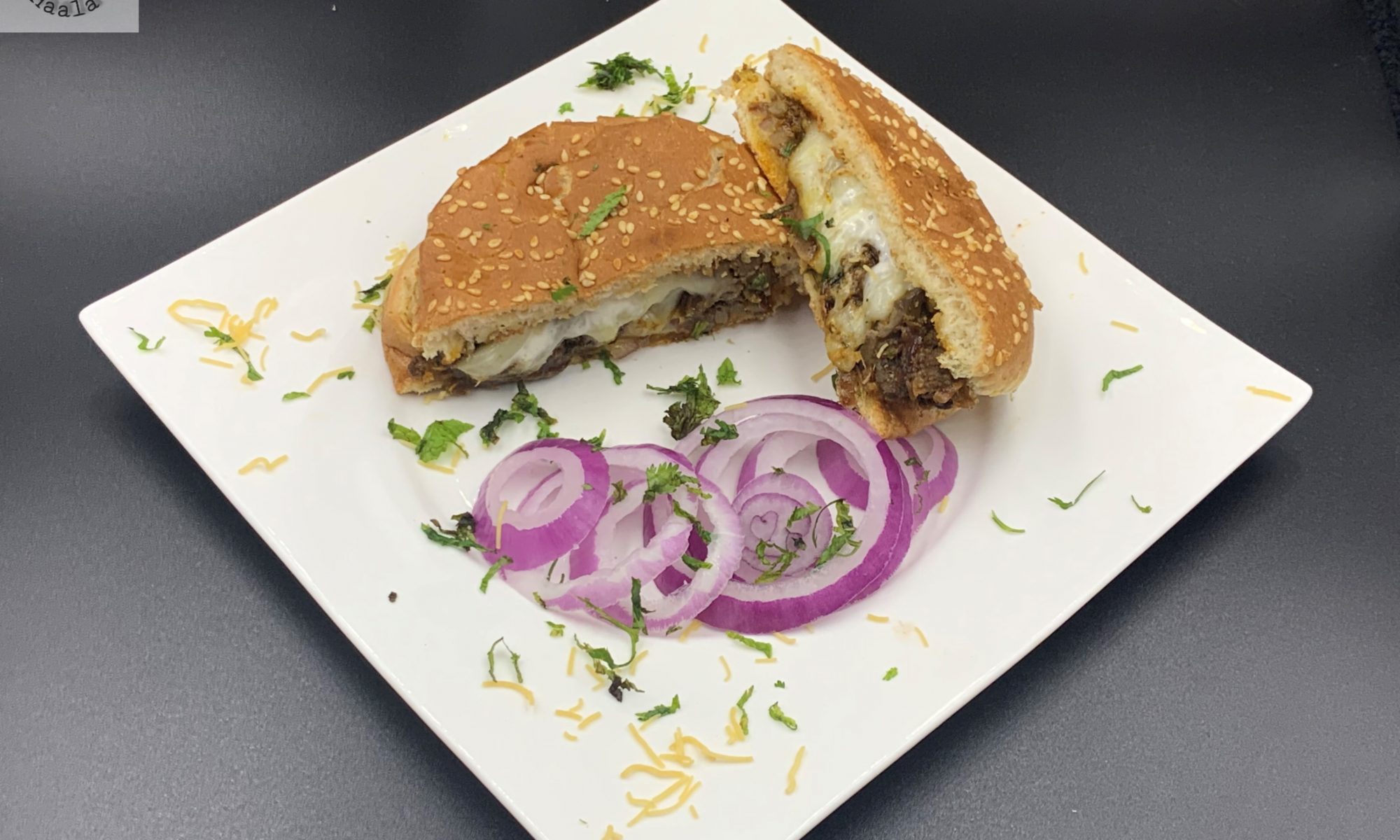
This is basic Kaleji recipe that is served with buns. At my mother’s place, everyone was always excited about consuming Kaleji/ Liver. It was made with overload of Onions, green chilies and spices. Its dry, with little juice or separated Oil that its cooked with. On the other hand, Mr. Parveez’s family prefers consuming Kaleji in the form of a curry. This recipe though cooks Kaleji with curry masala and its cooked in a way till it gets dry. After that the cooked Kaleji is placed between the lightly toasted buns with cheese.

This dish is great for kids play date and tea parties too and are an excellent choice for brunch as well.

Chicken Tacos

Mexican food is a big hit in USA. Quesadillas, tacos and Burritos are so popular and make it to the list of fast food. The delicious tacos are easy to make and no one ever seems to get bored of it. The chicken is spiced up with taco seasoning [homemade or store bought], Olive oil and lemon juice. I usually make my taco seasoning at home and you can always follow the recipe which is pretty neat to follow and make.

But you know how they say that if you ever visit Italy, you might not love the Pizza. The reason is simple, its authentic and outside the original place, food acquires the flavors of the places its cooked. So, there are restaurants that serve authentic Mexican food, but otherwise its Americanized Mexican food and that’s exactly what I tried out.

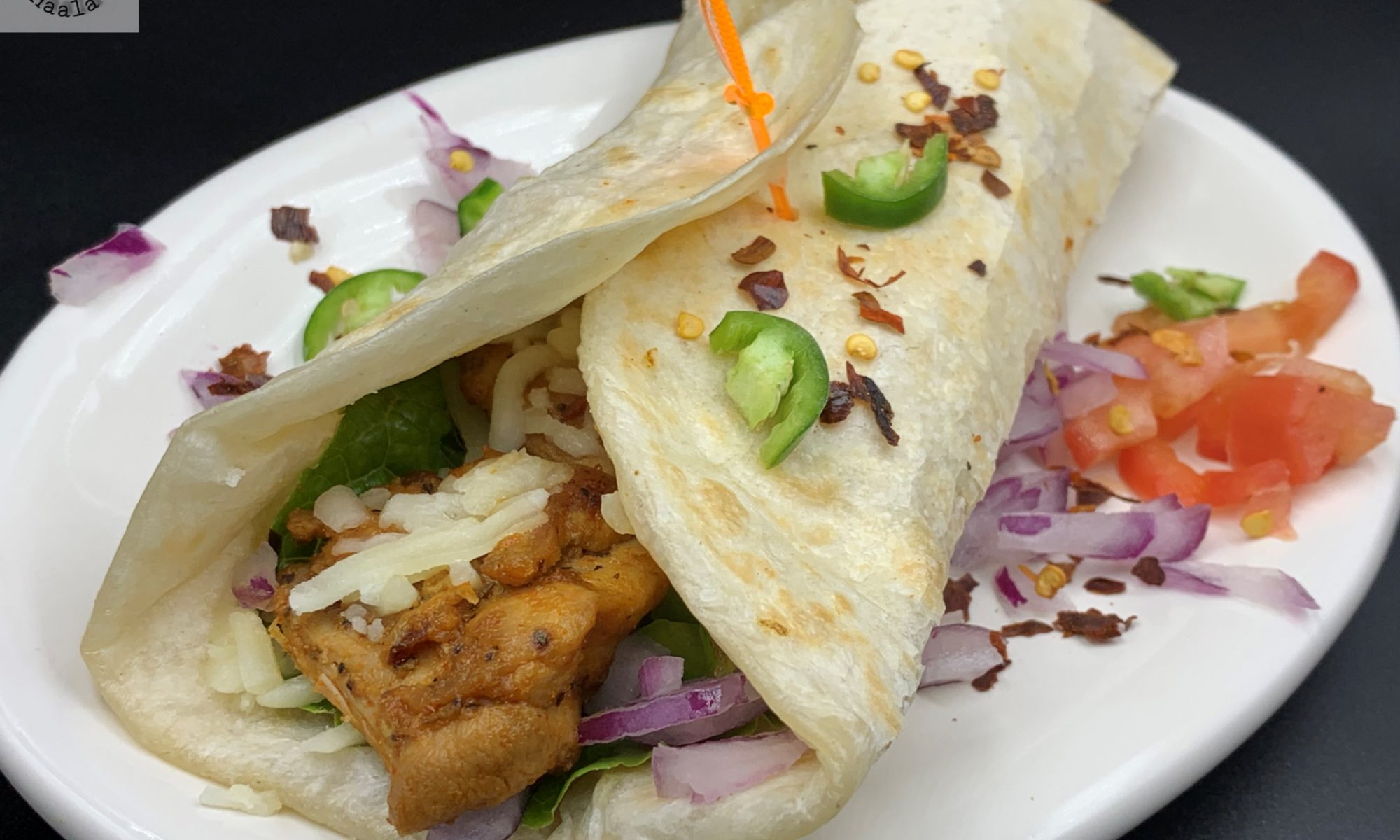
These chicken tacos are warm corn flour tortillas filled with diced marinated chicken, lettuce, chopped onions, jalapenos, white garlic sauce, hot sauce, chopped tomatoes and cheese.

My reason behind trying these tacos was simple. We can only consume Halal Food which makes Chicken from restaurants unconsumable for us, therefore, anything that requires chicken or meat is something that I cook at home. The flavor of the chicken is mainly from the Taco seasoning which can also be used for Fish or Shrimp tacos.

The Tortilla is homemade simply by making a dough of corn flour and water and with the help of Tortilla maker, which was a gift by Mr. Parveez years ago and never used. So, finally I decided to put it use. There is another funny story to this. My mom loves ordering things from Teleshopping. So, years back around end of 90’s she ordered a Roti maker and this tortilla maker reminded me of that, except tortillas are easier and nicer. I believe the wheat flour ends up being very chewy and therefore a regular Indian chapati was a misfit, on the other hand Corn flour comes out great. So, I would suggest you buy one for homemade perfect Tortilla. Nevertheless, if you are always on a run, you can use store bought.

This recipe is great for a nutritious, easy and fast meal, good option for schools, trips, after game meals and endless times when we moms look for a healthy and fast option and something that our kids consume without a fuss. Enjoy!!!

Gulbahar

This is a fusion dish which was made specially for Eid-ul -Adha of 2020. I wanted to come up with something different other than the regular desserts that I make and a fusion idea felt like something new and different.

Now, the basic thing for any fusion dish is that the flavors you fuse together should be able to maintain a balance. They should be flavorful, but the flavor cannot overpower one another and the most important thing that I feel is that if you eat the dish with your eyes closed, you should be able to tell the names of the dishes [if you have tasted them before] or at least be able to differ between them while savoring each bite.

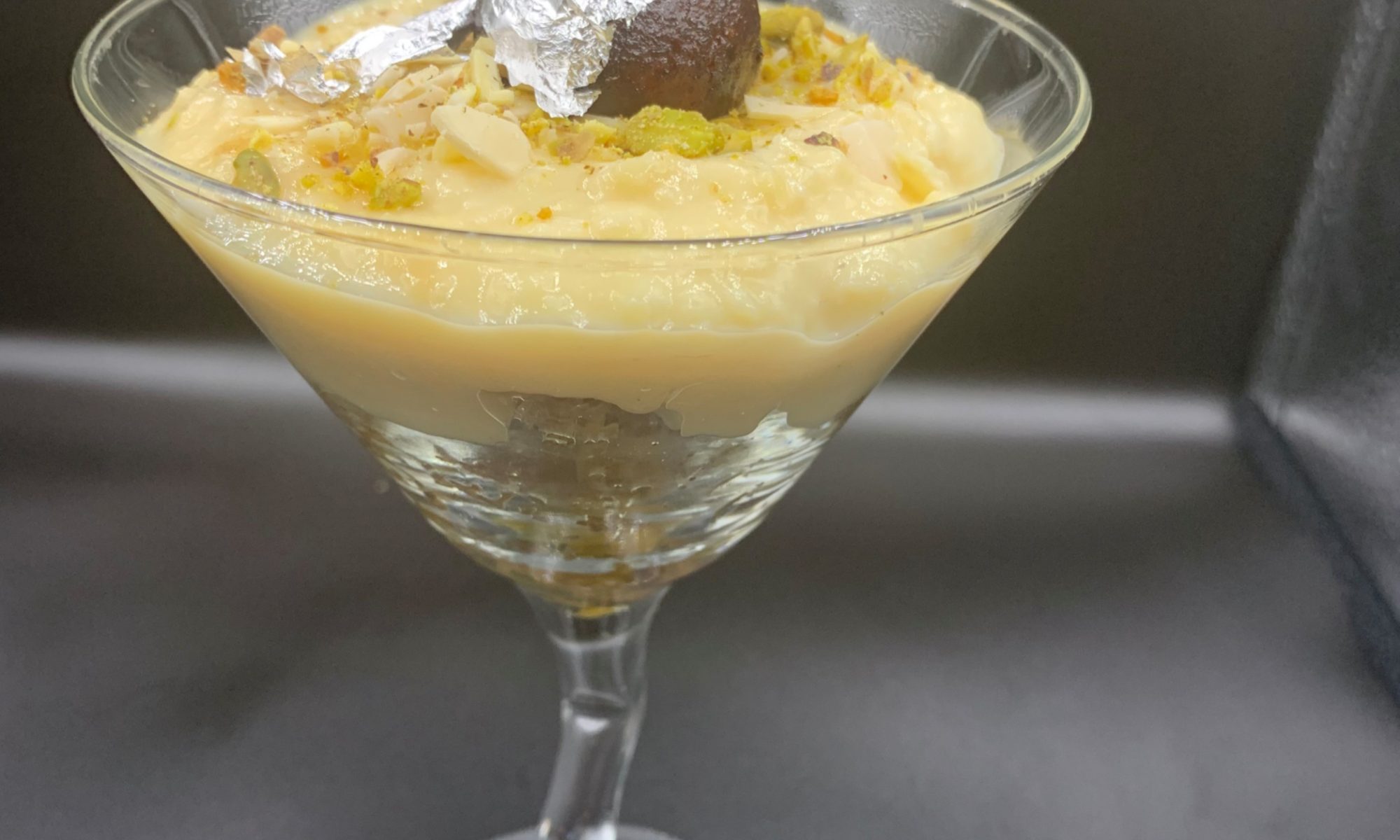
This dish is made with Khoya seviyyan, Rabri and Gulab Jamun. The name is a given by my youngest sister in law who suggested the name after looking at the pictures of the dish and I feel it couldn’t have had a better name. All three dishes are made separately and put together. The recipe for each dish is available on this site.

The sweet dishes can be made well in advance and can be put together at the day of the party.

Rabri

Rabri has been one of my most favorite sweet dishes ever. The thick mavaa and just perfect amount of sugar makes this dish delicious enough to die for. There is a very old shop/ small eatery in my hometown Jodhpur that is popular for Rabri, Lassi and Kulfi. They sell amazing Rabri which is something I have to eat on every visit. But, the sad part is that I visit my hometown only during the scorching summer days and as much as I love to try all my favorite foods, it kind of gets impossible to enjoy them the way i should. Rabri happens to be one of them. Summer days do not make you crave for milk based sweets.

Rabri is a gift of Mughals to India. Just like they brought in Gulab Jamuns and jalebis, or any other sweet dish that requires sugar syrup, they also brought in sweets that are made from milk solids and require thickening of the milk. Mughals were very dedicated to cooking good and rich food. The use of dry fruits, nuts, cream, Khoya, Kewra or screwpine water, orange blossoms or even rose water comes in from them. An amazing addition to India food, that foodies like me love reading about.

Anyways, I definitely cannot change the time I travel to Jodhpur and there was no way my cravings could be turned off. So I did what people like me are born to do…. Make my own Rabri. And boy, that was one of the best decisions I ever made. I still remember making it the first time, not being sure of whether the 2 liters of milk would go down the drain and saying my silent prayers that even if this Rabri came out half as good as what I like, I would be immensely happy. To my surprise, my hard work paid off so well that what I made was the best Rabri I have ever tasted. Amazingly delicious, thick, perfectly sweet and a teaspoon in your mouth makes you sweetish romantic.

The key to a perfect Rabri….apart from the ingredients, time, patience and a good cooking saucepan. You will need Milk, sugar, Kewra water and Khoya. You are required to use Whole Milk because you will have to take the cream off every 5-7 minutes and stir that cream into the milk. You need time to make rabri and undivided attention, which I believe we need each time we make any milk based sweet, but slightly more when it comes to Rabri. The milk has to be cooked on very low heat and needs constant stirring. It has to be cooked till it remains only quarter of the original quantity. In between that we add Khoya and sugar and cook it more since Khoya tends to make the milk thick, sugar on the other hand releases water. It needs constant stirring. Adding cardamom powder and Kewra water gives it an appetizing fragrance. You can also add saffron strands like I did, but its completely optional.

Rabri once cooked needs to cool down and refrigerated for at least 6-7 hours before you serve it. Rabri can be perfectly served by itself but also goes well with warm sweets, mostly Jalebi and Malpuas. This dish can be refrigerated for a week. Enjoy!!!