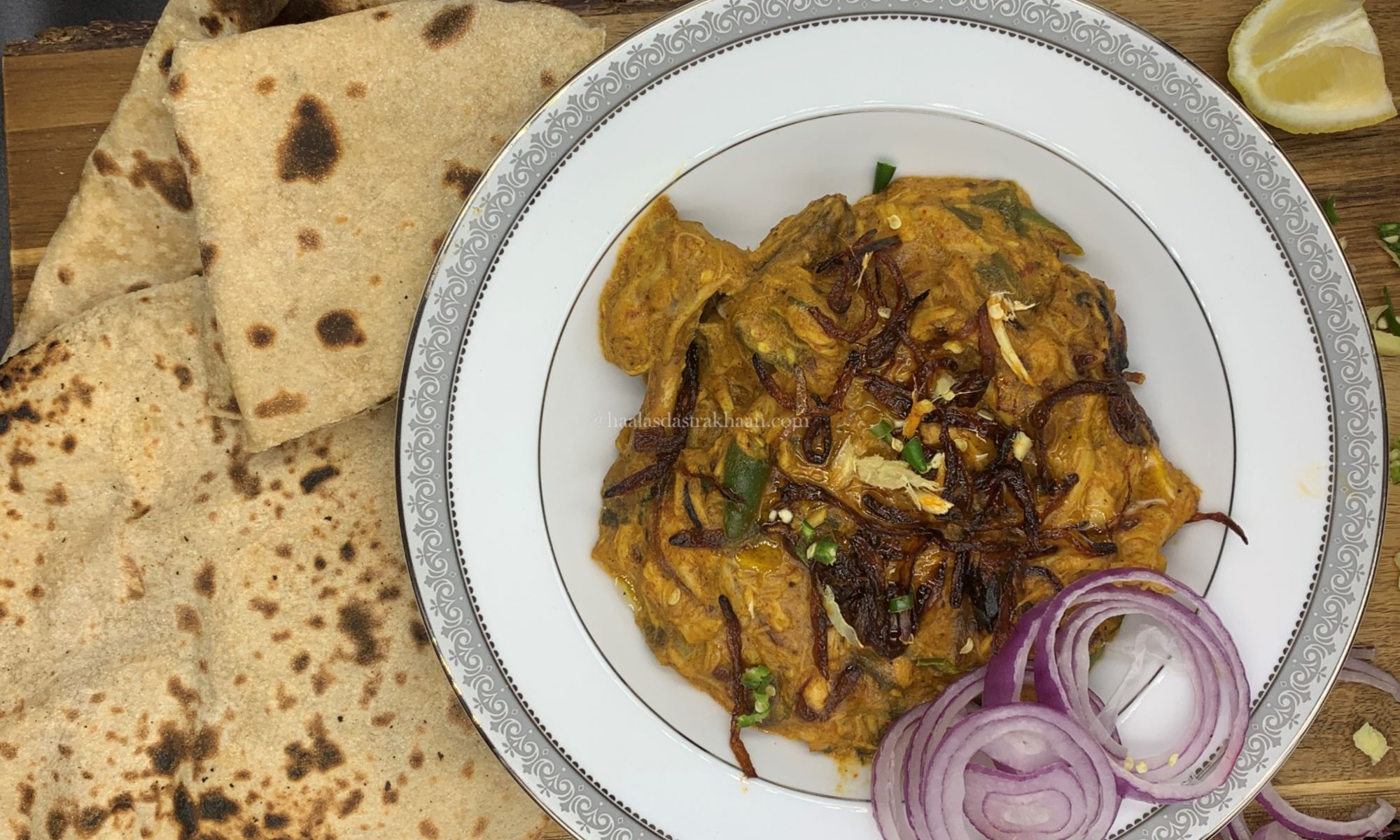
Nihari is a traditional Muslim delicacy with its roots in the royal Mughal kitchens. Over time, different regions embraced the dish and added their own local twists, creating the rich variations we enjoy today.
The name Nihari comes from the Persian word “Nahar,” meaning early morning—and true to its name, this slow-cooked, aromatic stew was traditionally enjoyed for breakfast.
It’s a rich, hearty dish—and honestly, it makes perfect sense that it was served in the morning. With its deep spices and slow-cooked meat, Nihari can feel a bit too indulgent for any other meal. Its true flavor unfolds only with time. Traditionally, chefs would let it simmer overnight, allowing the spices and meat to meld beautifully. While that may not always be practical today, patience still makes all the difference. Cooking Nihari gently on low heat in a heavy-bottomed pan brings out its signature depth, aroma, and soul—what truly makes this dish so special.
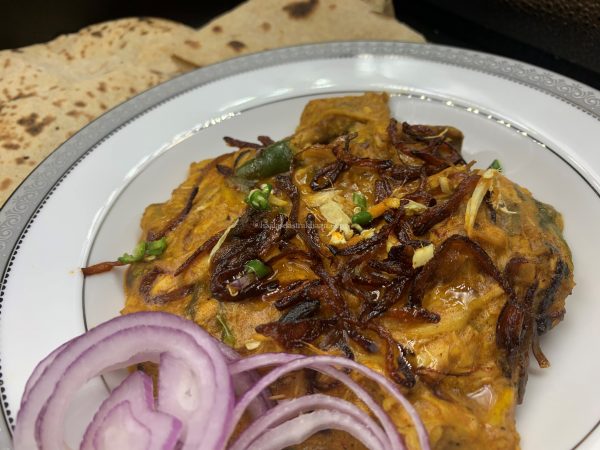
Nihari is always finished with barista—crispy fried onions—along with julienned ginger, green chilies, fresh coriander, and a final squeeze of lemon. As a teenager, I watched my mother make Nihari at home, sometimes with mutton, sometimes with chicken. I had eaten it countless times, yet never once felt the urge to cook it myself.
In the beginning, my mom relied on store-bought Nihari masala packets from Delhi. Over time, though, she began to experiment. The packets listed the ingredients, and through rounds of trial and error, she discovered the perfect balance for each spice. Before long, she was grinding her own Nihari masala—deeper, more fragrant, and far more authentic than anything that ever came out of a packet.
I’ve had Nihari more times than I can count, and it’s easily one of my all-time favorite dishes. Yet somehow, I never felt the urge to make it myself. It was only after experimenting with different chicken curries that I finally decided to try my hand at Chicken Nihari. I called my mother, asked for her spice proportions and method, and finally took the plunge.
My mother always cooked Nihari in ghee. But during a trip to Jama Masjid in New Delhi with Mr. Parveez, we learned something interesting. While chatting with the chefs and staff at a local restaurant, we discovered that traditional Delhi-style Nihari is actually cooked in mustard oil. It may sound unusual, but that is the truly authentic method.
When I finally made it myself, I couldn’t bring myself to use only mustard oil—it’s quite strong. So I balanced it with a little olive oil and still used ghee for the tempering. The result was a version that stayed true to tradition, yet felt perfectly suited to my own taste.
The spice mix is what gives Nihari its earthy aroma and deep, soulful flavor. It’s spicy, but not the kind of heat that brings tears to your eyes—rather, it’s balanced, layered, and deeply comforting. What truly elevates the dish, though, are the toppings: barista, thin slices of ginger, chopped onions, and green chilies. Don’t skip them if you want the full Nihari experience.
You can skip the fried onions and julienned ginger at the end—but I’d strongly recommend adding them. The gentle sweetness of the barista beautifully balances the spices, bringing the whole dish together. Nihari carries a long and storied history, and while the preparation may seem simple, it demands patience and care. It takes time and a little effort—but with that very first spoonful, you know it’s completely worth it.
| Prep Time | 10 minutes |
| Cook Time | 2 hours |
| Servings |
people
|
- 1 Lb Chicken [with bones] cut into small pieces
- 4-5 No. Green cardamom
- 2-3 No. Dry red chilies
- 1 No. Star Anise
- 1/2 tsp whole black pepper
- 1 No. Mace
- 2 tsp Fennel seeds
- 1 tsp Cumin seeds
- 1 tsp Coriander seeds
- 2 No. cloves
- 1 No. Cinnamon stick small size
- 2 tbsp Ginger garlic paste
- 2 No. Onions Medium size, sliced
- 4-5 No. Green chilies sliced
- 1 cup Coriander leaves chopped
- Salt As per your taste
- 1 tsp Red chili powder less if you want it mild
- 1/2 tsp Turmeric Powder
- 1-1.5 cups Yogurt
- 2 tbsp Whole wheat flour Mix it in 1/2 cup of water
- 1 tbsp Mustard oil optional. You can use only ghee or any other oil of your choice
- 2 tbsp Ghee
- 2 tbsp olive oil
Ingredients
|
|
- We feel Nihari goes best with Phulka or Roomali Roti but if you want, you can also serve it with Parantha.
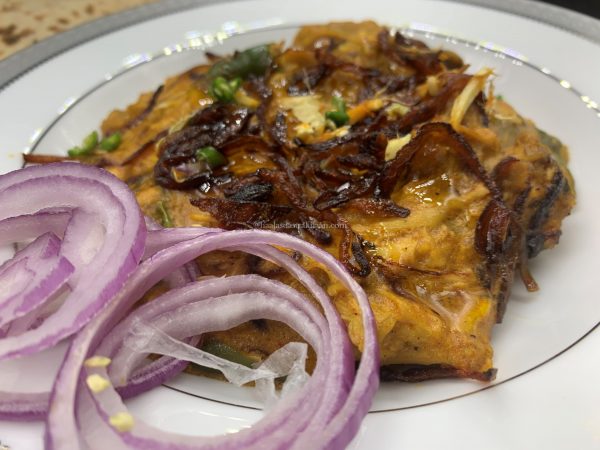
- Serve the Nihari for Breakfast or even Lunch or Dinner. This curry might take longer to cook but the recipe is pretty easy and great for beginners.
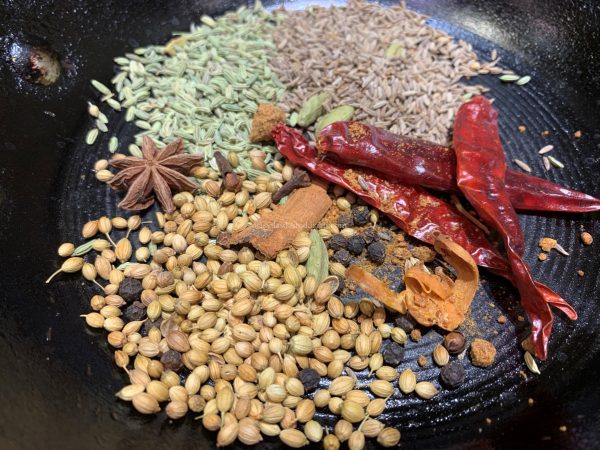
- Roast Green cardamom, Dry red chilies, cinnamon stick, whole black pepper, fennel seeds, cumin seeds, Mace, Coriander seeds, and cloves. Once roasted, grind it to a fine powder.
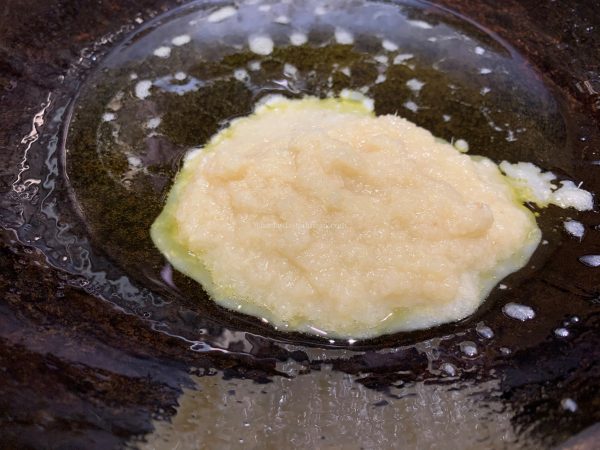
- Add Mustard oil and Olive oil to a pan. Add Ginger garlic paste and saute till the raw smell goes away.
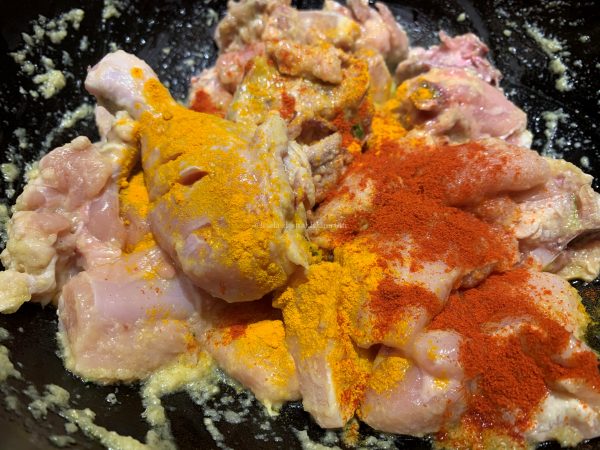
- Add Chicken and cook for 2-3 minutes. Add Turmeric Powder, Red chili Powder, and Salt. Saute for few minutes till the chicken changes color.
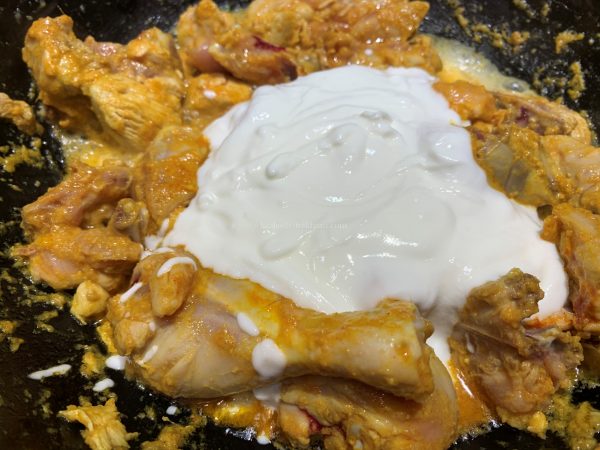
- Add Yogurt and mix well.
- Add 3-4 cups of water.
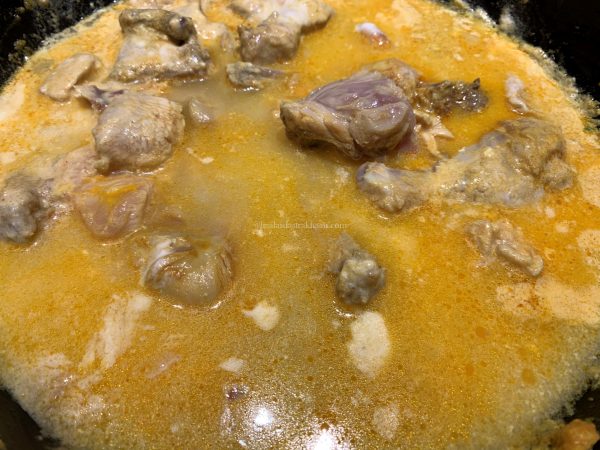
- Let the chicken cook on low heat slowly for around an hour.
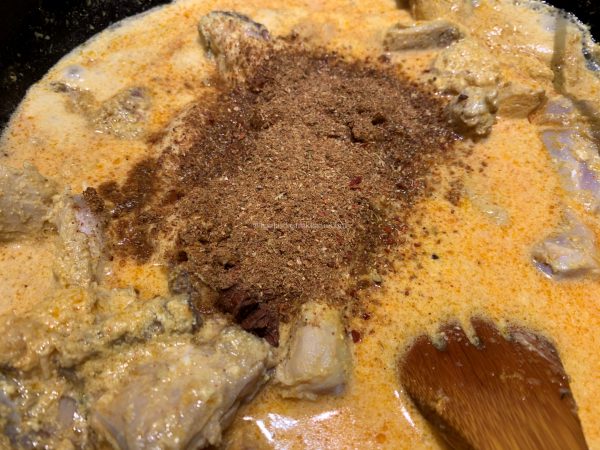
- Run a fork through the chicken so the meat gets off the bone. Add the spice powder and another cup of water and let it cook on low heat for another 30 minutes.
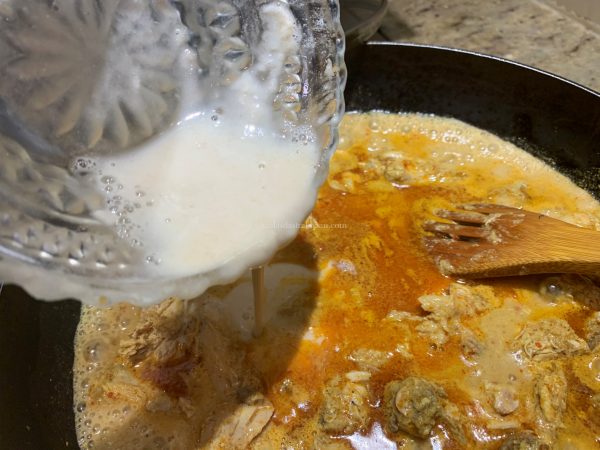
- Now add the flour paste. This would thicken the curry.
- Add the sliced green chilies.
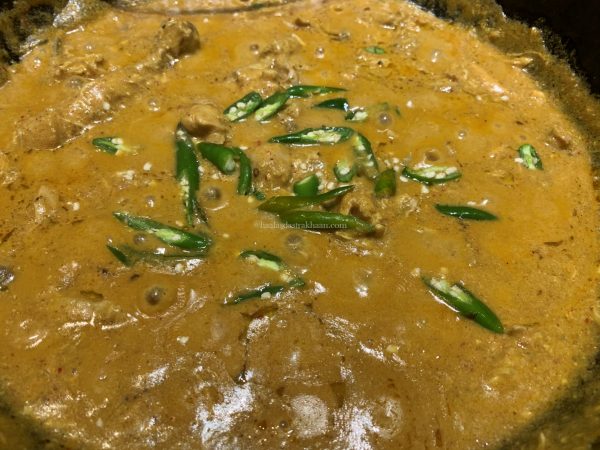
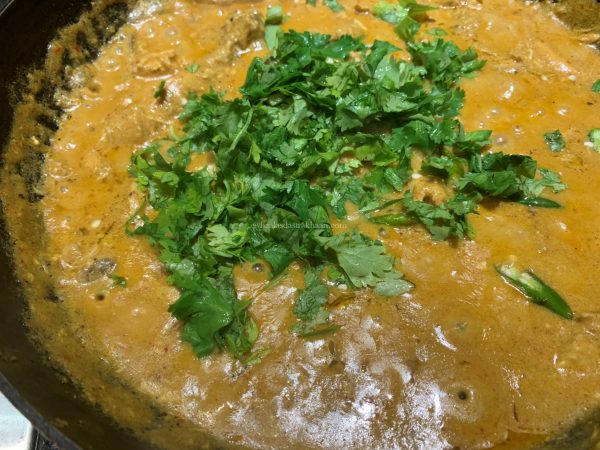
- Add the coriander leaves and mix well. Let it simmer while we prepare the tempering.
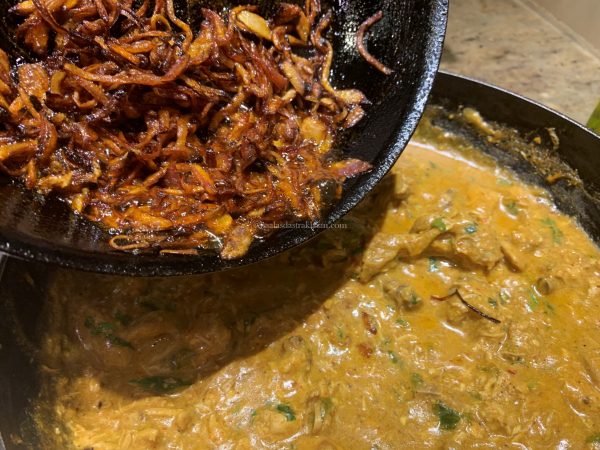
- Add Ghee to another pan. Add sliced onions.
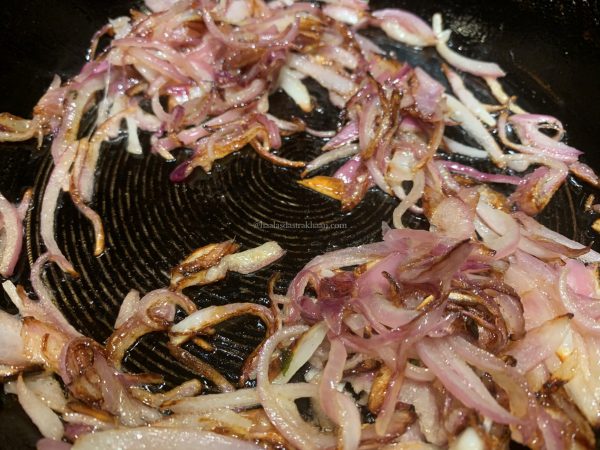
- Cook till the onions turn golden brown. Add a pinch of red chili powder.
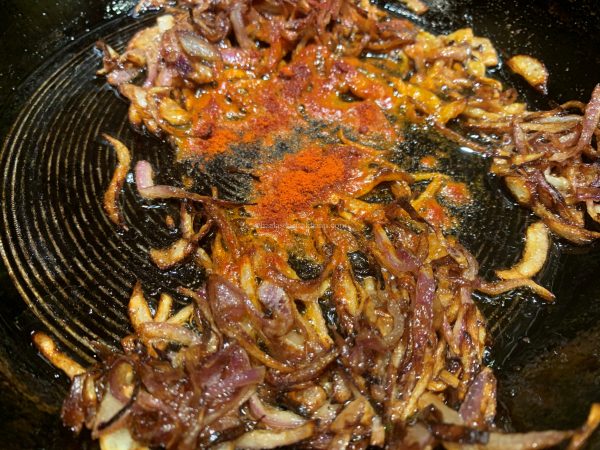
- Add the tempering to the Chicken curry.
- Serve with Ginger juliennes, sliced onions, and Lemon.