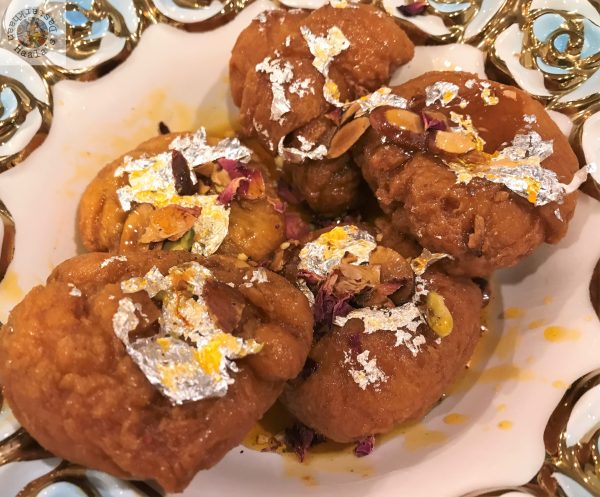
Some sweets are forever tied to celebrations. One bite, and you’re instantly transported to festivals, laughter, lights, and family gatherings. For me, Badusha — or Balushahi — will always be connected to Diwali. I still remember visiting friends during the festival and being served plates of homemade or carefully selected store-bought Badushas, each one flaky, rich, and absolutely irresistible.
This post probably should have gone up during Diwali, but honestly, sweets don’t need an occasion — just a craving, a little enthusiasm, and the time to make them. Diwali may be over, but my love for Indian mithai certainly isn’t. When the craving strikes, there’s no reason to wait.
Living in the USA, I rarely find Badusha easily available, mainly because it isn’t as widely known here. I suspect that if more people tasted it, it would quickly become a favorite. So I decided to make it myself. After several not-so-successful attempts, I finally perfected the recipe — and it was absolutely worth the effort. Some cravings are simply too strong to ignore.
This sweet also carries personal memories. My mom is a huge fan, and I’ve heard stories that Balushahi was one of the sweets served at my parents’ wedding. In my hometown of Jodhpur, there’s an old sweet market area known as “Pongal Pada,” famous for its variety of Badushas in different colors, textures, and finishes. There, they are often called Maakhan Bada, which loosely translates to sweets made with butter. While traditional Badusha is soaked in sugar syrup, Maakhan Bada is typically coated with a thick layer of crystallized sugar — somewhat like a firm fondant shell — giving it a distinct texture and appearance.
Once I finally cracked the recipe at home, there was no looking back. These turn out beautifully flaky on the outside, soft yet layered inside, and perfectly sweet without being overwhelming. And let’s be honest — this is not the kind of dessert anyone eats just one of. One quickly turns into two… and then maybe three.
Known as Balushahi in North India and Badusha in South India, this beloved mithai transcends regional names. No matter what you call it, the experience is pure indulgence — buttery, crisp, syrupy, and deeply satisfying.
If you’ve never tried making it at home, I highly encourage you to give it a go. Once you taste a freshly made batch, you may never feel the need to buy them from a sweet shop again.
I hope you enjoy these as much as I did — flaky, festive, and full of nostalgia in every bite. 🍬✨
| Prep Time | 5 minutes |
| Cook Time | 25 minutes |
| Passive Time | 1 hour |
| Servings |
Pieces
|
- 1 cup All purpose Flour
- 1/2 tsp Baking powder
- 1/8 tsp Baking soda
- 1 tbsp Yogurt
- 1/4 cup unsalted butter You can also use Ghee
- 1.5 - 2 tbsp ice cold water
- 1.5 cup granulated Sugar
- 1/3 cup Water
- 1/4 tsp cardamom powder
- 1/2 tsp Kewra water Screwpine water
- 1/8 tsp saffron strands
- 1-2 tsp Almonds and Pistachios crushed or chopped
- 1 sheet silver leaf optional
- 1-2 tsp Dry Rose petals
Ingredients
|
|
- Take a large mixing dish. In a sifter add all purpose flour, baking powder and baking soda. Sift everything together.
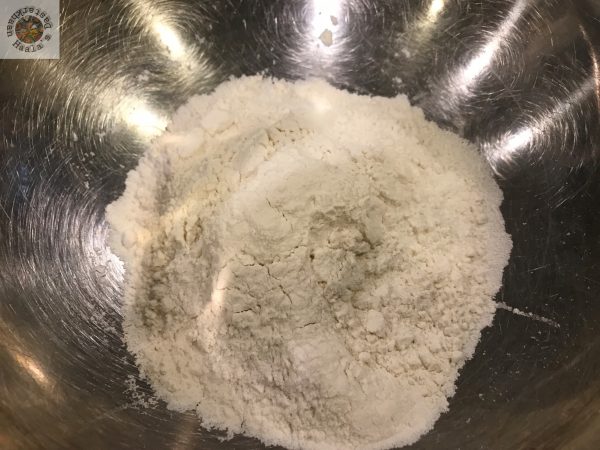
- Add Butter and mix it in.
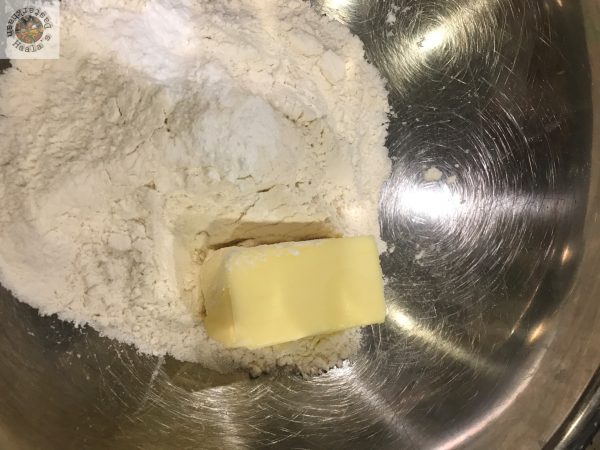
- The Mixture at this point should be crumbly.
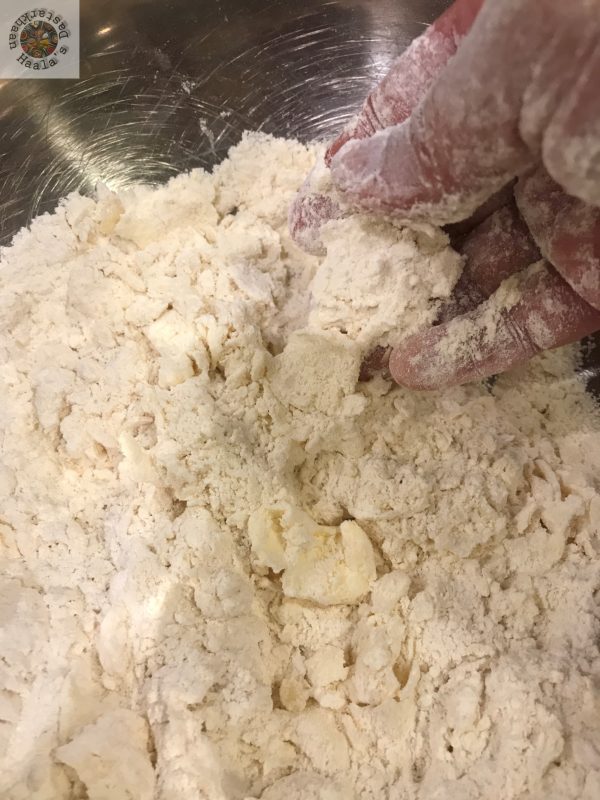
- Add Yogurt and mix it in well, followed by ice cold water making a dough.
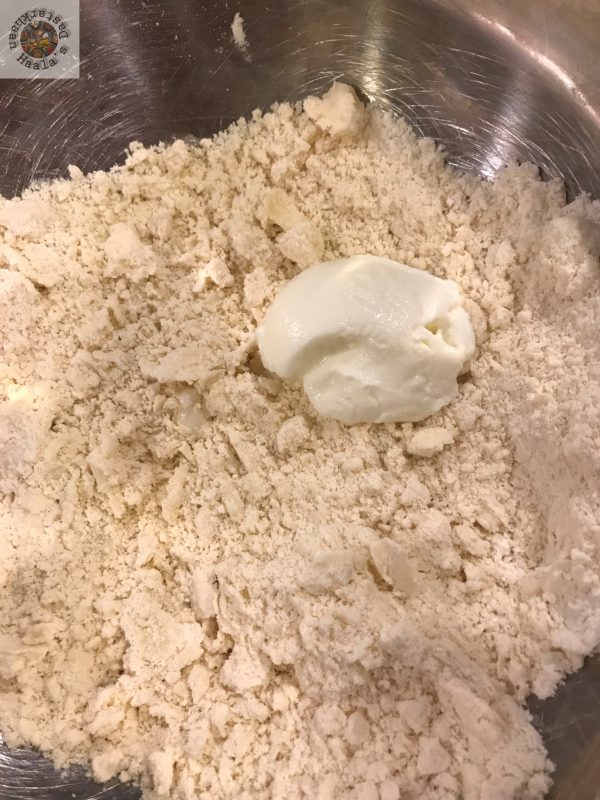
- Smooth the dough out as much as possible. It will be never be completely smooth and will have cracks which is exactly how it should be, resembling a Gulab Jamun dough. Cover and let the dough rest for around an hour.
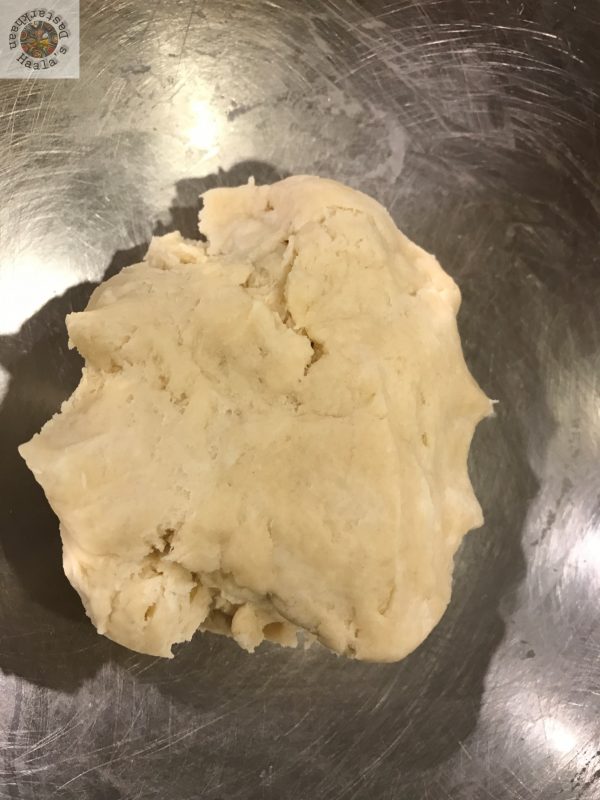
- Flatten the dough with the help of your palm and fold it a couple of times to form few layers. Finally shape it in a log.
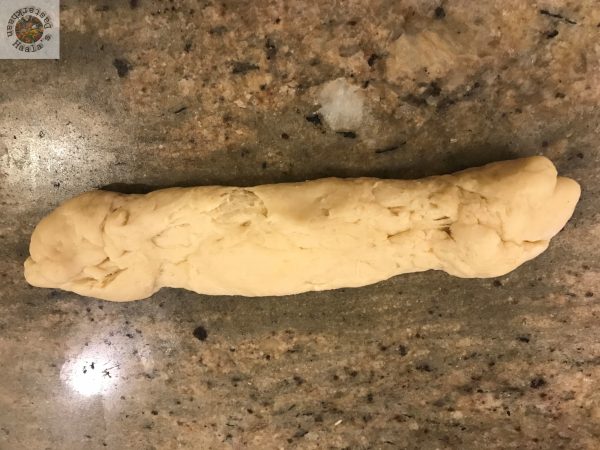
- Cut it to equal parts.
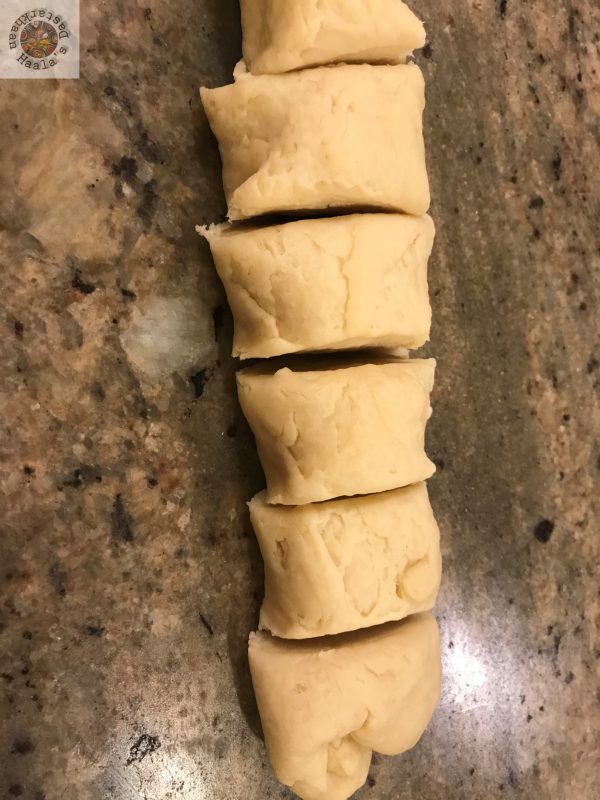
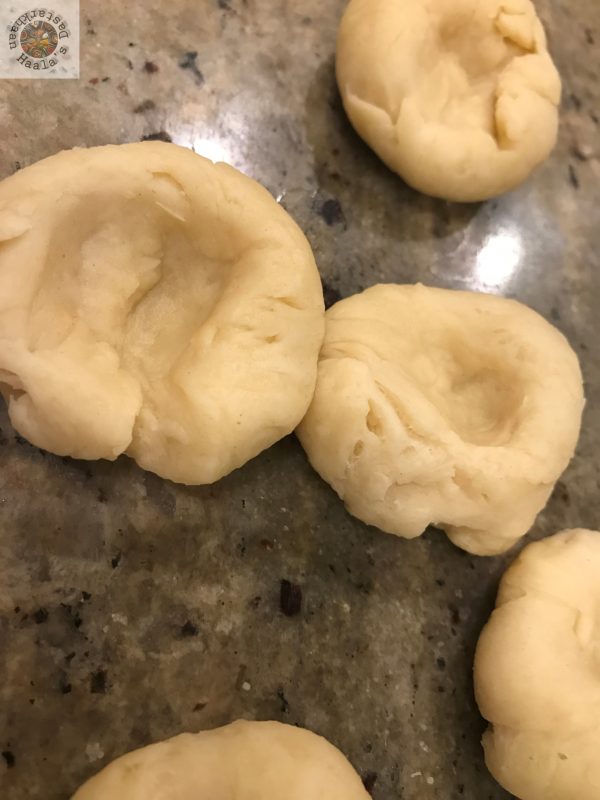
- Take each dough ball and roll it gently in your palm to soften the dough. Roll it furter to make a flat ball. Make a deep dent in center. Prepare all balushahi like this.
- Place a wok over medium heat. Then add oil. To check correct temperature add a small dough ball if it bounce back after 2- 3 seconds to surface of oil it means that's correct temperature. Then add dough balls . They will sink down and release small bubbles. Once sizzling stops completely, keep on the stove on low to medium heat so the Badusha balls cook completely from inside.
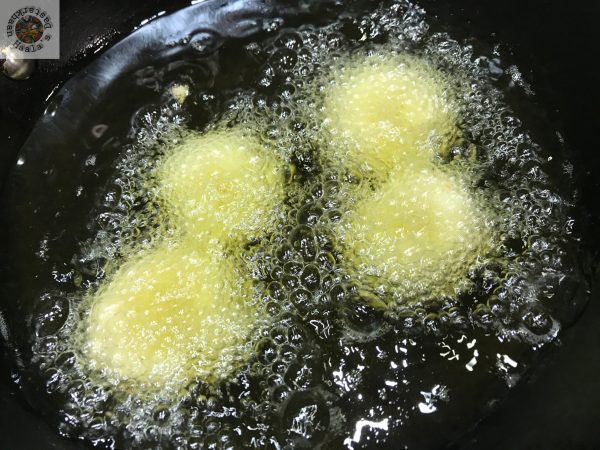
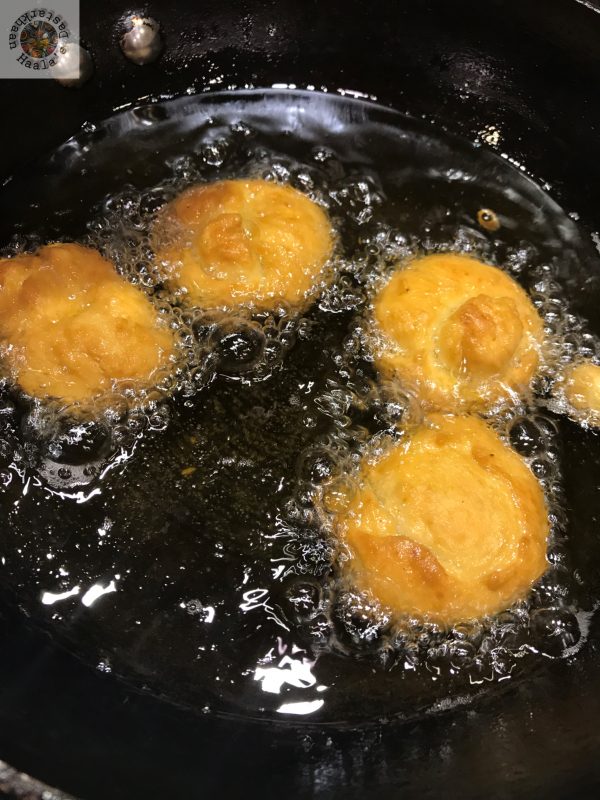
- Let them cook till they floats to surface of oil. It means they have cooked on lower side. Flip them to cook another side. The balls need to be cooked evenly from all sides. The color should change to light brown. Take them out and drain them on a paper towel to remove excess oil.
- Place another pan over medium heat. Add water and sugar. Let the sugar dissolve and come to a boil and add crushed cardamom and saffron strands. Simmer the sugar syrup for 2-3 minutes. Add the kewra water too. The syrup should have a one thread consistency. Dip the fried Badusha balls for 10 seconds.
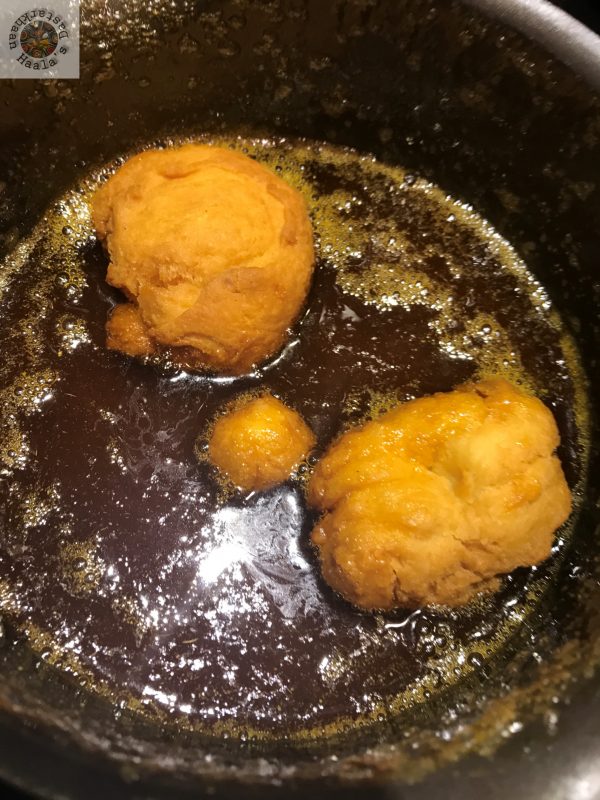
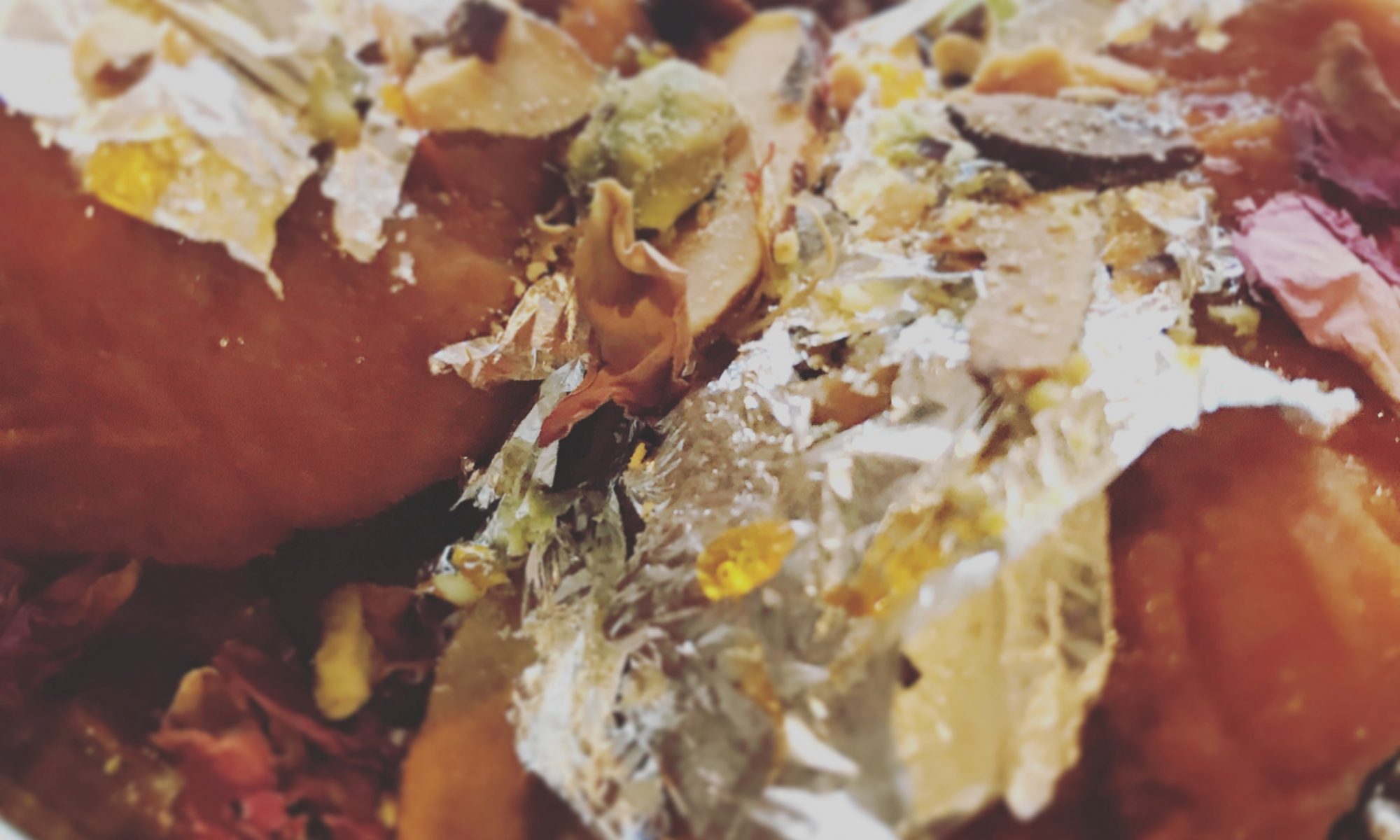
- Decorate with silver leaf and chopped nuts. Serve warm or on Room temperature.