I’m from Rajasthan, and I grew up eating samosas as a regular part of life. The classic potato samosa — aaloo ke samose — was everywhere, and every shop seemed to have its own signature flavor. Some were absolutely delicious, others not so much, but one thing I always loved was the crisp, flaky outer crust. In fact, for a long time, that was my favorite part. The only filling I truly adored back then was the kheema samosa my mom used to make at home.
I never enjoyed bland fillings, so whenever the spice level was low, I would lose interest quickly. Over time, as I tasted more varieties, I realized that it was the spicy, punchy samosas that won my heart every single time.
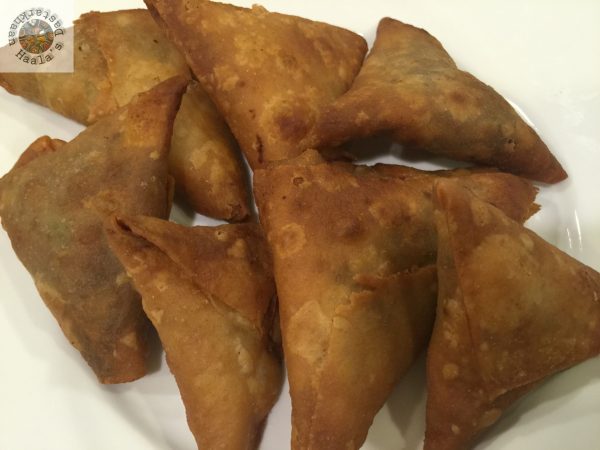
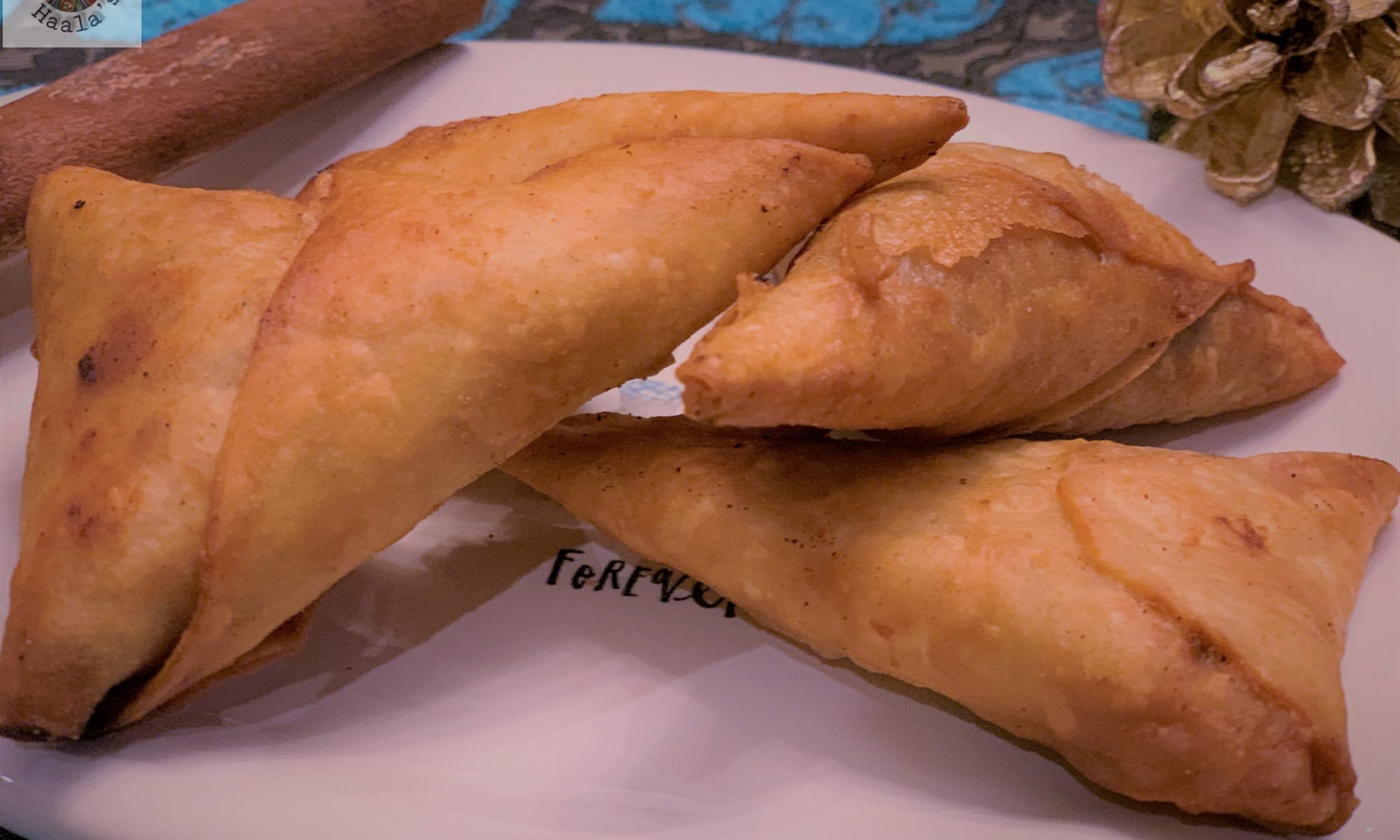
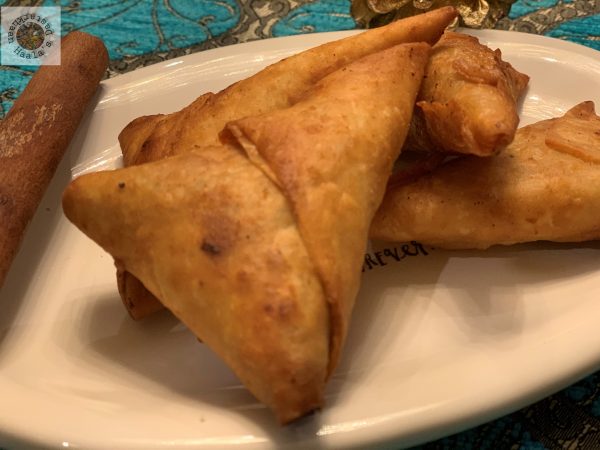
After I got married, I discovered a completely new favorite. During one Ramadan in Bangalore, we tried the famous Ramadan special onion samosas — Pyaaz ke Samose — and instantly fell in love with them. Crisp, aromatic, slightly sweet from the onions, and perfectly spiced, they were unlike any samosa I had eaten before.
There’s a common misconception that Ramadan food for Muslims is mostly non-vegetarian, but that couldn’t be further from the truth. Our iftar tables are filled with a beautiful mix of vegetarian and non-vegetarian dishes, each with its own tradition and story. These onion samosas are a perfect example — simple ingredients transformed into something truly special.
They are most commonly made during Ramadan, though a few Muslim shops prepare them year-round. Still, there’s something about foods made in that month — perhaps the anticipation, the hunger, the togetherness — that makes them taste extra special. It’s a flavor that’s hard to recreate outside that atmosphere.
Since we don’t get these samosas where we live now, I decided to try making them at home. After several rounds of trial and error, I finally arrived at a version that tastes just the way we remember — crispy on the outside, flavorful on the inside, and utterly addictive.
If you enjoy onion samosas and want to recreate that Ramadan magic in your own kitchen, I highly recommend giving these a try. I hope you love them as much as we do. 🥟✨
| Prep Time | 10 minutes |
| Cook Time | 1 hour |
| Servings |
people
|
- 2 cups All purpose Flour
- 3 tbsp olive oil For the dough
- Salt
- 3/4 cup Water
- 2 tbsp olive oil For the filling
- 1/2 tsp Fennel seeds
- 1/4 tsp Cumin seeds
- 7-8 No. Green chilies chopped, less if you prefer less spicy
- 2 No. Onions sliced
- 1/4 tsp Turmeric Powder
- Oil For Frying
- 2 tbsp Aata or flour mix in 5-6 tbsp of water to form a paste
Ingredients
|
|
- Mix Oil and little salt in the flour.
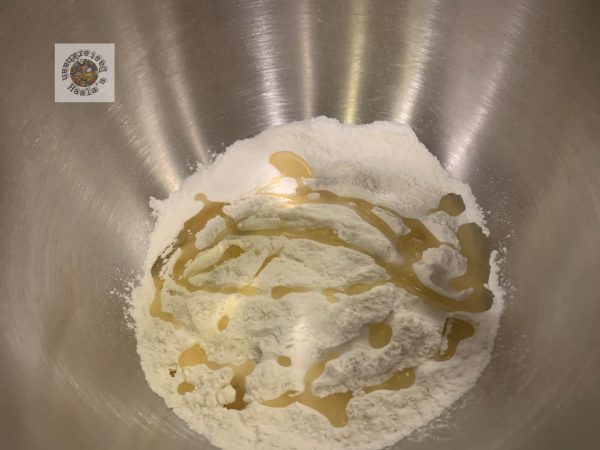
- Add water little at a time and make a soft dough.
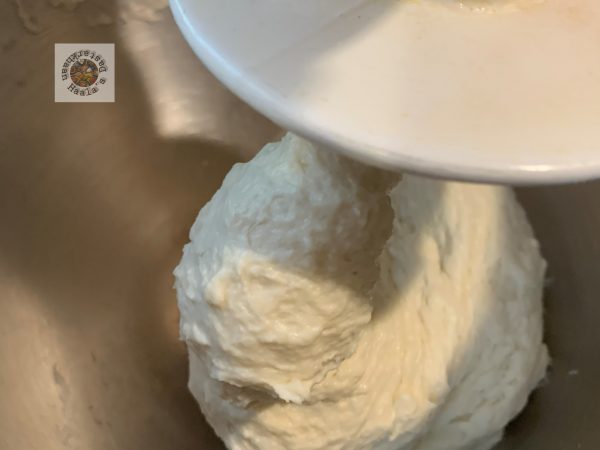
- Keep the dough covered for 30 minutes.
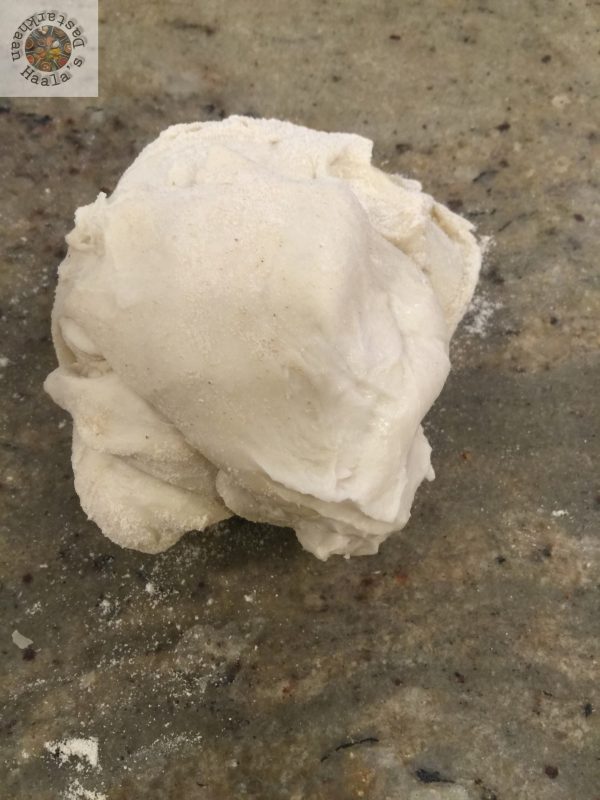
- Divide the dough in to small equal balls
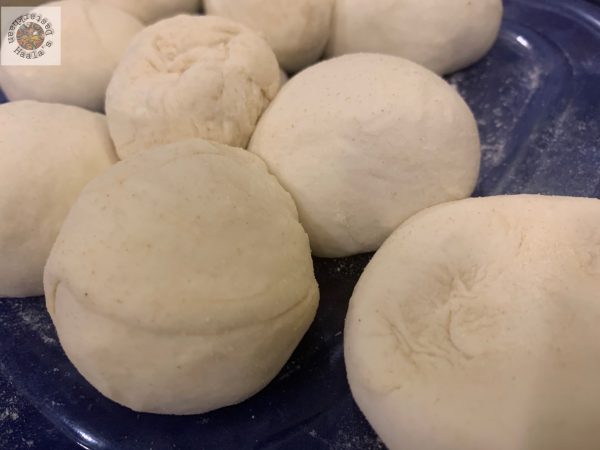
- Roll them out as thin as possible.
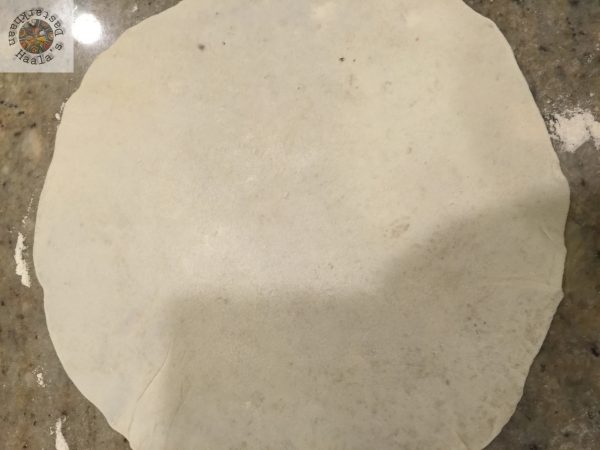
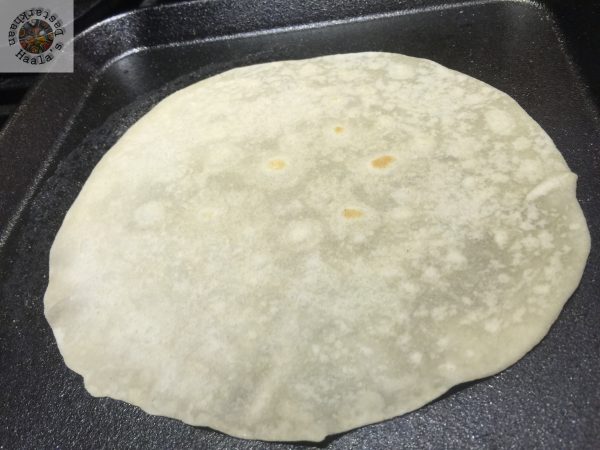
- Roast it lightly on the tava. Do not cook it as much as a phulka, it just needs to be cooked for 15 seconds each side.
- Cut the sides making a long rectangle.
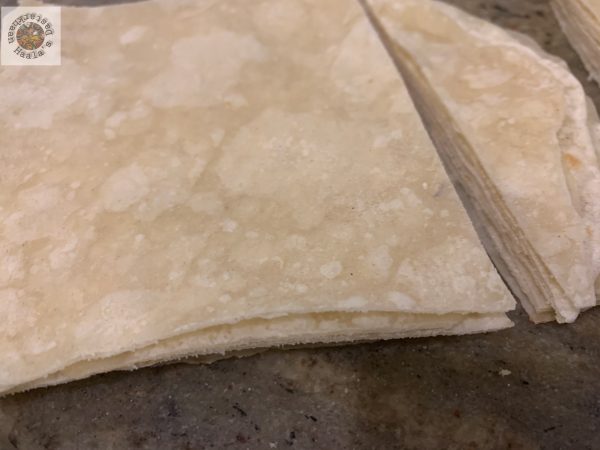
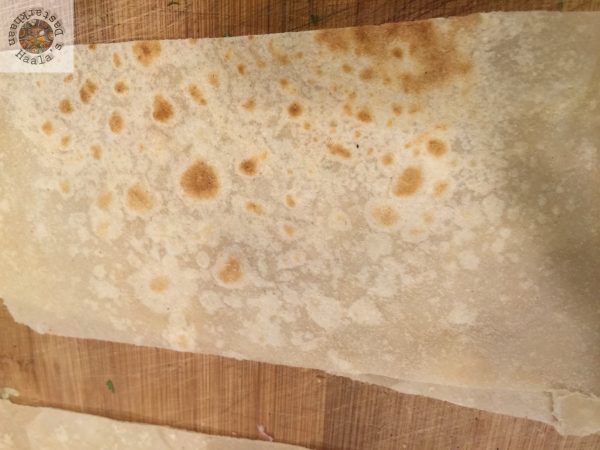
- They should be thick long Rectangular strips.
- Add oil to a pan. Add fennel seeds and cumin seeds. Let them splutter and add green chilies.
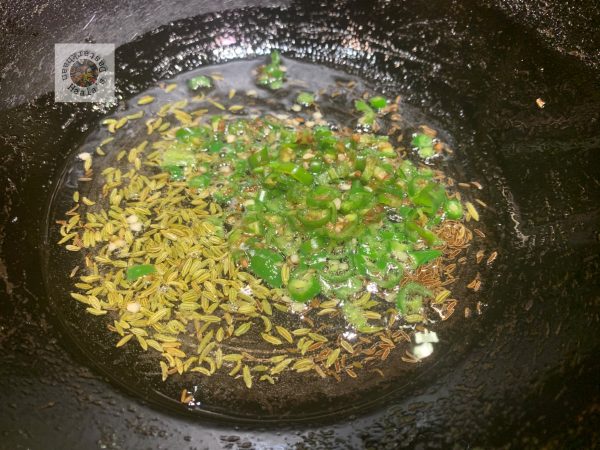
- Add Onions and coriander leaves.
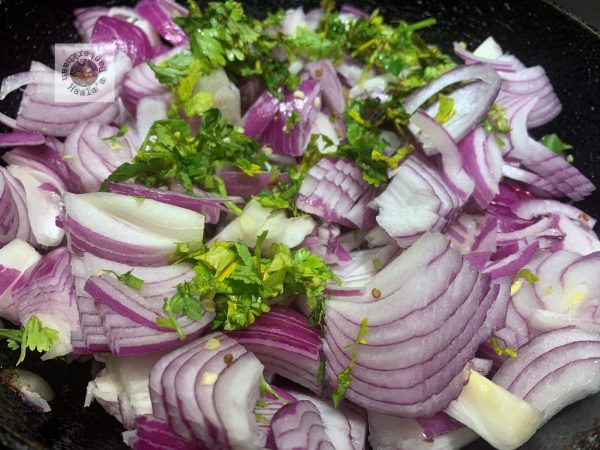
- Add salt and Turmeric powder.
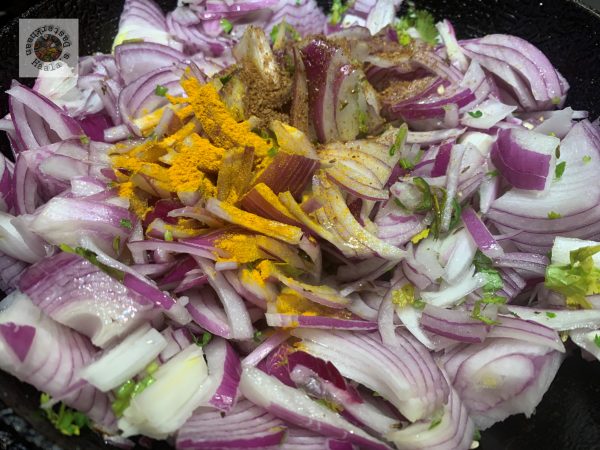
- Keep cooking till everything is cooked and the mix is completely dry.
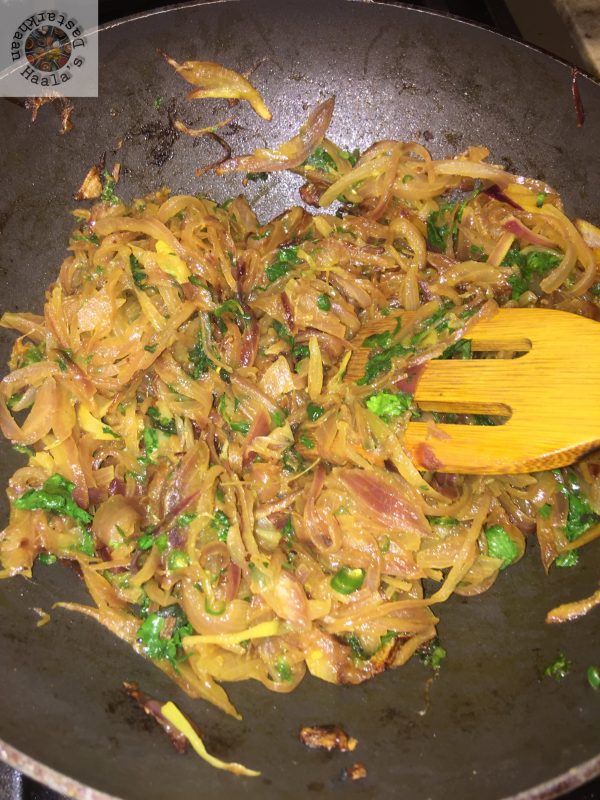
- Add little filling to the rectangular strip.
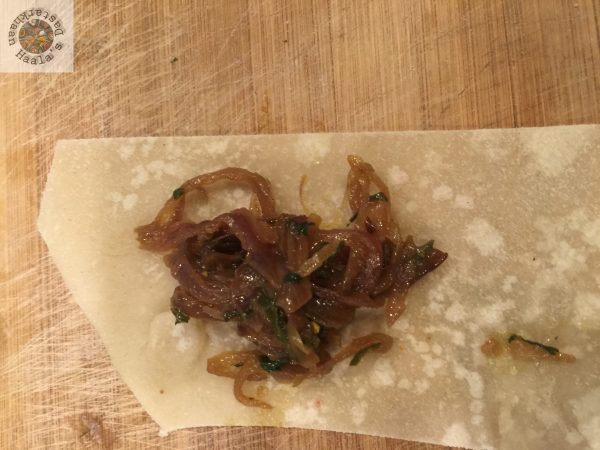
- Roll vertically in triangle shape. Apply the flour paste like a glue.
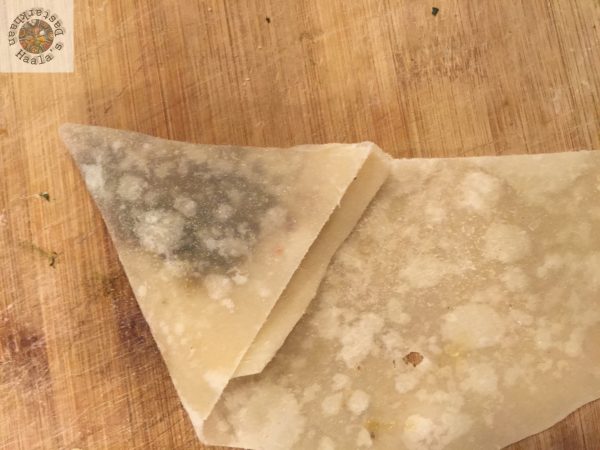
- Keep rolling till it forms a shape of a samosa.
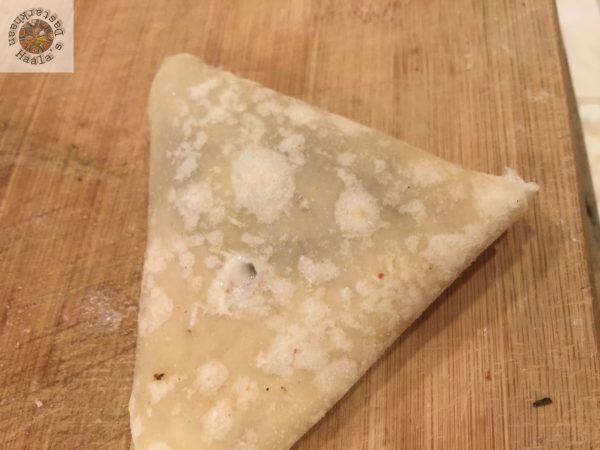
- Fry them till light brown or golden brown.
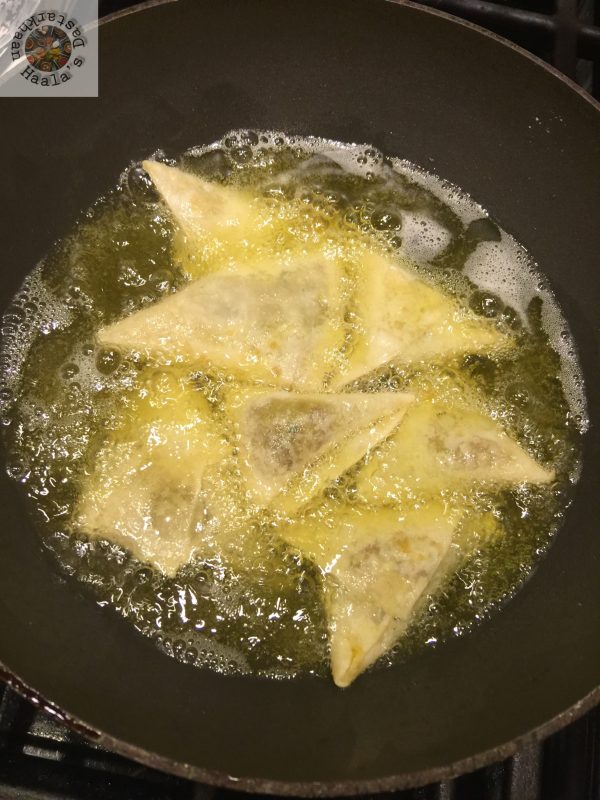
- Serve hot.