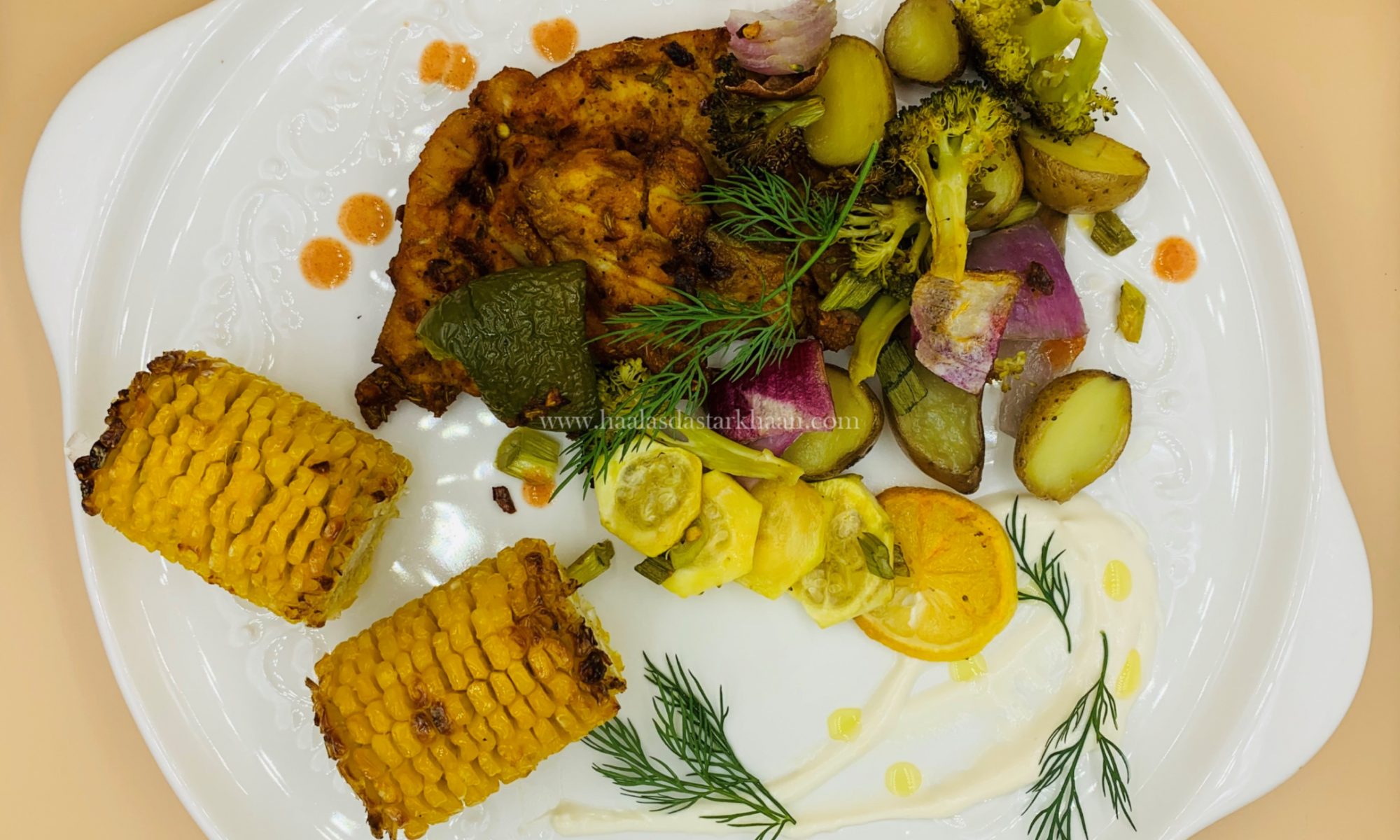
Chicken Veggies oven special

With all the different kinds of foods that we consume, at times you just feel that your tummy needs a break. You feel you need more veggies, less oil, fewer carbs, in all just a healthy meal. But, the problem that people like me face is that we also need something that tastes scrumptious and good along with all the health benefits.

Specially, if you have children as demanding as mine, you basically fight a battle. When the demand is to make veggies look more appealing and to make their protein go leaner without them noticing. That’s when dishes like this are invented.

This Chicken is marinated with spices making it flavorful. The spices can always be switched or played around with. I added Tandoori powder and Red chili powder to make the flavors a little more spicy, but you can always reduce the quantity or omit the spices altogether. I find this a great recipe for easy lunch and dinner.

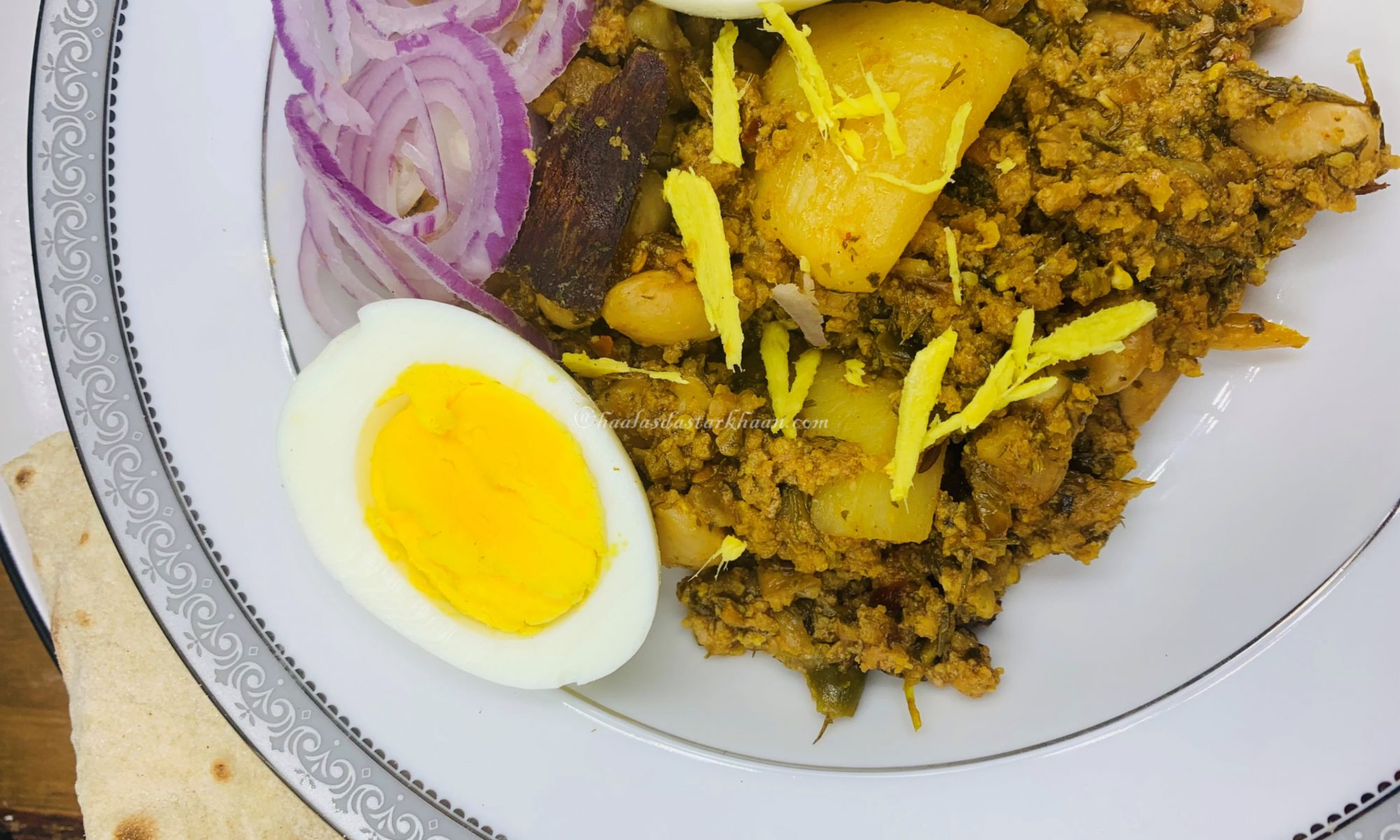
Bangalore Muslim Kheema

Kheema curry can be prepared in countless ways, each region and family giving it a personality of its own. Growing up in Rajasthan, the kheema I knew was always my mother’s — simple, comforting, and almost always reserved for picnics and long road trips. She would typically make Kheema with aaloo (potatoes) or Kheema with matar (peas). What I never saw in her kitchen was a version loaded with multiple vegetables together.

I do remember her mentioning that my grandmother liked adding cauliflower to kheema, though I don’t recall ever tasting it myself. And to be honest, I’ve never attempted it either — mostly because Mr. Parveez isn’t a fan of cauliflower. Some culinary traditions quietly skip a generation, especially when family preferences step in.

Then there were the unforgettable versions from our travels. In Old Delhi, near the Jama Masjid area, we would wake up early just to enjoy a hearty breakfast of kheema served with hot tandoori roti. Sometimes it would be accompanied by nahari or paaye — rich, slow-cooked dishes that could turn any ordinary morning into something special. Another favorite that captured my heart was Mumbai’s Kheema Paav, with its slightly tangy tomato base, often made with chicken, and served with buttery toasted buns. Those breakfasts are memories I still cherish, and recipes for both the kheema and the paav will be coming soon.

But the recipe I’m sharing here is completely different from all of those. This one comes from Mr. Parveez’s family — a style of kheema commonly prepared in many Bangalore Muslim homes. Passed down from his mother, we fondly call it “Ammi wala Kheema,” because it carries her unmistakable touch and warmth.

The preparation begins with finely chopped onions slowly sautéed in oil or ghee along with fragrant whole spices. Ginger-garlic paste follows, then the goat kheema, ground spices, and tomatoes. What truly sets this version apart, however, is the generous addition of vegetables — potatoes, beans, fresh fenugreek leaves, and dill leaves — all simmered together until the flavors meld beautifully. The herbs add a depth and freshness that makes this dish both hearty and uniquely aromatic.

Although it’s traditionally enjoyed as a breakfast dish, this kheema is wonderfully versatile. It tastes just as delicious for lunch or dinner, served with roti, bread, or even rice. Comforting, wholesome, and deeply rooted in family tradition, this “Ammi wala Kheema” is more than just a recipe — it’s a piece of home on a plate. 🍲✨

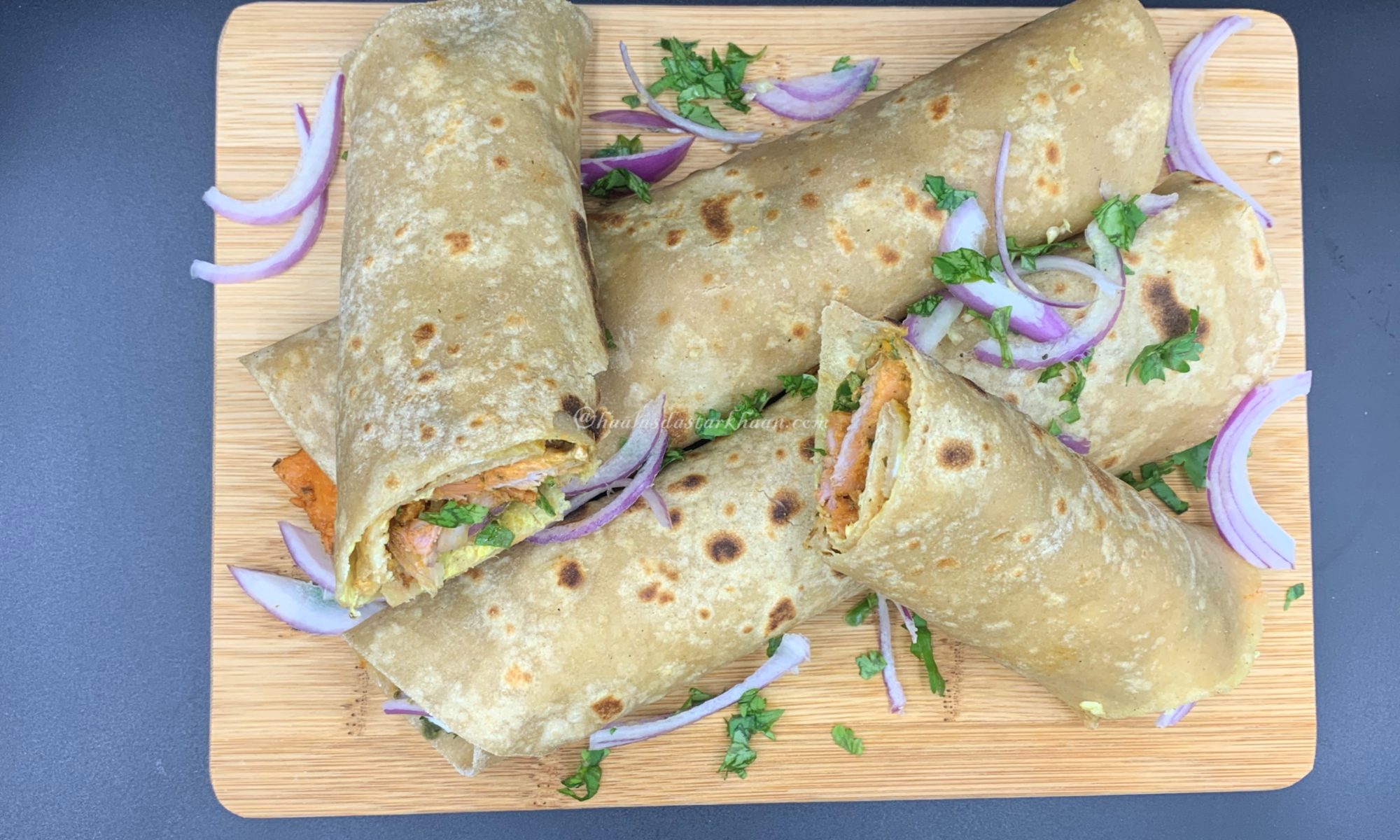
Kolkata Chicken Roll

Chicken rolls have always been a favorite in our home. Those of you who follow my blog know how much I love wraps of all kinds — whether it’s a classic chicken roll, a burrito, or tacos. I think this love goes back to my mom. During one of her trips to Mumbai, she tasted Mutton Tikka Boti Rolls at a Parsi eatery and later recreated them at home. They were an instant hit with the entire family, and from that point on, rolls became a regular comfort food for us.

So when I came across pictures of the famous Kolkata Chicken Roll, I knew I had to try making it. The flavors sounded irresistible — bold, layered, and packed with personality. From everything I’ve read, it’s one of Kolkata’s most iconic street foods, loved for its rich taste and satisfying simplicity. Although I’ve never visited Kolkata, there’s something about its food culture that deeply attracts me. Some places just connect with you through their cuisine, even from afar.

Recipes like this are wonderfully fuss-free and incredibly practical. For those of us living far from our home country, food becomes a powerful way to stay connected to our roots. At the same time, dishes like these are perfect for kids — easy to eat, nutritious, and ideal for busy days or meals on the go.

I grew up loving my mom’s Tikka Boti Rolls. She initially made them with mutton, but later switched to chicken as well, and I adored both versions. I’ve always appreciated recipes that travel well — perfect for road trips, long drives, or those moments when hunger strikes and stopping isn’t an option. Not every journey allows for leisurely restaurant breaks, and sometimes you’re just stuck in traffic after a game or a long day. That’s when homemade rolls like these truly shine — convenient, filling, and deeply satisfying.

For this version, I marinated boneless chicken with salt, ginger-garlic paste, lemon juice, and yogurt. The spice blend includes dried fenugreek leaves, tandoori masala, red chili powder, cumin powder, and fennel powder, creating a beautifully aromatic base. The chicken can be marinated overnight for deeper flavor, but even a quick 30–45 minute marinade works well when time is short.

This recipe may not be an exact replica of the rolls you’d find on the streets of Kolkata, but after many trials and countless variations, this is the version I keep coming back to. One element I borrowed from my mom’s technique is spreading a thin layer of beaten egg onto the roti and cooking it before adding the filling. I’m not entirely sure how this differs from traditional Kolkata egg rolls, but I do know that it adds richness, texture, and a wonderful depth of flavor.

Ultimately, this recipe is a blend of influences — my mother’s cooking, flavors I’ve loved over the years, and my own experiments in the kitchen. The result is a chicken roll that feels both familiar and new, comforting yet exciting.

I hope you try it, enjoy it, and share it with your loved ones — just as my family and I do. 🌯✨

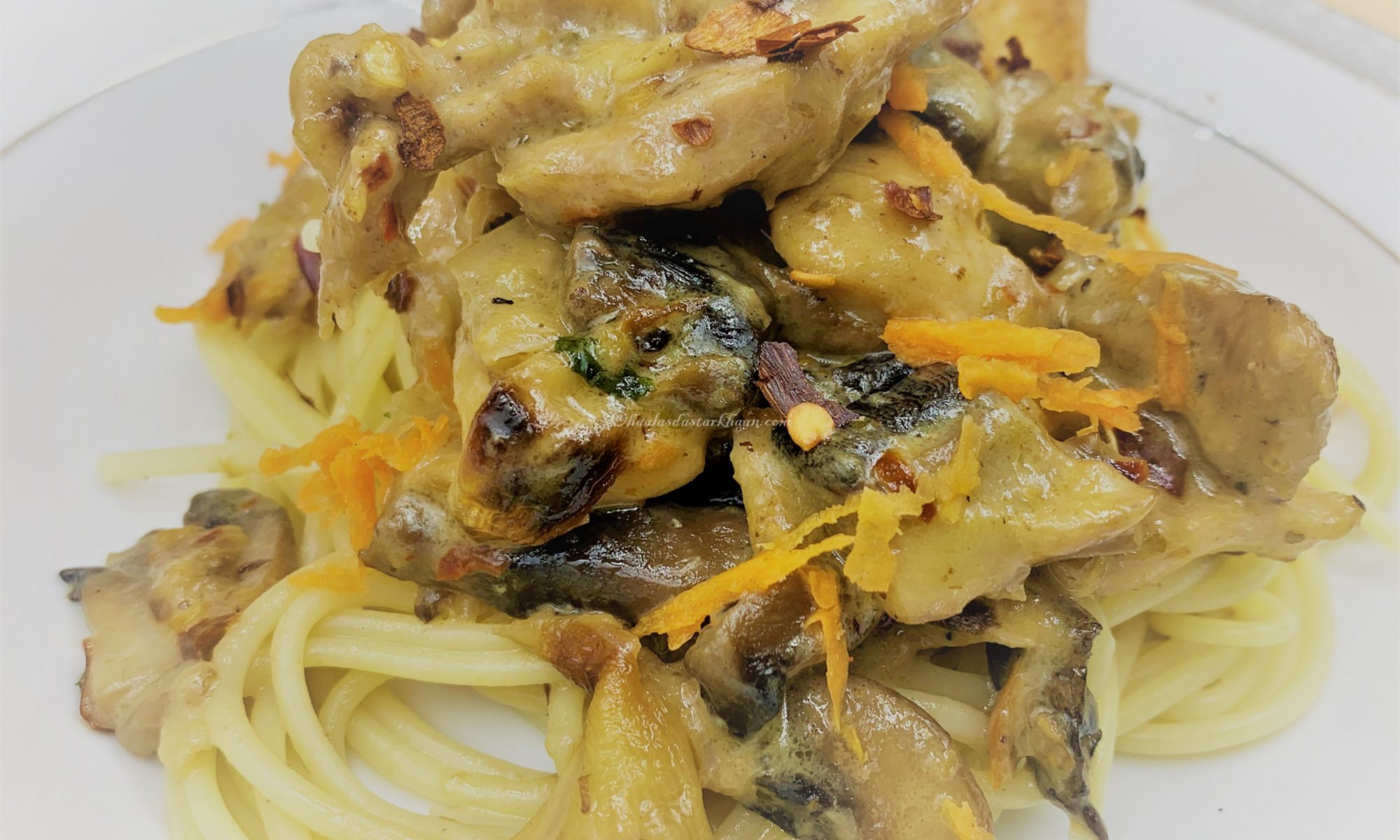
Pasta with Garlic Chicken and Mushroom

This is one of those recipes that feels fancy but comes together surprisingly quickly. I’ve never been a big fan of classic Alfredo sauce with pasta, and honestly, my boys weren’t huge lovers of heavy cheese sauces either. But when I came across a dish featuring chicken and mushrooms cooked with plenty of garlic, it immediately caught my attention. It sounded rich, aromatic, and just different enough to be worth trying in my own kitchen.

I personally love mushrooms, though the kids don’t share the same enthusiasm — so the dish had to be flavorful enough to win them over. The real game changer here is roasted garlic. Roasting garlic in the oven transforms it completely, mellowing the sharpness and bringing out a deep, slightly sweet, buttery flavor that elevates the entire dish.

To start, I roasted whole garlic cloves (skin on) drizzled with olive oil, salt, and pepper until they were soft and mashable. Meanwhile, I cooked the chicken pieces in a pan with a little oil, salt, and pepper until lightly golden and cooked through.

Using the same pan — because that’s where all the flavor lives — I added butter and a touch more oil, then squeezed in the soft roasted garlic. A splash of chicken broth followed, along with sliced mushrooms, allowing everything to simmer and absorb those rich flavors. Once it came to a gentle boil, I stirred in a little heavy cream and returned the cooked chicken to the pan. For an extra kick, I added red chili flakes and a pinch of white pepper, which gave the sauce a subtle warmth without overpowering it.

The result is a luscious, garlicky, lightly creamy dish that isn’t overly heavy yet feels indulgent enough for a special meal. Because it’s slightly saucy, it can absolutely be served on its own or even with rice. Personally, though, I think it shines brightest when paired with pasta. I served it over spaghetti with a side of warm garlic bread, and it felt like something straight out of a cozy Italian restaurant.

The biggest surprise? My boys — who usually avoid mushrooms — loved it. That alone makes this recipe a winner in my book.

It may look a little elaborate at first glance, but once you make it, you’ll realize how straightforward it actually is. After one try, you’ll be able to pull it together effortlessly. It’s the kind of dish that’s perfect for last-minute dinner plans, cozy family meals, or even surprise dinner dates. Elegant, comforting, and deeply flavorful — this one truly impresses everyone at the table. 🍝✨

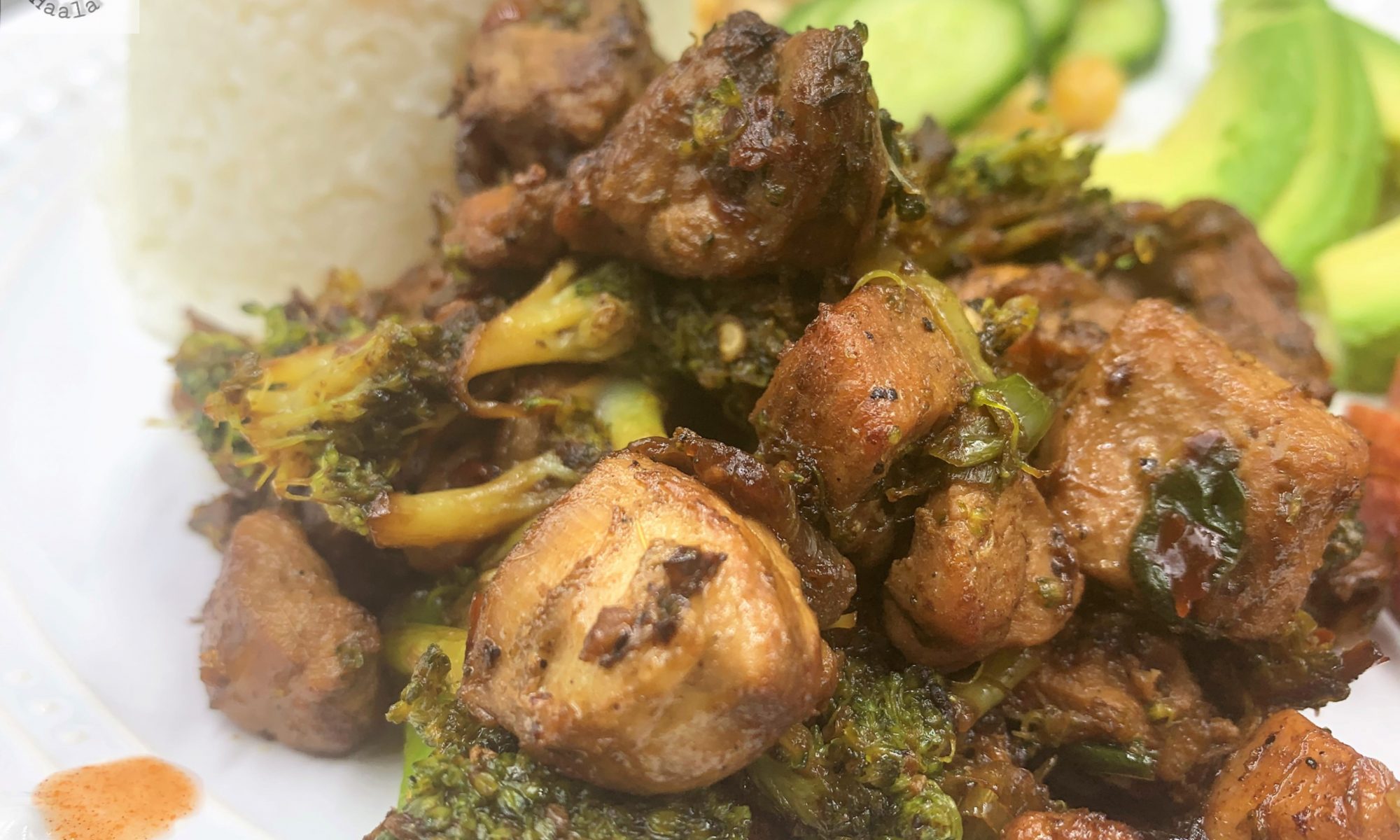
Chicken Broccoli and Rice

With all the rich and indulgent foods we enjoy, there comes a time when your body quietly asks for a reset. You start craving something lighter — more vegetables, less oil, fewer carbs — a meal that feels nourishing rather than heavy. But for people like me, “healthy” can’t mean bland. It still has to be delicious, comforting, and satisfying. And when you have children as particular as mine, getting them to eat more greens can feel like a full-blown negotiation.

That’s exactly how recipes like this are born — out of the need to make wholesome food that no one feels forced to eat. Eating more greens is always a good idea, but the real win is when your family enjoys them without even realizing they’re eating something so nutritious.

This Chicken with Broccoli is one of those simple, dependable meals. It’s light, protein-rich, and packed with flavor while still feeling clean and balanced. I usually serve it with plain boiled white rice, but it pairs just as beautifully with brown rice, quinoa, or even barley if you want to boost the fiber content further.

I also love mixing and matching vegetables depending on what I have on hand, but broccoli and onions work especially well with chicken. The combination is hearty yet fresh, and it cooks quickly — perfect for busy days.

To prepare, heat a little olive oil in a pan and add chopped garlic. Once the garlic turns lightly golden and fragrant, add boneless chicken pieces, followed by chopped onions. Season generously with red chili flakes, black pepper, garlic powder, onion powder, salt, cumin powder, and paprika. Let the chicken cook through, absorbing all those warm, savory flavors. Finally, add chopped broccoli and stir-fry for about 5–7 minutes, just until tender but still vibrant.

Serve hot with slices of fresh cucumber and avocado on the side, along with your grain of choice. The freshness of the vegetables balances the warmth of the dish beautifully.

My goal in sharing meals like this is simple: to show that healthy food does not have to be boring or tasteless. With the right ingredients and seasoning, you can create dishes that are both nourishing and deeply satisfying — meals your family will happily come back to.

I hope you enjoy this quick, wholesome recipe as much as we do. It’s nutritious, filling, flavorful, and proof that eating well can still feel like a treat. 🥦🍗✨

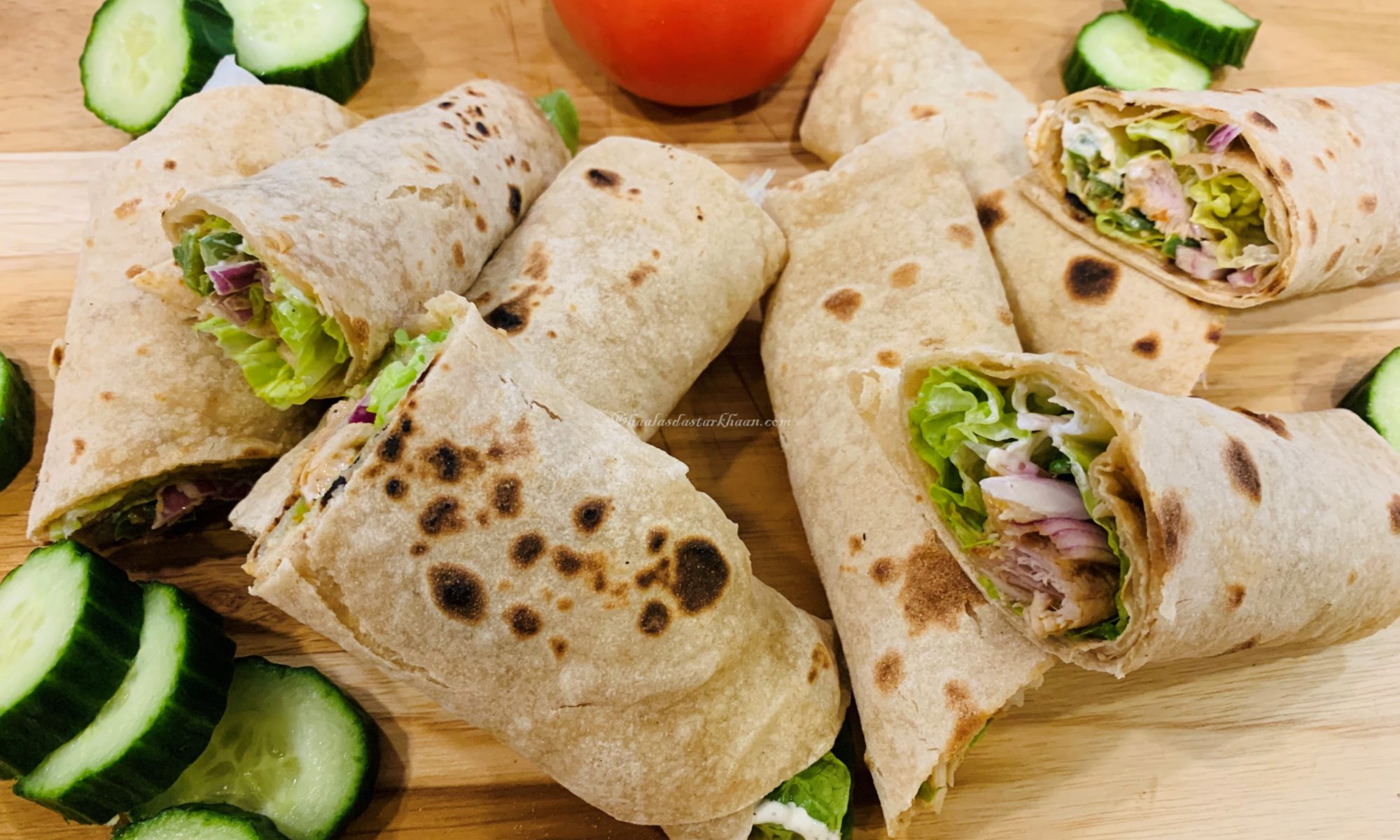
Chicken Veggie Wrap

With all the rich and varied foods we enjoy, there are days when your body simply asks for a break — something lighter, cleaner, and packed with goodness. You start craving more vegetables, less oil, fewer carbs… in short, a meal that feels genuinely healthy. But for people like me, healthy also has to be delicious. And when you have children as demanding as mine, making nutritious food appealing can feel like a daily challenge — especially when you’re trying to sneak in more greens and lean protein without raising suspicion.

That’s exactly how recipes like this come into existence.

This isn’t your regular chicken veggie wrap — it’s lighter, fresher, and a little more exciting. Instead of relying solely on a tortilla, this version uses crisp lettuce leaves as an inner wrap, adding crunch, freshness, and extra nutrition. Of course, you can still use a homemade or store-bought tortilla if you prefer, but the lettuce layer makes it feel less heavy while keeping all the flavor intact.

I used boneless chicken thigh meat because it stays juicy and tender, though chicken breast works perfectly well too if you want an even leaner option. The chicken is cooked simply in a little olive oil with garlic powder, onion powder, red chili flakes, white pepper, and a splash of vinegar, which adds a subtle tang and brightness. Once the chicken is cooked through, sliced bell peppers and onions go into the pan, bringing color, sweetness, and texture. A dash of hot sauce at the end gives the filling a lively kick.

To assemble, spoon the warm chicken mixture into crisp lettuce leaves along with some fresh onions and chilies or jalapeños for extra bite. Then wrap this bundle inside a soft roti or whole-wheat tortilla spread lightly with garlic mayo. The result is a layered wrap — crunchy, spicy, tangy, creamy, and deeply satisfying without feeling heavy.

Every bite delivers both flavor and nourishment, making it perfect for busy lunches, light dinners, or even meals on the go. It’s also a great way to get kids to eat more vegetables without turning it into a negotiation.

Healthy food doesn’t have to be bland or boring. With a little creativity, you can turn simple ingredients into something that feels indulgent while still being wholesome. I hope you enjoy these fresh, flavorful wraps as much as we do — they truly are scrumptious bites of goodness and health. 🌯🥬✨

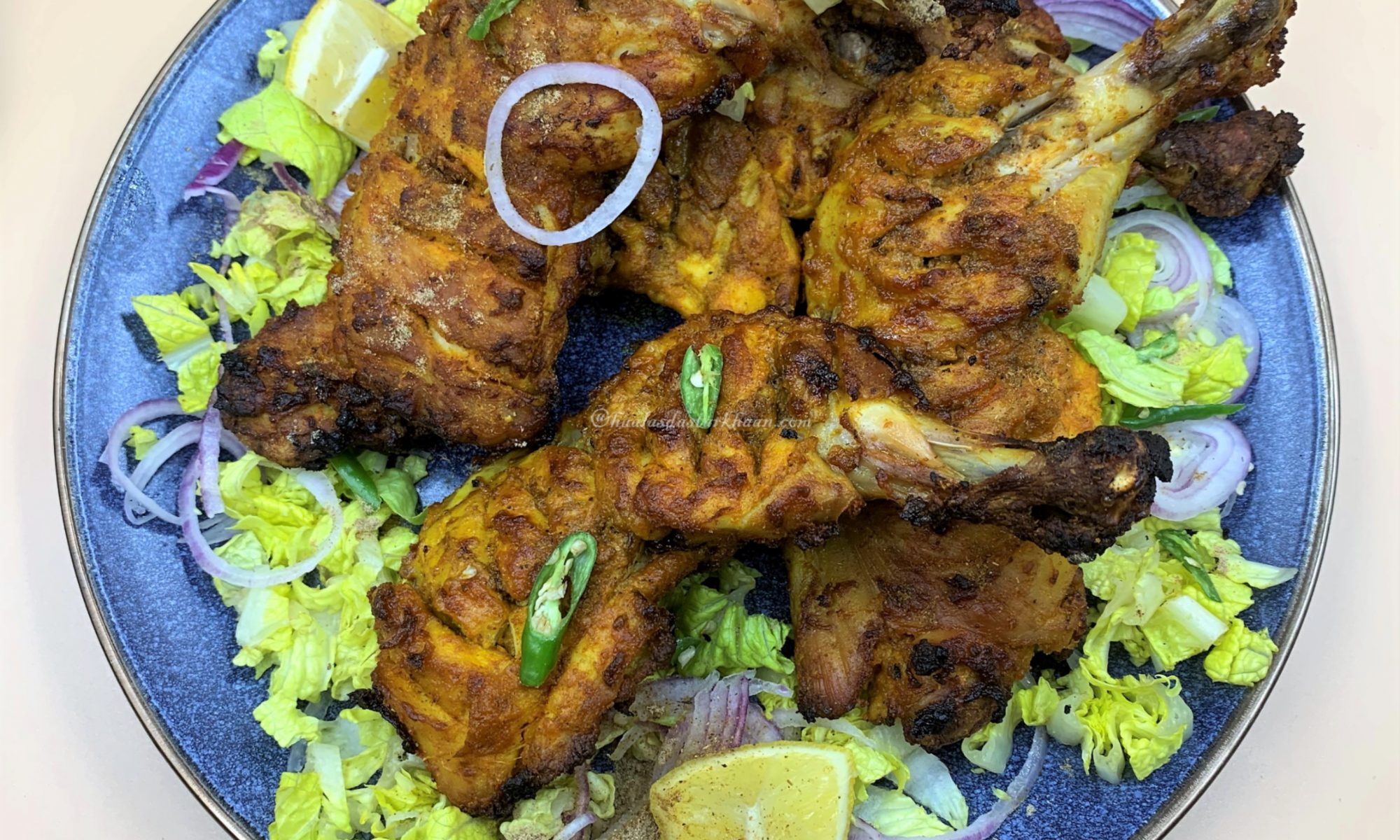
Murgh Darbari Tangdi Kebab

As the name suggests, this recipe traces its inspiration to the grand culinary traditions of the Mughal era — a time when food was not merely sustenance, but an art form. It is often believed that dishes like these may have been favorites in the royal courts of Emperor Akbar, where elaborate kitchens produced some of the most refined cuisines the Indian subcontinent had ever seen.

Exploring the history behind such recipes is just as fascinating to me as cooking them. Many of the whole spices we now consider inseparable from Indian cuisine — cinnamon, bay leaves, cardamom, cloves — became widely popular during the Mughal period. These were blended with indigenous ingredients already present in India, such as turmeric, chilies, and coriander, giving birth to deeply layered flavors that still define much of North Indian cooking today. The result was not just new dishes, but entirely new culinary traditions — kebabs, kormas, rich gravies, and the many forms of biryani we enjoy today.

What makes this period especially remarkable is the cultural exchange it fostered. The Mughal courts brought together Persian, Central Asian, and Indian influences, creating food that was luxurious yet rooted in local tastes. Many of the dishes we now call “classic” were, in essence, early forms of fusion cuisine — long before the term existed. Acceptance, adaptation, and creativity combined to produce flavors that have endured for centuries.

Kebabs themselves are often considered a gift from the Middle East to the wider world. Over time, they evolved in countless regional styles across India, each with its own spice balance, cooking method, and personality. Whether grilled over open flames, cooked on skewers, or pan-seared, kebabs remain one of the most beloved expressions of this culinary heritage.

The Mughal era also left a profound mark beyond food — in architecture, art, language, and cultural traditions. For me, it represents a time when diverse influences came together to create something enduring and beautiful. In India, food has always been a powerful bridge between cultures, religions, and communities. Festivals are shared, kitchens are opened to neighbors, and meals become celebrations of togetherness. It’s a reminder that cuisine is not just about ingredients, but about people, memories, and shared experiences.

Historical accounts suggest that Emperor Akbar had an exceptional appreciation for fine food, and the royal kitchens prepared an extraordinary range of vegetarian and non-vegetarian dishes tailored to his tastes. Queen Jodha is also said to have taken a keen interest in culinary matters, ensuring that meals reflected both royal grandeur and personal preference. While exact recipes from that era are rarely documented in detail, they offer enough clues to inspire modern recreations.

This kebab recipe is my interpretation of what such royal flavors might have been like — rich with aromatic spices, balanced yet indulgent, and deeply satisfying. While it may not be identical to the original dish served centuries ago, it aims to capture the spirit of Mughal cuisine: elegant, bold, and unforgettable.

Each recipe I share may use familiar ingredients, yet the proportions, techniques, and combinations make every dish unique. The only true way to understand it is to cook it, taste it, and experience the flavors for yourself.

I hope you enjoy these kebabs as much as I did — a small, delicious journey back in time. 🍢✨
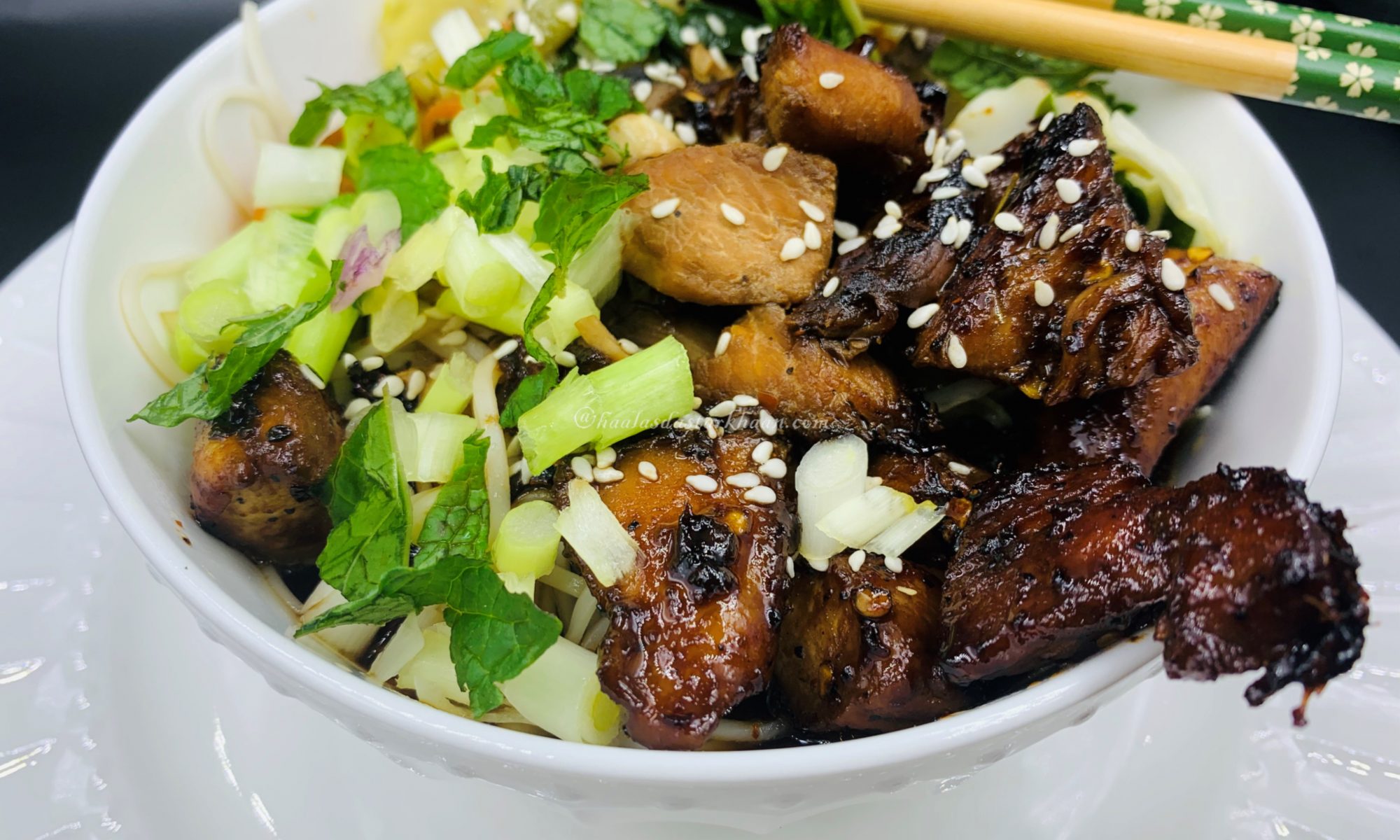
Chicken Ramen Noodles

This Japanese-inspired dish came together almost entirely without any advance prep — one of those happy kitchen accidents that turns into a family favorite. My boys had been watching a Japanese show where a character is obsessed with ramen, and ever since, they couldn’t stop talking about how delicious it looked. Naturally, that meant I had to figure out a way to make it happen.

I had never really tried ramen before, mainly because finding Halal Japanese options isn’t easy where we live. Seafood versions never appealed to me either, so it was something I had always quietly skipped. But convincing curious kids to skip a dish they’re fascinated by? Impossible. They’re at that age where they want to explore every cuisine under the sun — as long as it’s religiously permissible — and since their mom enjoys cooking, they assume anything is possible at home.

With very limited time (and very persistent children), I dived into recipe research. Three hours later — which felt like three minutes under pressure — I realized I didn’t even have many of the “essential” ingredients most ramen recipes call for. No bok choy, no lemongrass, no fancy mushrooms. Instead, my fridge offered spinach, carrots, cabbage, zucchini, and a few regular mushrooms. Not exactly traditional, but perfectly workable.

I also chose not to add onions. While they’re wonderful in many dishes, onions can dominate a delicate broth and tend to become overly soft and mushy in soups. I wanted something light, clean, and comforting rather than heavy.

So this version became a practical, home-style ramen — adapted to what I had on hand and to our family’s taste preferences. The broth was simple but flavorful, the vegetables added color and nutrition, and the noodles brought everything together into a warm, satisfying bowl. It may not be an authentic Japanese ramen, but it captures the comforting spirit of the dish beautifully.

What I love most about recipes like this is how easily they help you serve more vegetables without making it feel like a “healthy” compromise. When tucked into a fragrant broth with noodles, even picky eaters happily finish their bowls.

I’m no expert in Japanese cuisine, but the more I experiment, the more I appreciate its balance, simplicity, and depth of flavor. With a few thoughtful adjustments, it’s possible to create dishes that feel authentic while still fitting your pantry and lifestyle.

This quick, comforting ramen-style bowl turned out far better than I expected — warm, nourishing, and completely satisfying. Most importantly, the boys loved it, which is always the ultimate test.

I hope you enjoy this easy, veggie-packed bowl just as much as we did. 🍜✨

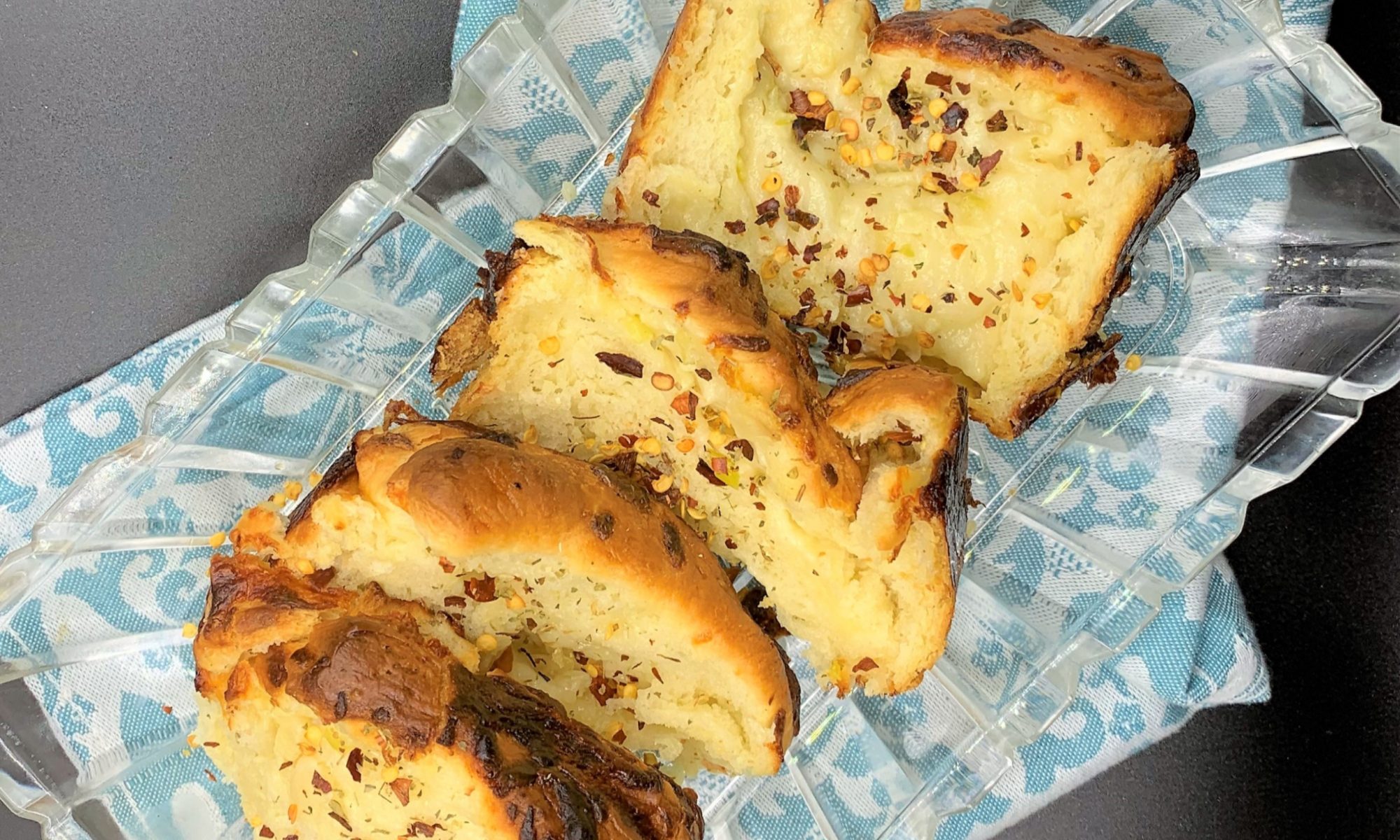
Cheesy Garlic Pull Apart Bread

Who doesn’t love garlic bread? I’ve honestly never met anyone who could resist a warm, buttery slice loaded with garlic. Growing up, I was convinced that garlic bread and pizza were inseparable — the ultimate duo — thanks to a certain popular food chain. For me, ordering pizza without garlic bread as an appetizer just didn’t make sense, and I’m sure those famous pizza places have seen plenty of customers like me over the years.

As much as my family enjoys the occasional restaurant treat, there are times when ordering out just isn’t practical — or desirable. Beyond the cost, there’s always that lingering question about freshness, preservatives, and how the food was actually prepared. Not that takeout is inherently bad, but relying on it too often doesn’t feel like the healthiest choice. And when you can cook, making a homemade version becomes both reassuring and rewarding.

Traditionally, garlic bread is made using a crusty loaf like a French baguette or sometimes ciabatta. The bread is partially sliced so the garlic butter can seep into every crevice while keeping the loaf intact, then baked until crisp on the outside and soft inside. Some versions use olive oil and fresh garlic, others rely on butter and garlic powder, and sometimes the loaf is split lengthwise and topped before baking.

I decided to do something a little different — starting from scratch. Instead of using a ready-made loaf, I made a soft, enriched dough using warm milk, yeast, egg, flour, sugar, salt, and butter. Once the dough had risen beautifully, I kneaded in minced garlic, more butter, and fresh scallions, which added both flavor and a lovely aroma. After shaping, I topped it with a generous sprinkle of cheese before baking.

The result is somewhere between classic garlic bread and a soft pull-apart loaf — fluffy, buttery, garlicky, and incredibly comforting. Served hot from the oven, the cheese melts into the bread while the garlic perfumes the entire kitchen. Every bite is soft, rich, and full of flavor, with just the right balance of indulgence and homemade goodness.

Sometimes the simplest foods bring the most joy — especially when made fresh, shared warm, and eaten straight from the tray.

Serve hot, tear into it while it’s still steaming, and enjoy every oozy, garlicky bite. 🧄🧀✨

Pyaaz Ke Samose

I’m from Rajasthan, and I grew up eating samosas as a regular part of life. The classic potato samosa — aaloo ke samose — was everywhere, and every shop seemed to have its own signature flavor. Some were absolutely delicious, others not so much, but one thing I always loved was the crisp, flaky outer crust. In fact, for a long time, that was my favorite part. The only filling I truly adored back then was the kheema samosa my mom used to make at home.

I never enjoyed bland fillings, so whenever the spice level was low, I would lose interest quickly. Over time, as I tasted more varieties, I realized that it was the spicy, punchy samosas that won my heart every single time.

After I got married, I discovered a completely new favorite. During one Ramadan in Bangalore, we tried the famous Ramadan special onion samosas — Pyaaz ke Samose — and instantly fell in love with them. Crisp, aromatic, slightly sweet from the onions, and perfectly spiced, they were unlike any samosa I had eaten before.

There’s a common misconception that Ramadan food for Muslims is mostly non-vegetarian, but that couldn’t be further from the truth. Our iftar tables are filled with a beautiful mix of vegetarian and non-vegetarian dishes, each with its own tradition and story. These onion samosas are a perfect example — simple ingredients transformed into something truly special.

They are most commonly made during Ramadan, though a few Muslim shops prepare them year-round. Still, there’s something about foods made in that month — perhaps the anticipation, the hunger, the togetherness — that makes them taste extra special. It’s a flavor that’s hard to recreate outside that atmosphere.

Since we don’t get these samosas where we live now, I decided to try making them at home. After several rounds of trial and error, I finally arrived at a version that tastes just the way we remember — crispy on the outside, flavorful on the inside, and utterly addictive.

If you enjoy onion samosas and want to recreate that Ramadan magic in your own kitchen, I highly recommend giving these a try. I hope you love them as much as we do. 🥟✨