Cod Fish with Roasted Veggies

We love seafood in every form — curried, fried, grilled, you name it. There’s something incredibly satisfying about a simple fish dish that’s both nourishing and full of flavor. This particular recipe has become one of our go-to meals when we want something light, quick, and healthy without compromising on taste.

It’s especially perfect if you’re watching your carbs, following a keto lifestyle, or simply trying to eat cleaner. Despite being diet-friendly, it feels hearty and indulgent enough to satisfy everyone at the table.

I used frozen cod for this recipe because it’s easy to keep on hand, but fresh cod works beautifully if you can get it. Cod is mild, flaky, and absorbs flavors wonderfully, making it ideal for quick cooking. My boys are big fish lovers, especially when it’s served with grilled vegetables or a crisp cold salad on the side.

One of the best things about this dish is how simple and budget-friendly it is. When you’re short on time but still want something nutritious and delicious, this recipe truly delivers.

The seasoning is straightforward: red chili flakes, garlic powder, onion powder, white pepper, and tandoori masala, along with a sprinkle of dried parsley for freshness. You can absolutely adjust the spices to your taste. Personally, I avoid cinnamon or regular red chili powder with cod, as they can overpower its delicate flavor. I also prefer white pepper over black pepper, which can sometimes taste slightly bitter with mild fish.

A squeeze of fresh lemon juice ties everything together, adding brightness and balance to the marinade. Once the fish is cooked — either pan-seared or lightly grilled — I use the same pan to sauté bell peppers and asparagus. This step is key, as the vegetables soak up all the flavorful bits left behind by the fish and spices, making them incredibly tasty with minimal extra effort.

It’s a complete meal on one plate: lean protein, vibrant vegetables, and bold yet clean flavors.

This recipe is also perfect for involving older kids or teenagers in the kitchen. It’s simple, quick, and forgiving — a great confidence-builder for budding cooks who want to learn how to prepare healthy meals for themselves.

Easy, nutritious, budget-friendly, and genuinely delicious — this is one of those everyday recipes that you’ll find yourself coming back to again and again. 🐟🥦✨

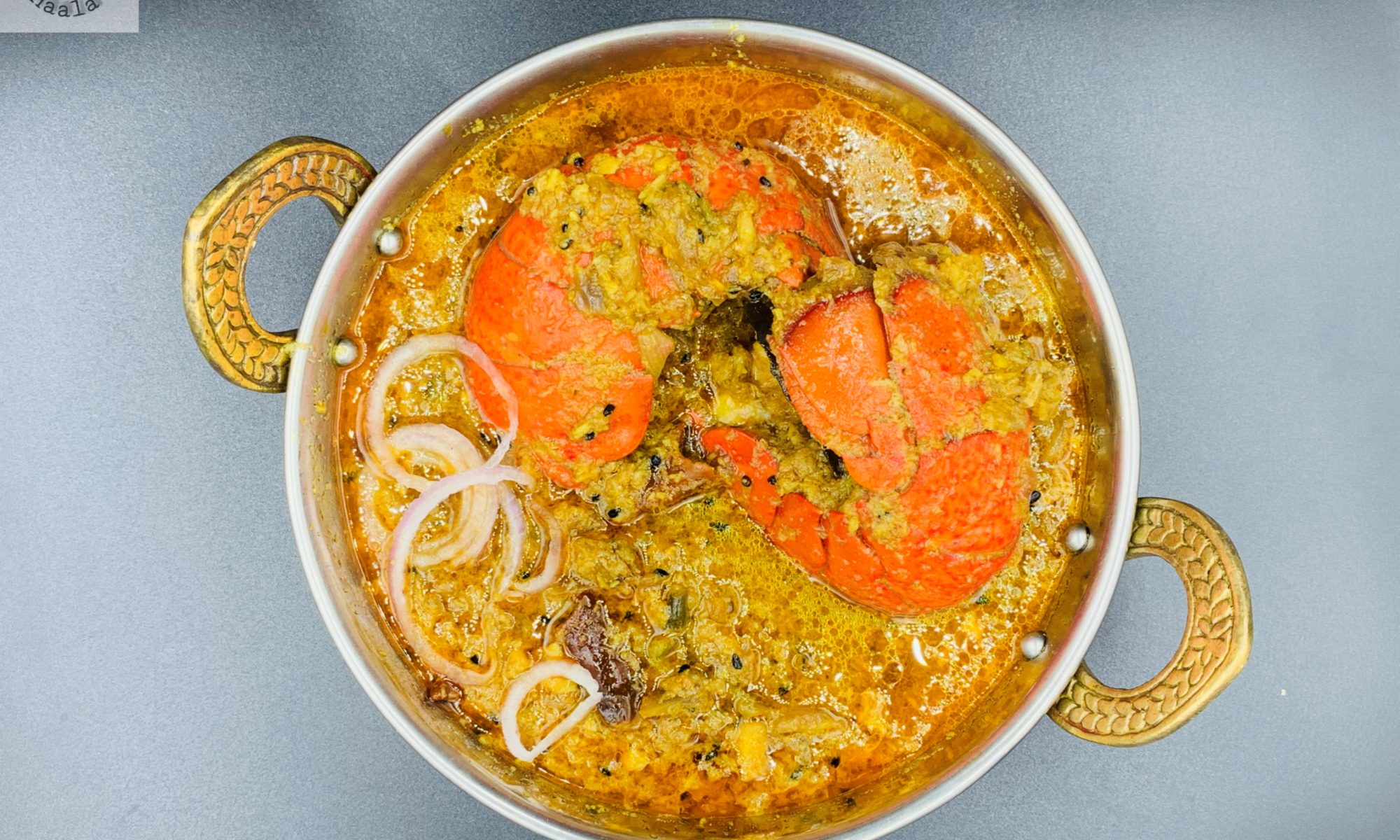
Lobster Curry

My love for Lobster Curry began in 2012, during our first visit to Kerala. We stayed on a houseboat in Alleppey, surrounded by the serene backwaters and blessed with the most perfect weather. It was around Christmas time — truly the best season to visit Kerala. During our stay, our hosts served an array of traditional Kerala dishes, especially seafood prepared in rich, aromatic coconut gravies. That’s where I tasted Lobster Curry for the very first time which I loved — and it was pure magic.

I had tried Lobsters before at several seafood restaurants, but they were always mildly cooked and flavored with nothing more than garlic and salt. The Lobster Curry in Kerala, however, was beyond my expectations — rich, flavorful, and absolutely unforgettable. The houseboat had three men who managed everything — from cooking to cleaning and maintenance — and they did it all with such warmth and care. Our time there remains one of the best vacations we’ve ever had. The weather, the calm of the backwaters, the walks surrounded by lush greenery, and the incredible hospitality made every moment truly memorable.

After tasting that unforgettable Lobster Curry, I just had to ask for the recipe — and our gracious host gladly shared it with me. Though the recipe was more of a rough guide than exact measurements, it was enough for me to understand the essence and recreate this wonderfully delicious dish back home.

The original recipe was cooked in coconut oil, but I made mine using olive oil since I don’t usually cook with coconut oil. I honestly don’t think it changes the flavor too much — it just makes the dish a little less “coconuty.” Since I still add coconut milk, the curry retains that perfect balance and richness that complements the rest of the ingredients beautifully. I did make a few other changes too, so I can’t really call this an authentic Kerala dish anymore — it’s more of my inspired version of it.

When I order lobsters for home delivery—which is, of course, the preferred option these days—I clean them myself. But if you’re picking fresh ones at a fish market, you can always ask them to crack the claws and cut the lobsters in half for you. I usually parboil the lobsters with a little turmeric powder and salt; it helps get rid of any musky smell.

To make the curry, I start by heating oil and adding black seeds (kalonji) and curry leaves, followed by finely chopped onions. Once the onions turn soft and transparent, I add ginger-garlic paste along with all the spices and some fennel powder. I find fennel powder brings a lovely freshness, especially to seafood dishes. Next, I pour in the coconut milk—or coconut purée—and tomato purée, stirring until everything blends together beautifully. Finally, I add the lobsters and let them simmer gently for about 10–12 minutes, until the curry thickens and the flavors come together perfectly.

The Lobster Curry might look complicated, but honestly, it takes less time to prepare than a regular chicken curry—and it looks absolutely stunning on the dining table. The best part is that this same recipe works wonderfully with crab too; just substitute the lobster for crab, and you’re good to go. I truly hope you enjoy cooking this dish and love it as much as my family and I do!
Chicken Quesadilla

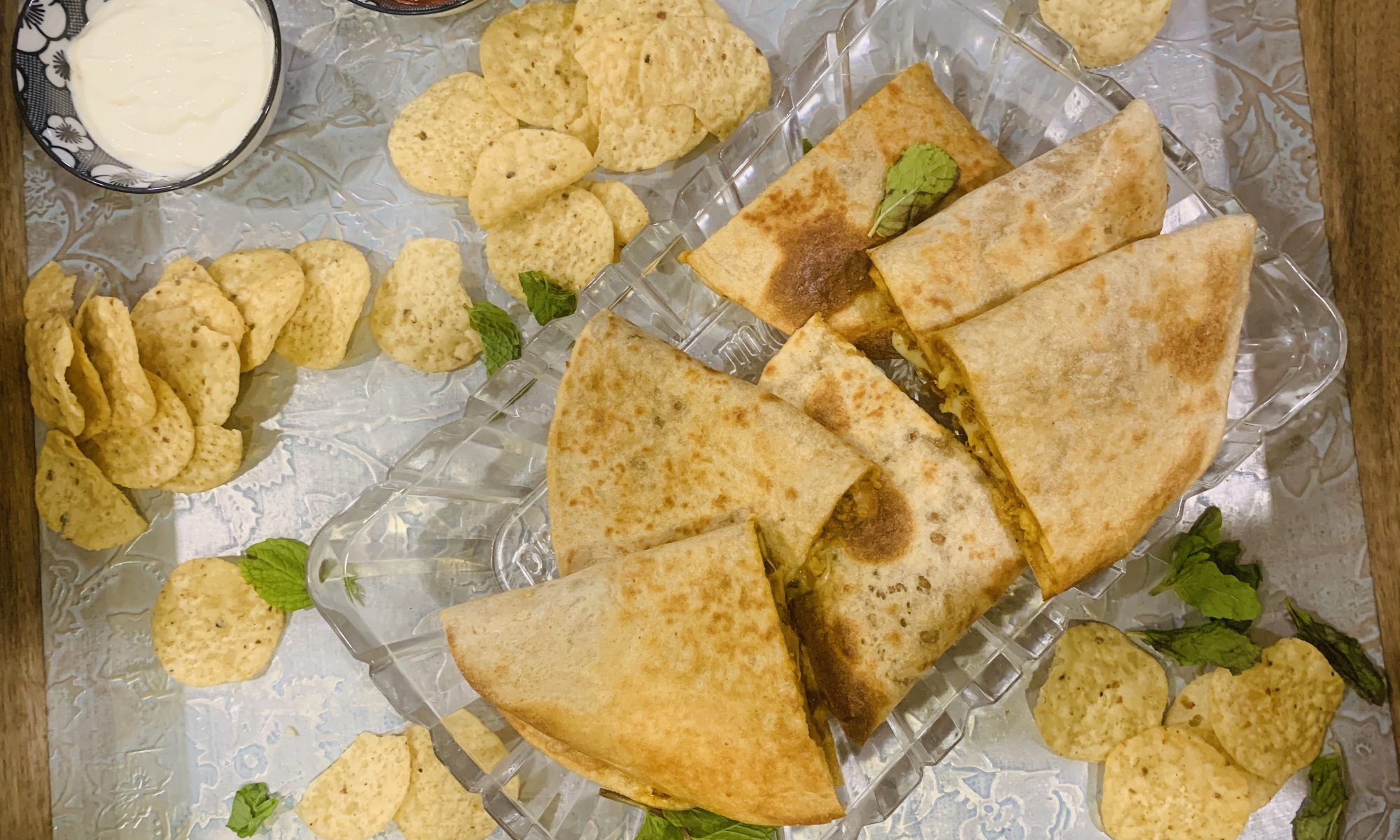
These irresistible wraps are packed with spicy pan-fried chicken and gooey, melted cheese, coming together in just 30–40 minutes. It’s the kind of dish that disappears fast — expect your kids (and honestly, everyone else) to come back for seconds… maybe even thirds.

Simple, quick, and incredibly satisfying, these wraps are perfect for busy days when you still want something homemade and full of flavor. The best part? You can prep a lot of it ahead of time, making it an easy go-to for lunches, dinners, or even a fun snack spread.

For the filling, versatility is your best friend. You can use rotisserie chicken, leftover grilled chicken, or even kebabs — anything pre-cooked works beautifully. I went with a bold Tex-Mex twist: sautéed onions and green chilies form the base, followed by a generous mix of paprika, cumin powder, chili flakes, garlic powder, onion powder, and a hint of dried parsley.

To really elevate the flavors, I added a splash of apple cider vinegar and a dash of hot sauce. Let everything cook together until the chicken slightly dries out and the मसाला clings to every bite — that’s your cue that it’s ready.

While store-bought tortillas work just fine, making them at home adds a special touch. A simple mix of all-purpose flour and corn flour does the trick, and if you have a tortilla press, it becomes even easier.

To assemble, spoon the flavorful chicken onto one half of the tortilla, top generously with cheese, and fold it over. Bake in a preheated oven for about 10 minutes, just until the cheese melts into a gooey layer and the tortilla turns lightly crisp.

Slice them in half before serving — it not only makes them easier to eat but also gives that perfect, mouthwatering presentation.

These quesadillas are everything you want in a quick meal: cheesy, spicy, comforting, and incredibly delicious. Perfect for a cozy lunch, a no-fuss dinner, or a crowd-pleasing snack that’s guaranteed to win hearts at the table.

Khatte Baingan

Khatte Baingan: The Perfect Companion to Your Biryani

Biryani is more than just a dish — it’s an emotion shared across countries like India, Pakistan, and Bangladesh, where it takes center stage at celebrations and special occasions. But what truly elevates a good biryani to a memorable meal is what you serve alongside it.

From Baghare Baingan and Mirch ka Salan to Dalcha, chutneys, and cooling raita, biryani comes with a whole world of accompaniments. And contrary to popular belief, not all biryanis pair best with just a simple raita — choosing the right side actually makes a big difference.

If your biryani is mild or subtly spiced, richer sides like Mirch ka Salan or Baghare Baingan add depth and heat. On the other hand, if your biryani is already bold and spicy, dishes like Dalcha or Khatte Baingan help balance the flavors with their tangy and slightly mellow profile. Of course, raita is that universal side that complements almost any kind of biryani.

Why Khatte Baingan Works So Well

Khatte Baingan is a beautifully tangy eggplant dish that brings just the right amount of zing to your plate. It’s especially perfect with milder biryanis like Mughlai or Thalassery biryani, where its sweet-and-sour notes enhance the overall experience without overpowering it.

What makes this version even better is that it’s light and not overly oily — unlike traditional methods where eggplants are deep-fried.

A Lighter, Smarter Way to Make It

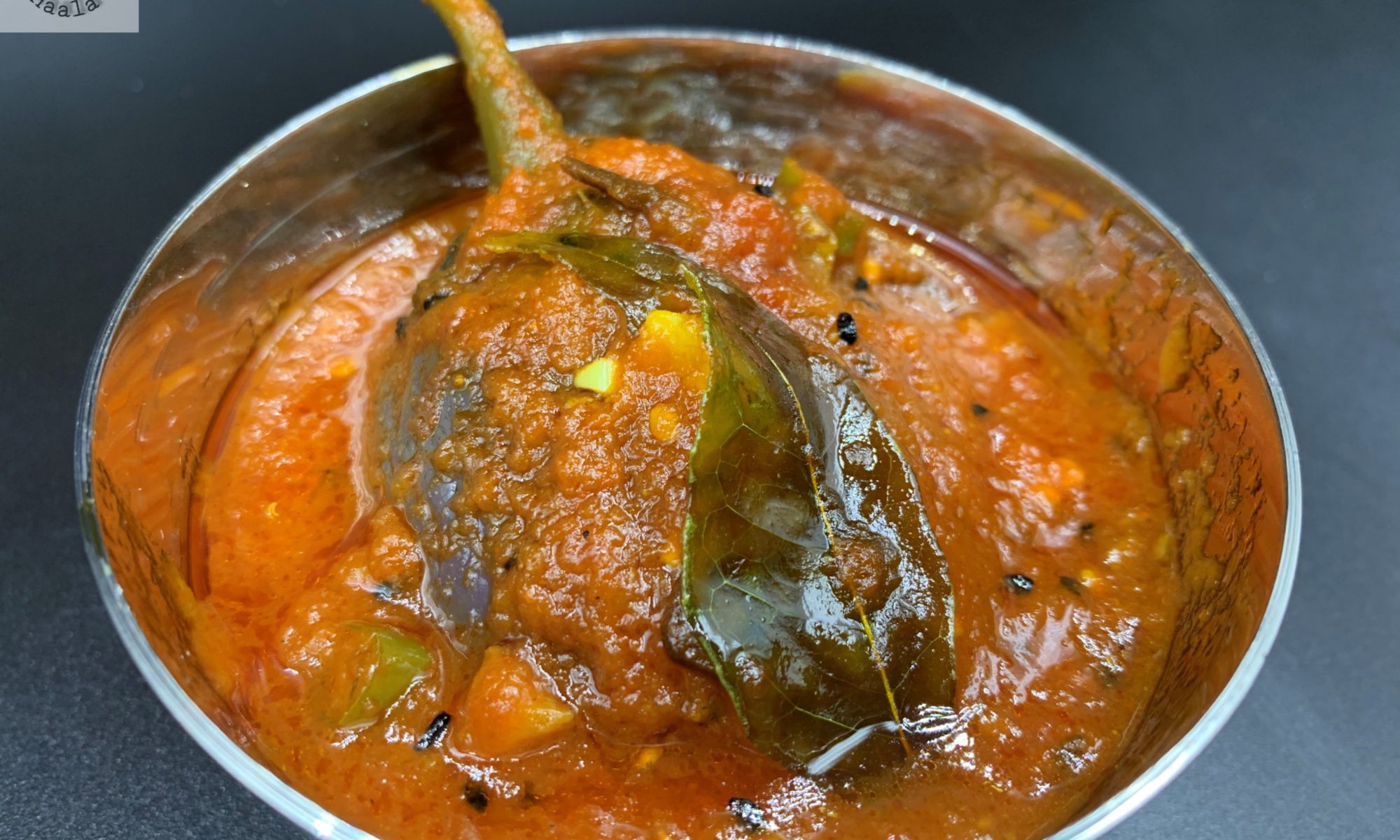
Instead of frying, the eggplants are boiled first. This simple step ensures they’re cooked through while preventing them from soaking up excess oil — something eggplants are known for.

Once boiled, the magic begins:

  • Heat a little oil and temper it with black seeds and curry leaves.
  • Add ginger-garlic paste, turmeric powder, and red chili powder for a flavorful base.
  • Stir in tomato puree, green chilies, and a touch of ketchup.

The ketchup might seem unconventional, but it adds a beautiful color along with a subtle sweet-and-tangy flavor that perfectly complements the dish.

Let everything cook together until the मसाला coats the eggplants well and the flavors come together into a rich, glossy gravy.

A Crowd Favorite — Even for Eggplant Skeptics

Khatte Baingan is one of those dishes that surprises people. Even those who usually shy away from eggplant often end up loving it, thanks to its balanced flavors and light texture.

Easy to make, packed with flavor, and incredibly versatile — this dish is proof that the right accompaniment can truly transform your biryani experience.

So next time you’re serving a mild biryani, skip the usual and bring out a bowl of Khatte Baingan — it might just become the star of your table.

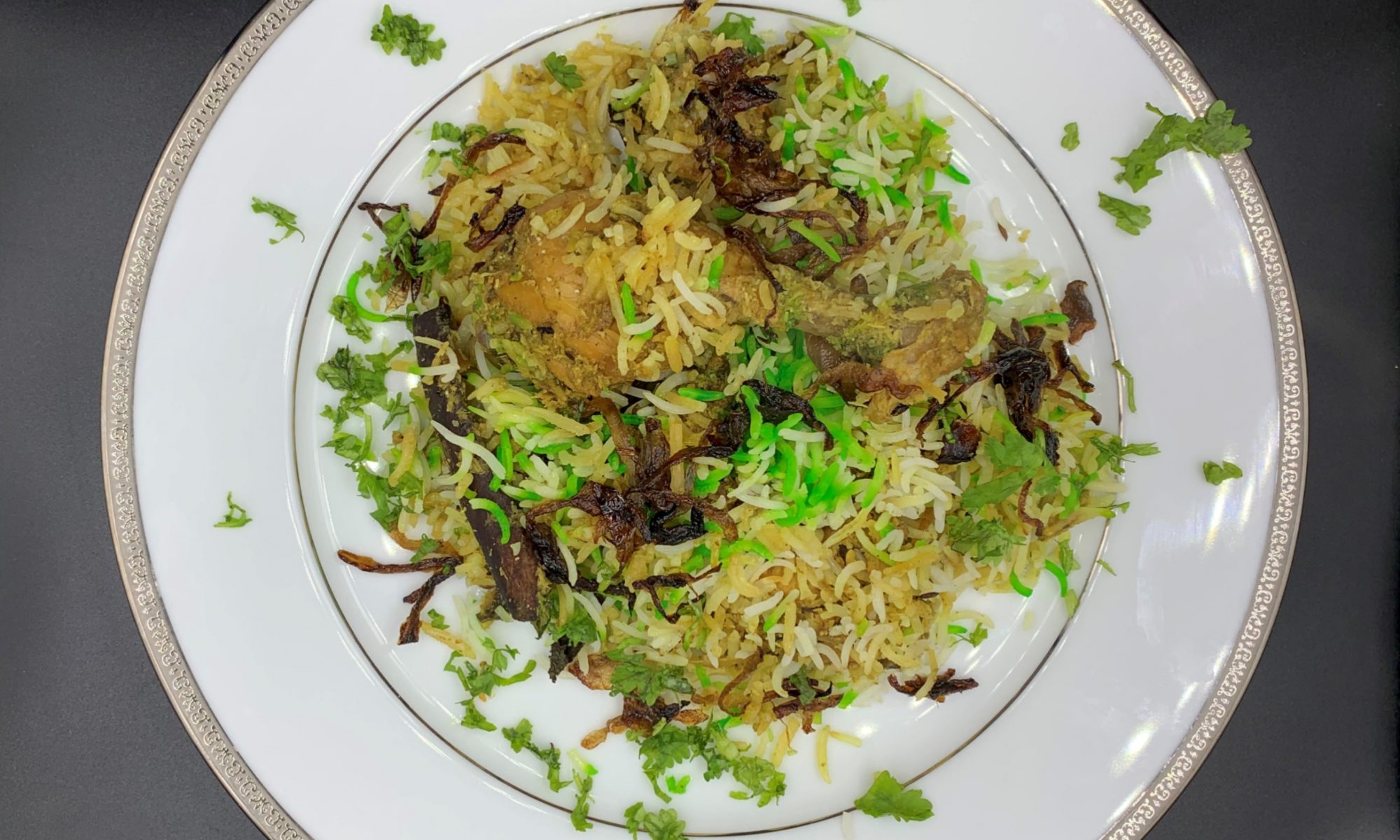
Murgh Hyderabadi Biryani

Hyderabadi Biryani: A Legacy of Royal Flavors

Hyderabad is a paradise for biryani lovers, offering countless varieties, each with its own unique personality, flavor profile, and cooking style. Over time, I’ve explored and recreated many different styles of Hyderabadi biryanis — and what always amazes me is how no two are ever truly the same.

Each version tells a story.

What makes Hyderabadi cuisine so special is the deep influence of the Nizams. Their legacy isn’t just reflected in grand palaces or exquisite jewels, but also in the richness of their food. Every dish feels like a glimpse into a time when hospitality was an art, and food was its grandest expression.

The legendary dastarkhaan of the Nizams was nothing short of spectacular — a lavish spread filled with aromatic biryanis, slow-cooked curries, indulgent haleem, and an array of desserts enriched with dry fruits and cooked in pure ghee. It’s a cuisine built on generosity, detail, and a deep love for flavors.

This particular biryani is a beautiful representation of that heritage — rich, fragrant, yet surprisingly approachable.

What Makes This Biryani Special

Unlike overly spicy versions, this biryani focuses more on depth than heat. The base includes a luxurious paste made with poppy seeds, cashews, and coconut, giving it a creamy texture and a subtle richness that coats every grain of rice.

The heat comes from a green chili paste, which adds a fresh, vibrant kick without overpowering the dish. If you enjoy a spicier profile, you can easily adjust the number of chilies to suit your taste.

A touch of kewra essence paired with a hint of food color elevates the aroma, giving the biryani that signature royal fragrance — the kind that instantly fills your kitchen and makes the dish feel festive and indulgent.

Simple Yet Elegant

Despite its royal roots, this biryani is surprisingly beginner-friendly. The steps are straightforward, and the ingredients come together beautifully without requiring overly complicated techniques.

It’s the kind of dish that makes you feel like you’ve created something truly special — without feeling overwhelmed in the process.

Final Thoughts

This biryani is more than just a meal — it’s a celebration of history, culture, and flavor. It carries the essence of Hyderabadi heritage while still being accessible enough for anyone to try at home.

So whether you’re new to biryani-making or someone who loves experimenting with flavors, this dish is definitely worth adding to your table.

Enjoy every fragrant, flavorful bite — and let it transport you to a royal Hyderabadi feast.

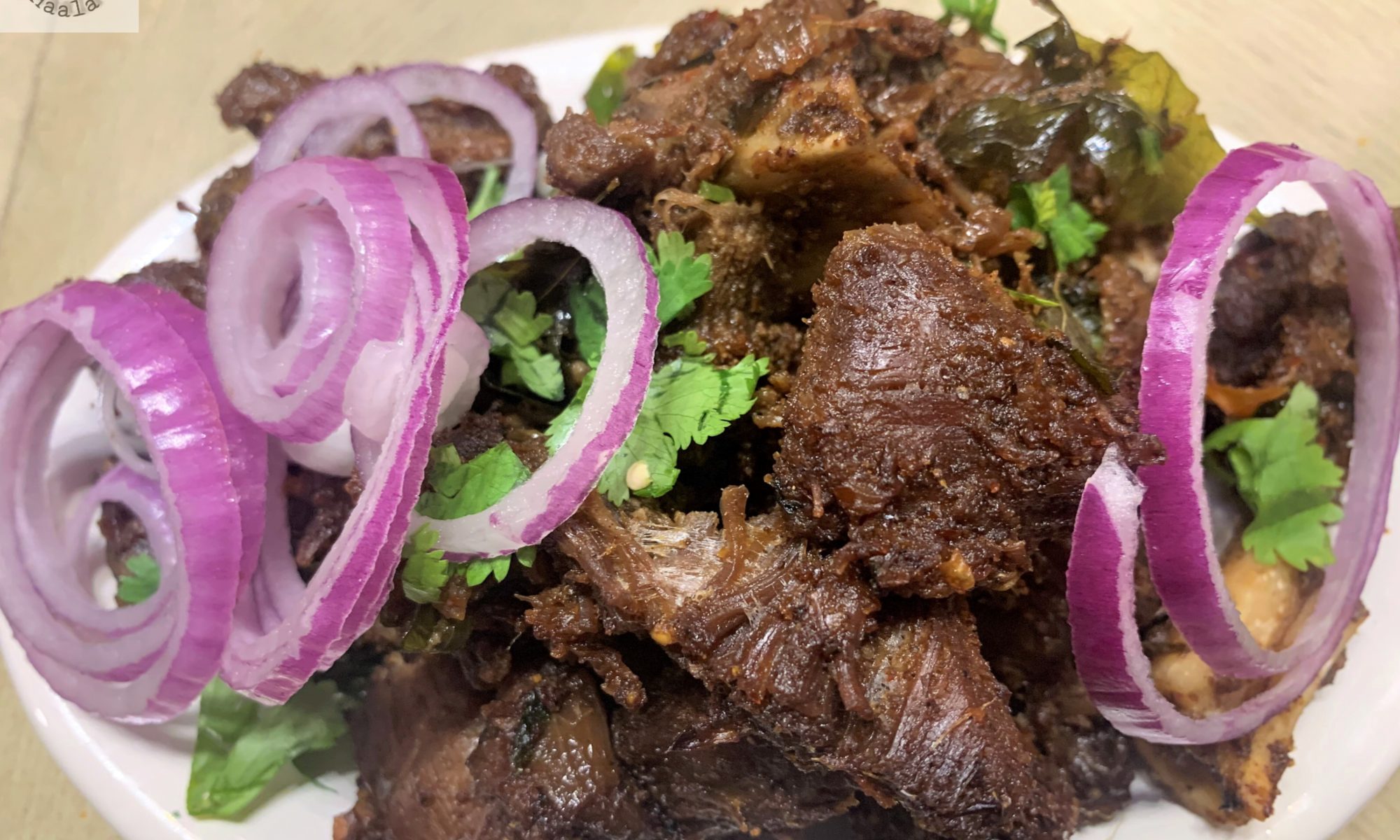
Mutton Ghee Roast

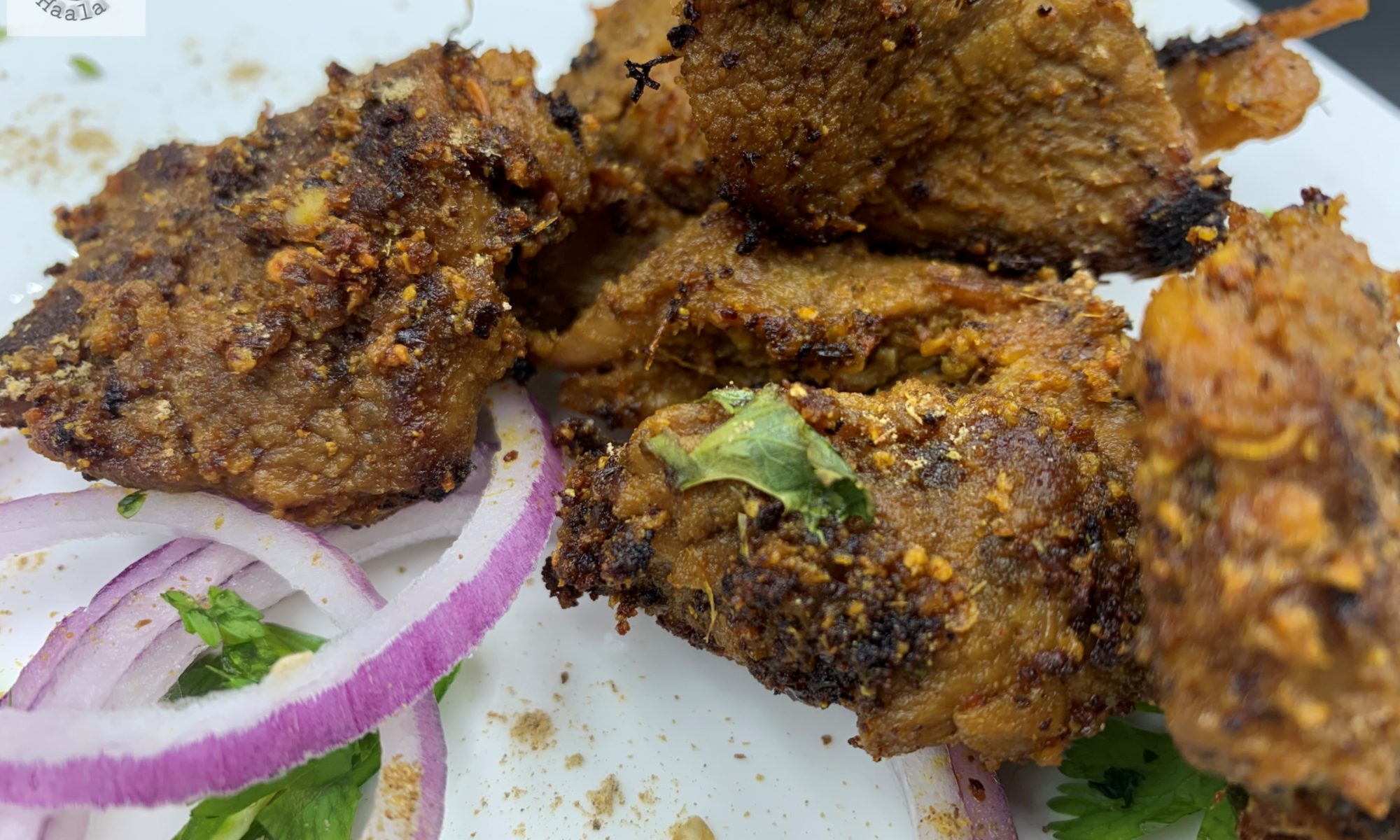
With the wide variety of Kebabs that we make, we love kebabs made from meat the most. I love the way meat Kebabs are always so juicy and tender and absorb all the flavors so naturally. The texture of meat and the spices blend in so well together. I am sure if you look into details of cooking that when it comes to Kebabs, meat Kebabs definitely make to the top of the list. I have heard a lot of people liking Beef too, but since I have never cooked or consumed beef, I don’t really have an idea. But I do think that since Beef has a lot of fat, cooking with its own fat must be adding more flavor to it.

Coming back to Ghee Roast. I came across some cuisine where they mentioned the dish and showed how the meat is boiled till it’s cooked. after roasting the whole masalas, they are ground to a powder, and then the meat is cooked in ghee with spice powder, onions, curry leaves, and green chilies. This dish is pretty easy to make and makes it to my top ten list of easy and flavorful kebabs.

The best thing about these kebabs is that they can be partly premade a few days in advance as well. You can boil the mutton a few days in advance and refrigerate or freeze it, depending on how many days you want to use it. Similarly, you can always dry roast the whole masala and grind them and store them in a dry and airtight container. These kebabs are juicy, moist, flavorful, and go really well as a side dish or by itself. If you are a fan of meat kebabs, you will love the scrumptious chunks of flavorful meat. Enjoy!!!

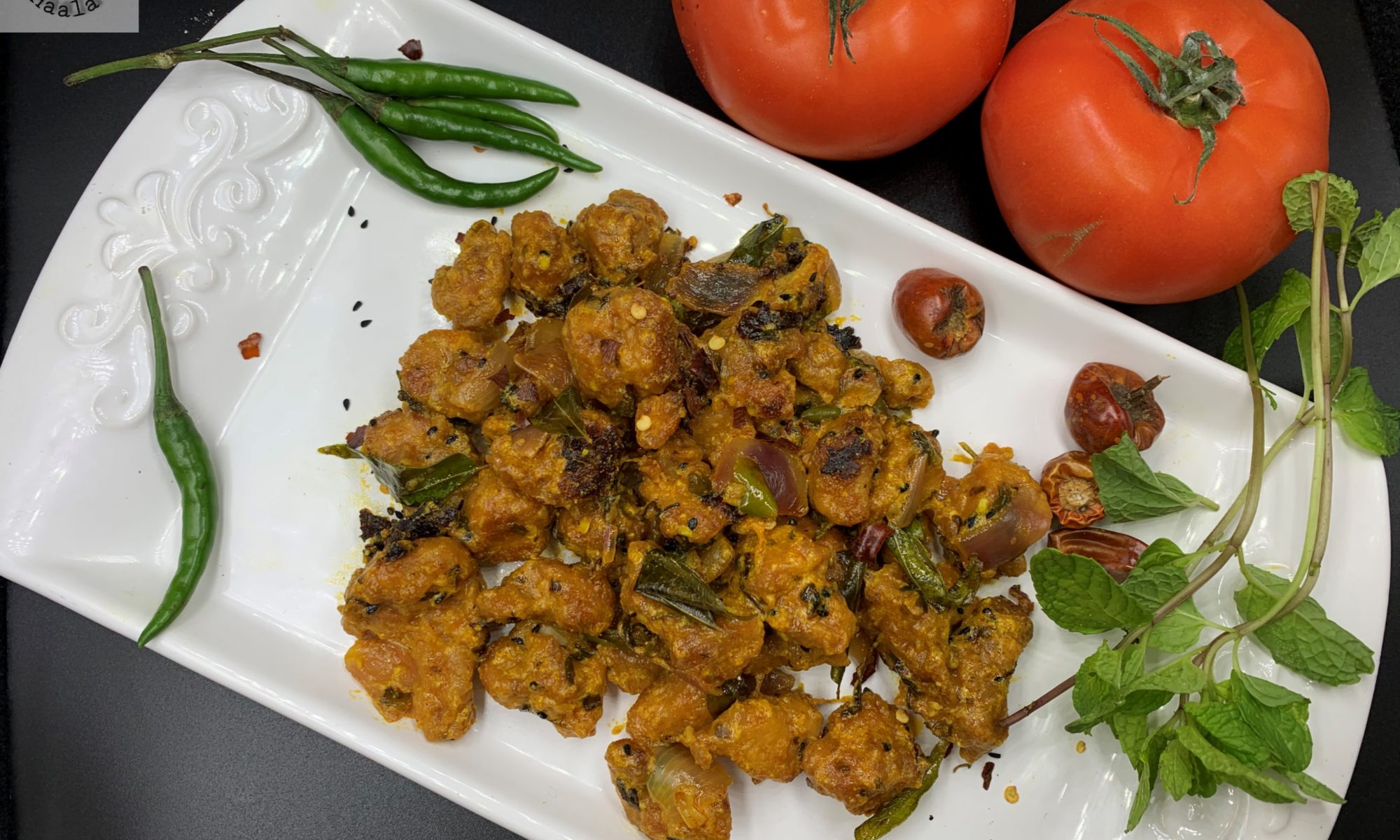
Hyderabadi Chicken 65

Chicken Kebabs are an all time wanted and favorite for everyone. Chicken Kebabs go so well with Daal Chawal as a side dish and even by themselves. I love making Chicken Kebabs for my get together with friends as well. People always feel that you cannot experiment much with Chicken Kebabs at home, where as experimenting with different Kebab flavors at home is the best thing to do.

The basic thumb rule is follow the fragrance and the flavor. If there are spices that go well together and there are spices that don’t go too well. Spices like Black pepper is something that you need to add little at a time, since if its too much the dish tends to get bitter. If you need to enhance the flavor of Black pepper in your dish, its always better to add less of Black pepper and more of White Pepper to balance the pepper taste. Adding Tandoori masala gives a lot of kick to Red chili powder and makes kebabs more flavorful. You can always use citric acid in place of Vinegar or Lemon juice. Adding Flour with Rice flour and Corn starch Powder will add a lot of crunch to your kebabs if you are frying them.

With the Hyderabadi Chicken 65, I added Red chili powder and other spices with Ginger garlic paste and mixed it well. Further rolled the spiced Chicken pieces in Flour, Rice flour and cornstarch powder and fried them. Later cooked them in a sauce made with Onions, green chilies, various spices and Yogurt. I also add a little cornstarch powder to the gravy to make it a little thicker.

Chicken 65 is made in different ways in different places of India. Though the original recipe was made in Chennai, but different places modified their ways and made it suitable to their taste buds. Honestly, every pace has their unique flavor and we always tend to have our favorites but making them in different ways is always great to add more variety to your dinner table.

Chocolate chip scones

After trying my hands on the delicious, airy and scrumptious British scones, my kids had always been after making them. I have already made them numerous times, I felt it was time to experiment with something new. One of the main reason behind trying out the Chocolate chip scones was Mr. Parveez. When I made the plain scones, he mentioned that he loved the chocolate chip scones at a Book store cafe which he visited on some weekends before we got married and he loved them.

Therefore, I felt my second trials have to Chocolate chip scones. these scones are pretty rich, chocolaty , slightly sweet and just melt in the mouth. They are pretty easy, simple and fast to make, crunchy exterior and soft interior make them extremely satisfying. I make scones in a traditional scone way where I patted the dough around an inch thick and then cut them with the help of a biscuit cutter. But you can also roll the dough into a circle, around 8 inches and cut them in triangle shape, like a pizza. You can cut them into as many as you like, as long as the width is around an inch.

The butter you use should be cold because if it melts too soon, your dough wouldn’t be crumbly. If the dough gets super soft for any reason, because the butter you used was on room temperature or melted, then place the dough in the refrigerator for 30 minutes to an hour, till the dough is good enough for you to handle. The heavy cream used in the recipe is an approximate measure. It honestly depends on the flour that you are using. If the dough doesn’t come together easily and if you feel its still dry, add a little more cream, little at a time. Similarly, if the dough is too sticky and gets hard to handle, you can always add a little more flour, one tablespoon at a time. Avoid overworking the dough, because scones do not need too much mixing. Less mixing makes softer scones. The dough should be soft, not sticky.

Scones are best when you serve them fresh out of the oven. If you have extra, its always better to freeze the dough and bale it when you are ready to eat. You can freeze them up to 2 months in an airtight container. When you want to use it, just thaw the dough and use it.

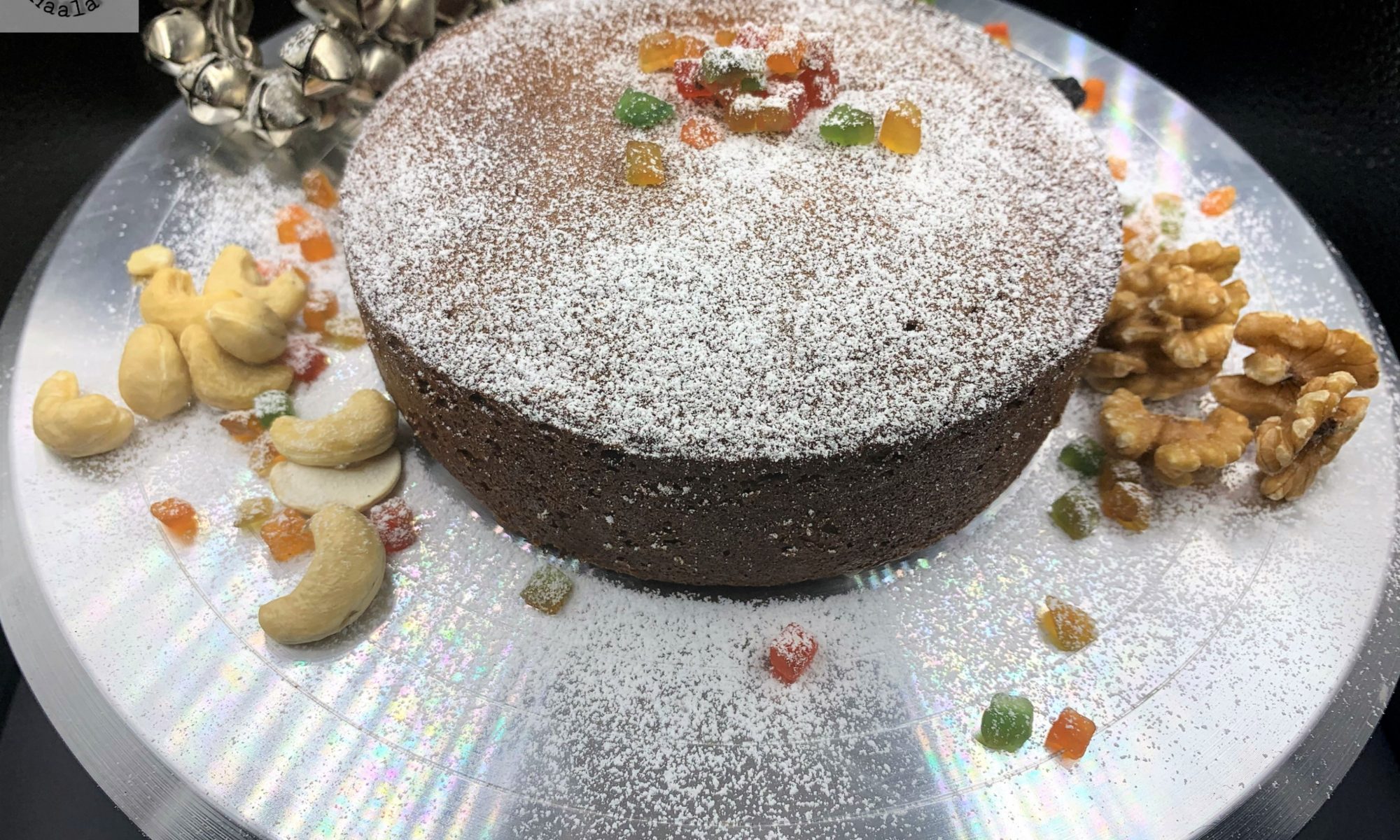
Plum Cake

Plum cakes are just so special. Christmas all around the world is always so festive and beautiful. I love the old city charms, snow and the gorgeous decorations everywhere. Though, things were pretty festive while I was growing up but in a little different way. I went to catholic convent school and Christmas was always celebrated in an awesome way. The teachers, nuns and students would always put up a grand show on the last day before the Christmas break. One of the teachers would dress up as Santa Claus and distribute gifts to everyone.

What also made me look forward to Christmas in India was Plum cake. For some reason, Plum cake was always made only during the Christmas season. A local and very popular bakery in my hometown made delicious Plum cake and my father made sure he gets ample supply for the family because we all loved it and it was only available for a short period of time. Not just that, I would always look forward to visiting my Christian friends on Christmas and would love their awesome cake preparations on Christmas. Being a Muslim, we couldn’t eat Plum cake everywhere, since most people soak their dry fruits in Rum for a month or more and we could never try those. Thank God! the bakery was owned by a Muslim family.

I could never figure out what exactly they soak their dry fruits in and how exactly they make it so delicious, yet not adding any alcohol and making it exactly the same way as its traditionally made was simply amazing. But, of course, no baker would ever share the recipe, Right? and so, we would just enjoy the yummy Plum cake while the season lasted. After getting married, I discovered that Bangalore’s Iyengar bakeries have a non stop flow of Plum cakes all year round and since, we were travelling to India only during summer. Not just that, we also searched almost all bakeries in Indian areas in New Jersey only to find out that Plum cakes are not in demand so they don’t make it.

Most recipes you search will always ask you to soak the dry fruits in Rum or some other kind of alcoholic beverage and there is no alternative to it. Finally, I got this recipe from a friend’s aunt who happens to bake a traditional Plum cake for the family every Christmas and does not use alcohol. Initially I wasn’t so sure how the cake would turn out, because a few things in the recipe are not hard but slightly tricky but, once you get the hang of it, its a walk in the park. Just make sure you red and follow all the directions mentioned. I promise the cake will make you relive those beautiful childhood memories.