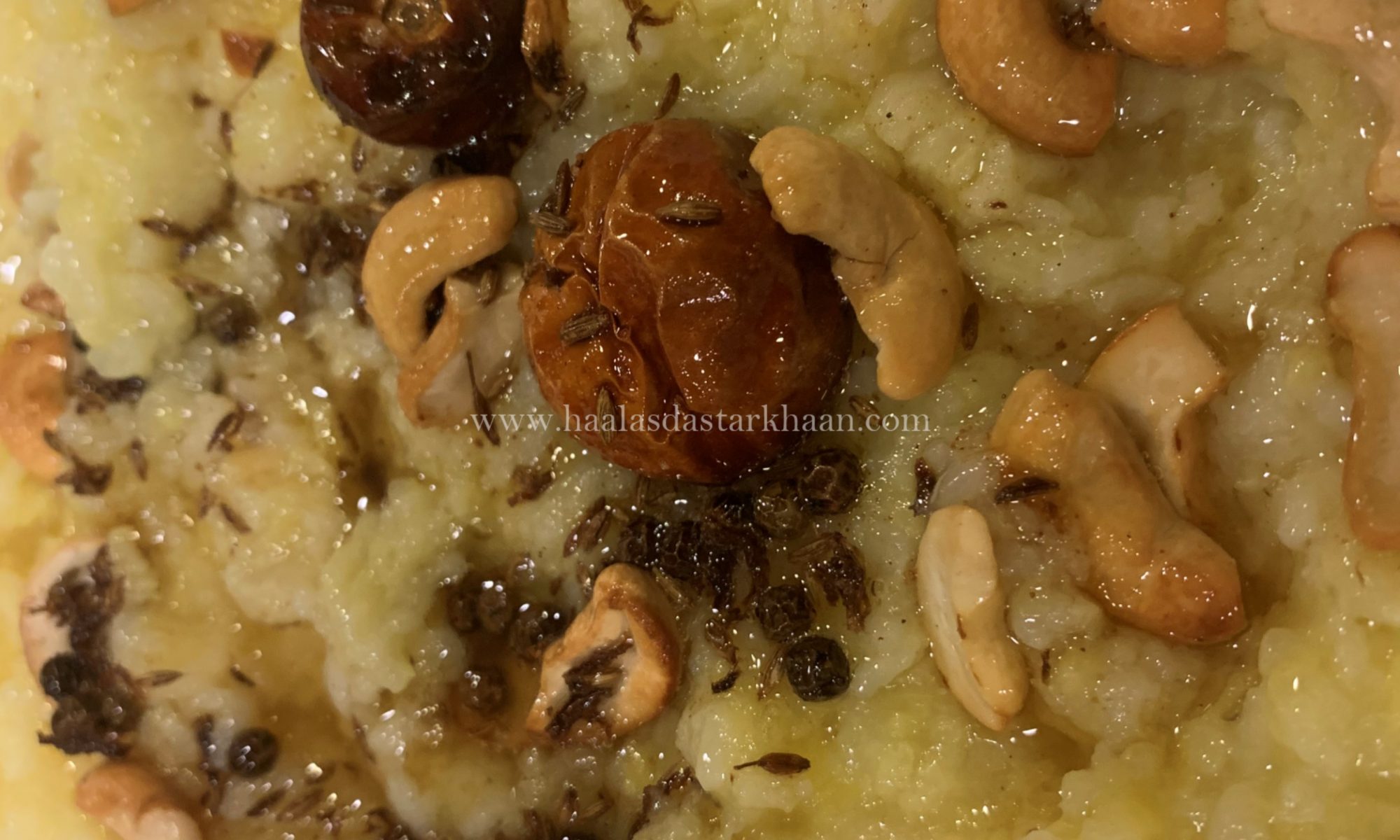
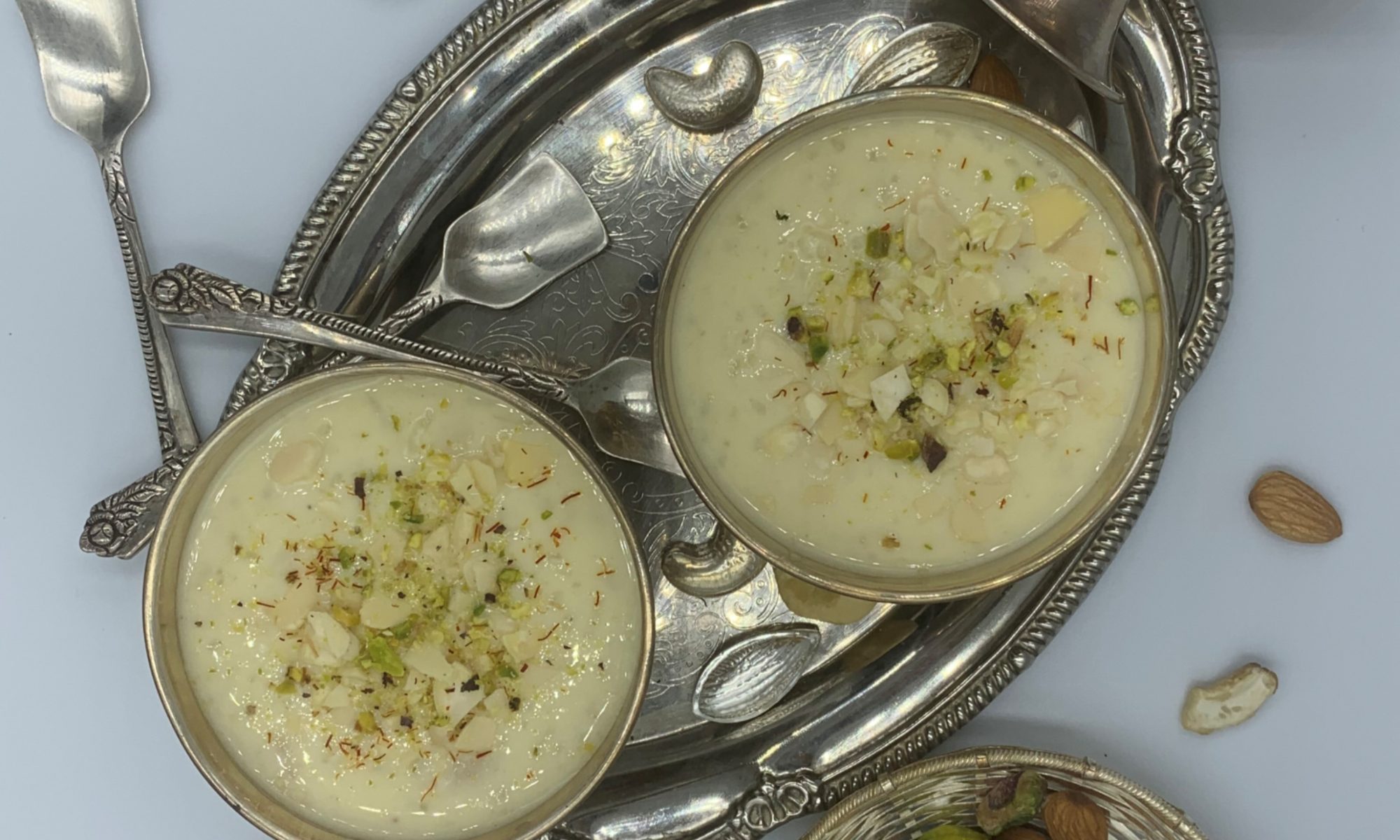
Chawal ki Kheer is one of the most beloved traditional desserts across Indian, Pakistani, and Bangladeshi homes. Whenever there is a celebration or special occasion that calls for kheer, it is usually this classic rice pudding that finds its way to the table. Among the many varieties that exist, Chawal ki Kheer remains the most cherished and widely prepared.
My love for this dessert probably began the moment I could taste food. To this day, I have never come across anyone—chef, cook, or otherwise—who can make Chawal ki Kheer as beautifully as my mother. As a child, I would eagerly wait for the days when she decided to make it. Just one spoonful was enough to make anyone feel as if they were tasting something heavenly.
The funny part is that I rarely liked anyone else’s kheer. In my young mind, every other version felt like a complete injustice to the dish. I simply expected everyone to work harder and make it exactly the way my mother did. Of course, as a child, I never truly understood the effort and patience she poured into making it.
It was only when I grew older and began exploring the world of spices and cooking that I realized how much time and dedication went into preparing something so wonderfully delicious. That realization also explained why, every Eid, I would suddenly see relatives and friends appear whom I had not seen all year—each one requesting my mother’s special kheer.
To understand the scale of her cooking, you first have to understand our family. We are a large extended family of nearly 150 members. My grandfather had nine children, and each of them has a large family of their own. By the time I was still in my teens, many of my aunts already had grandchildren. Add distant relatives and close family friends to that number, and you can imagine the size of our gatherings.
Preparing kheer for such a crowd was no small task. My mother would often start with 40 to 50 liters of milk—sometimes even more—and slowly cook it down until it reduced to about two-thirds of its original quantity. This step alone requires immense patience. The milk must be stirred constantly to ensure it cooks evenly and does not burn at the bottom, all while being kept on a gentle, low flame.
The technique she taught me was simple but brilliant: stir once in a circular motion, and the next time in the shape of the number eight. Only when I grew older did I realize how perfectly that method covers the entire base of the pot.
Once the milk is reduced, cashew powder is added. It not only thickens the kheer but also lends a delicate sweetness and nutty flavor that enhances the dish beautifully. Chopped almonds make a lovely addition as well. Some people also add khoya or khoya powder for extra richness, though that step is completely optional.
For the rice, I prefer small-grained varieties because they cook faster and are easier to mash, giving the kheer its signature creamy texture. Kani ke chawal, Kaima rice, or any other small-grain rice works well.
My mother always added condensed milk to her kheer, and many people believed that was her secret ingredient. But in truth, the magic was never in just the ingredients—it was in her hands, her patience, and the love she put into cooking. Ingredients alone do not make a dish extraordinary; it is the care and effort of the person preparing it that truly brings it to life.
This is the method I learned from her. I may never match the perfection of my mother’s kheer, but every time I make it, it still turns out wonderfully comforting. And with each spoonful, it brings back memories—and the irresistible urge for just one more bite.
This is a wonderful way of making Kheer. I am still not as good as my mom when it comes to making it but it still comes out delicious and each spoonful makes you crave more.