Badusha

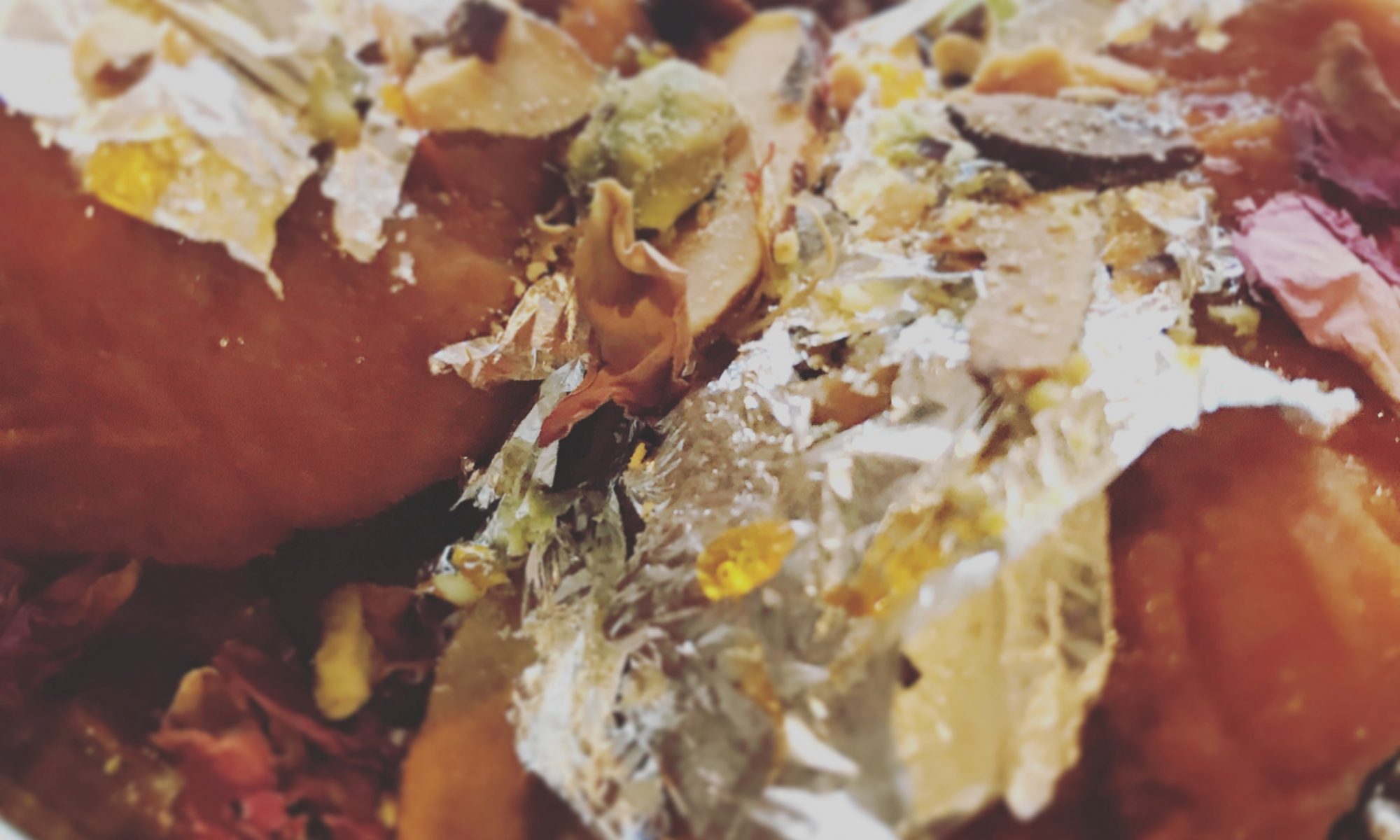
Some sweets are forever tied to celebrations. One bite, and you’re instantly transported to festivals, laughter, lights, and family gatherings. For me, Badusha — or Balushahi — will always be connected to Diwali. I still remember visiting friends during the festival and being served plates of homemade or carefully selected store-bought Badushas, each one flaky, rich, and absolutely irresistible.

This post probably should have gone up during Diwali, but honestly, sweets don’t need an occasion — just a craving, a little enthusiasm, and the time to make them. Diwali may be over, but my love for Indian mithai certainly isn’t. When the craving strikes, there’s no reason to wait.

Living in the USA, I rarely find Badusha easily available, mainly because it isn’t as widely known here. I suspect that if more people tasted it, it would quickly become a favorite. So I decided to make it myself. After several not-so-successful attempts, I finally perfected the recipe — and it was absolutely worth the effort. Some cravings are simply too strong to ignore.

This sweet also carries personal memories. My mom is a huge fan, and I’ve heard stories that Balushahi was one of the sweets served at my parents’ wedding. In my hometown of Jodhpur, there’s an old sweet market area known as “Pongal Pada,” famous for its variety of Badushas in different colors, textures, and finishes. There, they are often called Maakhan Bada, which loosely translates to sweets made with butter. While traditional Badusha is soaked in sugar syrup, Maakhan Bada is typically coated with a thick layer of crystallized sugar — somewhat like a firm fondant shell — giving it a distinct texture and appearance.

Once I finally cracked the recipe at home, there was no looking back. These turn out beautifully flaky on the outside, soft yet layered inside, and perfectly sweet without being overwhelming. And let’s be honest — this is not the kind of dessert anyone eats just one of. One quickly turns into two… and then maybe three.

Known as Balushahi in North India and Badusha in South India, this beloved mithai transcends regional names. No matter what you call it, the experience is pure indulgence — buttery, crisp, syrupy, and deeply satisfying.

If you’ve never tried making it at home, I highly encourage you to give it a go. Once you taste a freshly made batch, you may never feel the need to buy them from a sweet shop again.

I hope you enjoy these as much as I did — flaky, festive, and full of nostalgia in every bite. 🍬✨
Kalakand

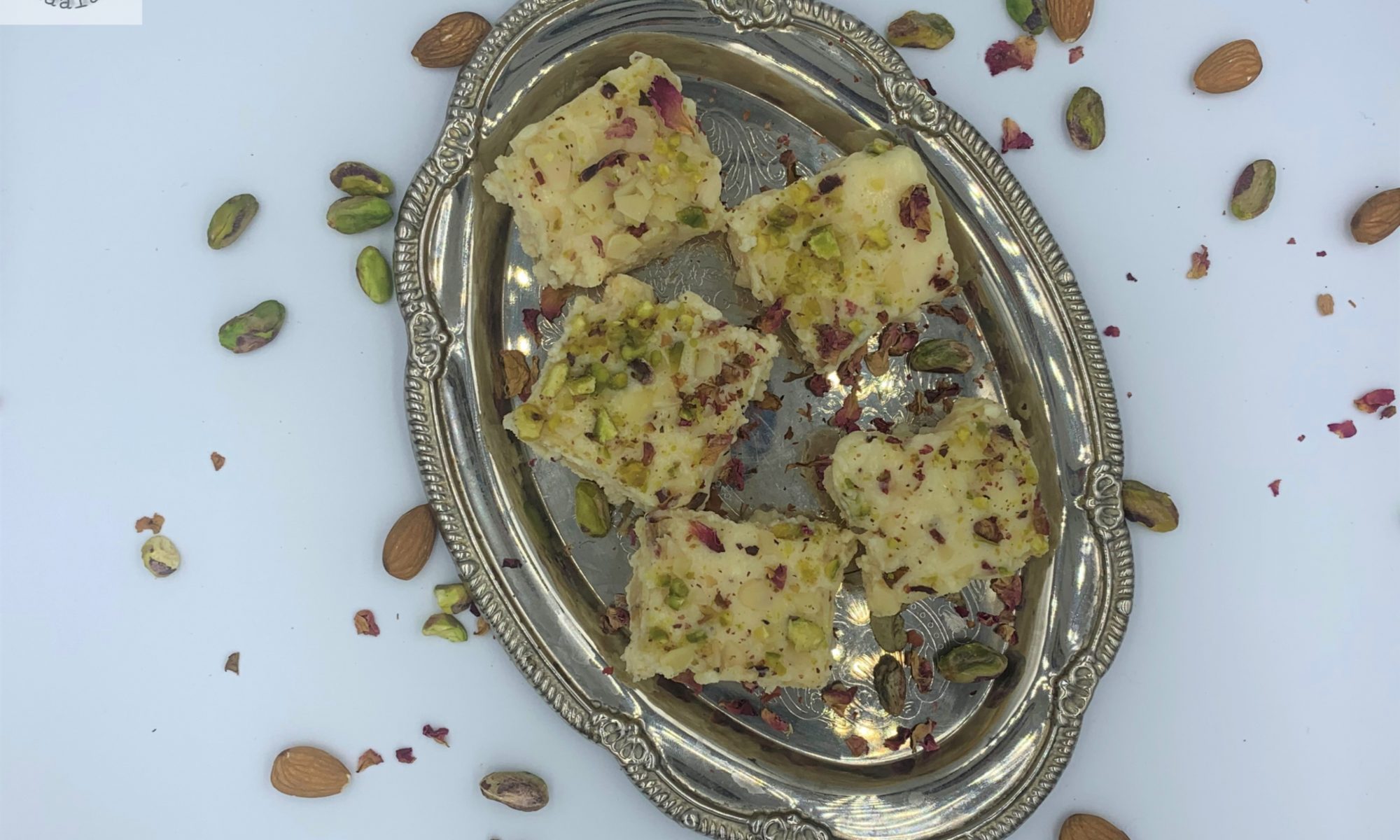
Kalakand is a popular and delicious Indian sweet. Its made by mixing Paneer with sugar and further mixing them with Reduced milk. Its a pretty dense milk fudge. It’s soft, grainy and delicious. It has a light flavor of Cardamom and saffron.

It has a subtle flavoring of cardamom and fragrance of Saffron. The top is decorated with Almonds and pistachios. You can also add some Rose petals. This recipe helps you make Kalakand at home with ease. The fact is when you are in a country far from home and you don’t get your favorite sweets where you live, then you have to make them at home. This recipe has all the details that will make the perfect Kalakand, the exact flavor from our home country.

Not that this recipe will be easy, but for sure the steps from this recipe are simple to understand and if you follow them properly, your Kalakand will be as amazing as it should be. The recipe is made from scratch and you can do it pretty easily, no fancy gadgets or ingredients needed either. It requires basic skills to stir well and stay focused for an hour and trust me, the result won’t just amaze you but it will be worth every second you spend. My hometown Jodhpur has some wonderful stores that specialize in making Kalakand and every time my family wanted kalakand, we would always get it from that particular sweet shop. When I tried making it at home, my mother definitely thought that I have gone completely nuts, but I didn’t have another option. Another problem with sweet stores in USA is that they do not make sweets other than those which are popular like Bengali sweets, one or 2 kinds of laddus, jalebi to name a few. They do sell Burfi but if you ever feel that you will find a wide variety like India then you will be highly disappointed and that’s when people like me come in and teach you easy ways of making your own.

Kalakand recipe is made using a handful of very basic ingredients like Homemade Cottage cheese/Paneer, Milk, cardamom crushed / cardamom powder, saffron, sugar and almonds+pistachios to garnish. As fancy as it looks, there is actually nothing too hard about this scrumptious sweet dish. Kalakand is best served cold, so make sure you keep it refrigerated.

Just make sure you keep a few things in mind when you decide on making Kalakand. Its always advisable to use freshly homemade Paneer. Fresh Paneer is soft in texture and blends well when we cook it with milk, giving that perfect grainy texture to the Kalakand, which is what you really want. A store bought Paneer is usually not too fresh and becomes firm. A firm and old Paneer or a frozen Paneer will never give you the same results. Almonds, Pistachios are rose petals look on Kalakand. To make it look more expensively rich, adding a few saffron strands would be great too. Enjoy!!!

Shwarema Roti

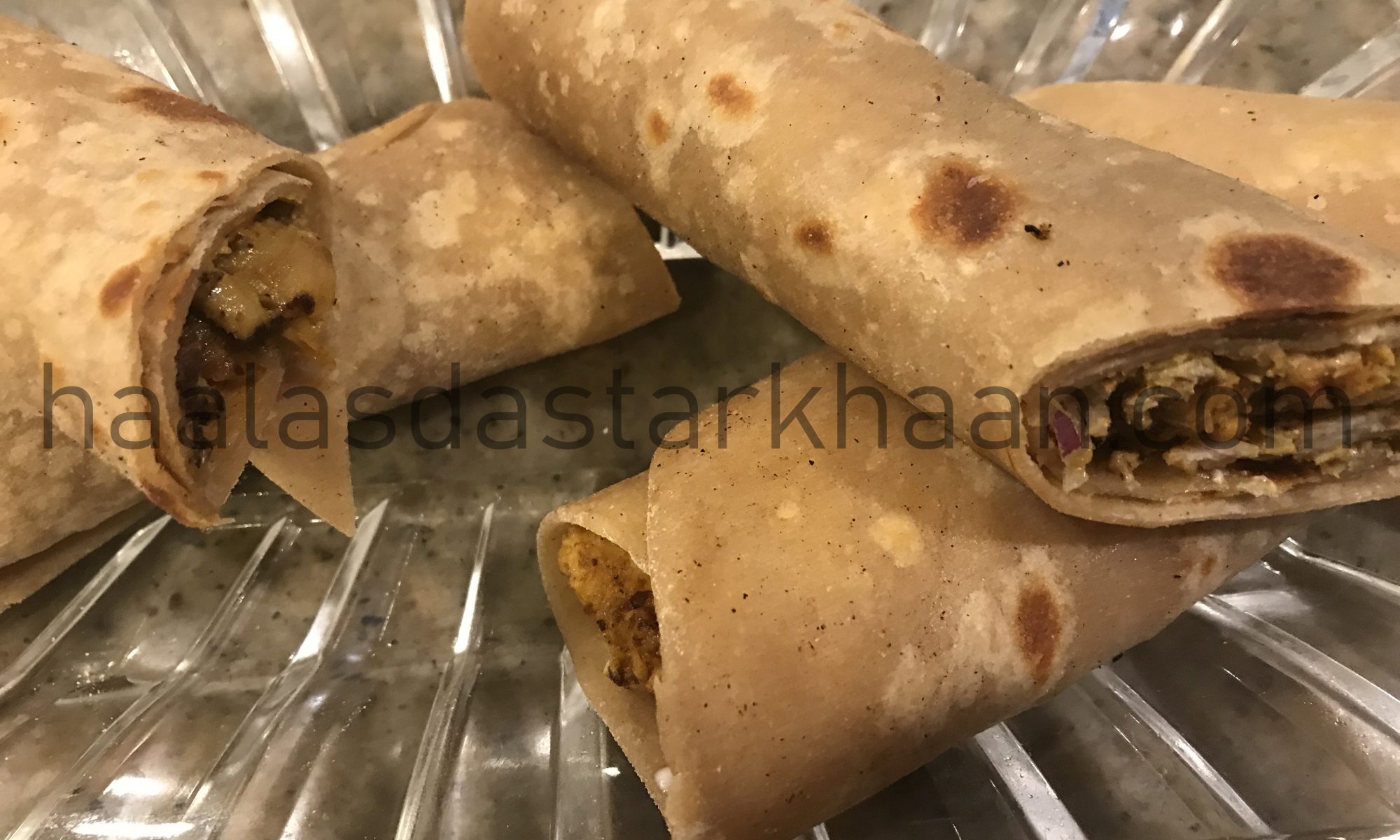
The Jordanian / Palestinian Shwarema is served with thin bread. This is the recipe for the thin roti for chicken shwarema. If you enjoy your juicy chicken and less of the the bread, this is for you.

Empanada Dough

I am from a small town in India, living in a big town in USA. Married to a man who shares the same passion for travelling and food as me. That kind of makes me believe that marriages are made in heaven and yes, I make sure I remind that to Mr. Parveez at least a hundred times during the day…LOLzzz. Jokes apart, where I love the cozy and cold destinations, he loves the sun, and our boys have taken completely after him, not just their faces and habits, but also their choices match his more than mine.

On our 5th and 11th anniversary, we have traveled to Mexico and Puerto Rico. Not only were the beaches clean and beautiful, the water was shallow enough for us to let the kids play. Besides the beautiful views, what also attracted us was the food. We loved the food, specially guacamole, Empanadas and Mufungo. Out of all the foods we tried, Empanadas became my favorite. I feel that might be their faint resemblance to samosas and the fast that they are baked [Empanadas have baked and fried option] gives you the liberty of over eating.

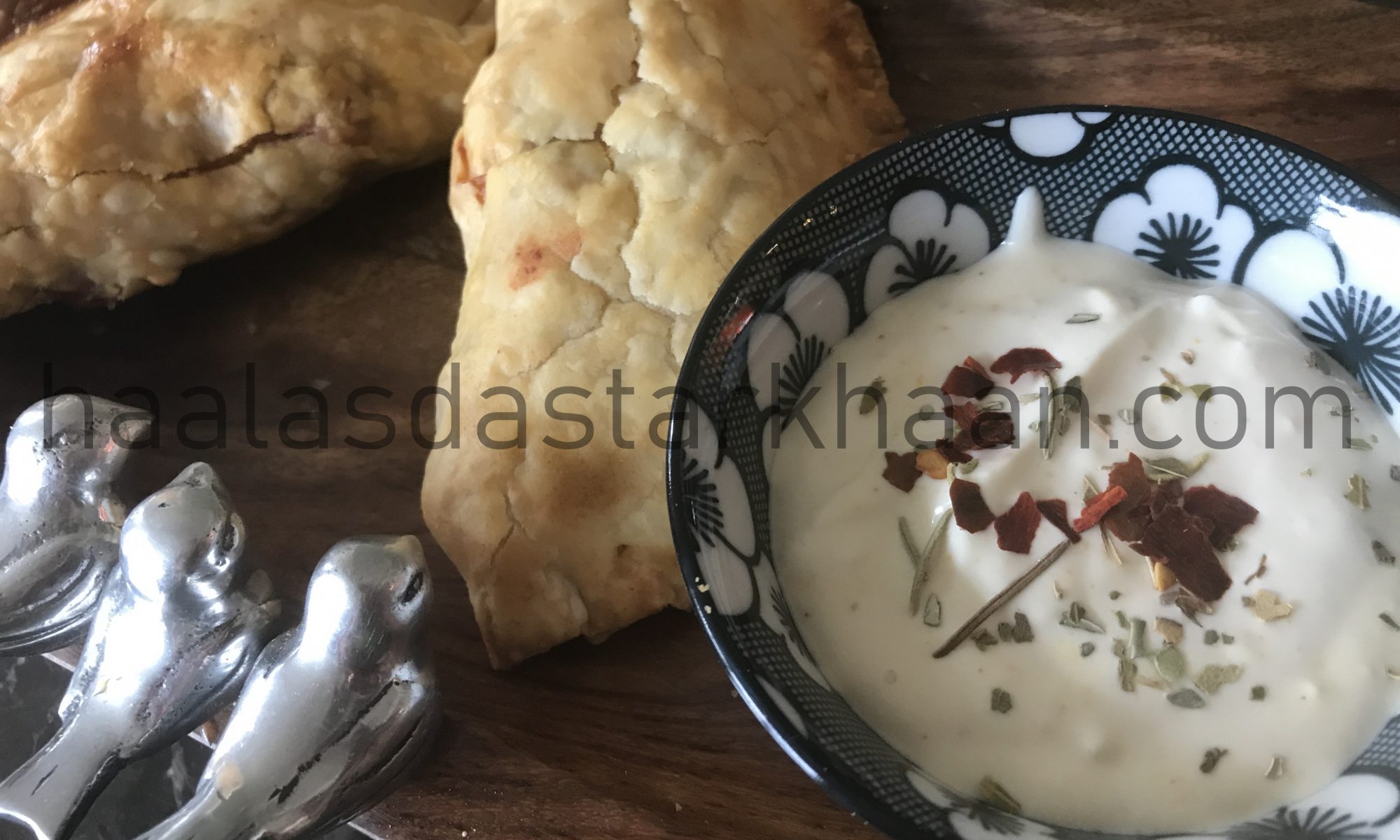
Being Muslims, we couldn’t try the pork or chicken and beef empanadas, but the shrimp and veggie options helped me get a faint idea of how I’d like my chicken stuffing to be. I baked them instead of frying and the taste was fantabulous. It is a family favorite and perfect for tea/coffee get togethers or play dates.

Chicken’s versatility has earned it a place on the table at least three times on our dinner table in a week. And while a fried chicken and golden fried samosas will always be a classic favorite, making these hearty chicken Empanadas come in second being a very close favorite. To avoid a dry filling, it’s best to seek out ground chicken made from dark meat. In most cases this means you’ll need to get it from boneless thighs and leg meat. This recipe will leave you with some leftover filling, which freezes beautifully for future Empanada endeavors. Baked Empanadas can be cooled, covered in plastic wrap, and frozen for up to 2 months; you can thaw and reheat them in the oven until warmed through.