Kolkata Chicken Roll

Chicken rolls have always been a favorite in our home. Those of you who follow my blog know how much I love wraps of all kinds — whether it’s a classic chicken roll, a burrito, or tacos. I think this love goes back to my mom. During one of her trips to Mumbai, she tasted Mutton Tikka Boti Rolls at a Parsi eatery and later recreated them at home. They were an instant hit with the entire family, and from that point on, rolls became a regular comfort food for us.

So when I came across pictures of the famous Kolkata Chicken Roll, I knew I had to try making it. The flavors sounded irresistible — bold, layered, and packed with personality. From everything I’ve read, it’s one of Kolkata’s most iconic street foods, loved for its rich taste and satisfying simplicity. Although I’ve never visited Kolkata, there’s something about its food culture that deeply attracts me. Some places just connect with you through their cuisine, even from afar.

Recipes like this are wonderfully fuss-free and incredibly practical. For those of us living far from our home country, food becomes a powerful way to stay connected to our roots. At the same time, dishes like these are perfect for kids — easy to eat, nutritious, and ideal for busy days or meals on the go.

I grew up loving my mom’s Tikka Boti Rolls. She initially made them with mutton, but later switched to chicken as well, and I adored both versions. I’ve always appreciated recipes that travel well — perfect for road trips, long drives, or those moments when hunger strikes and stopping isn’t an option. Not every journey allows for leisurely restaurant breaks, and sometimes you’re just stuck in traffic after a game or a long day. That’s when homemade rolls like these truly shine — convenient, filling, and deeply satisfying.

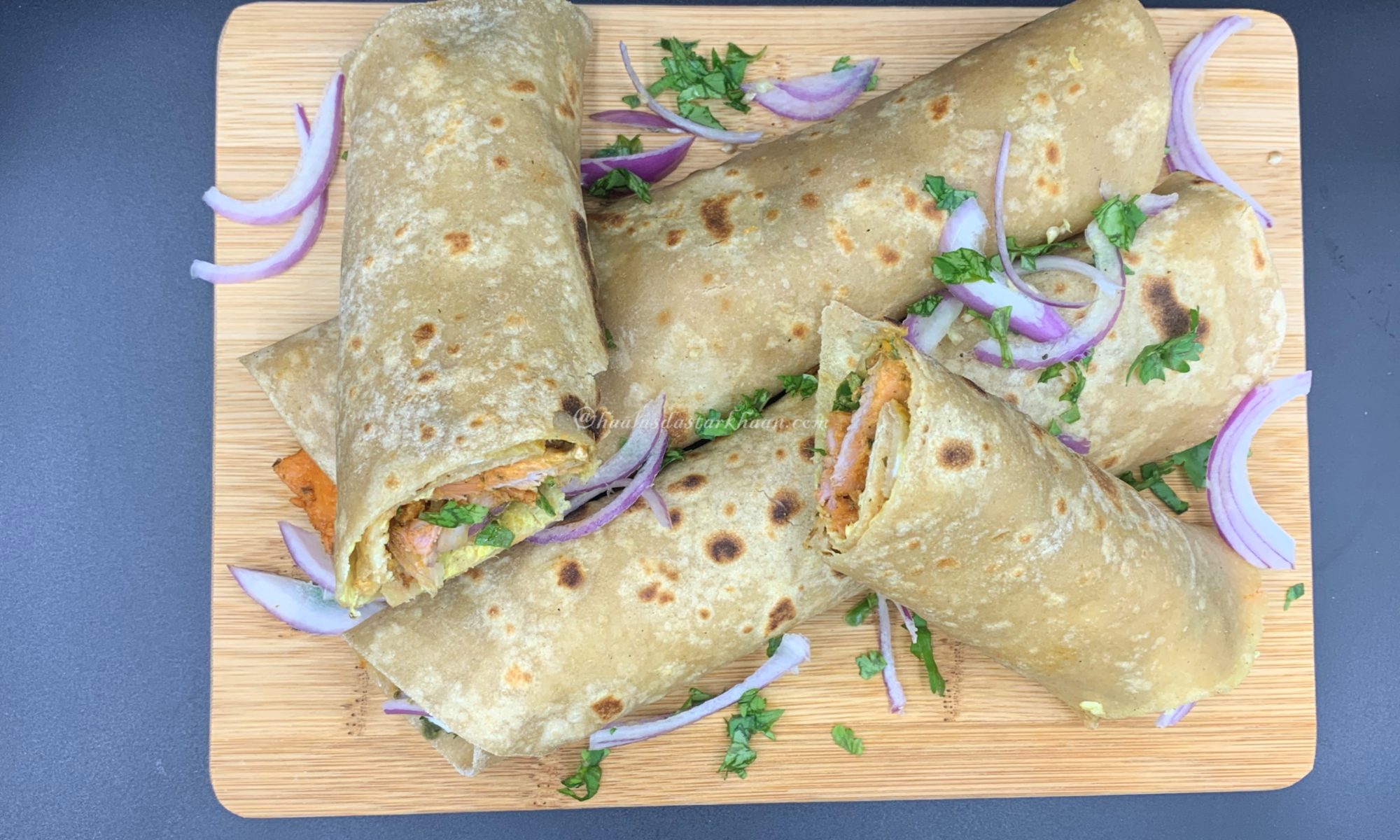
For this version, I marinated boneless chicken with salt, ginger-garlic paste, lemon juice, and yogurt. The spice blend includes dried fenugreek leaves, tandoori masala, red chili powder, cumin powder, and fennel powder, creating a beautifully aromatic base. The chicken can be marinated overnight for deeper flavor, but even a quick 30–45 minute marinade works well when time is short.

This recipe may not be an exact replica of the rolls you’d find on the streets of Kolkata, but after many trials and countless variations, this is the version I keep coming back to. One element I borrowed from my mom’s technique is spreading a thin layer of beaten egg onto the roti and cooking it before adding the filling. I’m not entirely sure how this differs from traditional Kolkata egg rolls, but I do know that it adds richness, texture, and a wonderful depth of flavor.

Ultimately, this recipe is a blend of influences — my mother’s cooking, flavors I’ve loved over the years, and my own experiments in the kitchen. The result is a chicken roll that feels both familiar and new, comforting yet exciting.

I hope you try it, enjoy it, and share it with your loved ones — just as my family and I do. 🌯✨
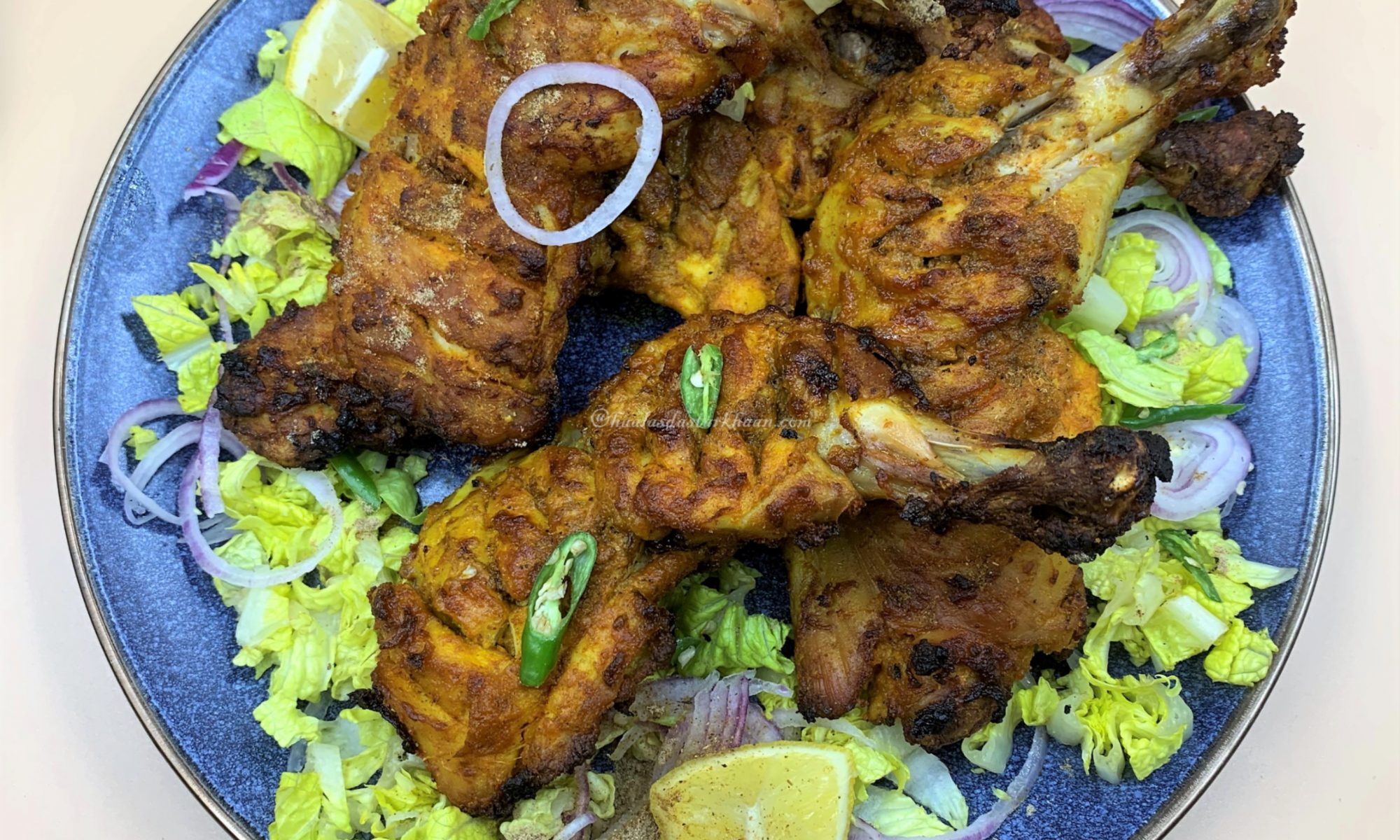
Murgh Darbari Tangdi Kebab

As the name suggests, this recipe traces its inspiration to the grand culinary traditions of the Mughal era — a time when food was not merely sustenance, but an art form. It is often believed that dishes like these may have been favorites in the royal courts of Emperor Akbar, where elaborate kitchens produced some of the most refined cuisines the Indian subcontinent had ever seen.

Exploring the history behind such recipes is just as fascinating to me as cooking them. Many of the whole spices we now consider inseparable from Indian cuisine — cinnamon, bay leaves, cardamom, cloves — became widely popular during the Mughal period. These were blended with indigenous ingredients already present in India, such as turmeric, chilies, and coriander, giving birth to deeply layered flavors that still define much of North Indian cooking today. The result was not just new dishes, but entirely new culinary traditions — kebabs, kormas, rich gravies, and the many forms of biryani we enjoy today.

What makes this period especially remarkable is the cultural exchange it fostered. The Mughal courts brought together Persian, Central Asian, and Indian influences, creating food that was luxurious yet rooted in local tastes. Many of the dishes we now call “classic” were, in essence, early forms of fusion cuisine — long before the term existed. Acceptance, adaptation, and creativity combined to produce flavors that have endured for centuries.

Kebabs themselves are often considered a gift from the Middle East to the wider world. Over time, they evolved in countless regional styles across India, each with its own spice balance, cooking method, and personality. Whether grilled over open flames, cooked on skewers, or pan-seared, kebabs remain one of the most beloved expressions of this culinary heritage.

The Mughal era also left a profound mark beyond food — in architecture, art, language, and cultural traditions. For me, it represents a time when diverse influences came together to create something enduring and beautiful. In India, food has always been a powerful bridge between cultures, religions, and communities. Festivals are shared, kitchens are opened to neighbors, and meals become celebrations of togetherness. It’s a reminder that cuisine is not just about ingredients, but about people, memories, and shared experiences.

Historical accounts suggest that Emperor Akbar had an exceptional appreciation for fine food, and the royal kitchens prepared an extraordinary range of vegetarian and non-vegetarian dishes tailored to his tastes. Queen Jodha is also said to have taken a keen interest in culinary matters, ensuring that meals reflected both royal grandeur and personal preference. While exact recipes from that era are rarely documented in detail, they offer enough clues to inspire modern recreations.

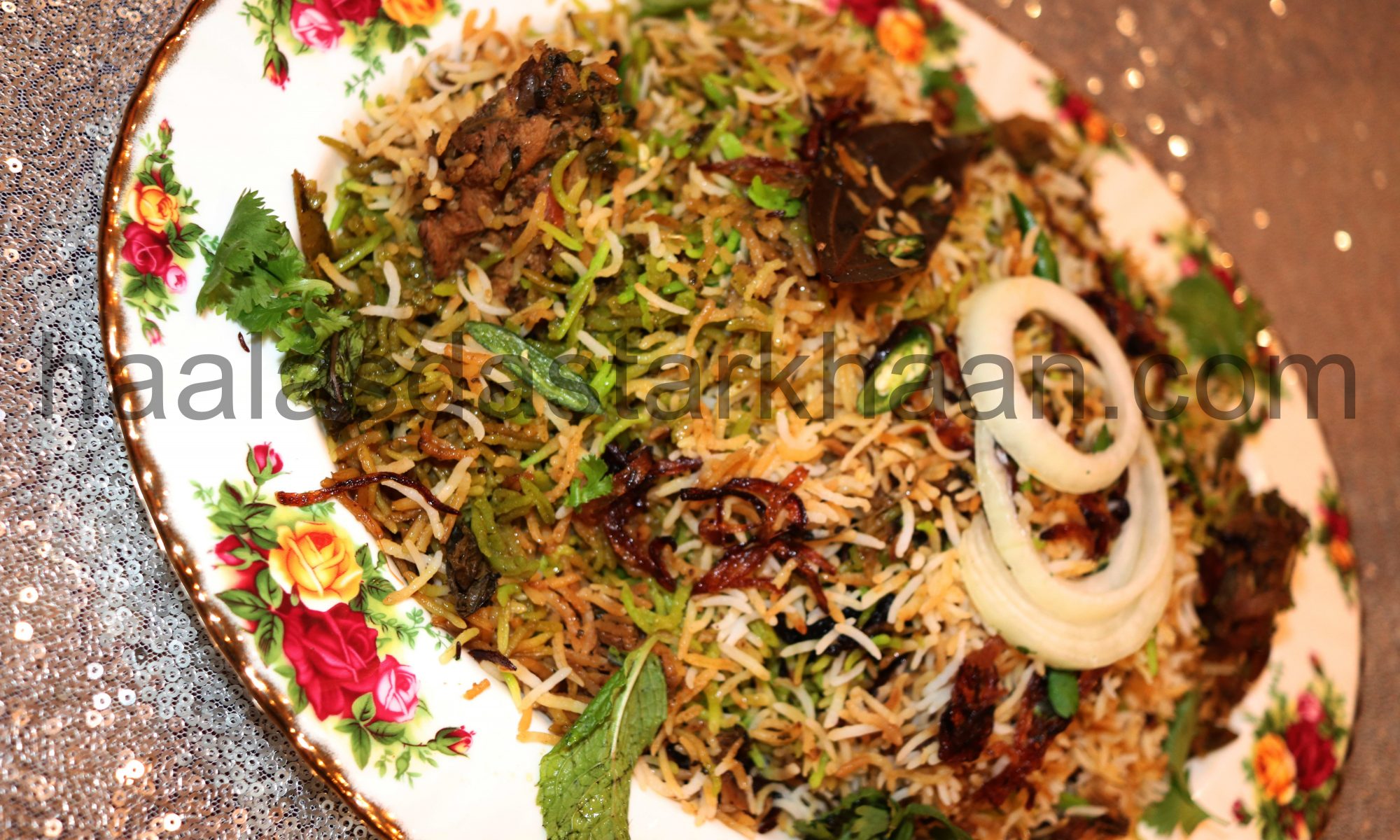
This kebab recipe is my interpretation of what such royal flavors might have been like — rich with aromatic spices, balanced yet indulgent, and deeply satisfying. While it may not be identical to the original dish served centuries ago, it aims to capture the spirit of Mughal cuisine: elegant, bold, and unforgettable.

Each recipe I share may use familiar ingredients, yet the proportions, techniques, and combinations make every dish unique. The only true way to understand it is to cook it, taste it, and experience the flavors for yourself.

I hope you enjoy these kebabs as much as I did — a small, delicious journey back in time. 🍢✨

Masala Poori Chaat

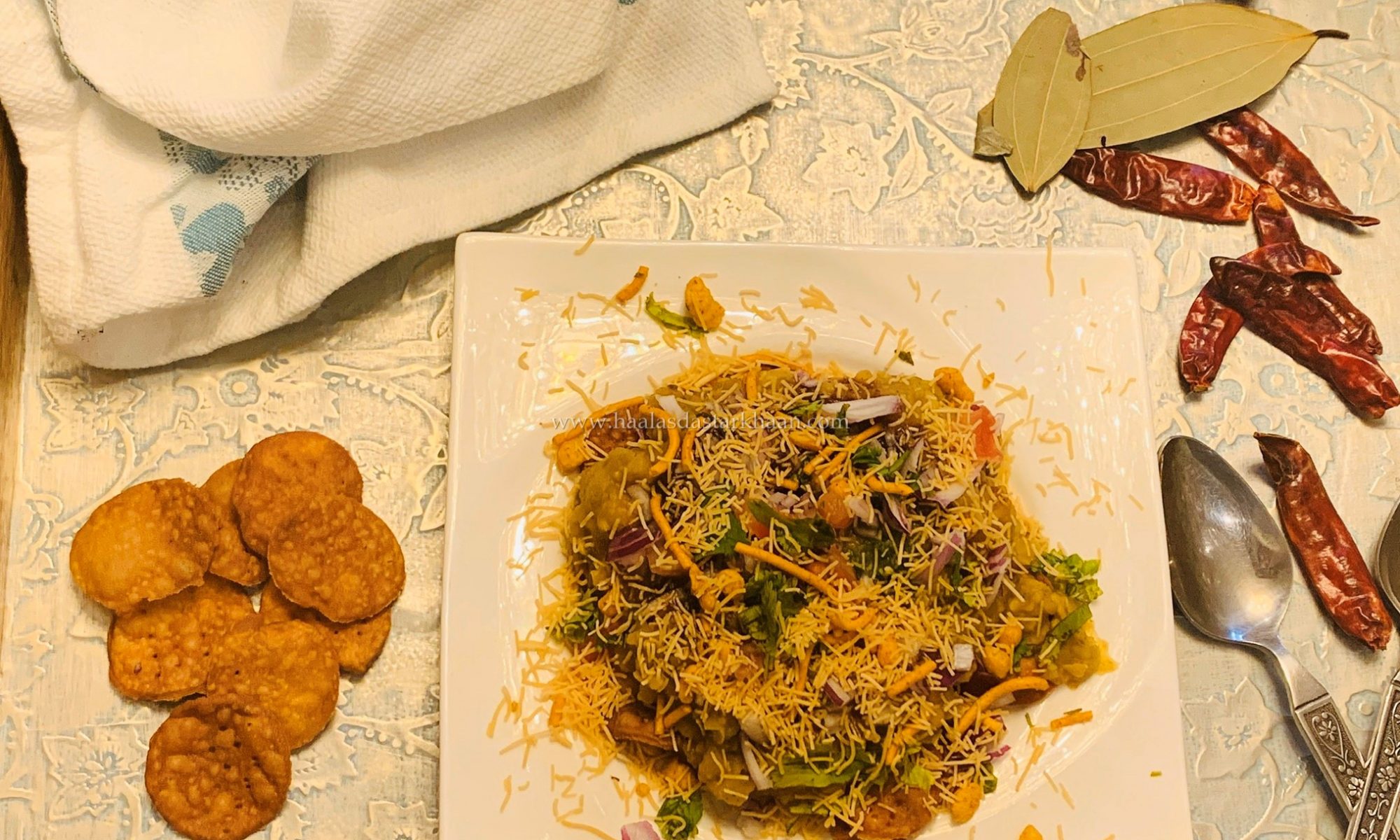
Masala Poori or Masalpoori is a popular chaat in Southern states of India, mainly Tamil Nadu, Karnataka, Telangana and Andhra Pradesh. This chaat can be made spicy and sweet, and of course the best way, which is sweet and spicy.

I think all chaats need to have “Tikhi-Meethi”, which is sweet and spicy in hindi. A chaat has to have medley of flavors that just make you happy. Chaats should make you remember and enjoy good times. See, people usually don’t realize but more than any sweet dish, chaats spread more happiness. Sweet dish is a part of every family and usually made or brought in from sweet shop every time for an occasion, big or small, sometimes not so important and sometimes made even without an occasion. But, Chaat, people mostly don’t make it at home and when they step out to enjoy their favorite chaat, its more like an event.

If you happen to be a chaat lover like us, and enjoy making them at home, this is a recipe for you. This chaat is different from all other chaats, the difference is North and South, literally. This one is more cooked, blended, mixed in and a little more effort from our regular chaats, but the end result is all worth it.

This chaat is mostly made with peas and sometimes with Chickpeas/Kabuli Chana. I have made both ways and I feel the Kabuli Chana is much better so preferred in my house, but you can always substitute and follow the same steps. Peas do not need to be soaked so you can always make this chaat in around an hour if using peas. Make sure you follow the steps of mashing and blending, the flavor would not be the same if you omit those steps. The chaat is served warm and would fill you like a meal, so I recommend it more for tea parties or chaat evenings than an appetizer. It is also a great option for Ramadan Iftaar, if you have an hour gap between Iftaar and dinner. Also, I prefer making my papdi at home, and I make it with Whole wheat flour. Nevertheless, using store bought Papdi gives exactly the same fabulous result. If you want to make yours at home, feel free to follow my recipe. You can also substitute whole wheat with All purpose flour as well.

My better half, Mr. Parveez introduced me to this chaat. It was his college days when he would be out with his friends, after college and at times bunking classes enjoying mouthful of flavors and mostly it was Masala Poori. All in all, loads of wonderful memories. Now, I can definitely bring back his wonderful carefree days, but every now and then I help him remember them with a smile by offering his favorite chaat.

Chicken Balls

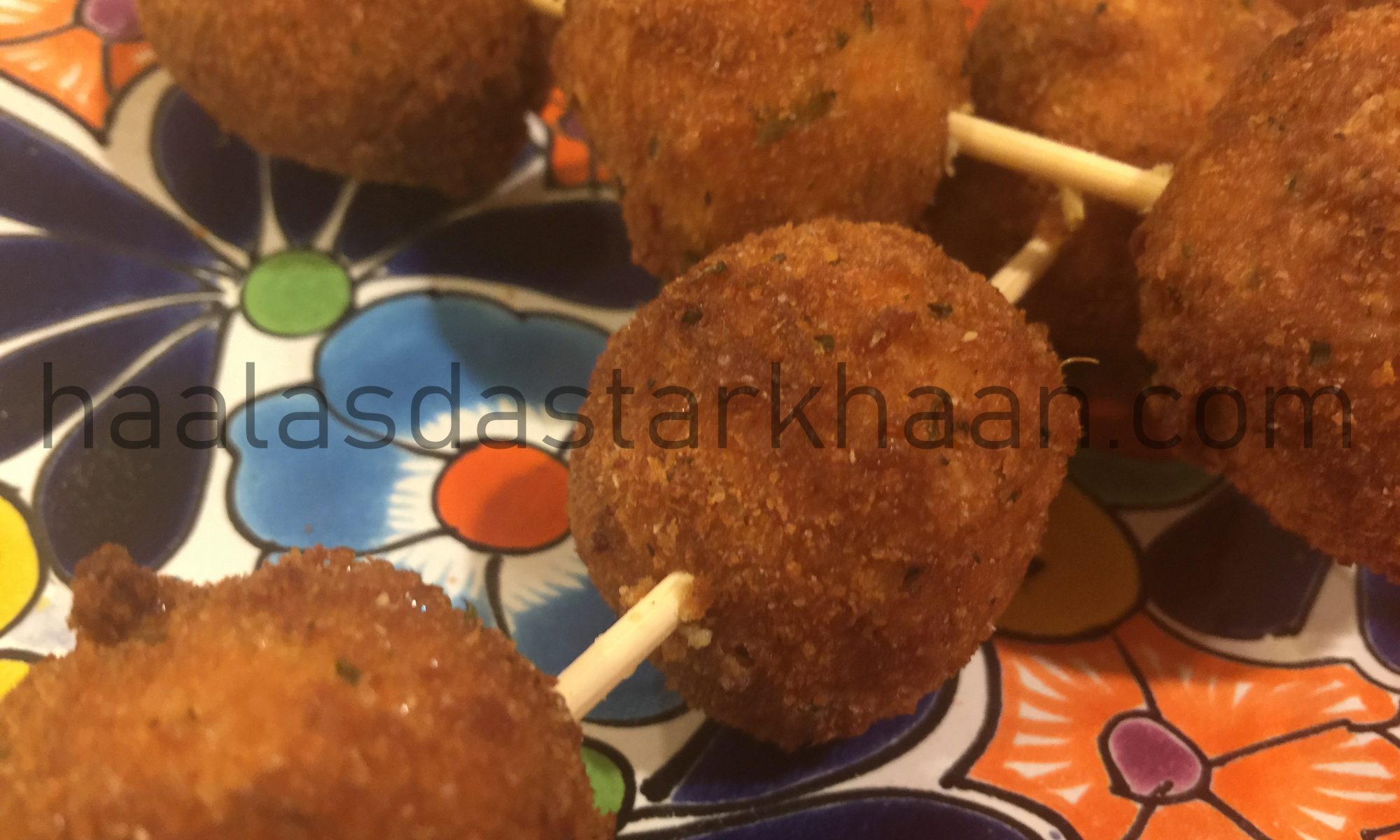
This dish was a play date day invention. My boys had friends over, all wanted chicken, but some wanted spicy, other not so spicy and the rest preferred something with cheese. These balls have different fillings, some are filled with ketchup so they are a little sweet and sour, some have green chili chutney and some have shredded cheese. The kids loved them and it was an instant hit.