Chicken Ramen Noodles

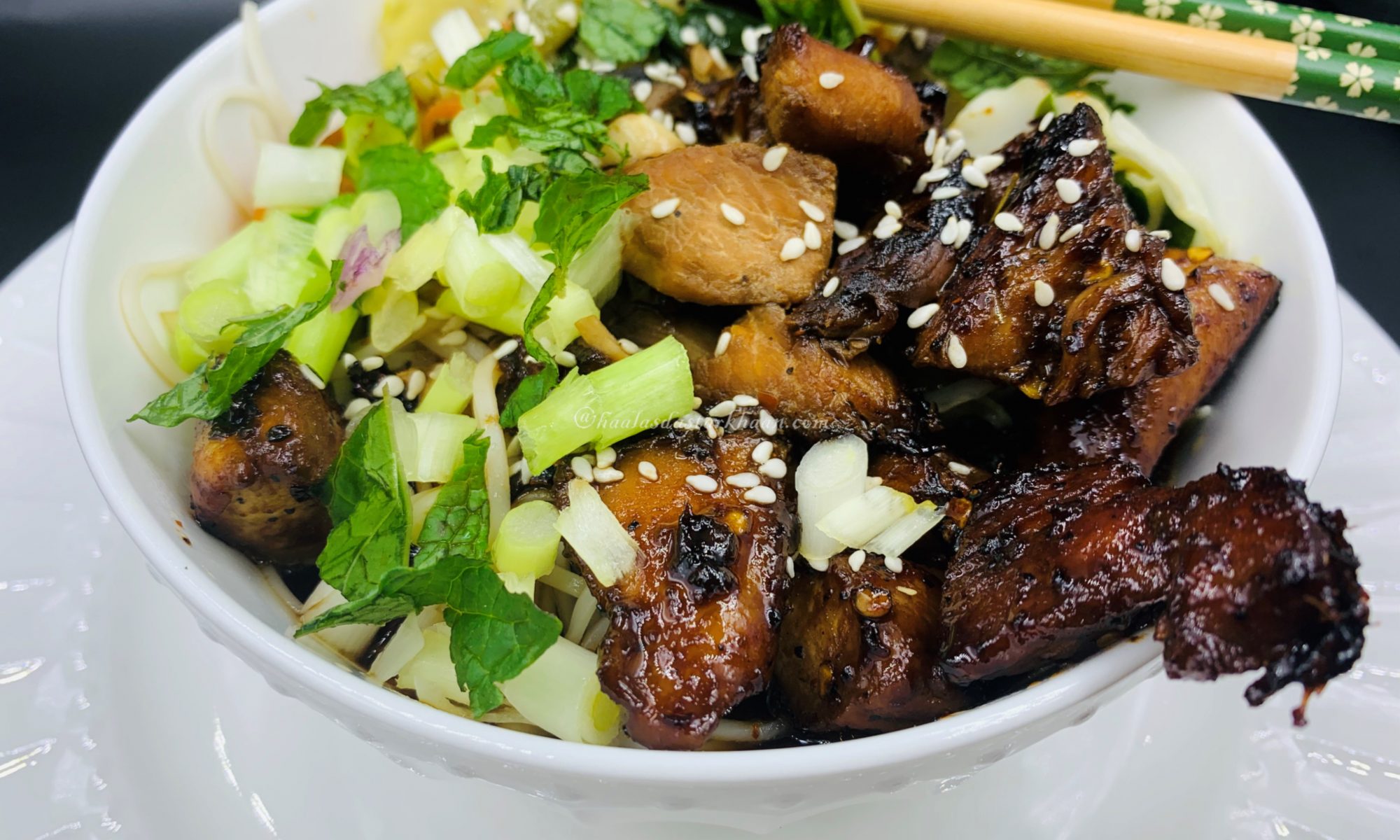
This Japanese-inspired dish came together almost entirely without any advance prep — one of those happy kitchen accidents that turns into a family favorite. My boys had been watching a Japanese show where a character is obsessed with ramen, and ever since, they couldn’t stop talking about how delicious it looked. Naturally, that meant I had to figure out a way to make it happen.

I had never really tried ramen before, mainly because finding Halal Japanese options isn’t easy where we live. Seafood versions never appealed to me either, so it was something I had always quietly skipped. But convincing curious kids to skip a dish they’re fascinated by? Impossible. They’re at that age where they want to explore every cuisine under the sun — as long as it’s religiously permissible — and since their mom enjoys cooking, they assume anything is possible at home.

With very limited time (and very persistent children), I dived into recipe research. Three hours later — which felt like three minutes under pressure — I realized I didn’t even have many of the “essential” ingredients most ramen recipes call for. No bok choy, no lemongrass, no fancy mushrooms. Instead, my fridge offered spinach, carrots, cabbage, zucchini, and a few regular mushrooms. Not exactly traditional, but perfectly workable.

I also chose not to add onions. While they’re wonderful in many dishes, onions can dominate a delicate broth and tend to become overly soft and mushy in soups. I wanted something light, clean, and comforting rather than heavy.

So this version became a practical, home-style ramen — adapted to what I had on hand and to our family’s taste preferences. The broth was simple but flavorful, the vegetables added color and nutrition, and the noodles brought everything together into a warm, satisfying bowl. It may not be an authentic Japanese ramen, but it captures the comforting spirit of the dish beautifully.

What I love most about recipes like this is how easily they help you serve more vegetables without making it feel like a “healthy” compromise. When tucked into a fragrant broth with noodles, even picky eaters happily finish their bowls.

I’m no expert in Japanese cuisine, but the more I experiment, the more I appreciate its balance, simplicity, and depth of flavor. With a few thoughtful adjustments, it’s possible to create dishes that feel authentic while still fitting your pantry and lifestyle.

This quick, comforting ramen-style bowl turned out far better than I expected — warm, nourishing, and completely satisfying. Most importantly, the boys loved it, which is always the ultimate test.

I hope you enjoy this easy, veggie-packed bowl just as much as we did. 🍜✨
Gajar Ka Halwa

Gajar ka Halwa is, without a doubt, our ultimate winter comfort dessert. The natural sweetness of carrots slowly cooked with milk, sugar, fragrant cardamom, and rich desi ghee creates something truly magical — a warm, indulgent treat that makes cold days feel cozy and festive. Every family has its own treasured version of this classic, and it remains one of the most beloved winter sweets across North India.

When the markets fill with fresh, juicy red carrots, it almost feels like an invitation to start making halwa. That irresistible urge to end every meal with something sweet suddenly becomes impossible to ignore — and Gajar ka Halwa always tops the list. I make mine using grated red carrots, milk, khoya, and sugar — a traditional, rich version that truly shines when those seasonal carrots are at their peak.

I also prepare another version that comes straight from my mother’s kitchen. Growing up, I was convinced she made the best Gajar ka Halwa in the world. She would slow-cook it patiently for hours on the lowest heat, allowing the flavors to deepen while the entire house filled with the most heavenly aroma. I still remember how she would freeze portions so we could enjoy it long after winter had passed — a small luxury we all looked forward to.

Deeply rooted in North Indian cuisine, this dessert has a rich yet slightly grainy texture and just the right level of sweetness. It’s comforting, nostalgic, and incredibly satisfying. Honestly, I’ve yet to meet an Indian who doesn’t love a good bowl of Gajar ka Halwa.

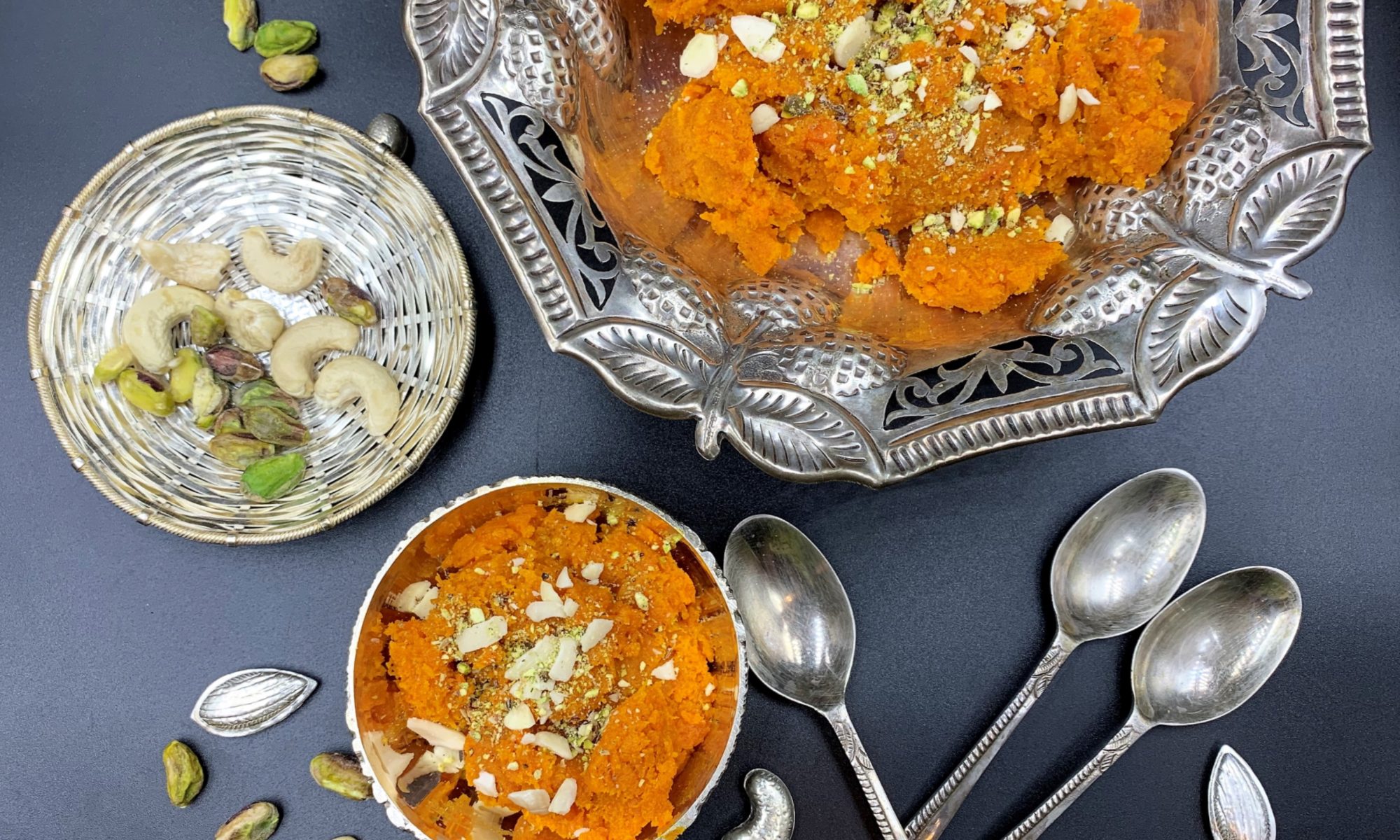
Garnished with slivers of almonds, pistachios, and other dry fruits, it tastes divine on its own. But if you really want to elevate it, serve it warm with a scoop of vanilla ice cream — the contrast of hot and cold takes it to another level. I even have a richer version on this blog made with condensed milk, which creates an even creamier result.

One of the most beautiful things about this dish is its versatility. It can be enjoyed warm or chilled, simple or decadent, plain or paired with ice cream — and it never fails to bring comfort and joy.

Like most traditional dishes, every North Indian household adds its own personal touch, and even small tweaks can transform the flavor and texture. This recipe is my quick, reliable version — rich, satisfying, and consistently delicious.

I begin by sautéing grated carrots in ghee until they release their moisture. Once most of the water evaporates, I add milk and let everything cook slowly until the carrots become completely tender and the milk reduces to about one-quarter of its original volume. Then comes the khoya, followed by sugar and freshly ground cardamom powder. The mixture is cooked until it thickens beautifully and no excess liquid remains.

For garnish, I usually add sliced almonds and pistachios, sometimes cashews as well. Raisins are optional — some love them, others prefer to skip them — it really comes down to personal preference.

I make Gajar ka Halwa quite often, and it disappears just as quickly. If you’re cooking for a gathering, you can easily double or triple the recipe — just allow extra time for the milk to reduce properly.

Whenever possible, I choose the reddest, juiciest carrots for the best color and flavor. If those aren’t available, a tiny pinch of orange food color can enhance the appearance, though it’s completely optional. The taste remains just as wonderful without it.

Warm, fragrant, rich, and deeply nostalgic — this is winter in a bowl. I hope it brings as much comfort and happiness to your home as it always has to mine. 🥕✨

Carrot Masala Toast

This masala toast is a famous snack from Iyengar bakery, which I had never tried. Being from North India, there are these few things that you miss out on. Like the fresh made veggie toast. Ohhh!!! Don’t get me wrong, I love the north Indian malai bread and potato sandwich or paneer sandwich, but I still fell completely in love with this iyengar bakery masala toast.

This was first made by my husband, Mr. Parveez when he wanted to flaunt his cooking skills, show casing how breakfast can be made quick, delicious, light and above all, healthy.

This toast can have variety of veggies put but, the authentic iyengar bakery toast only has carrots, tomatoes, onions with a few spices and chilies. It’s a perfect breakfast for on the run, or a perfect snack for warming up those after school/evening cold winters with a warm drink.

Gajar ka Halwa with Vanilla Ice cream

Gajar ka Halwa is our winter favorite. The lovely sweetness of carrots mixed with sugar and milk and a hint of cardamom with desi ghee leaves you taste buds asking for more.

We always loved the idea of warm Brownies and vanilla ice cream. In fact, my kids are big fans of warm brownies/ cake with Ice cream. Its a desert that they would give away their lunch for. Anyways,  Mr. Parveez happens to be almost  the same when it comes to warm Brownies with Ice cream. With time he wanted try warm halwa with cold ice cream. I wouldn’t have tried making this had it come from someone else, but since it was my biggest food fan, I had to try it.

Warm Halwa and cold ice cream is a super awesome combination. Its something you will only understand after you try it. In this recipe I am sharing the recipe for Gajar ka Halwa and how I combined it with Vanilla ice cream. You can always check the Vanilla Ice cream recipe in the Dessert/ Sweet section.

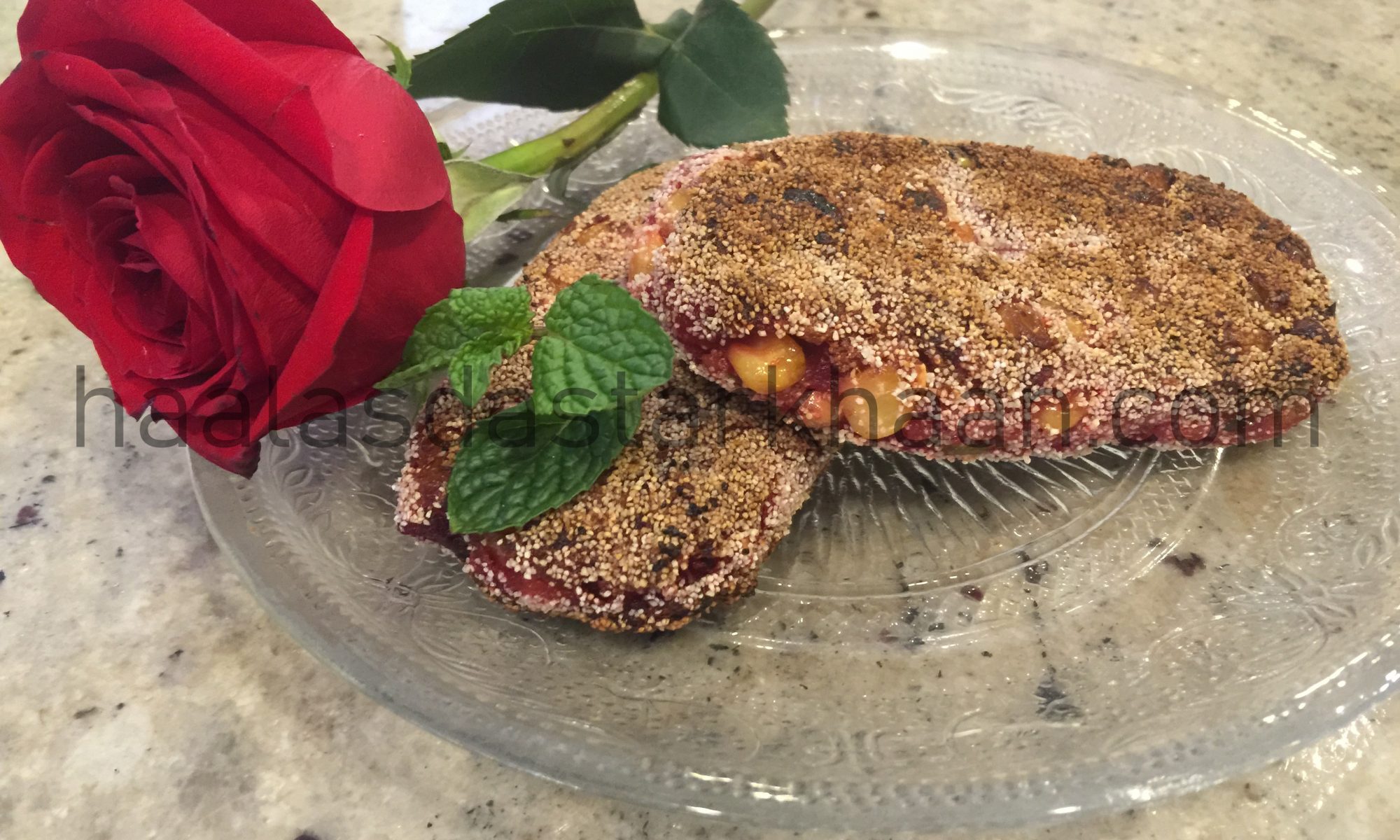
Beetroot Cutlet

As Indians, we love snacks and our snacking has no time. India has shops where you can find food, cooked fresh that comes under the category of snack, even though the one time calorie can exceed your breakfast, lunch and dinner combined, but, its still a snack.

Every tea time/ coffee time needs to have a snack at the side. Every time we have guests, making a fresh snack is considered honoring the guests. Though times have changed and most people serve store bought snacks, some people in India still prefer ordering fresh made snacks from the local stores when they expect guests, if they aren’t able to prepare them at home.

And, then still existing are people like me who prefer making their snacks at home, as much as possible and serving their guests and family with fresh made stuff. I am not bragging, honestly, I enjoy doing it and also have the time. There is nothing more amazing to flavors that are freshly cooked.

Our life these days, is so fast paced that its tough for us to take care of our health and we all know the culprit is lack of exercise and intake of processed food. In spite of all, we find it better to rely on medicines and cut down on all flavors of life, than changing our lifestyle. Its healthier if you find a little time in your busy schedule and follow the simple recipes I share.

The recipes are not just super delicious but also simple to follow and very clean to eat.

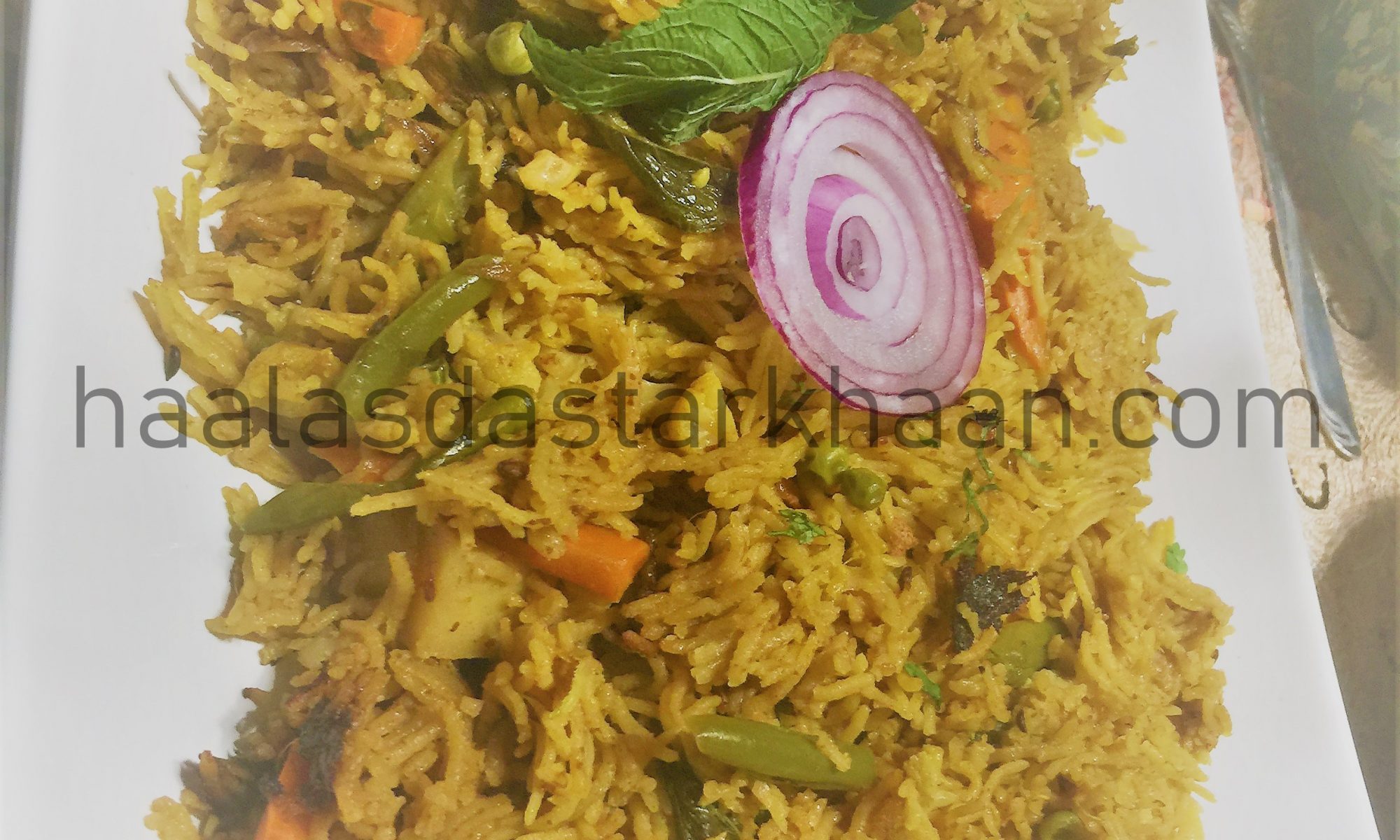
Vegetable Biryani

We love Biryani. Till date, I have cooked over 45 varieties of Biryani, with different flavors and different styles of cooking. Its amazing how beautifully the flavors blend in together and give out fabulous taste.

Biryani was introduced by Mughals in India. But with time, the addition of spices, chilies, local produce were added to enhance and make numerous varieties of Biryanis. And, I believe that with time, the vegetarians in India adapted the dish and decided to make the vegetarian option. Nevertheless, meat/ chicken/ vegetables, Biryani is always delicious.

Usually, Biryanis always goes hand in hand with chicken/ meat and is a non vegetarians delight. But, little do we realize that vegetarian Biryani would be equally delicious. While making vegetable Biryani, its always advised to use a variety of vegetables, of your choice. The good thing is that veggies are incorporated so easily that even with people who dislike them, enjoy it in this form.

Chicken Sizzler

Chicken sizzler is just such a super amazingly happy dish. I feel your hunger just grows by a 200% , seeing that sauce sizzle on that hot iron plate and the sizzling sound is so very pleasing.

Sizzler is best with boneless chicken or fish served with boiled rice and your choice of vegetables. I love the sizzlers in India, the spicy, smoky flavors at our favorite joint is just like a dream come true for people like us, who are so far away and that we don’t get halal sizzlers in USA, or at least not around us. So, for people like us, we invent our own.

So, there is a very sweet story to share as well. Mr. Parveez saw me longing for sizzler and bought me these wonderful iron sizzler pans and they were lying in my pantry closet waiting to be inaugurated. So, finally one day, while kids were at school and Mr. Parveez was working from home and I decided to test my gift. Usually, I always prefer making new things in my own time and keeping it a surprise and once I was done making it, the look on Mr. Parveez’s face is hard to express in words. I do have a picture of him but, he would not allow me to post it here …LOLzzz. It will always be treasured in my personal collection.