Korean Chicken Bites

Asian cuisine is wonderfully diverse—Chinese, Japanese, Indonesian, Thai, Malaysian, and Korean—each offering its own distinctive flavors while sharing certain ingredients and cooking techniques. Over the years, we have enjoyed exploring many of these cuisines, although our choices were often limited to seafood. As Muslims, staying within the boundaries of halal food can sometimes be challenging, especially when so many tempting dishes traditionally feature non-halal meats.

While I do have friends who are comfortable eating non-halal chicken or meat, for us that has never been an option. I firmly believe that when there are choices available that allow us to remain true to our beliefs, it is important to honor them. Fortunately, that has never prevented us from enjoying the flavors we love. The beauty of having curious taste buds—and a genuine passion for cooking—is that almost any dish can be adapted and made your own.

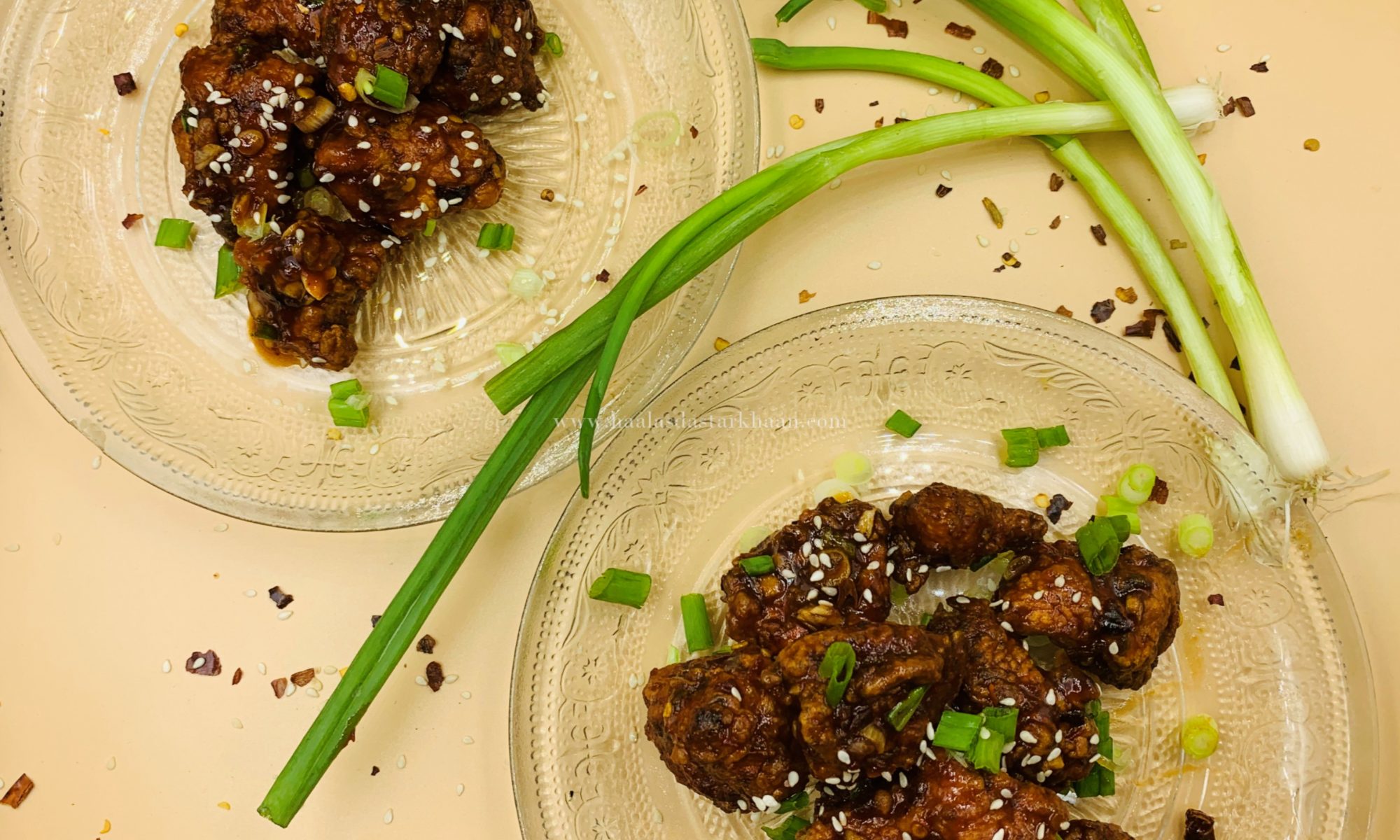
Begin by marinating the chicken in a mixture of buttermilk, chili flakes, onion powder, garlic powder, black pepper, white pepper, oregano, and salt. Allow it to rest for at least an hour—longer if possible—so the flavors have time to fully penetrate the meat.

Once marinated, coat the chicken pieces in a mixture of flour, cornstarch, and a little salt, then fry until golden and crisp. This creates a light, crunchy exterior that pairs beautifully with the sauce.

The sauce is what truly brings the dish together. It is prepared with crushed garlic and ginger, soy sauce, sesame oil, gochujang—a sweet and mildly spicy Korean chili paste readily available in most Asian grocery stores—along with honey, brown sugar, vegetable oil, and red chili flakes. Allow the sauce to simmer until it thickens slightly, then toss in the fried chicken pieces, coating them thoroughly so every bite is infused with flavor.

For garnish, scallions and sesame seeds work beautifully. While scallions can certainly be added directly to the sauce, I prefer sprinkling them over the finished dish just before serving. This keeps them crisp and fresh, providing a pleasant contrast in texture.

Substitute for Buttermilk?

If you don’t have buttermilk on hand, it’s easy to make your own. Simply add 1 tablespoon of lemon juice to the same quantity of milk required in the recipe. Stir well and let it rest for a few minutes before using it in the marinade.

The flavor of this chicken strikes a wonderful balance between sweet and spicy, making it appealing to both children and adults alike—unless, of course, someone prefers completely mild food. It has become one of my favorite dishes for playdates, family gatherings, and casual get-togethers because it is always a crowd-pleaser.

Cooking in advance

If you’re entertaining, the chicken bites can be fried ahead of time and kept warm in a preheated oven set to its lowest warming setting, ideally around 200°F (95°C). Anything significantly higher may overcook the chicken, causing it to become chewy or dry. When you’re ready to serve, simply toss the chicken in the freshly prepared sauce and garnish before bringing it to the table.
Murgh Darbari Tangdi Kebab

As the name suggests, this recipe traces its inspiration to the grand culinary traditions of the Mughal era — a time when food was not merely sustenance, but an art form. It is often believed that dishes like these may have been favorites in the royal courts of Emperor Akbar, where elaborate kitchens produced some of the most refined cuisines the Indian subcontinent had ever seen.

Exploring the history behind such recipes is just as fascinating to me as cooking them. Many of the whole spices we now consider inseparable from Indian cuisine — cinnamon, bay leaves, cardamom, cloves — became widely popular during the Mughal period. These were blended with indigenous ingredients already present in India, such as turmeric, chilies, and coriander, giving birth to deeply layered flavors that still define much of North Indian cooking today. The result was not just new dishes, but entirely new culinary traditions — kebabs, kormas, rich gravies, and the many forms of biryani we enjoy today.

What makes this period especially remarkable is the cultural exchange it fostered. The Mughal courts brought together Persian, Central Asian, and Indian influences, creating food that was luxurious yet rooted in local tastes. Many of the dishes we now call “classic” were, in essence, early forms of fusion cuisine — long before the term existed. Acceptance, adaptation, and creativity combined to produce flavors that have endured for centuries.

Kebabs themselves are often considered a gift from the Middle East to the wider world. Over time, they evolved in countless regional styles across India, each with its own spice balance, cooking method, and personality. Whether grilled over open flames, cooked on skewers, or pan-seared, kebabs remain one of the most beloved expressions of this culinary heritage.

The Mughal era also left a profound mark beyond food — in architecture, art, language, and cultural traditions. For me, it represents a time when diverse influences came together to create something enduring and beautiful. In India, food has always been a powerful bridge between cultures, religions, and communities. Festivals are shared, kitchens are opened to neighbors, and meals become celebrations of togetherness. It’s a reminder that cuisine is not just about ingredients, but about people, memories, and shared experiences.

Historical accounts suggest that Emperor Akbar had an exceptional appreciation for fine food, and the royal kitchens prepared an extraordinary range of vegetarian and non-vegetarian dishes tailored to his tastes. Queen Jodha is also said to have taken a keen interest in culinary matters, ensuring that meals reflected both royal grandeur and personal preference. While exact recipes from that era are rarely documented in detail, they offer enough clues to inspire modern recreations.

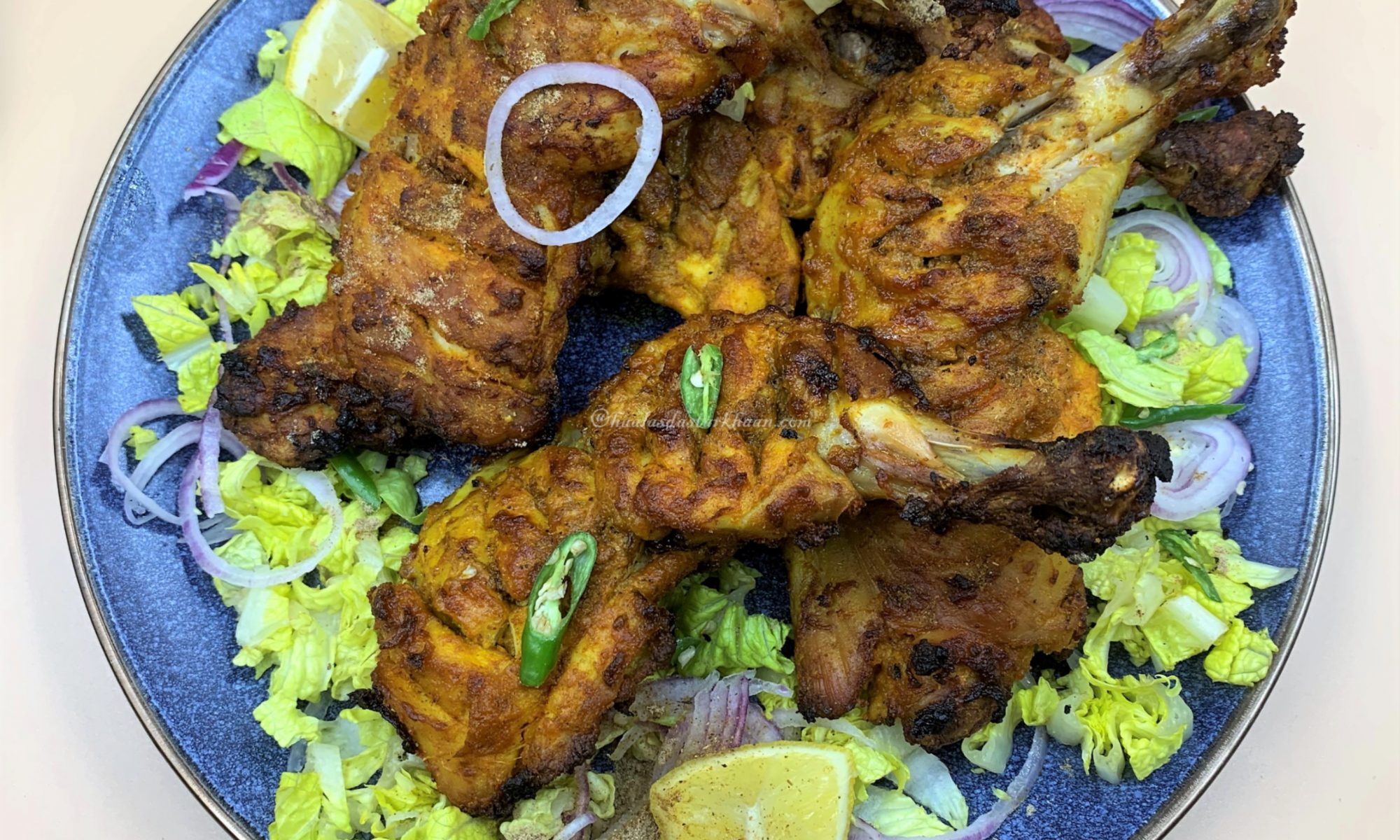
This kebab recipe is my interpretation of what such royal flavors might have been like — rich with aromatic spices, balanced yet indulgent, and deeply satisfying. While it may not be identical to the original dish served centuries ago, it aims to capture the spirit of Mughal cuisine: elegant, bold, and unforgettable.

Each recipe I share may use familiar ingredients, yet the proportions, techniques, and combinations make every dish unique. The only true way to understand it is to cook it, taste it, and experience the flavors for yourself.

I hope you enjoy these kebabs as much as I did — a small, delicious journey back in time. 🍢✨

Oven Fried Chicken Roll

A little twist to our all time favorite fried chicken roll. My kids love the fried chicken roll. We tried it in some restaurant in India a few years back from a popular joint. The roll was amazing crunchy and delicious. Since, we returned, these chicken rolls found a place to our play date parties, since they are a big hit in kids.

Though I would always fry my chicken but then when a dish is made more often, it sometimes makes you switch to a healthier option and that is exactly what I did with my fried chicken roll. Instead of frying it in oil, I substituted my fryer with my oven to make the chicken a little more healthier. The bread/Roti that i made for the roll is also cooked on a skillet without using oil.

Its funny that a person like me who isn’t very conscious about what she eats and I also truly believe that flavors shouldn’t be played around with and I made sure of that with this one too. This dish came to perfection after a few trials and errors and this is the final outcome, as good as the regular one.

Now, the first try for making the chicken without frying was cooking it in the air fryer. I am not sure if people achieve a lot of success while using air fryers, because I don’t seem to like them much. I have an air fryer from one of the best companies and I did follow all the instructions as well, but the chicken came out very chewy and the outer part wasn’t as crunchy either. I tried again and this time sprayed a little oil. The result was great exterior and very chewy inside.

Then I decided I should give my oven a try too and though everyone has their preference, but trust me on this one that the oven gives you much better results than an air fryer. There is definitely a little more work where you will have to turn the pieces around mid way cooking to ensure the chicken is cooked evenly from all sides, but, it’s totally worth it.

The sauce that I used to assemble the roll is pretty simple to make. The recipe is available in sauces. If in case its not, please feel free to remind me. Being a homemaker and a mother to two boys, I do forget updating things…LOLzzz

Meanwhile, please do go through the recipe. I am sure you will love to try it too. Its easy, simple, and healthy. Enjoy!!!

Waffles With Cream

Waffles are one delicious breakfast. Be it any type, Plain, Belgian, Chocolate or fruit. They are always so satisfying and delicious. My boys can do anything to get their favorite waffles. The American food kind of wins over my paranthas every time. I call that to be the blessings of settling down in USA…LOLzzz. The fact that my boys have huge variety to pick from is a delight in its own way and as a mom who loves cooking, I always find their food demands wonderful.

Waffles are super easy. The recipe below is for Belgian waffles. Basically, this recipe can be used for any waffle by adding your favorite fruit or chocolate and the flavors are always so delicious and warm.

I have even served my boys waffle as an after school snack. They always taste extra scrumptious during winters, they love the warm waffles drizzled with maple or chocolate syrup. You can also add some whipped cream and drizzle some chocolate sauce on it with some colorful sprinkles.