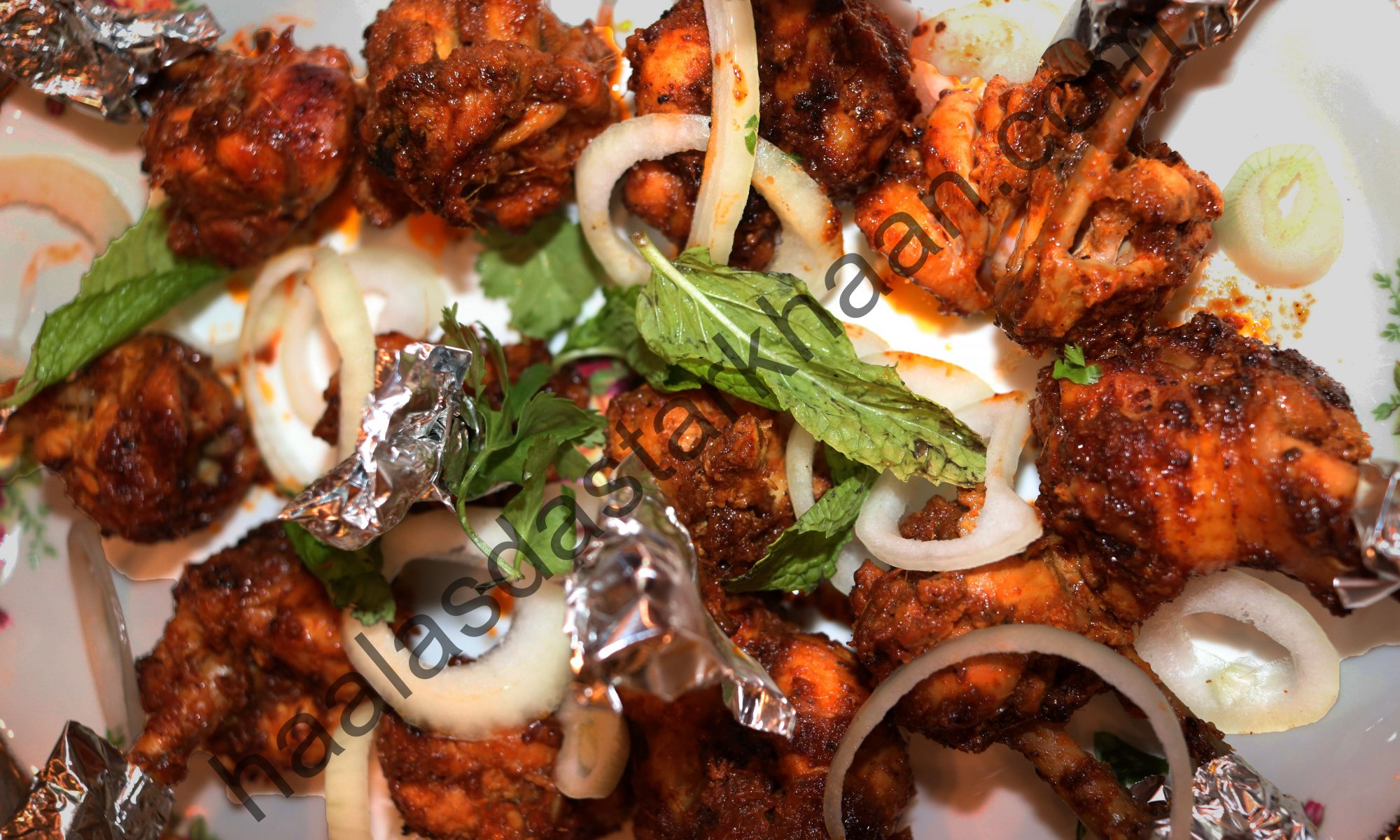
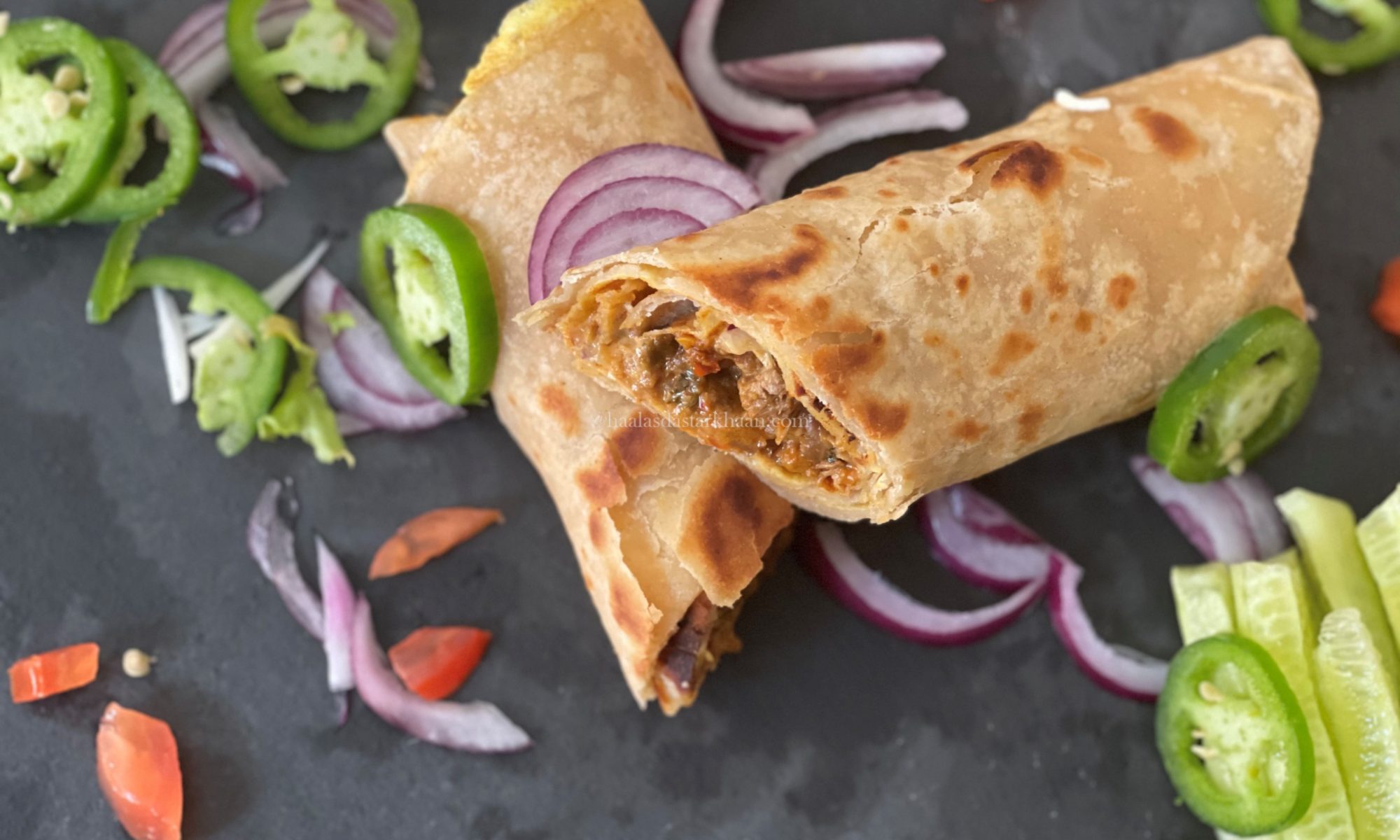
Maa’s Tikka Boti

As the name suggests, this recipe comes from my Mother.

🥘 Maa’s Tikka Boti: A Taste of Home and Bombay’s Irani Cafés

At my mom’s place, it’s simply called Tikka Boti. But for me, it’s Maa’s Tikka Boti—a dish that carries the warmth of her kitchen and the flavors of a memory she brought back from Bombay. Years ago, she visited an Iranian café tucked into the bustling streets of Mumbai. That experience stayed with her, and somehow, it found its way into our family’s food.

This recipe is a tribute to that moment. It’s bold, smoky, and deeply satisfying—perfect for non-vegetarians who love their meat tender and their spices unapologetic. And while kheema paav from those cafés holds a special place in my heart, it’s this tikka boti that feels like home.

A Roll, A Memory: Maa’s Chicken Creation

It started with a bite in Bombay—my mom, on vacation, tried a chicken roll at an Iranian café. She couldn’t ask for the recipe, but she carried the flavor home in her memory. What followed was years of trial, intuition, and love. Her version became a dish I adored, but it was never made casually. It was reserved for get-togethers, for moments when her effort would be acknowledged, when the kitchen’s heat—literal and emotional—felt worth it.

Growing up in Rajasthan, cooking wasn’t just about ingredients. It was about navigating 45°C summers in kitchens without air conditioning, stretching resources, and still managing to create something unforgettable. That chicken roll wasn’t just food—it was her triumph.

Maa’s Chicken Roll – A Taste of Home, Made Simple

From my mother’s kitchen to yours, this roll is a tribute to flavor, memory, and love. Inspired by an Iranian café in Bombay and perfected over years of intuition, this dish is rich, satisfying, and surprisingly easy to make.

🧄 Ingredients:

  • Boneless chicken (250g), marinated in ginger-garlic paste, red chili powder, turmeric, and salt
  • Onions, thinly sliced
  • Green chilies, chopped
  • Freshly ground spice mix (dry roasted and blended)
  • Ghee or oil for cooking
  • Rotis (store-bought or homemade)
  • Eggs, whisked with a pinch of salt

🔥 Method:

  1. Marinate the chicken for at least 30 minutes.
  2. Cook the chicken with onions, chilies, curry leaves, and your spice mix until semi-dry and aromatic.
  3. Prepare the rotis: If using store-bought, spread whisked egg on one side and fry on both sides until golden.
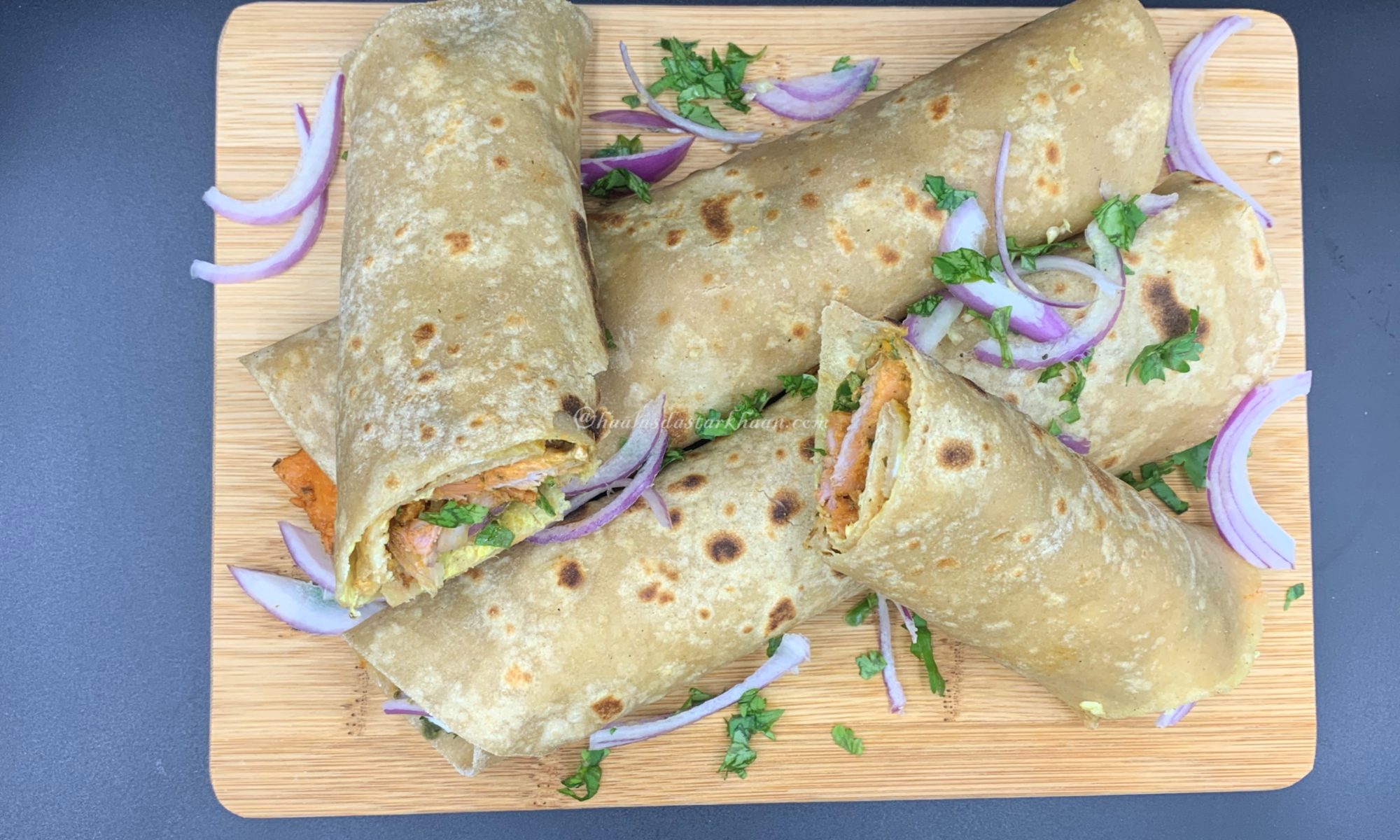
  4. Assemble the roll: Place the chicken filling inside the egg-fried roti, roll it up, and serve hot.

🍽️ Serving Suggestion:

Perfect for get-togethers or cozy dinners. Pair with mint chutney or a simple salad for a complete meal.

Is this dish different from Kathi Roll?

Exactly—and that’s the beauty of regional food traditions. Even dishes that seem similar on the surface, like rolls or wraps, carry distinct identities shaped by technique, texture, and taste 🌯✨.

Kathi rolls, especially the Kolkata-style ones, often use a flaky, layered paratha that’s pan-fried with egg poured directly onto it while cooking—creating a rich, crisp exterior. The filling is typically spicy chicken or paneer, accompanied by onions and sauces that add tang and heat.

My mother’s version, inspired by an Iranian café, sounds more delicate and home-style—less about street food flash and more about depth and comfort. The egg-brushed roti is a clever adaptation, and it gives the roll a softer, more tender bite compared to the crispiness of a Kath roll.

I appreciate both for what they are. Would I ever consider writing a piece that compares these two styles—my Maa’s roll and the Kathi roll—as a way to explore how food reflects place, memory, and innovation? I’d love to do that someday, maybe.

This isn’t just me sharing the love of this dish, but the memories with my mother and the love she poured into everything she cooked, and the flavor I always feel, no matter how hard I try, is never like hers. I guess that’s how we all are with food cooked by our mothers.

This dish is great for school/office lunches, and an easy road trip lunch/dinner.
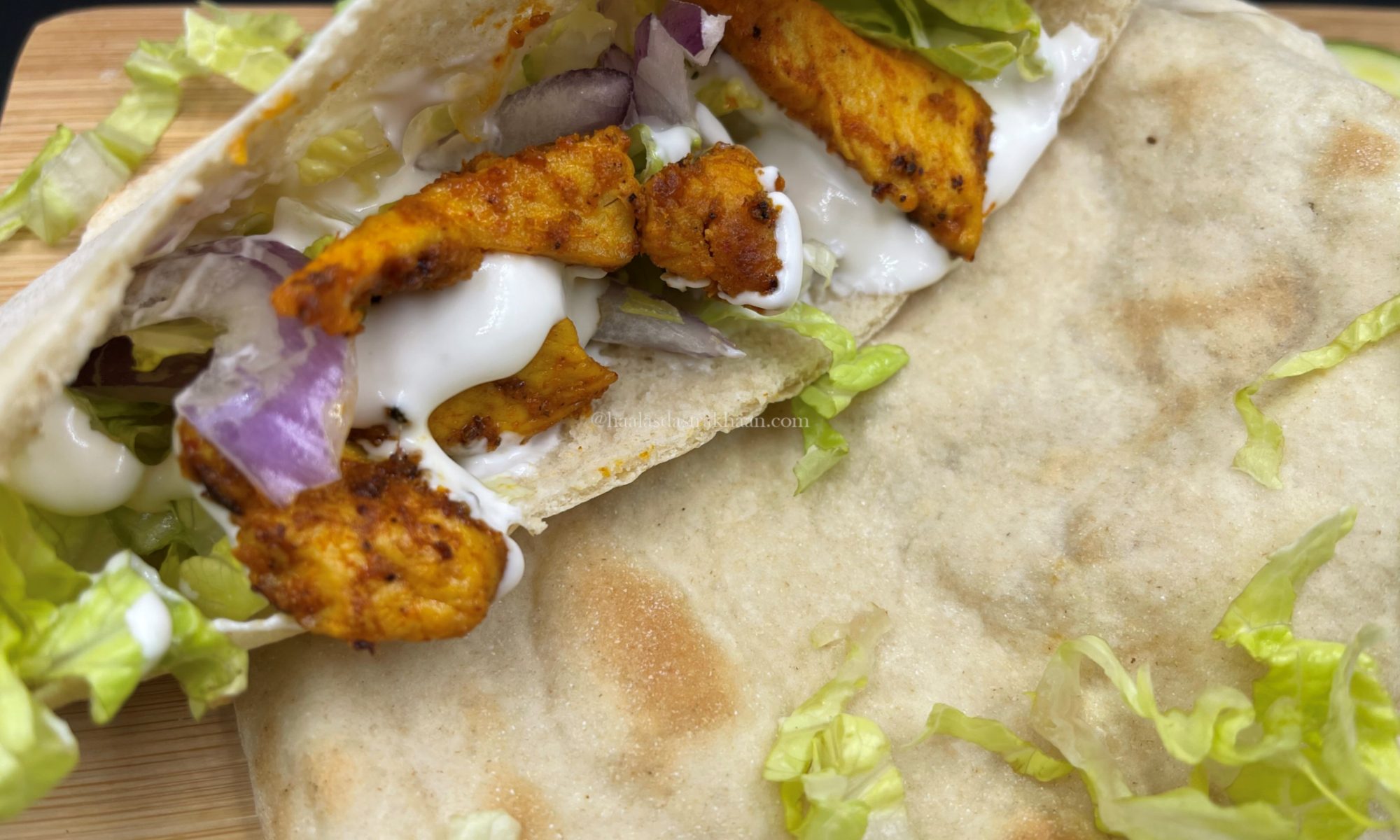
Chicken Pita Pockets

Every culture holds its own treasures within the kitchen, and each country offers flavors that tell a story. Exploring diverse cuisines goes far beyond simply tasting food—it is, in many ways, an immersive way to experience the traditions, history, and spirit of another culture.

This recipe, with its subtle Middle Eastern and Greek influences, was inspired by that very idea. At a more personal level, however, it grew out of a simple parental instinct—the desire to find an engaging way to serve my children more vegetables. These pita pockets proved to be the perfect solution: wholesome, vibrant, and generously layered with flavor.

In all honesty, getting children to eat their vegetables has become a familiar challenge for many parents today. Finishing what is on the plate—let alone meeting the recommended daily portion—can often feel like an uphill task. While vegetable curries are typically a reliable option, with children like mine, even those dependable favorites do not always guarantee success.

That is precisely when this dish becomes a true savior. The chicken is prepared with minimal oil, while the filling is generously packed with fresh vegetables, all neatly tucked into soft pita pockets. The result is a meal that is vibrant, flavorful, and—most importantly—enthusiastically approved by the kids.

Exploring the world through food does not always require a plane ticket—it can begin right in your own kitchen. Preparing dishes inspired by different countries is one of the simplest, and most delicious, ways to experience the richness of another culture.

These chicken pita pockets are an ideal place to begin. Bursting with flavor, generously filled with vegetables, and wholesome enough to serve without hesitation, they strike a wonderful balance between nutrition and taste. With their bright, Greek-inspired profile, they work beautifully for either lunch or dinner—and are certainly hearty enough to stand alone as a complete meal.

The pita pocket itself is one of the most practical and versatile sandwich breads to work with. Easy to open and neatly portioned, it creates the perfect vessel for a well-balanced filling. I often slice each pita in half to form two tidy pockets, making serving both convenient and appealing.

These chicken pita pockets perfectly demonstrate how chicken and fresh vegetables can come together in a dish that is both nourishing and deeply satisfying.

Pita pockets are, without question, among the most versatile sandwich breads to work with. They are easy to open and portion, and I often slice each pita in half to create perfectly sized pockets.

Chicken pita pockets beautifully illustrate how tender chicken and fresh vegetables can come together in a dish that is both wholesome and deeply satisfying.

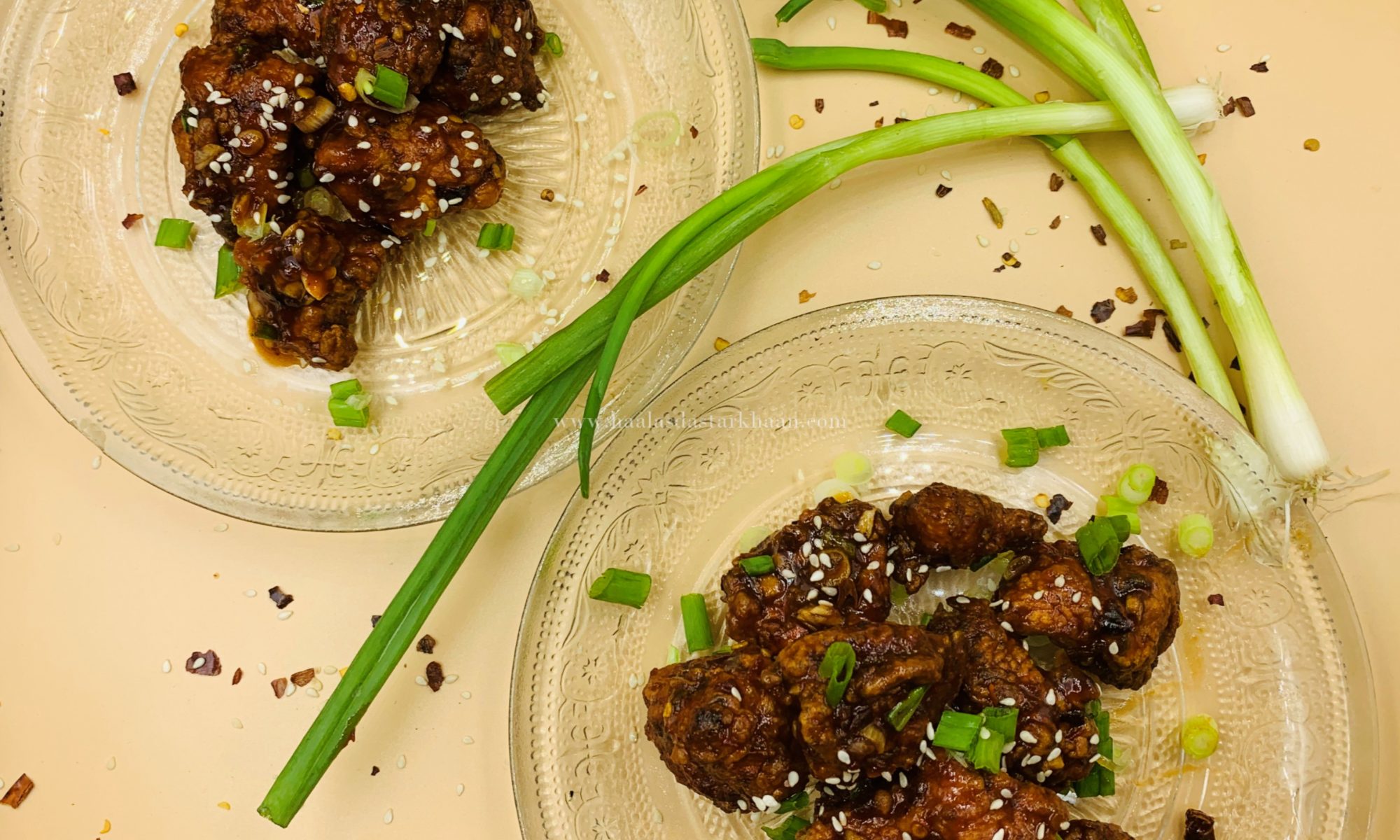
Korean Chicken Bites

Asian cuisine is wonderfully diverse—Chinese, Japanese, Indonesian, Thai, Malaysian, and Korean—each offering its own distinctive flavors while still sharing certain ingredients and cooking techniques. Over the years, we have enjoyed sampling dishes from many of these cuisines, though often limited to seafood. Being Muslim, staying within the boundaries of halal food can sometimes be challenging, particularly when so many tempting dishes traditionally include non-halal meats.

While I do have friends who are comfortable eating non-halal chicken or meat, for us that is simply not an option. I firmly believe that when there are ways and choices available to remain true to our beliefs, it is important to honor them. Fortunately, that has never stopped us from exploring the flavors we love. The beauty of having curious taste buds—and a genuine passion for cooking—is that you can always adapt a dish and make it your own.

This recipe was inspired by a dish I once tried with scallops and instantly fell in love with. Naturally, I made a few adjustments along the way. In its original form, the scallops were neither marinated nor batter-fried, which meant they relied almost entirely on the sauce for flavor. While the sauce itself was pleasant—mild with a gentle kick—I felt the dish could benefit from a little more depth and texture.

When I decided to recreate it using chicken, I introduced a few changes to build those extra layers of flavor. The chicken was first marinated and lightly battered to add both seasoning and a satisfying crunch. Unlike seafood, chicken tends to absorb whatever flavors you give it, so even a simple marinade with spices, seasoning, or just a touch of salt can make a remarkable difference. Whether you are adding chicken to noodles or tossing it in a sauce, that first layer of flavor is something you should never overlook.

For the chicken, begin by marinating it in a mixture of buttermilk, chili flakes, onion powder, garlic powder, black pepper, white pepper, oregano, and salt. Allow it to rest for at least an hour—longer if possible—so the flavors have time to fully penetrate the meat.

Once marinated, coat the chicken pieces in a mixture of flour, cornstarch, and a little salt, then fry them until they turn golden and crisp. This step creates a light, crunchy exterior that pairs beautifully with the sauce.

The sauce is what truly brings the dish together. It is prepared with crushed garlic and ginger, soy sauce, sesame oil, gochujang—a sweet and mildly spicy Korean chili paste readily available in most Asian markets—along with honey, brown sugar, vegetable oil, and red chili flakes. Allow the sauce to cook until it thickens slightly, then toss in the fried chicken pieces, coating them thoroughly so every bite is infused with flavor.

For garnish, scallions and sesame seeds work beautifully. While scallions can certainly be added directly to the sauce, I prefer sprinkling them on top just before serving, allowing them to remain crisp and provide a pleasant contrast in texture.

Substitute for Buttermilk?

To make buttermilk at home, take the same quantity of milk as the buttermilk required and add 1 tablespoon of lemon juice to it. Mix well and let it rest for a few minutes before adding the chicken.

The flavor of this chicken is a perfect balance of sweet and spicy, making it an excellent choice for all taste buds—kids and adults alike—unless someone prefers completely mild food. I find this dish a great hit for playdates, family gatherings, or small get-together parties.

Cooking in advance

You can fry the chicken bites and keep them in the oven. The oven needs to be preheated. Keep it on warm or at 200°F. Anything above it would overcook the chicken, making it chewy or burning it.

Chicken ke Sholay

Among the many varieties of chicken kebabs we have tried—both homemade and at restaurants—this particular one holds a special place in our memories. It comes from one of our favorite restaurant chains, with several branches across New Jersey and neighboring states. Before long, it became a family favorite, the kind of dish we would almost automatically order whenever we visited.

Then, quite unexpectedly, the branch closest to our home closed down. Anyone living in the United States knows that distances here can feel relative—but when we say five miles, that truly counts as “close.” Losing that nearby spot was certainly disappointing.

Still, moments like these often come with an upside: they inspire you to recreate the dishes you love in your own kitchen. I like to think of it as a small test of our culinary instincts—a chance to discover what we are capable of creating ourselves. And so, I decided to try making these irresistible bites at home.

It took a few attempts to get them just right, but when you genuinely love food and enjoy experimenting with spices, the process itself becomes part of the pleasure. The real challenge lies in finding that perfect balance of flavors—the exact level of seasoning and spice that captures the memory of the original dish.

In the end, those little kitchen experiments often lead to something even more rewarding: new favorites at the family table—dishes that are not only delicious, but made with care and love, which somehow makes them taste even better.

Homemade Buns / Paav

I still remember when the trend of Paav Bhaaji first reached my town. I was in elementary school, and I instantly fell in love with its bold, buttery flavors — just like everyone else in my family. The funny part was how suddenly it became everyone’s favorite dish, almost overnight, as if the whole town had collectively discovered something magical.

I never got to experience Paav Bhaaji at the bustling roadside stalls, though I secretly always wanted to. In the small town where I grew up, it simply wasn’t considered appropriate for women to stand and eat at street-side eateries back then. Writing about it now makes it feel like a story from another era, yet in reality, it was only a few decades ago. What amazes me most is how dramatically my town has changed since then — in ways that are both exciting and a little unsettling.

Small towns have a charm that’s hard to describe. Life moves slower, people are warmer, and there’s a comforting sense of familiarity everywhere. I remember walking down the street and meeting dozens of people I knew within a mile — neighbors, shopkeepers, friends, extended family. Today, I might still pass just as many people, but that effortless warmth and connection seem to have faded with time.

Coming back to Paav Bhaaji — since I couldn’t go to the stalls, my father would bring it home as takeaway, and those evenings felt special. We would gather around, tearing into buttery buns and savoring every spoonful of the spicy bhaji. Eventually, my mother began making it at home using store-bought masala, and before long, her version became a family favorite too. Over time, she developed her own blend, and the homemade Paav Bhaaji masala I use today is still based on her recipe — simple, flavorful, and filled with nostalgia.

I’ve made Paav Bhaaji many times over the years, and I enjoy it just as much every single time. My mother preferred adding a variety of vegetables like cauliflower and carrots, making her version hearty and wholesome. I, however, like to keep it simple with just potatoes and bell peppers. Somehow, this pared-down version brings me closer to the bold, street-style flavors that first captured my heart.

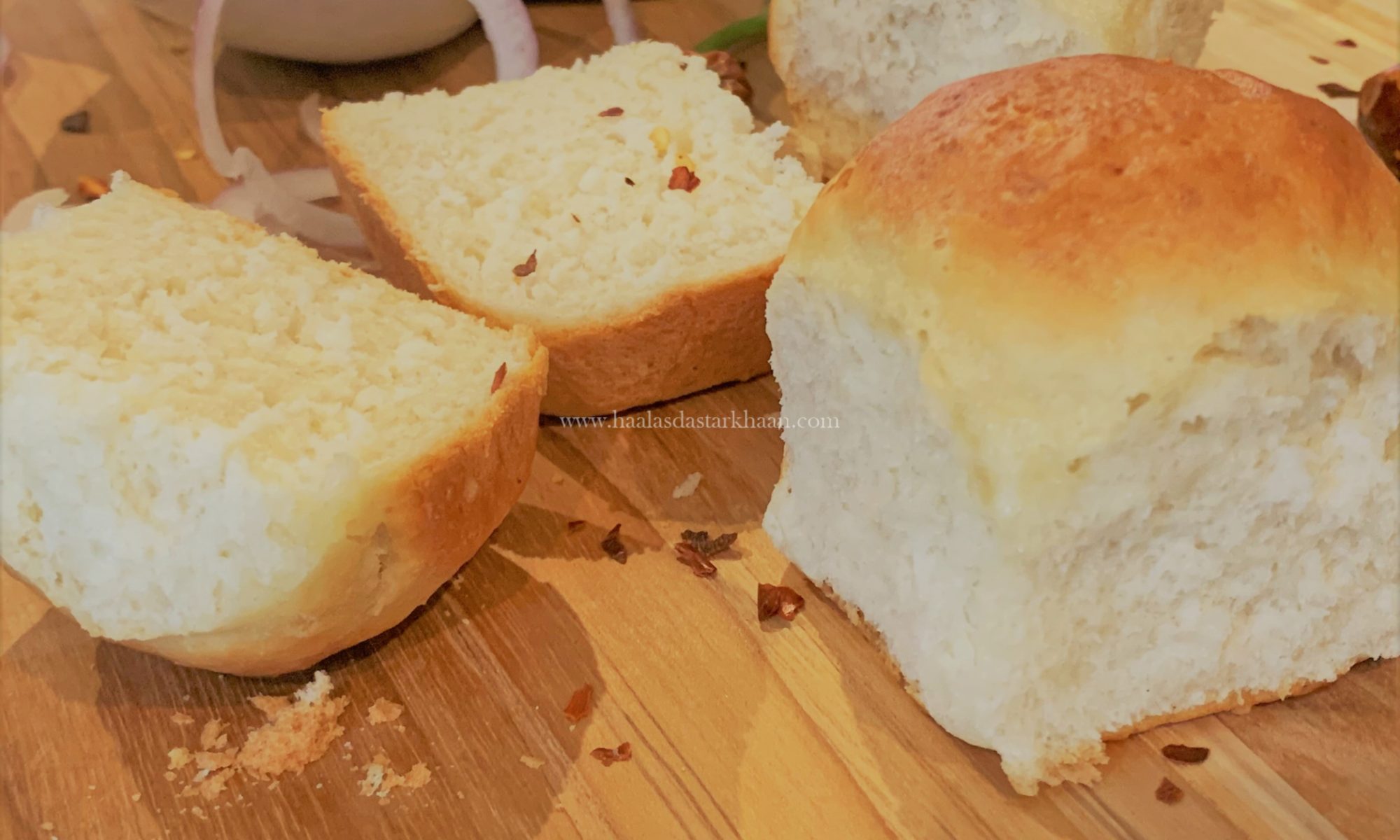
The paav in this recipe are homemade too, and they’re surprisingly easy to prepare. If you follow the steps carefully, you’ll end up with soft, pillowy buns that rival any bakery version. While these buns are delicious with many dishes, paired with bhaji they become truly irresistible.

For the perfect finishing touch, slice the buns in half, spread them generously with butter, sprinkle a little Paav Bhaaji masala, and toast them on a hot tava or pan until golden and fragrant. That simple step transforms them completely — crisp on the outside, soft on the inside, and infused with rich, buttery spice.

Some recipes feed the stomach, but others feed the soul. For me, Paav Bhaaji has always done both. ✨

Kolkata Chicken Roll

Chicken rolls have always been a favorite in our home. Those of you who follow my blog know how much I love wraps of all kinds — whether it’s a classic chicken roll, a burrito, or tacos. I think this love goes back to my mom. During one of her trips to Mumbai, she tasted Mutton Tikka Boti Rolls at a Parsi eatery and later recreated them at home. They were an instant hit with the entire family, and from that point on, rolls became a regular comfort food for us.

So when I came across pictures of the famous Kolkata Chicken Roll, I knew I had to try making it. The flavors sounded irresistible — bold, layered, and packed with personality. From everything I’ve read, it’s one of Kolkata’s most iconic street foods, loved for its rich taste and satisfying simplicity. Although I’ve never visited Kolkata, there’s something about its food culture that deeply attracts me. Some places just connect with you through their cuisine, even from afar.

Recipes like this are wonderfully fuss-free and incredibly practical. For those of us living far from our home country, food becomes a powerful way to stay connected to our roots. At the same time, dishes like these are perfect for kids — easy to eat, nutritious, and ideal for busy days or meals on the go.

I grew up loving my mom’s Tikka Boti Rolls. She initially made them with mutton, but later switched to chicken as well, and I adored both versions. I’ve always appreciated recipes that travel well — perfect for road trips, long drives, or those moments when hunger strikes and stopping isn’t an option. Not every journey allows for leisurely restaurant breaks, and sometimes you’re just stuck in traffic after a game or a long day. That’s when homemade rolls like these truly shine — convenient, filling, and deeply satisfying.

For this version, I marinated boneless chicken with salt, ginger-garlic paste, lemon juice, and yogurt. The spice blend includes dried fenugreek leaves, tandoori masala, red chili powder, cumin powder, and fennel powder, creating a beautifully aromatic base. The chicken can be marinated overnight for deeper flavor, but even a quick 30–45 minute marinade works well when time is short.

This recipe may not be an exact replica of the rolls you’d find on the streets of Kolkata, but after many trials and countless variations, this is the version I keep coming back to. One element I borrowed from my mom’s technique is spreading a thin layer of beaten egg onto the roti and cooking it before adding the filling. I’m not entirely sure how this differs from traditional Kolkata egg rolls, but I do know that it adds richness, texture, and a wonderful depth of flavor.

Ultimately, this recipe is a blend of influences — my mother’s cooking, flavors I’ve loved over the years, and my own experiments in the kitchen. The result is a chicken roll that feels both familiar and new, comforting yet exciting.

I hope you try it, enjoy it, and share it with your loved ones — just as my family and I do. 🌯✨

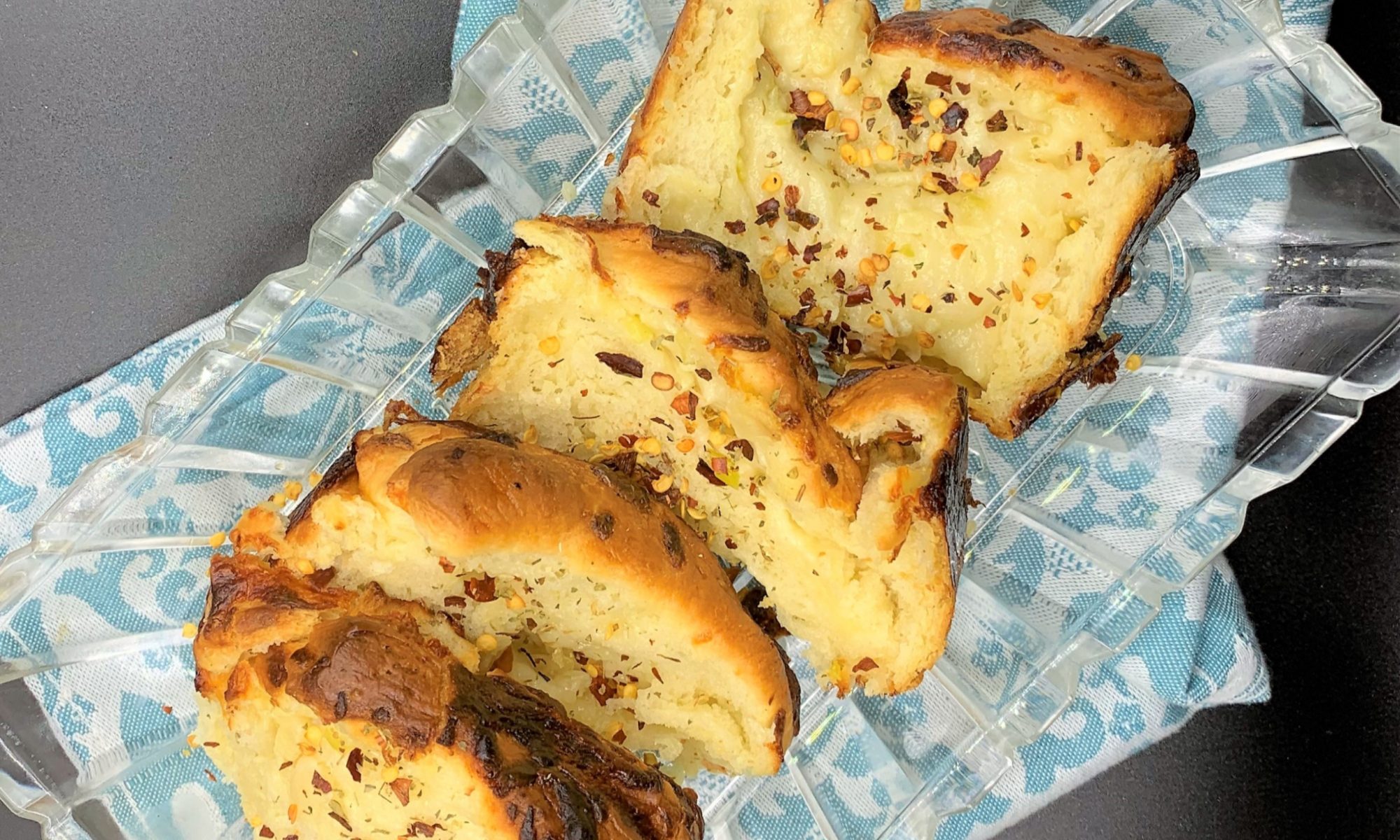
Cheesy Garlic Pull Apart Bread

Who doesn’t love garlic bread? I’ve honestly never met anyone who could resist a warm, buttery slice loaded with garlic. Growing up, I was convinced that garlic bread and pizza were inseparable — the ultimate duo — thanks to a certain popular food chain. For me, ordering pizza without garlic bread as an appetizer just didn’t make sense, and I’m sure those famous pizza places have seen plenty of customers like me over the years.

As much as my family enjoys the occasional restaurant treat, there are times when ordering out just isn’t practical — or desirable. Beyond the cost, there’s always that lingering question about freshness, preservatives, and how the food was actually prepared. Not that takeout is inherently bad, but relying on it too often doesn’t feel like the healthiest choice. And when you can cook, making a homemade version becomes both reassuring and rewarding.

Traditionally, garlic bread is made using a crusty loaf like a French baguette or sometimes ciabatta. The bread is partially sliced so the garlic butter can seep into every crevice while keeping the loaf intact, then baked until crisp on the outside and soft inside. Some versions use olive oil and fresh garlic, others rely on butter and garlic powder, and sometimes the loaf is split lengthwise and topped before baking.

I decided to do something a little different — starting from scratch. Instead of using a ready-made loaf, I made a soft, enriched dough using warm milk, yeast, egg, flour, sugar, salt, and butter. Once the dough had risen beautifully, I kneaded in minced garlic, more butter, and fresh scallions, which added both flavor and a lovely aroma. After shaping, I topped it with a generous sprinkle of cheese before baking.

The result is somewhere between classic garlic bread and a soft pull-apart loaf — fluffy, buttery, garlicky, and incredibly comforting. Served hot from the oven, the cheese melts into the bread while the garlic perfumes the entire kitchen. Every bite is soft, rich, and full of flavor, with just the right balance of indulgence and homemade goodness.

Sometimes the simplest foods bring the most joy — especially when made fresh, shared warm, and eaten straight from the tray.

Serve hot, tear into it while it’s still steaming, and enjoy every oozy, garlicky bite. 🧄🧀✨

Pyaaz Ke Samose

I’m from Rajasthan, and I grew up eating samosas as a regular part of life. The classic potato samosa — aaloo ke samose — was everywhere, and every shop seemed to have its own signature flavor. Some were absolutely delicious, others not so much, but one thing I always loved was the crisp, flaky outer crust. In fact, for a long time, that was my favorite part. The only filling I truly adored back then was the kheema samosa my mom used to make at home.

I never enjoyed bland fillings, so whenever the spice level was low, I would lose interest quickly. Over time, as I tasted more varieties, I realized that it was the spicy, punchy samosas that won my heart every single time.

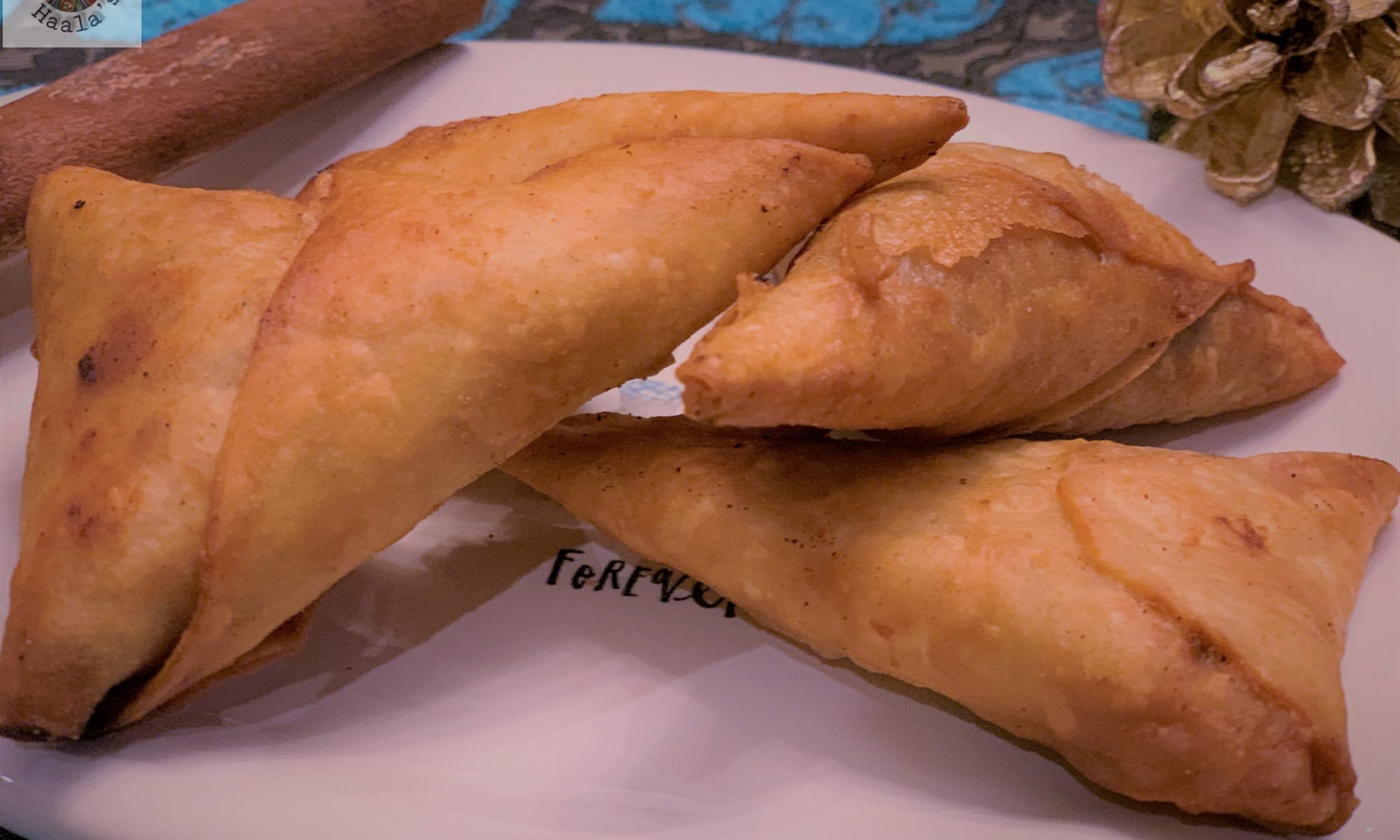
After I got married, I discovered a completely new favorite. During one Ramadan in Bangalore, we tried the famous Ramadan special onion samosas — Pyaaz ke Samose — and instantly fell in love with them. Crisp, aromatic, slightly sweet from the onions, and perfectly spiced, they were unlike any samosa I had eaten before.

There’s a common misconception that Ramadan food for Muslims is mostly non-vegetarian, but that couldn’t be further from the truth. Our iftar tables are filled with a beautiful mix of vegetarian and non-vegetarian dishes, each with its own tradition and story. These onion samosas are a perfect example — simple ingredients transformed into something truly special.

They are most commonly made during Ramadan, though a few Muslim shops prepare them year-round. Still, there’s something about foods made in that month — perhaps the anticipation, the hunger, the togetherness — that makes them taste extra special. It’s a flavor that’s hard to recreate outside that atmosphere.

Since we don’t get these samosas where we live now, I decided to try making them at home. After several rounds of trial and error, I finally arrived at a version that tastes just the way we remember — crispy on the outside, flavorful on the inside, and utterly addictive.

If you enjoy onion samosas and want to recreate that Ramadan magic in your own kitchen, I highly recommend giving these a try. I hope you love them as much as we do. 🥟✨

Badusha

Some sweets are forever tied to celebrations. One bite, and you’re instantly transported to festivals, laughter, lights, and family gatherings. For me, Badusha — or Balushahi — will always be connected to Diwali. I still remember visiting friends during the festival and being served plates of homemade or carefully selected store-bought Badushas, each one flaky, rich, and absolutely irresistible.

This post probably should have gone up during Diwali, but honestly, sweets don’t need an occasion — just a craving, a little enthusiasm, and the time to make them. Diwali may be over, but my love for Indian mithai certainly isn’t. When the craving strikes, there’s no reason to wait.

Living in the USA, I rarely find Badusha easily available, mainly because it isn’t as widely known here. I suspect that if more people tasted it, it would quickly become a favorite. So I decided to make it myself. After several not-so-successful attempts, I finally perfected the recipe — and it was absolutely worth the effort. Some cravings are simply too strong to ignore.

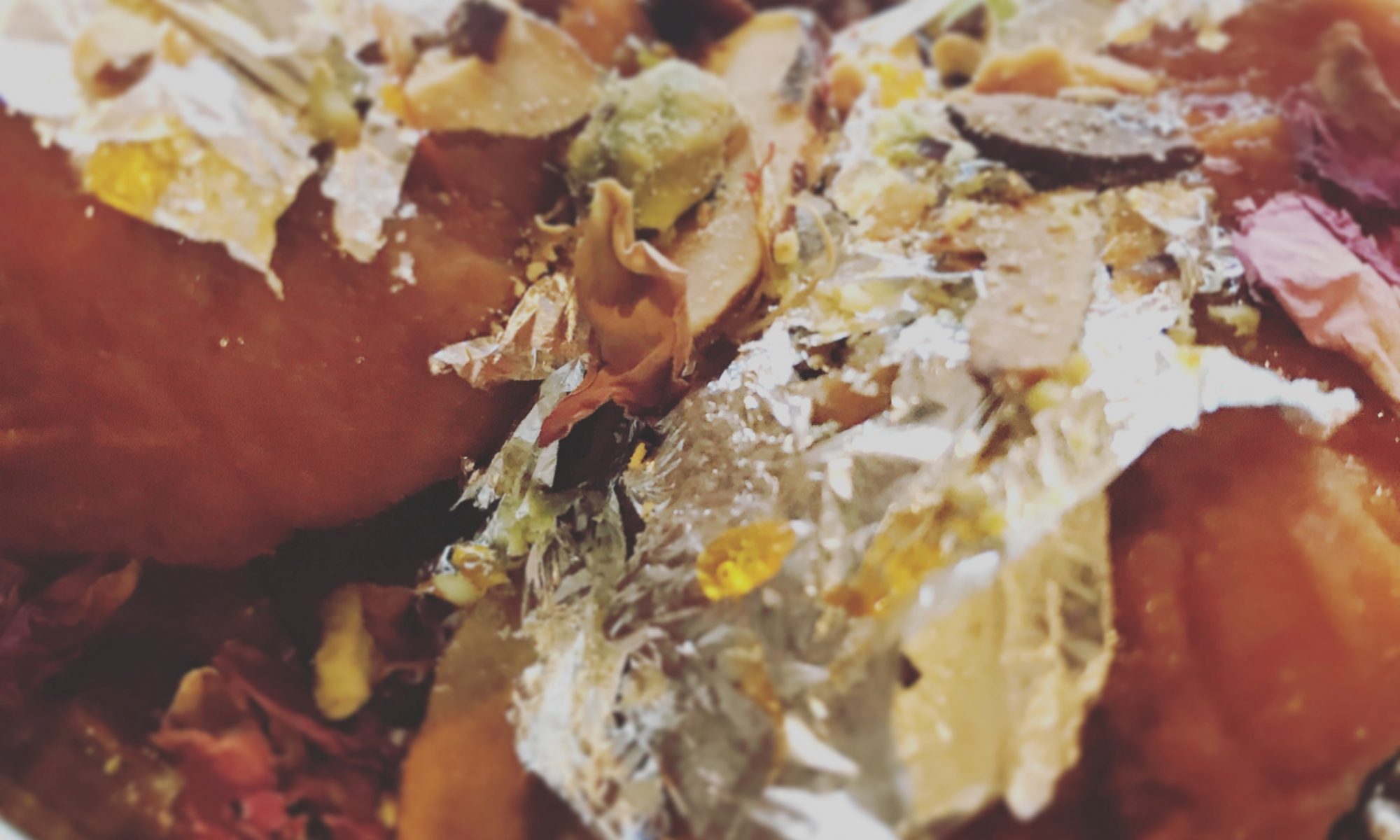
This sweet also carries personal memories. My mom is a huge fan, and I’ve heard stories that Balushahi was one of the sweets served at my parents’ wedding. In my hometown of Jodhpur, there’s an old sweet market area known as “Pongal Pada,” famous for its variety of Badushas in different colors, textures, and finishes. There, they are often called Maakhan Bada, which loosely translates to sweets made with butter. While traditional Badusha is soaked in sugar syrup, Maakhan Bada is typically coated with a thick layer of crystallized sugar — somewhat like a firm fondant shell — giving it a distinct texture and appearance.

Once I finally cracked the recipe at home, there was no looking back. These turn out beautifully flaky on the outside, soft yet layered inside, and perfectly sweet without being overwhelming. And let’s be honest — this is not the kind of dessert anyone eats just one of. One quickly turns into two… and then maybe three.

Known as Balushahi in North India and Badusha in South India, this beloved mithai transcends regional names. No matter what you call it, the experience is pure indulgence — buttery, crisp, syrupy, and deeply satisfying.

If you’ve never tried making it at home, I highly encourage you to give it a go. Once you taste a freshly made batch, you may never feel the need to buy them from a sweet shop again.

I hope you enjoy these as much as I did — flaky, festive, and full of nostalgia in every bite. 🍬✨

Hyderabadi Chicken 65

Chicken Kebabs are an all time wanted and favorite for everyone. Chicken Kebabs go so well with Daal Chawal as a side dish and even by themselves. I love making Chicken Kebabs for my get together with friends as well. People always feel that you cannot experiment much with Chicken Kebabs at home, where as experimenting with different Kebab flavors at home is the best thing to do.

The basic thumb rule is follow the fragrance and the flavor. If there are spices that go well together and there are spices that don’t go too well. Spices like Black pepper is something that you need to add little at a time, since if its too much the dish tends to get bitter. If you need to enhance the flavor of Black pepper in your dish, its always better to add less of Black pepper and more of White Pepper to balance the pepper taste. Adding Tandoori masala gives a lot of kick to Red chili powder and makes kebabs more flavorful. You can always use citric acid in place of Vinegar or Lemon juice. Adding Flour with Rice flour and Corn starch Powder will add a lot of crunch to your kebabs if you are frying them.

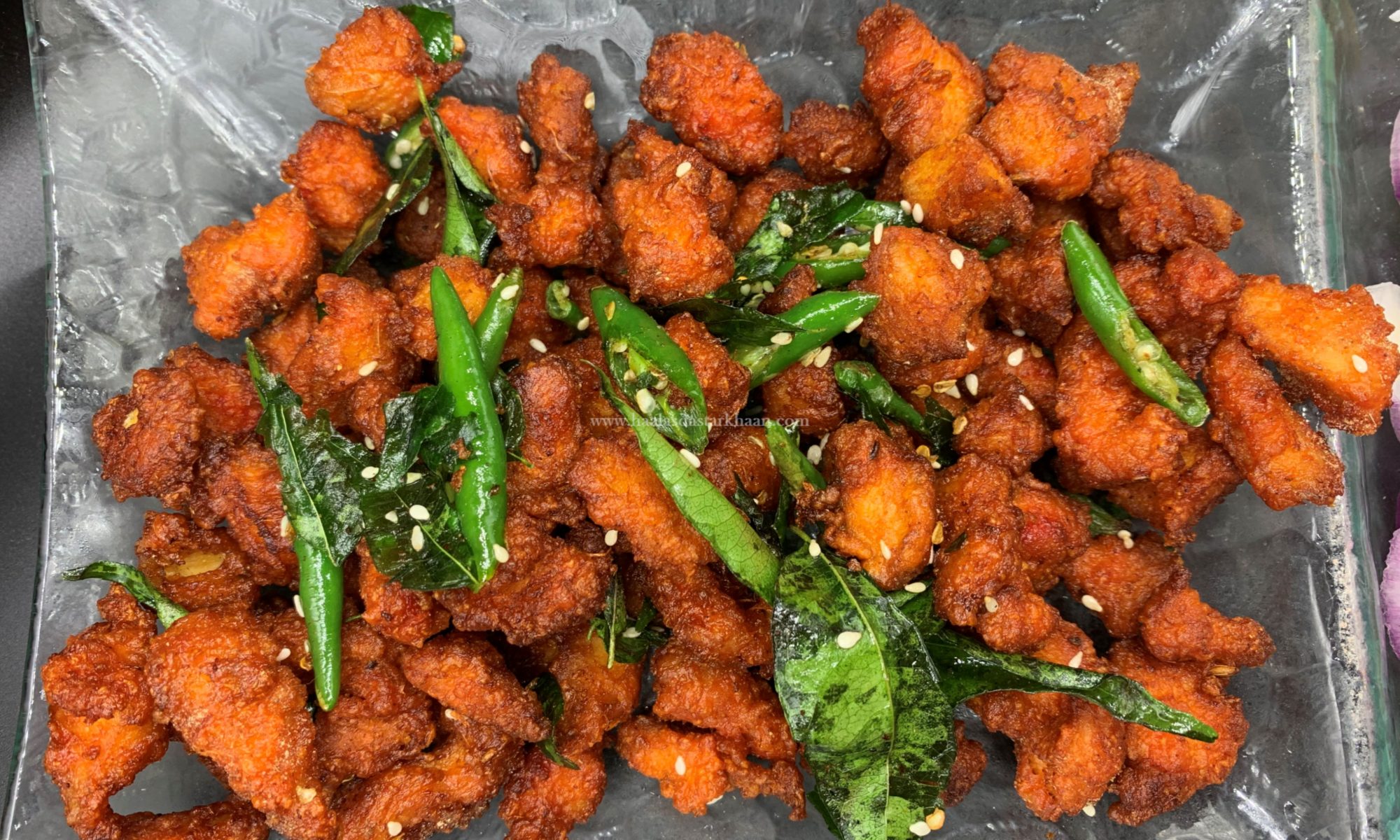
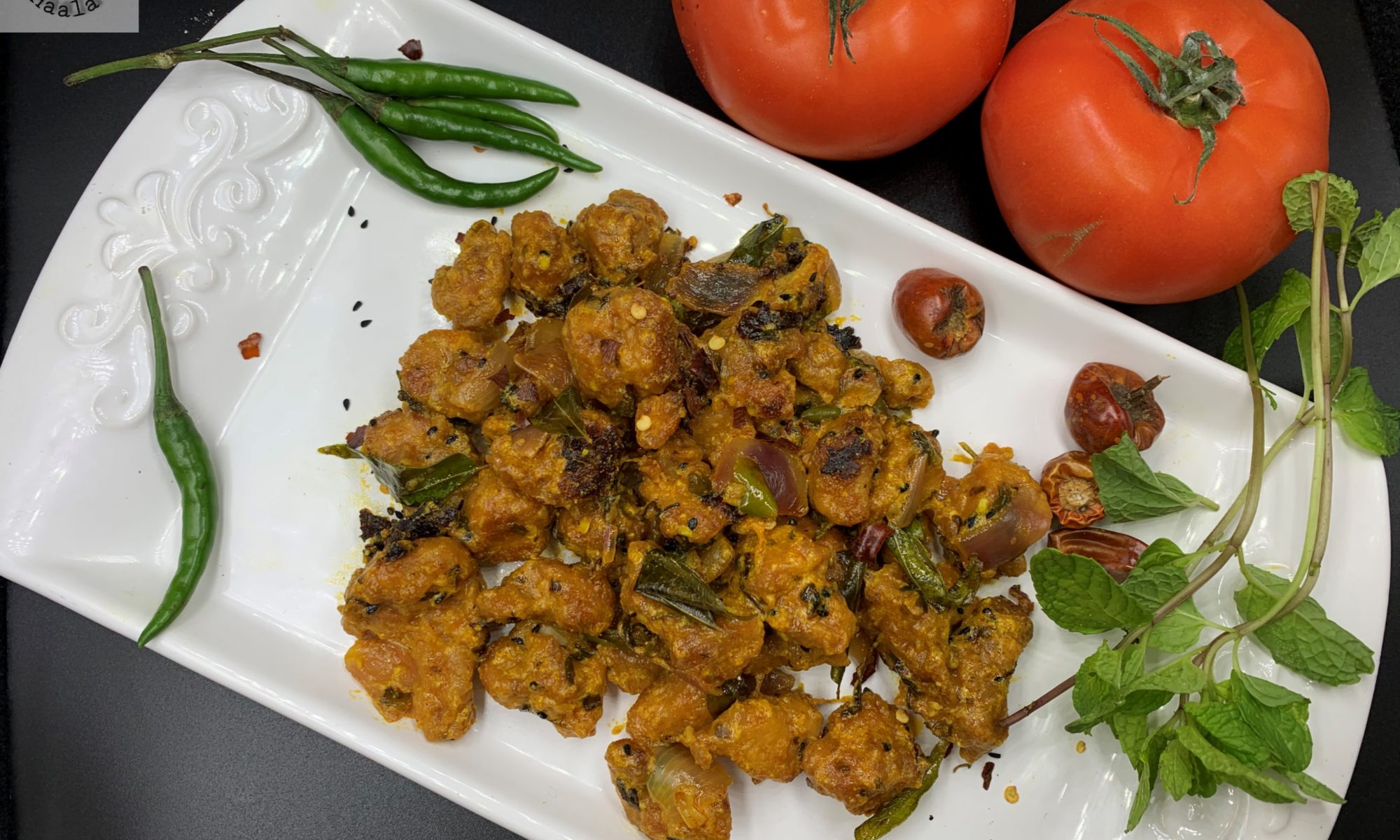
With the Hyderabadi Chicken 65, I added Red chili powder and other spices with Ginger garlic paste and mixed it well. Further rolled the spiced Chicken pieces in Flour, Rice flour and cornstarch powder and fried them. Later cooked them in a sauce made with Onions, green chilies, various spices and Yogurt. I also add a little cornstarch powder to the gravy to make it a little thicker.

Chicken 65 is made in different ways in different places of India. Though the original recipe was made in Chennai, but different places modified their ways and made it suitable to their taste buds. Honestly, every pace has their unique flavor and we always tend to have our favorites but making them in different ways is always great to add more variety to your dinner table.