Boondi ke Laddu

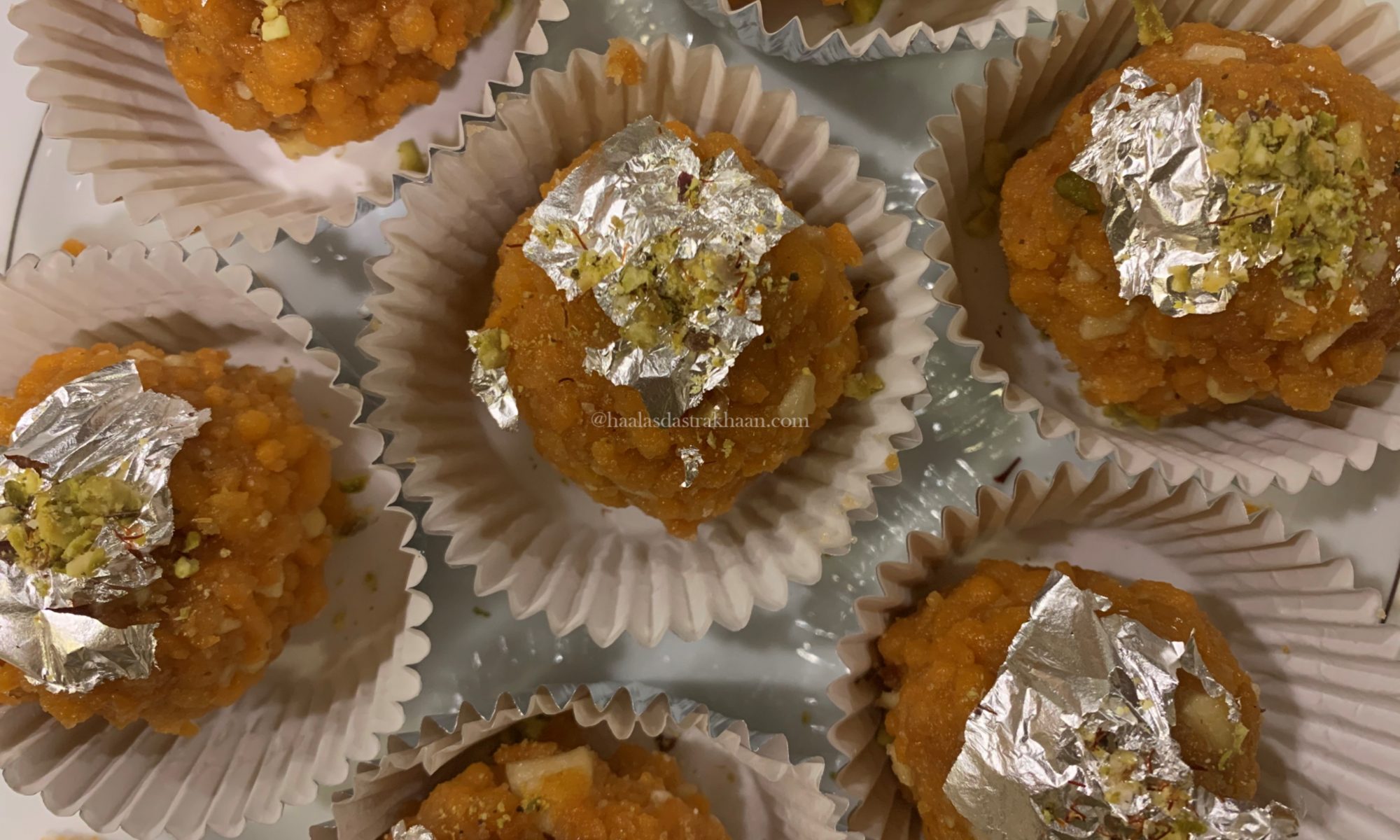
Boondi Laddu is one of those classic Indian sweets that is instantly recognizable and widely beloved. It is commonly prepared in homes and readily available in almost every sweet shop—though no two versions are ever quite the same.

Unlike Motichoor Laddu, which is made using much finer, delicate boondi and a slightly different technique, Boondi ke Laddu possess a texture and character that are distinctly their own. Their larger pearls and gentle bite give them a rustic charm that continues to make them a timeless favorite.

I have always shared a special connection with this sweet—one that I believe many who grew up in India will instantly recognize. Every Independence Day and Republic Day, schools across the country would make attendance at the flag-hoisting ceremony mandatory. Those mornings were filled with patriotic songs, earnest speeches about freedom, and moving stories of how our freedom fighters came together to secure an independent nation.

And at the end of it all came the moment every child quietly waited for—a small but unforgettable token of joy: a Boondi Laddu placed into each student’s hands.

Boondi ke Laddu was the staple sweet distributed to every child at the close of Independence Day and Republic Day ceremonies. Yet its presence in my memories extends well beyond the schoolyard. Each Ramadan, on the blessed night of Shab-e-Qadr, and again upon the completion of Qur’an recitation at our local mosque, my father would lovingly distribute Boondi ke Laddu to the community.

Over time, this humble sweet became woven into moments of both national pride and spiritual reflection—making it far more than just a festive treat in my eyes.

Somehow, this humble sweet found its way into every celebration—whether religious or national. It was simple, joyful, and universally loved. To this day, I have yet to meet anyone who can easily resist a Boondi Laddu.

Growing up in India, I rarely remember seeing Boondi ke Laddu being made at home—they were simply always available, ready to be picked up from the neighborhood sweet shop whenever the occasion called for them. However, after moving to the United States, recreating that exact familiar taste has not been quite as easy. The versions available in many Indian sweet stores here often differ from the ones I grew up with.

And so, I finally decided it was time to roll up my sleeves and make them myself.

I browsed through numerous blogs and food websites, only to find that most featured recipes and images for Motichoor Laddu instead. The truth is, sometimes you are not searching for something elaborate—you are simply trying to recreate a small, meaningful piece of your childhood.

You long for that familiar taste, the one that instantly transports you back home.

I first attempted to make Boondi ke Laddu quite some time ago, but the results were less than ideal—the boondis turned out elongated, and the mixture simply refused to bind properly. The experience, though disappointing, stayed with me.

Later, during a visit to India, my rakhi brother took me to a specialty shop that sold ladles designed specifically for making boondi. I brought one back with me, quietly determined to try again once I returned to the United States.

Even so, I believe nothing we recreate here can fully capture the quiet joy of enjoying it in our motherland. No matter how precise the recipe, it is the people and the shared moments that we miss the most. Yet, as life teaches us, we cannot resist the course of destiny—we can only make the most of where we are.

And so, I continue to cook, create, and hold on to these small pieces of home, one dish at a time. These laddus, I am certain, will stir memories of childhood for many of you. They do require a bit of extra effort—and yes, the process can get a little messy—but in the end, every bit of it is truly worth it.
Honey Lemon Chicken Wings

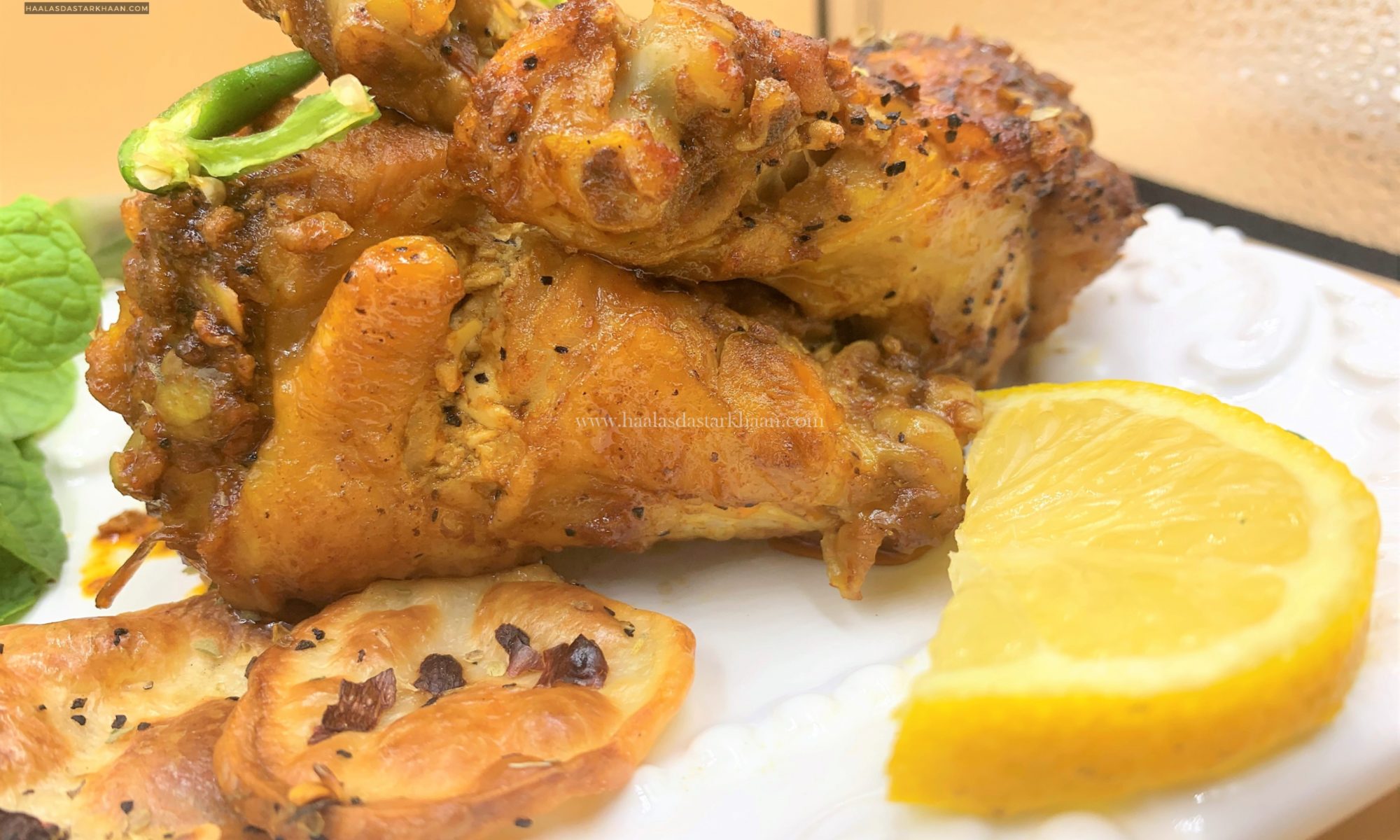
Chicken wings are an undeniable favorite for many people, yet interestingly, I had never tried them until after moving to the United States. Back home in India, chicken wings rarely featured in our everyday cuisine, particularly in the form of kebabs or appetizers.

In the beginning, chicken wings were something we only enjoyed when dining out. It was not that I had never considered making them at home—rather, while both Mr. Parveez and I liked them, we were not particularly obsessed with them. There was, however, a small halal restaurant nearby that served the most delicious green masala chicken wings. Every once in a while, we would stop by just to enjoy that flavorful treat.

A few years later, the restaurant closed its doors—and with it disappeared those memorable wings we had grown so fond of.

Yet, even then, I still wasn’t quite inspired to start making chicken wings at home. A few months later, however, we discovered another excellent halal gyro spot that served hot, saucy chicken wings. For a while, they were absolutely fantastic and quickly became a favorite. Over time, though, something seemed to change. The flavors gradually faded, and the wings no longer tasted the way they once had. I often wondered if the management had changed and a new chef had stepped in—someone who simply couldn’t recreate the original magic.

That was the moment it truly occurred to me: if I wanted to continue enjoying good chicken wings, I would probably have to start making them myself. The very first wings I prepared at home were the classic Buffalo style. The kids loved them, and before long they became a regular appetizer for brunches and playdates.

After making them for several years—and watching my little fan club grow—I began experimenting with different flavors and marinades. That experimentation led to my Green Chicken Wings, followed by Haala’s Special Hot Saucy Wings, and eventually, this version.

The inspiration behind this recipe was simple: to create a balance between sweetness and heat. It is ideal for those who enjoy a gentle kick of spice without overwhelming heat—a comforting middle ground that is flavorful, satisfying, and always a crowd-pleaser.

Why Wings?

Chicken wings are best cooked with the skin on. When pan-fried or deep-fried, the skin turns beautifully crisp, giving that perfect crunch. And honestly, any saucy flavor tastes even better when paired with that crispy texture—it’s what makes wings so irresistible.

Why use honey and not sugar?

Honey blends much better with spices than sugar. Sugar often tends to crystallize or make the sauce watery, while honey gives it body and balance. It adds just the right amount of sweetness without overpowering the flavors—making it the perfect choice for sauces and glazes.

These wings strike the perfect balance—lightly sweet, lightly spicy, and absolutely irresistible. The flavors play a little game of hide and seek on your taste buds, keeping every bite exciting. Sweet and spicy together are already a winning combo, but when paired with crispy chicken wings, the result goes beyond just delicious. If you love chicken wings, this is one recipe you’ll definitely want to try.

Laal Maas

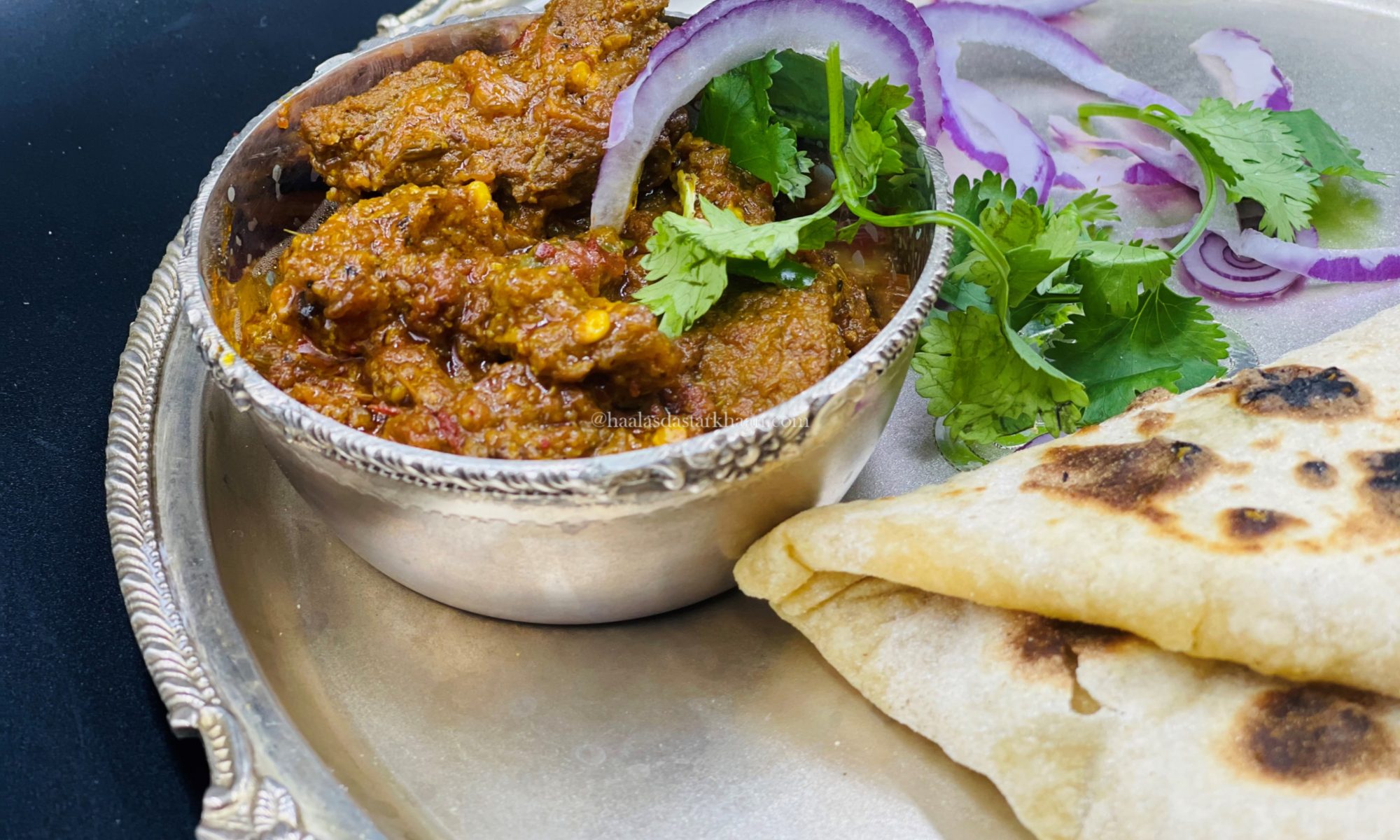
Laal Maas is a traditional dish from my hometown, Jodhpur, with roots that trace back to the royal kitchens of the Rajput families. It was once considered a prized specialty, often prepared using game meat brought back from royal hunts. Bold, fiery, and deeply flavorful, the dish reflected both the adventurous spirit of the Rajput warriors and their love for rich, robust cuisine.

Over time, Laal Maas has remained immensely popular. From the royal kitchens, it gradually found its way into restaurants across Jodhpur, where chefs continue to prepare it in their own distinctive styles—introducing subtle variations while still honoring the essence of the original recipe.

This version is my personal interpretation, inspired by the many places where I have tasted Laal Maas and the flavors that stayed with me long after the meal. Interestingly, many people outside Rajasthan assume that Laal Maas is a common everyday dish in non-vegetarian households, particularly among the Muslim community. In reality, it belongs to the royal culinary heritage of Jodhpur and is more closely associated with the Rajput kitchens than with daily home cooking.

When preparing this dish, I prefer to lightly boil the mutton before starting the curry. This step helps reduce the overall cooking time and allows the meat to absorb the spices more effectively, resulting in tender, juicy pieces of mutton infused with flavor in every bite.

Traditionally, Laal Maas is cooked in generous amounts of ghee—something Rajasthani cuisine takes great pride in. The richness of ghee adds a distinctive depth and aroma that defines the dish. However, I usually combine a little oil with the ghee, as cooking entirely in pure ghee can feel quite heavy by today’s standards. Of course, if you want the most authentic experience and are not worried about the calories, feel free to prepare it entirely with ghee. And if you prefer a lighter approach, you can cook it with oil and simply finish with a teaspoon of ghee for that signature aroma.

Despite its bold reputation, this recipe is relatively straightforward to prepare and approachable even for beginners—while still delivering the rich, unforgettable flavors that make Laal Maas such an iconic dish.

This recipe is relatively easy to make and can be prepared by beginners, with truly delicious flavors.

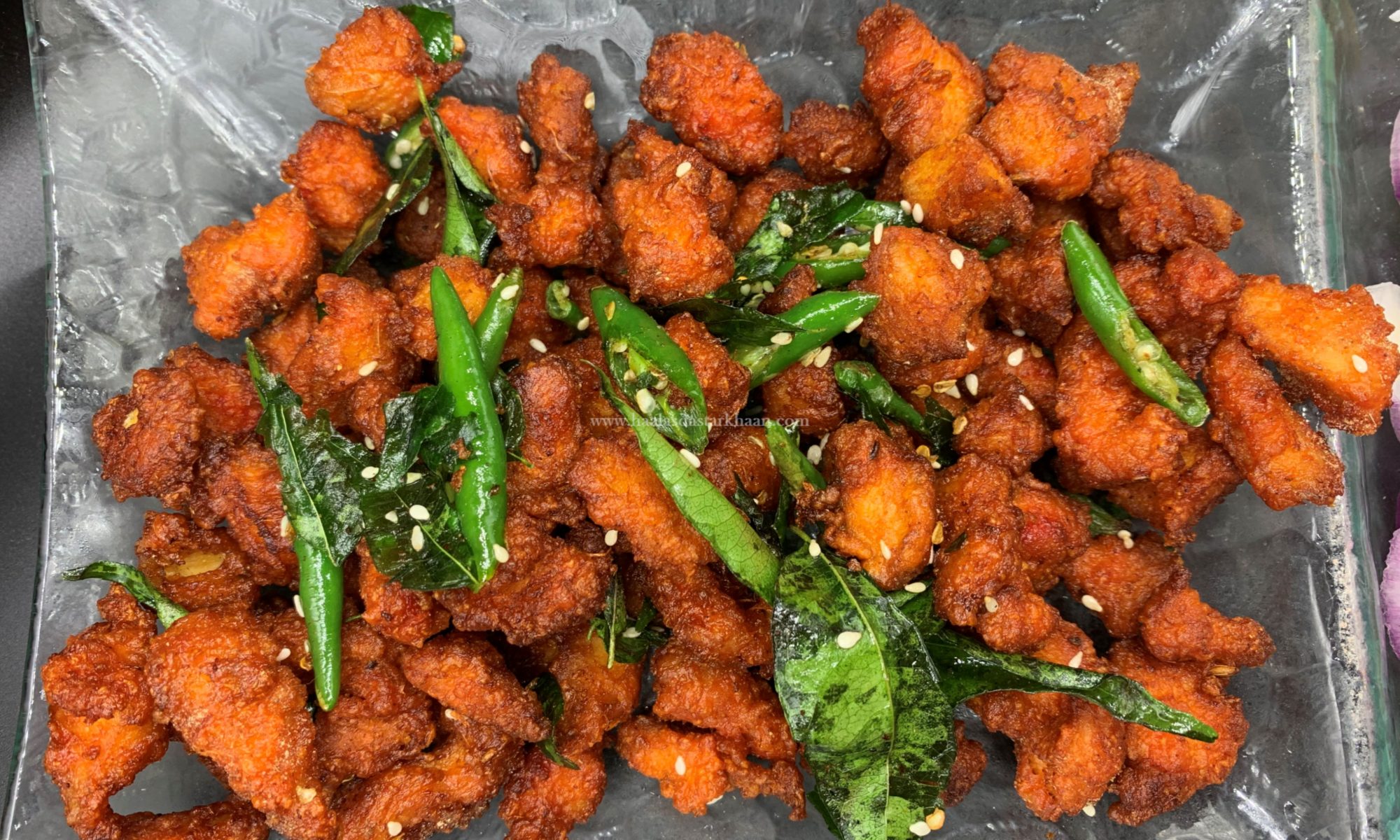
Chicken ke Sholay

Among the many varieties of chicken kebabs we have tried—both homemade and at restaurants—this particular one holds a special place in our memories. It comes from one of our favorite restaurant chains, with several branches across New Jersey and neighboring states. Before long, it became a family favorite, the kind of dish we would almost automatically order whenever we visited.

Then, quite unexpectedly, the branch closest to our home closed down. Anyone living in the United States knows that distances here can feel relative—but when we say five miles, that truly counts as “close.” Losing that nearby spot was certainly disappointing.

Still, moments like these often come with an upside: they inspire you to recreate the dishes you love in your own kitchen. I like to think of it as a small test of our culinary instincts—a chance to discover what we are capable of creating ourselves. And so, I decided to try making these irresistible bites at home.

It took a few attempts to get them just right, but when you genuinely love food and enjoy experimenting with spices, the process itself becomes part of the pleasure. The real challenge lies in finding that perfect balance of flavors—the exact level of seasoning and spice that captures the memory of the original dish.

In the end, those little kitchen experiments often lead to something even more rewarding: new favorites at the family table—dishes that are not only delicious, but made with care and love, which somehow makes them taste even better.

Tava Tangdi Chicken Kebab

My experiments with kebabs always have to be innovative, unique, and, of course, absolutely delicious. My boys love trying different styles of kebabs and are always excited to see what new version I come up with next. I think that’s what keeps me inspired—to keep experimenting, mixing flavors, and creating something different each time.

After making so many different styles of chicken kebabs, it does get challenging to come up with something new using the same set of spices. It’s amazing how the same ingredients can create entirely different flavors—just by changing the order in which you add them or the stage at which they cook. That’s the real beauty of cooking: learning how timing and technique can transform familiar spices into something completely fresh.

These kebabs hardly need any marinating time, which makes them perfect for those moments when you want to serve something that’s both easy and impressive. Whether you decide on the menu at the last minute or find yourself hosting uninvited guests who show up expecting a feast, these kebabs will save the day. They’re quick to prepare, full of flavor, and always a hit at the table.

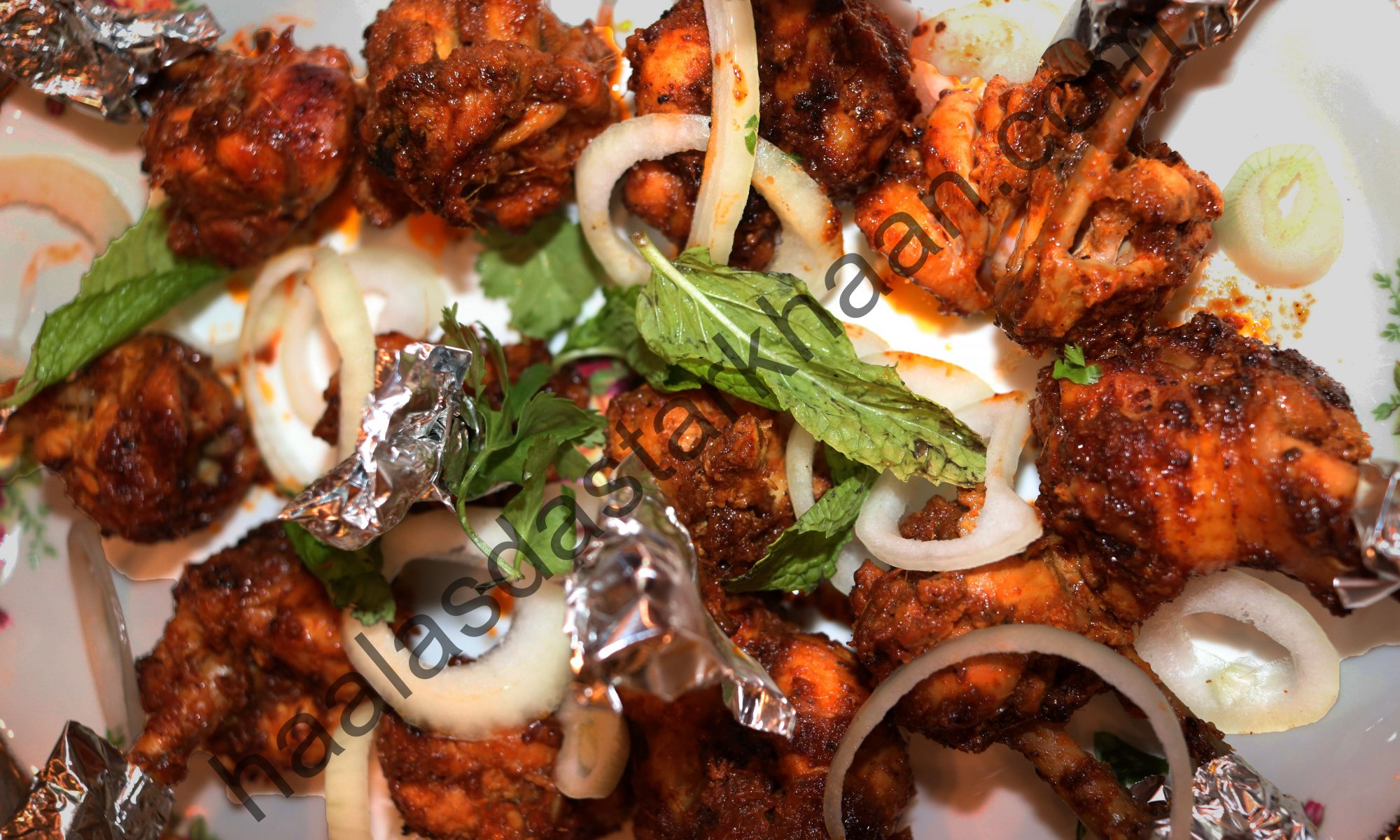
These kebabs can easily be made without an oven, and the ingredients are simple—nothing fancy or hard to find. I’ve used chicken legs for this version and called them Tangdi Kebabs, but you can just as easily use other cuts or even boneless chicken.

If you’re using boneless meat, go for thigh or leg pieces rather than breast. Chicken breast tends to be thicker and can turn chewy with this recipe, especially since the marination time is short and the spice blend is simple. Thigh meat, on the other hand, stays tender and absorbs the flavors beautifully, giving you juicier and more flavorful kebabs.

This recipe is perfect for beginners and bachelors—simple to make yet impressive enough to wow a crowd. Even if you’re new to cooking, you’ll find it easy to follow and full of flavor. Give it a try and let me know how it turns out. Enjoy!

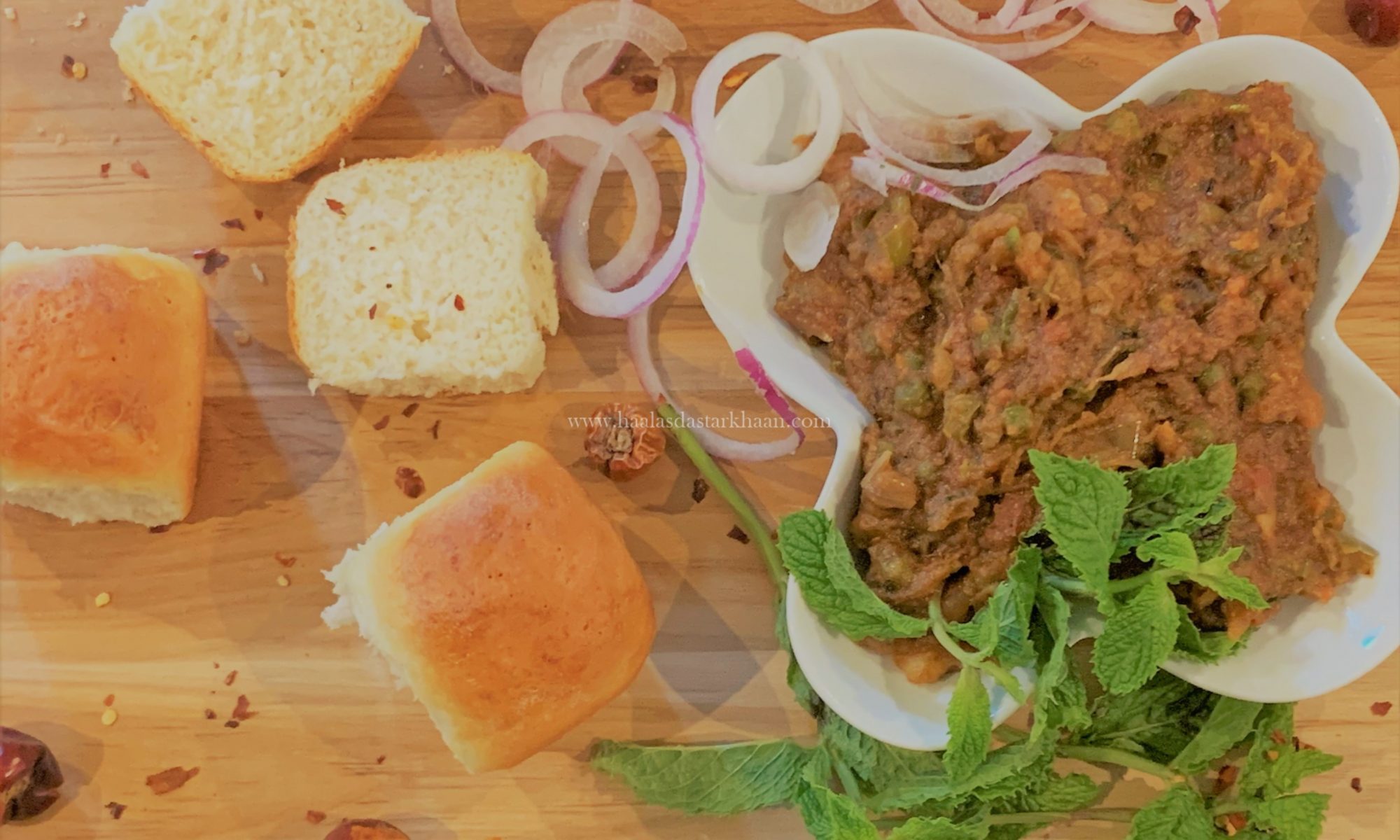
Paav Bhaaji

I still remember when the trend of Pav Bhaji first came to my town. I was in elementary school, and I absolutely loved the flavors—and so did everyone in my family. It was funny how suddenly Pav Bhaji became everyone’s favorite dish overnight.

I never got the chance to try it at a roadside stall, though I always wanted to. Back then, in the small town I grew up in, it wasn’t considered proper for women to stand and eat at street-side eateries. Writing this now makes it sound like it was ages ago, but really, it’s just been a few decades. What amazes me most is how much my town has changed—it’s exciting, and a little scary too.

Small cities have their own kind of magic. People are friendlier, they have more time, and somehow, everyone knows everyone. Back then, I could walk a mile and meet fifty familiar faces. Today, I might still meet the same number—but that warmth, that sense of closeness, feels a little lost.

Anyway, coming back to Pav Bhaji—my father would always bring it home as a takeaway, and we would all love it to the core. Eventually, my mother started buying Pav Bhaji masala and making it at home, and that’s when homemade Pav Bhaji became a family favorite. The Pav Bhaji masala I use even today is my mother’s recipe—simple, flavorful, and full of memories.

I’ve tried my hands at Pav Bhaji multiple times and have loved every bite of it each time. While my mother always added a mix of vegetables like cauliflower and carrots to her Pav Bhaji, I prefer keeping it simple with just potatoes and bell peppers. It makes the flavors more reminiscent of the original, street-style Pav Bhaji that I first fell in love with.

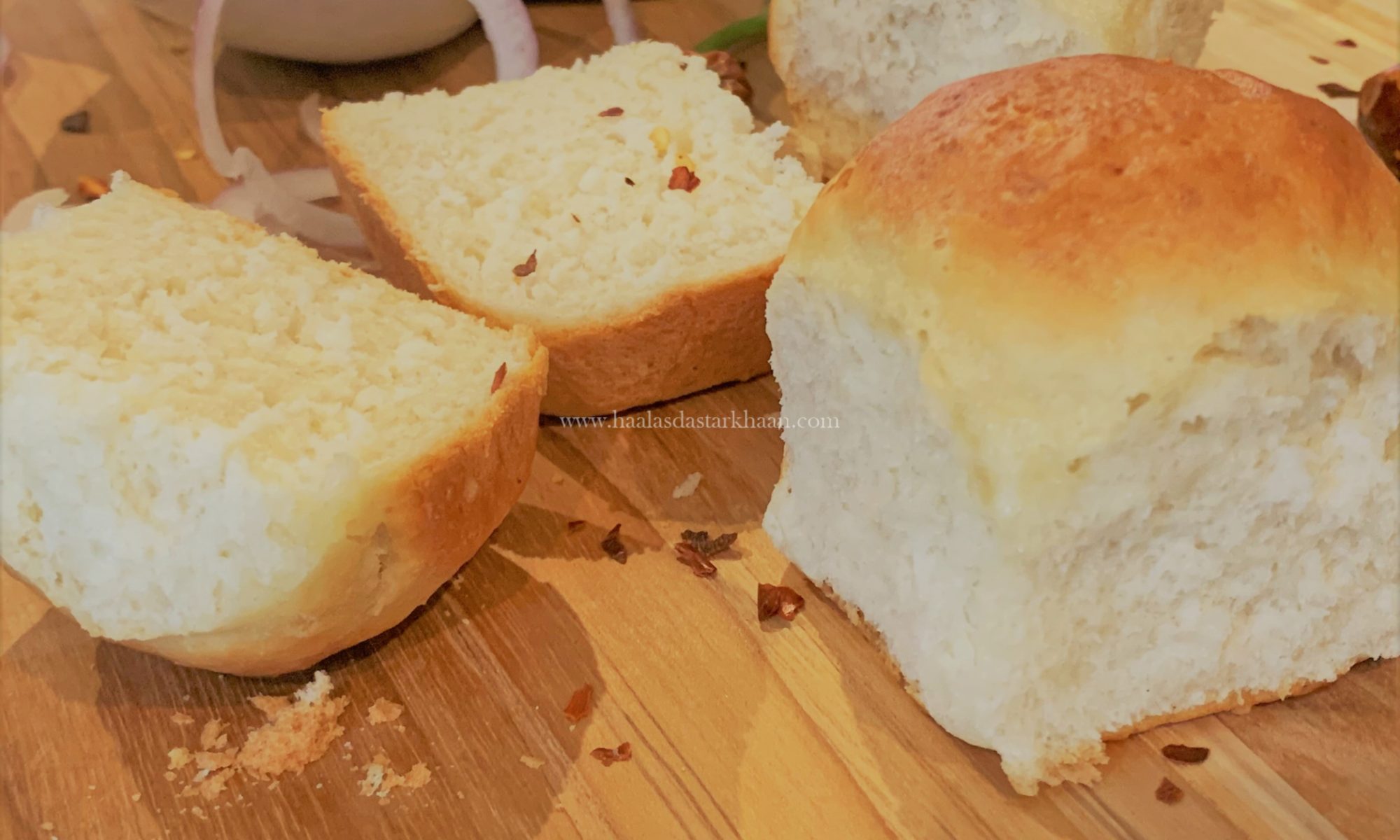
The Paav are also homemade. They are pretty easy as well. If you follow the recipe properly, you will be able to make these pillow soft amazing buns at home. You can serve the buns with anything, but as Paav with Bhaaji, they just seem to taste super amazing. To make them taste more delicious, split the buns, spread some butter and sprinkle some Paav Bhaaji masala on them and toast them on the Tava/ Pan.

Click and make your own Paav at home

Homemade Buns / Paav – Haala’s Dastarkhaan

Homemade Buns / Paav

I still remember when the trend of Paav Bhaaji came to my town. I was in Elementary school and I loved the flavors and so did everyone in the family. The funny thing was that all of a sudden Paav Bhaaji became a favorite dish for all. Now I have never been to the roadside stalls to eat Paav Bhaaji, though I somewhere always wanted to, but the small town I belonged wasn’t very apt with women standing on roadside eateries during those days. While writing this, I feel as if it was centuries ago, but honestly it was just a few decades ago and the amazing thing is that my small town has changed so much in the last few years that it’s exciting as well as scary. See, small cities have their own magic. People are friendlier, have more time in hand and almost everyone knows everyone. From that time where I would meet 50 people in a radius of one mile to now meeting almost the same number, but with the warmth missing.

Anyways, coming back to Paav Bhaaji. So, my father would always bring it home as a take away and we would all love it to the core. Slowly, my mom started getting Pav bhaaji masala and we would enjoy home made Paav bhaaji. So, my home made Paav bhaaji masala is my mother’s recipe.

I had tried my hands at Paav Bhaaji multiple times and always loved every bite of it. Though my mother used so many different veggies like cauliflower and carrots for her Paav Bhaaji, I only stick to Potato and Bell pepper, making it closer to the original flavors.

The Paav are also homemade. They are pretty easy as well. If you follow the recipe properly, you will be able to make these pillow soft amazing buns at home. You can serve the buns with anything, but as Paav with Bhaaji, they just seem to taste super amazing. To make them taste more delicious, split the buns, spread some butter and sprinkle some Paav Bhaaji masala on them and toast them on the Tava/ Pan.

Bangalore Muslim Kheema

Kheema curry can be made in so many different styles. Growing up in Rajasthan, I had either tried the Kheema made at home by my Mom, which was a must for picnics and Road trips. My mom would made Kheema with Aaloo and Kheema with matar. There were never Kheema made with multiple vegetables together. I heard my mother also mention that my grandmother enjoyed adding cauliflower to Kheema, which I don’t remember trying it and honestly could’t get myself to making it since Mr. Parveez isn’t a cauliflower fan.

And then came Kheema curry that we would eat in Puraani Dilli, Jama Masjid area for breakfast when we went to Delhi and one of my other favorite was Mumbai Kheema Paav. I will be posting that recipe soon along with the recipe of the Paav. Both of those were my absolute favorite and I would look forward to them. Hot Tandoori Roti in Delhi as an early morning breakfast with Kheema, Nahari or Paaye makes anyoone’s morning special. Mumbai Kheema Paav on the other hand has Tomato base and mostly made of Chicken.

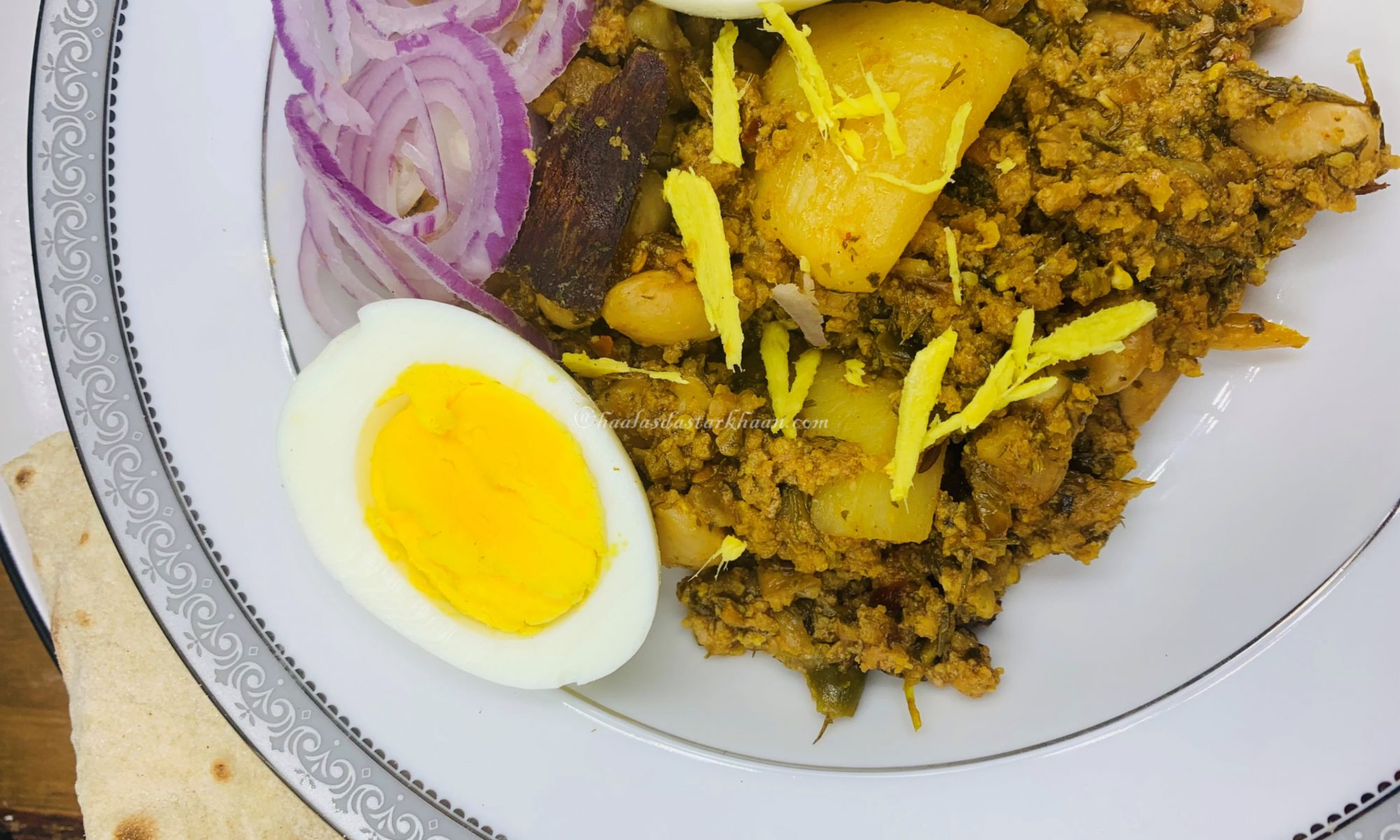
But this recipe is completely different from all of them. This recipe comes from Mr. Parveez’s family and its a recipe that most Bangalore Muslims make for Kheema. The recipe comes from Mr. Parveez’s Mom to us and we proudly call it “Ammi wala Kheema”. So, basically its chopped onions cooked with some whole spices in oil/ghee, with Ginger garlic paste, Goat Kheema, spices and tomato. Along with all these, there are a ton of veggies that make their way to this Kheema, potatoes, Beans, Fenugreek leaves and Dill leaves. This Kheema recipe is great for Breakfast, but tastes great even for Lunch and Dinner.

Kolkata Chicken Roll

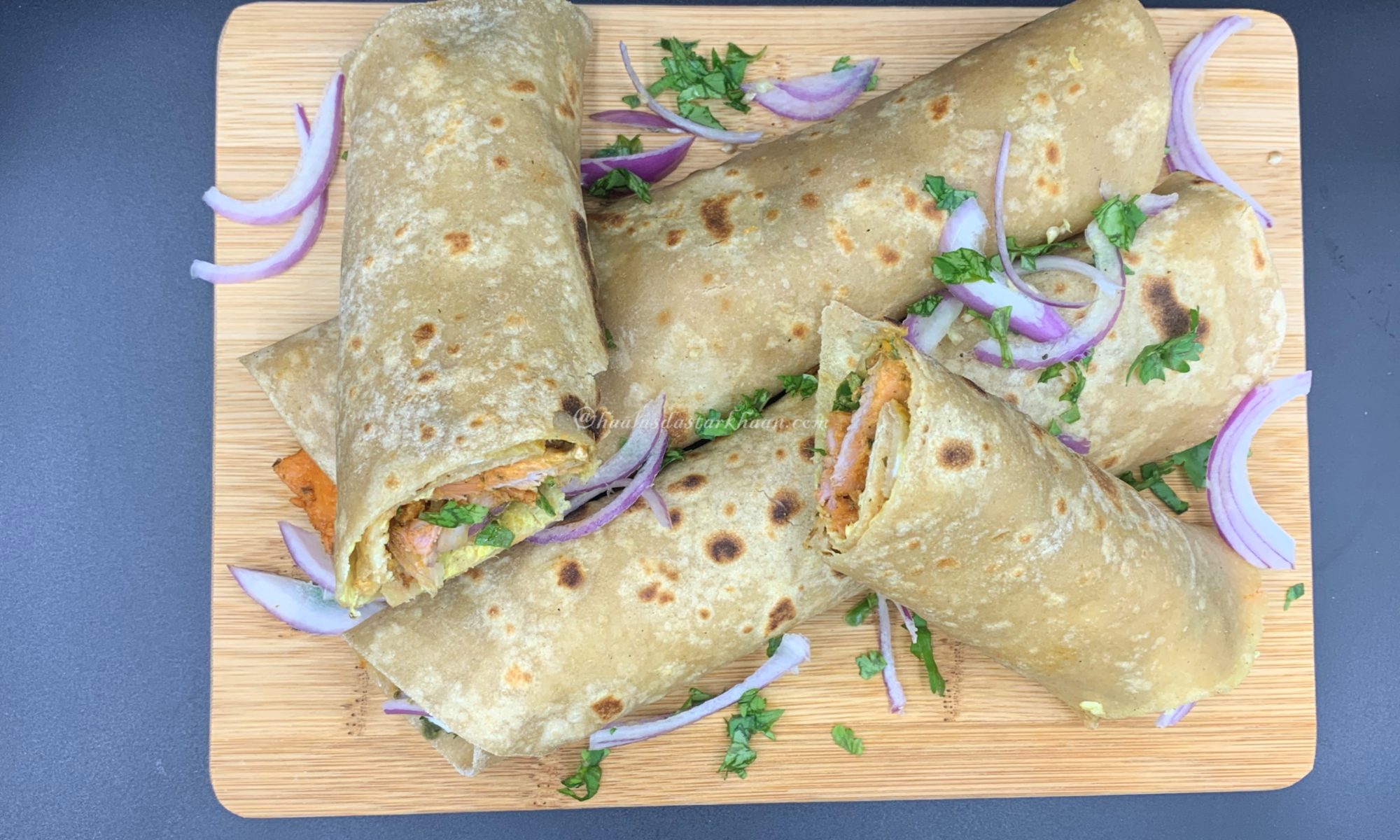
We love Chicken rolls. Those of you who read my blog and follow my recipes would know that I love different styles of Chicken wraps, be it a Chicken Roll or Burrito or Tacos. I think the love for Chicken rolls came from my Mom. During one of her trips to Mumbai, she had tried some Mutton Tikka boti rolls at a Parsi eatery and tried reinventing them at home which is actually loved by the whole family.

So, when I came across a wonderful pictures of Kolkata Chicken Roll, I had to give it a try. The flavor of Kolkata roll is not just different, it actually bombards your taste buds with a joy ride of different things. From what I have read, its pretty renowned and a popular street food in Kolkata. Though I have never been to Kolkata, there is something about the food and culture that connects me to it and I find it amazingly attractive. Recipes like this are so easy and fuss free that while it connects you to your roots, which is just so important for people like me who live so far off from their home country, but also makes it easy for your kids to eat. Its healthy, nutritious and perfect for on the go too.

I grew up eating and loving my mother Tikka Boti Roll, which she initially only made with meat but then also started making with Chicken and I loved both. I have always been a fan of being able to make something that was good for road trips. See, some trips allow you to stop by at hotels on the way, but not all and for those trips or those after game hunger pangs while you might be stuck in heavy traffic, these are the recipes that just don’t come handy but also are flavorfully satisfying.

I marinated the Boneless Chicken with Salt, Ginger garlic paste, Lemon Juice and Yogurt. Spices I used were Fenugreek leaves, Tandoori powder, Red chili powder, cumin powder and fennel powder. Chicken can be marinated and left in the refrigerator overnight but if you are short on time, it can also be marinated for 30-45 minutes.

This recipe might not be exactly same as what you might have experienced in Kolkata, if you have been lucky enough to try the street food there, but after the numerous trials and efforts made by me and going through uncountable recipes of different kinds, I managed to stick to this one for the Kolkata Chicken rolls. I am not too sure how the Chicken rolls are different from the Kolkata egg rolls, but my mom would always spread some egg was on the Roti and fry it for the Tikka Boti so I did the same thing for my recipe and I feel the taste is deliciously enhanced. This recipe is inspired by numerous flavors that I have tried all my life and I feel with the numerous trials that I have made, I am able to give this dish a flavor different from my regular Chicken rolls. Hope you try it, like it and enjoy it as much as my family and I do.  

Chicken Veggie Wrap

With all the different kinds of foods that we consume, at times you just feel that your tummy needs a break. You feel you need more veggies, less oil, fewer carbs, in all just a healthy meal. But, the problem that people like me face is that we also need something that tastes scrumptious and good along with all the health benefits.

Specially, if you have children as demanding as mine, you basically fight a battle. When the demand is to make veggies look more appealing and to make their protein go leaner without them noticing. That’s when dishes like this are invented.

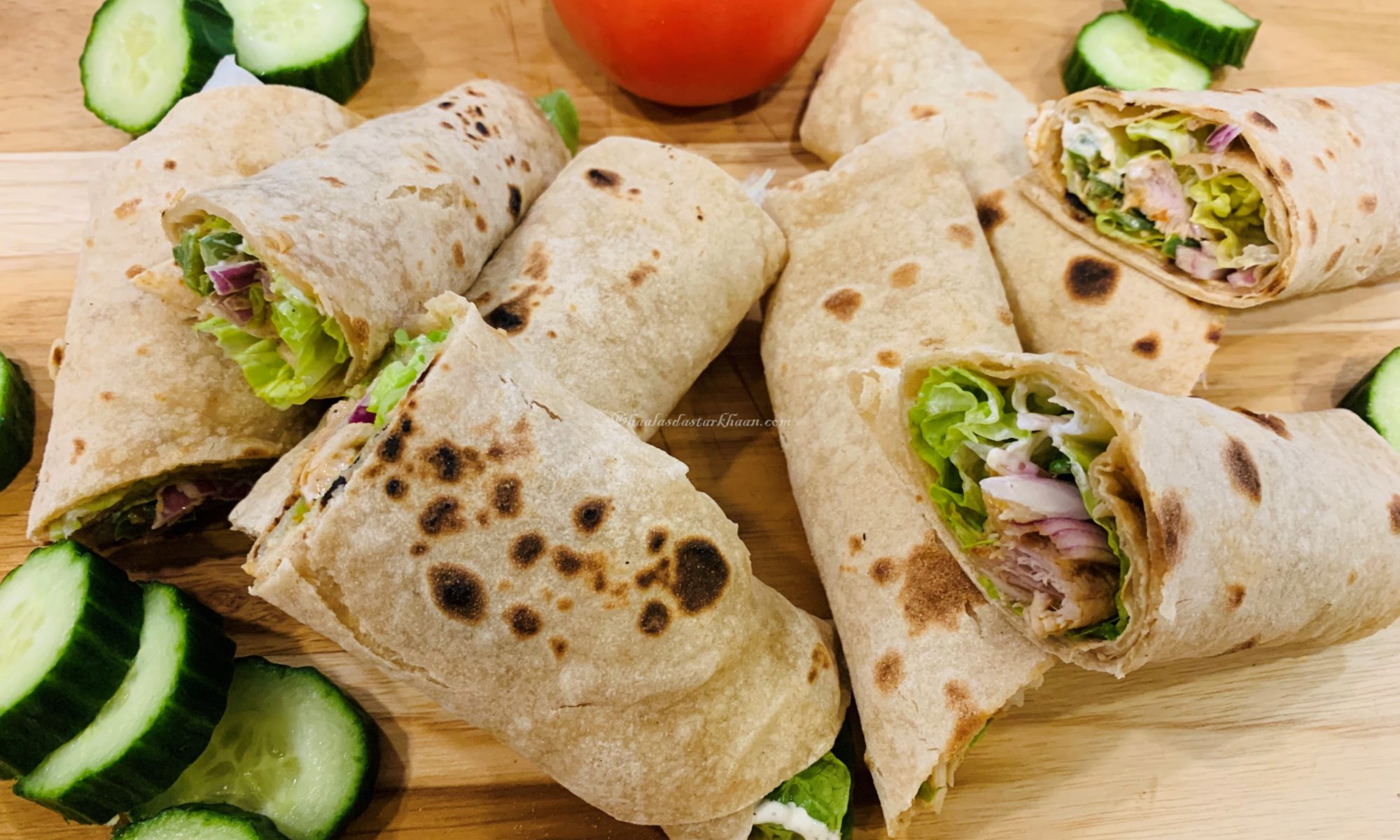
Now this isn’t your regular Chicken veggie wrap. Its a little different. The wrap that I have used is not a Tortilla, though you can always use a home made/ store bought Tortilla. The Chicken I used is boneless thigh meat, but you can also use Chicken breast. I cooked it with little Olive oil, Garlic powder, Onion powder, Red chili flakes and white pepper powder with Vinegar. Once the Chicken was cooked, add Bell peppers and Onions. Further, just add hot sauce to add a little zing. Wrap everything in lettuce leaves with some onions and chilies/jalapenos and further in a roti or whole wheat tortilla with some garlic Mayo sauce and enjoy the scrumptious bites of goodness and health.