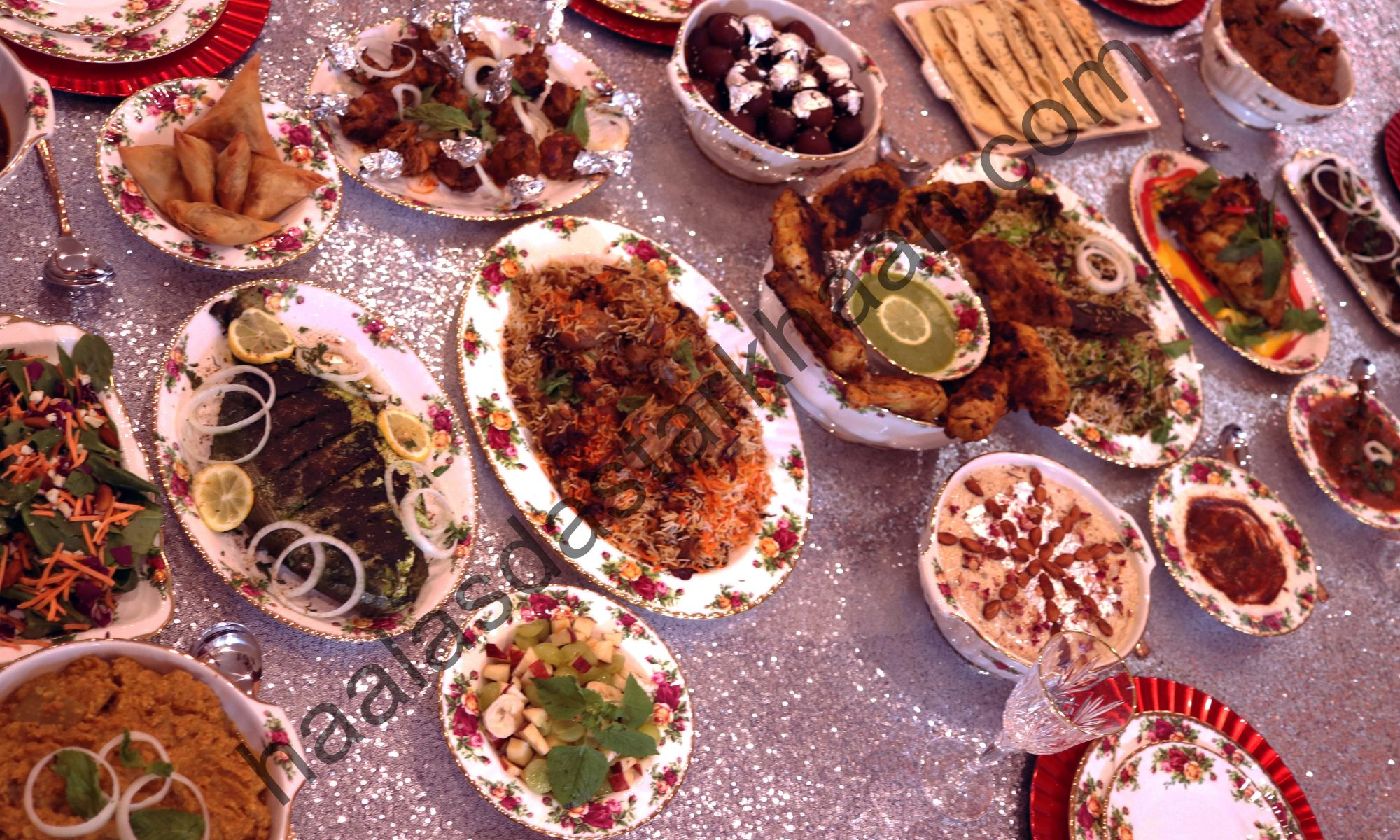
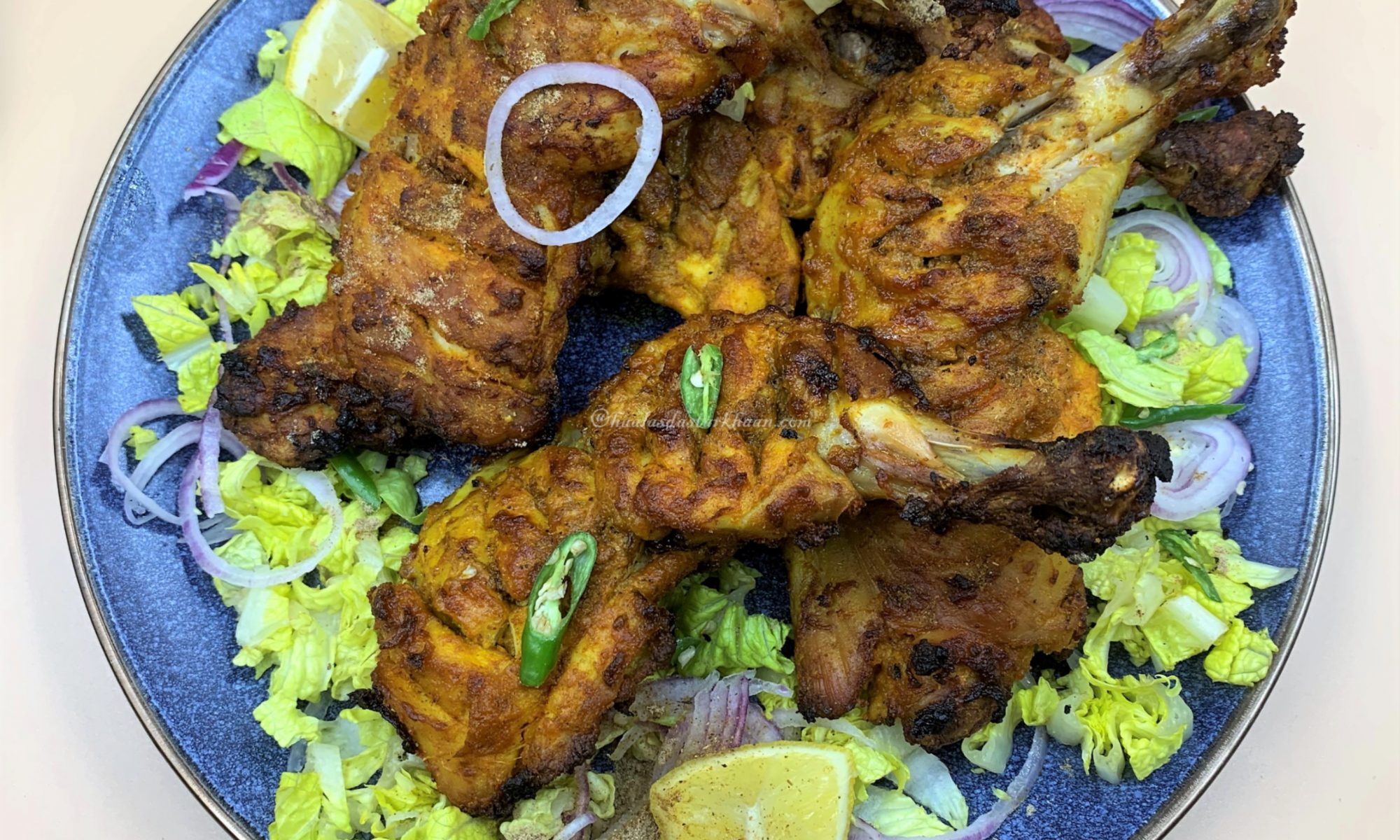
Murgh Darbari Tangdi Kebab

As the name suggests, this recipe traces its inspiration to the grand culinary traditions of the Mughal era — a time when food was not merely sustenance, but an art form. It is often believed that dishes like these may have been favorites in the royal courts of Emperor Akbar, where elaborate kitchens produced some of the most refined cuisines the Indian subcontinent had ever seen.

Exploring the history behind such recipes is just as fascinating to me as cooking them. Many of the whole spices we now consider inseparable from Indian cuisine — cinnamon, bay leaves, cardamom, cloves — became widely popular during the Mughal period. These were blended with indigenous ingredients already present in India, such as turmeric, chilies, and coriander, giving birth to deeply layered flavors that still define much of North Indian cooking today. The result was not just new dishes, but entirely new culinary traditions — kebabs, kormas, rich gravies, and the many forms of biryani we enjoy today.

What makes this period especially remarkable is the cultural exchange it fostered. The Mughal courts brought together Persian, Central Asian, and Indian influences, creating food that was luxurious yet rooted in local tastes. Many of the dishes we now call “classic” were, in essence, early forms of fusion cuisine — long before the term existed. Acceptance, adaptation, and creativity combined to produce flavors that have endured for centuries.

Kebabs themselves are often considered a gift from the Middle East to the wider world. Over time, they evolved in countless regional styles across India, each with its own spice balance, cooking method, and personality. Whether grilled over open flames, cooked on skewers, or pan-seared, kebabs remain one of the most beloved expressions of this culinary heritage.

The Mughal era also left a profound mark beyond food — in architecture, art, language, and cultural traditions. For me, it represents a time when diverse influences came together to create something enduring and beautiful. In India, food has always been a powerful bridge between cultures, religions, and communities. Festivals are shared, kitchens are opened to neighbors, and meals become celebrations of togetherness. It’s a reminder that cuisine is not just about ingredients, but about people, memories, and shared experiences.

Historical accounts suggest that Emperor Akbar had an exceptional appreciation for fine food, and the royal kitchens prepared an extraordinary range of vegetarian and non-vegetarian dishes tailored to his tastes. Queen Jodha is also said to have taken a keen interest in culinary matters, ensuring that meals reflected both royal grandeur and personal preference. While exact recipes from that era are rarely documented in detail, they offer enough clues to inspire modern recreations.

This kebab recipe is my interpretation of what such royal flavors might have been like — rich with aromatic spices, balanced yet indulgent, and deeply satisfying. While it may not be identical to the original dish served centuries ago, it aims to capture the spirit of Mughal cuisine: elegant, bold, and unforgettable.

Each recipe I share may use familiar ingredients, yet the proportions, techniques, and combinations make every dish unique. The only true way to understand it is to cook it, taste it, and experience the flavors for yourself.

I hope you enjoy these kebabs as much as I did — a small, delicious journey back in time. 🍢✨
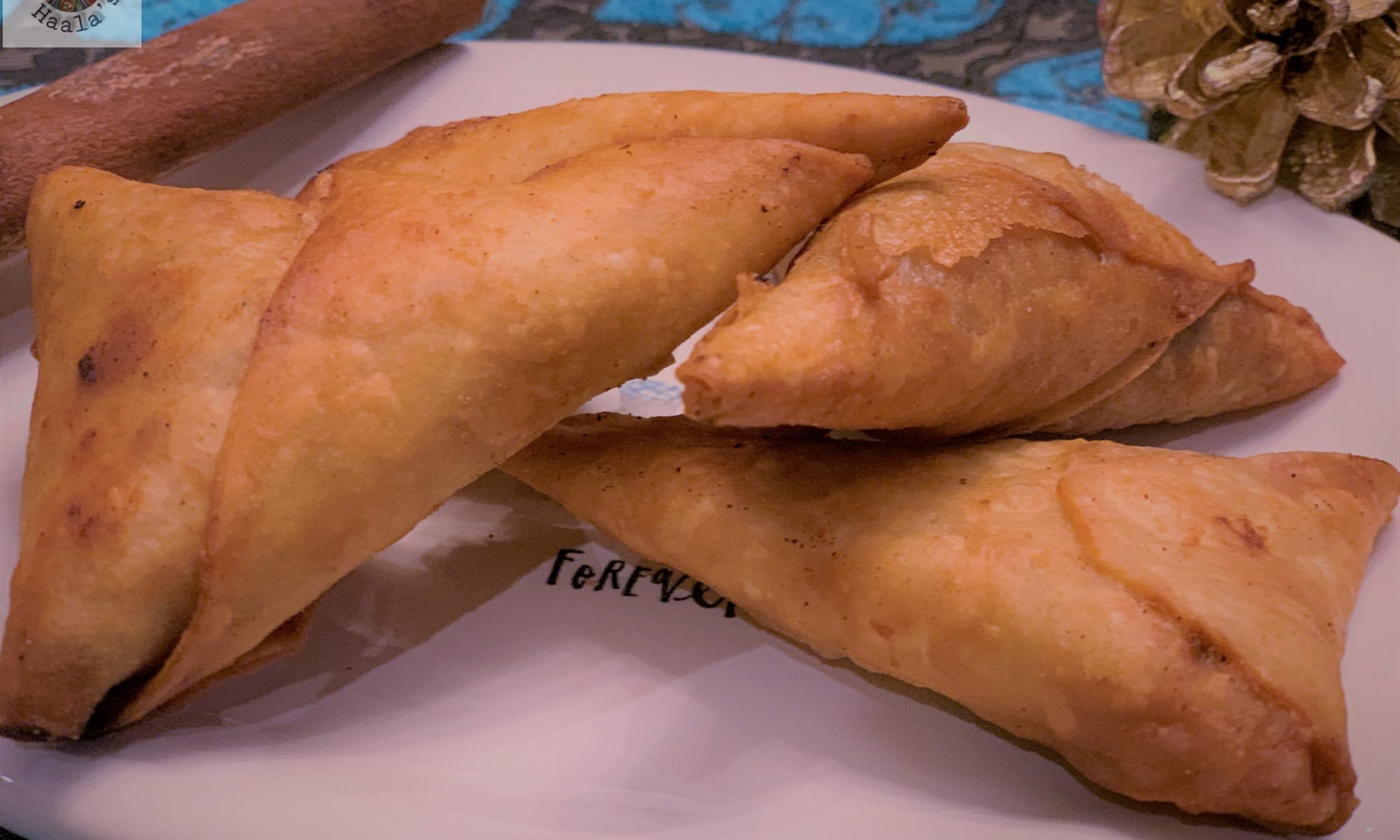
Pyaaz Ke Samose

I’m from Rajasthan, and I grew up eating samosas as a regular part of life. The classic potato samosa — aaloo ke samose — was everywhere, and every shop seemed to have its own signature flavor. Some were absolutely delicious, others not so much, but one thing I always loved was the crisp, flaky outer crust. In fact, for a long time, that was my favorite part. The only filling I truly adored back then was the kheema samosa my mom used to make at home.

I never enjoyed bland fillings, so whenever the spice level was low, I would lose interest quickly. Over time, as I tasted more varieties, I realized that it was the spicy, punchy samosas that won my heart every single time.

After I got married, I discovered a completely new favorite. During one Ramadan in Bangalore, we tried the famous Ramadan special onion samosas — Pyaaz ke Samose — and instantly fell in love with them. Crisp, aromatic, slightly sweet from the onions, and perfectly spiced, they were unlike any samosa I had eaten before.

There’s a common misconception that Ramadan food for Muslims is mostly non-vegetarian, but that couldn’t be further from the truth. Our iftar tables are filled with a beautiful mix of vegetarian and non-vegetarian dishes, each with its own tradition and story. These onion samosas are a perfect example — simple ingredients transformed into something truly special.

They are most commonly made during Ramadan, though a few Muslim shops prepare them year-round. Still, there’s something about foods made in that month — perhaps the anticipation, the hunger, the togetherness — that makes them taste extra special. It’s a flavor that’s hard to recreate outside that atmosphere.

Since we don’t get these samosas where we live now, I decided to try making them at home. After several rounds of trial and error, I finally arrived at a version that tastes just the way we remember — crispy on the outside, flavorful on the inside, and utterly addictive.

If you enjoy onion samosas and want to recreate that Ramadan magic in your own kitchen, I highly recommend giving these a try. I hope you love them as much as we do. 🥟✨

Badusha

Some sweets are forever tied to celebrations. One bite, and you’re instantly transported to festivals, laughter, lights, and family gatherings. For me, Badusha — or Balushahi — will always be connected to Diwali. I still remember visiting friends during the festival and being served plates of homemade or carefully selected store-bought Badushas, each one flaky, rich, and absolutely irresistible.

This post probably should have gone up during Diwali, but honestly, sweets don’t need an occasion — just a craving, a little enthusiasm, and the time to make them. Diwali may be over, but my love for Indian mithai certainly isn’t. When the craving strikes, there’s no reason to wait.

Living in the USA, I rarely find Badusha easily available, mainly because it isn’t as widely known here. I suspect that if more people tasted it, it would quickly become a favorite. So I decided to make it myself. After several not-so-successful attempts, I finally perfected the recipe — and it was absolutely worth the effort. Some cravings are simply too strong to ignore.

This sweet also carries personal memories. My mom is a huge fan, and I’ve heard stories that Balushahi was one of the sweets served at my parents’ wedding. In my hometown of Jodhpur, there’s an old sweet market area known as “Pongal Pada,” famous for its variety of Badushas in different colors, textures, and finishes. There, they are often called Maakhan Bada, which loosely translates to sweets made with butter. While traditional Badusha is soaked in sugar syrup, Maakhan Bada is typically coated with a thick layer of crystallized sugar — somewhat like a firm fondant shell — giving it a distinct texture and appearance.

Once I finally cracked the recipe at home, there was no looking back. These turn out beautifully flaky on the outside, soft yet layered inside, and perfectly sweet without being overwhelming. And let’s be honest — this is not the kind of dessert anyone eats just one of. One quickly turns into two… and then maybe three.

Known as Balushahi in North India and Badusha in South India, this beloved mithai transcends regional names. No matter what you call it, the experience is pure indulgence — buttery, crisp, syrupy, and deeply satisfying.

If you’ve never tried making it at home, I highly encourage you to give it a go. Once you taste a freshly made batch, you may never feel the need to buy them from a sweet shop again.

I hope you enjoy these as much as I did — flaky, festive, and full of nostalgia in every bite. 🍬✨

Gajar Ka Halwa

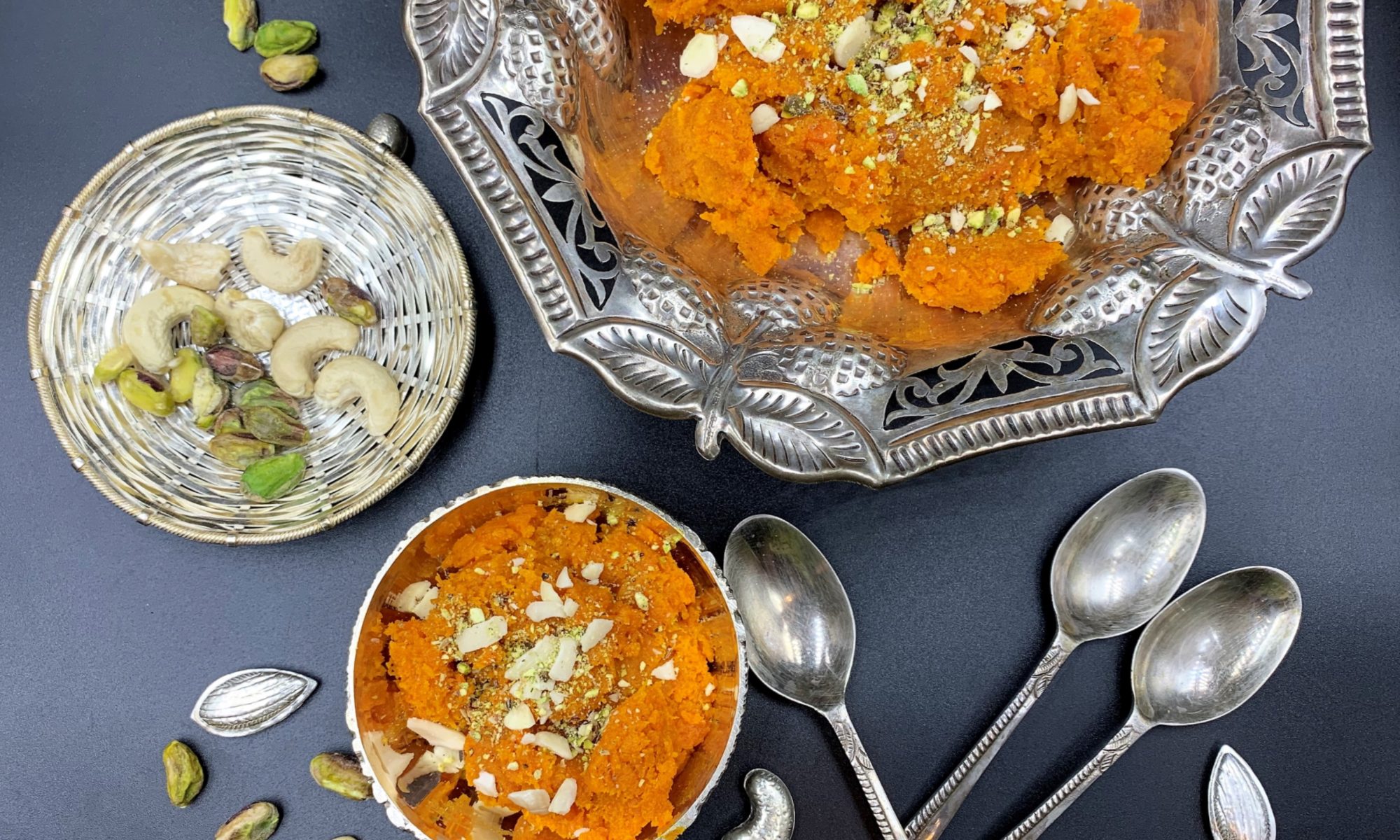
Gajar ka Halwa is, without a doubt, our ultimate winter comfort dessert. The natural sweetness of carrots slowly cooked with milk, sugar, fragrant cardamom, and rich desi ghee creates something truly magical — a warm, indulgent treat that makes cold days feel cozy and festive. Every family has its own treasured version of this classic, and it remains one of the most beloved winter sweets across North India.

When the markets fill with fresh, juicy red carrots, it almost feels like an invitation to start making halwa. That irresistible urge to end every meal with something sweet suddenly becomes impossible to ignore — and Gajar ka Halwa always tops the list. I make mine using grated red carrots, milk, khoya, and sugar — a traditional, rich version that truly shines when those seasonal carrots are at their peak.

I also prepare another version that comes straight from my mother’s kitchen. Growing up, I was convinced she made the best Gajar ka Halwa in the world. She would slow-cook it patiently for hours on the lowest heat, allowing the flavors to deepen while the entire house filled with the most heavenly aroma. I still remember how she would freeze portions so we could enjoy it long after winter had passed — a small luxury we all looked forward to.

Deeply rooted in North Indian cuisine, this dessert has a rich yet slightly grainy texture and just the right level of sweetness. It’s comforting, nostalgic, and incredibly satisfying. Honestly, I’ve yet to meet an Indian who doesn’t love a good bowl of Gajar ka Halwa.

Garnished with slivers of almonds, pistachios, and other dry fruits, it tastes divine on its own. But if you really want to elevate it, serve it warm with a scoop of vanilla ice cream — the contrast of hot and cold takes it to another level. I even have a richer version on this blog made with condensed milk, which creates an even creamier result.

One of the most beautiful things about this dish is its versatility. It can be enjoyed warm or chilled, simple or decadent, plain or paired with ice cream — and it never fails to bring comfort and joy.

Like most traditional dishes, every North Indian household adds its own personal touch, and even small tweaks can transform the flavor and texture. This recipe is my quick, reliable version — rich, satisfying, and consistently delicious.

I begin by sautéing grated carrots in ghee until they release their moisture. Once most of the water evaporates, I add milk and let everything cook slowly until the carrots become completely tender and the milk reduces to about one-quarter of its original volume. Then comes the khoya, followed by sugar and freshly ground cardamom powder. The mixture is cooked until it thickens beautifully and no excess liquid remains.

For garnish, I usually add sliced almonds and pistachios, sometimes cashews as well. Raisins are optional — some love them, others prefer to skip them — it really comes down to personal preference.

I make Gajar ka Halwa quite often, and it disappears just as quickly. If you’re cooking for a gathering, you can easily double or triple the recipe — just allow extra time for the milk to reduce properly.

Whenever possible, I choose the reddest, juiciest carrots for the best color and flavor. If those aren’t available, a tiny pinch of orange food color can enhance the appearance, though it’s completely optional. The taste remains just as wonderful without it.

Warm, fragrant, rich, and deeply nostalgic — this is winter in a bowl. I hope it brings as much comfort and happiness to your home as it always has to mine. 🥕✨

Lobster Curry

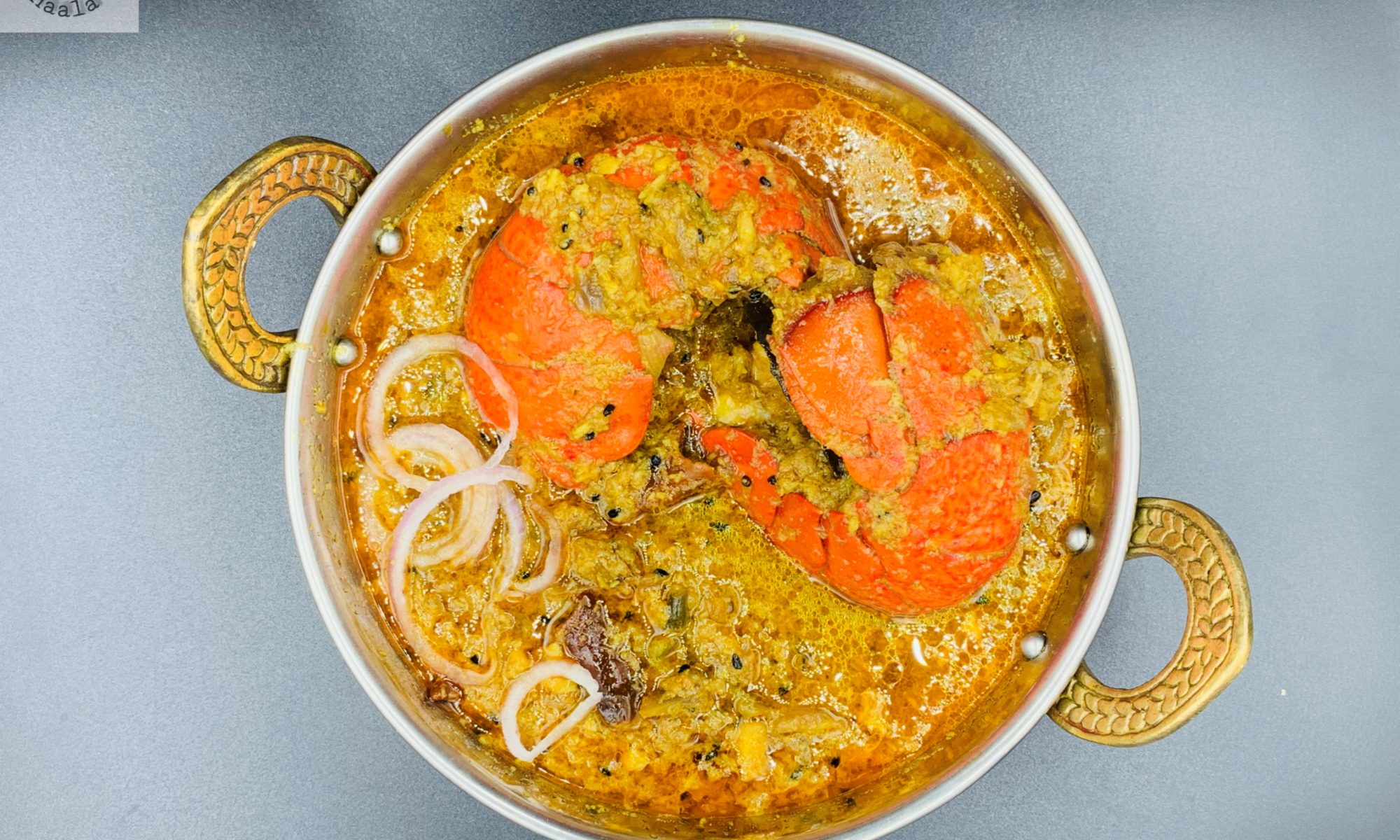
My love for Lobster Curry began in 2012, during our first visit to Kerala. We stayed on a houseboat in Alleppey, surrounded by the serene backwaters and blessed with the most perfect weather. It was around Christmas time — truly the best season to visit Kerala. During our stay, our hosts served an array of traditional Kerala dishes, especially seafood prepared in rich, aromatic coconut gravies. That’s where I tasted Lobster Curry for the very first time which I loved — and it was pure magic.

I had tried Lobsters before at several seafood restaurants, but they were always mildly cooked and flavored with nothing more than garlic and salt. The Lobster Curry in Kerala, however, was beyond my expectations — rich, flavorful, and absolutely unforgettable. The houseboat had three men who managed everything — from cooking to cleaning and maintenance — and they did it all with such warmth and care. Our time there remains one of the best vacations we’ve ever had. The weather, the calm of the backwaters, the walks surrounded by lush greenery, and the incredible hospitality made every moment truly memorable.

After tasting that unforgettable Lobster Curry, I just had to ask for the recipe — and our gracious host gladly shared it with me. Though the recipe was more of a rough guide than exact measurements, it was enough for me to understand the essence and recreate this wonderfully delicious dish back home.

The original recipe was cooked in coconut oil, but I made mine using olive oil since I don’t usually cook with coconut oil. I honestly don’t think it changes the flavor too much — it just makes the dish a little less “coconuty.” Since I still add coconut milk, the curry retains that perfect balance and richness that complements the rest of the ingredients beautifully. I did make a few other changes too, so I can’t really call this an authentic Kerala dish anymore — it’s more of my inspired version of it.

When I order lobsters for home delivery—which is, of course, the preferred option these days—I clean them myself. But if you’re picking fresh ones at a fish market, you can always ask them to crack the claws and cut the lobsters in half for you. I usually parboil the lobsters with a little turmeric powder and salt; it helps get rid of any musky smell.

To make the curry, I start by heating oil and adding black seeds (kalonji) and curry leaves, followed by finely chopped onions. Once the onions turn soft and transparent, I add ginger-garlic paste along with all the spices and some fennel powder. I find fennel powder brings a lovely freshness, especially to seafood dishes. Next, I pour in the coconut milk—or coconut purée—and tomato purée, stirring until everything blends together beautifully. Finally, I add the lobsters and let them simmer gently for about 10–12 minutes, until the curry thickens and the flavors come together perfectly.

The Lobster Curry might look complicated, but honestly, it takes less time to prepare than a regular chicken curry—and it looks absolutely stunning on the dining table. The best part is that this same recipe works wonderfully with crab too; just substitute the lobster for crab, and you’re good to go. I truly hope you enjoy cooking this dish and love it as much as my family and I do!

Khatte Baingan

Khatte Baingan: The Perfect Companion to Your Biryani

Biryani is more than just a dish — it’s an emotion shared across countries like India, Pakistan, and Bangladesh, where it takes center stage at celebrations and special occasions. But what truly elevates a good biryani to a memorable meal is what you serve alongside it.

From Baghare Baingan and Mirch ka Salan to Dalcha, chutneys, and cooling raita, biryani comes with a whole world of accompaniments. And contrary to popular belief, not all biryanis pair best with just a simple raita — choosing the right side actually makes a big difference.

If your biryani is mild or subtly spiced, richer sides like Mirch ka Salan or Baghare Baingan add depth and heat. On the other hand, if your biryani is already bold and spicy, dishes like Dalcha or Khatte Baingan help balance the flavors with their tangy and slightly mellow profile. Of course, raita is that universal side that complements almost any kind of biryani.

Why Khatte Baingan Works So Well

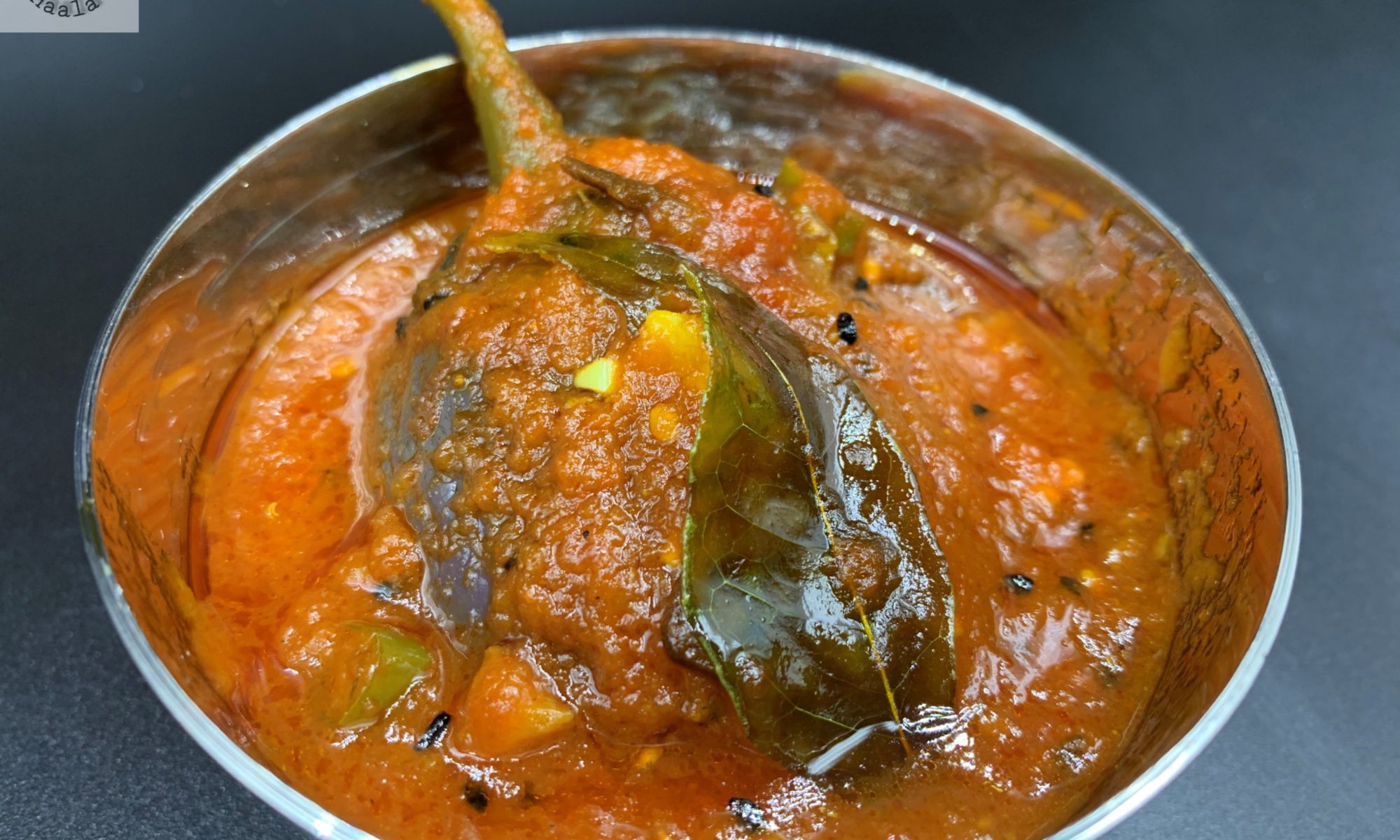
Khatte Baingan is a beautifully tangy eggplant dish that brings just the right amount of zing to your plate. It’s especially perfect with milder biryanis like Mughlai or Thalassery biryani, where its sweet-and-sour notes enhance the overall experience without overpowering it.

What makes this version even better is that it’s light and not overly oily — unlike traditional methods where eggplants are deep-fried.

A Lighter, Smarter Way to Make It

Instead of frying, the eggplants are boiled first. This simple step ensures they’re cooked through while preventing them from soaking up excess oil — something eggplants are known for.

Once boiled, the magic begins:

  • Heat a little oil and temper it with black seeds and curry leaves.
  • Add ginger-garlic paste, turmeric powder, and red chili powder for a flavorful base.
  • Stir in tomato puree, green chilies, and a touch of ketchup.

The ketchup might seem unconventional, but it adds a beautiful color along with a subtle sweet-and-tangy flavor that perfectly complements the dish.

Let everything cook together until the मसाला coats the eggplants well and the flavors come together into a rich, glossy gravy.

A Crowd Favorite — Even for Eggplant Skeptics

Khatte Baingan is one of those dishes that surprises people. Even those who usually shy away from eggplant often end up loving it, thanks to its balanced flavors and light texture.

Easy to make, packed with flavor, and incredibly versatile — this dish is proof that the right accompaniment can truly transform your biryani experience.

So next time you’re serving a mild biryani, skip the usual and bring out a bowl of Khatte Baingan — it might just become the star of your table.

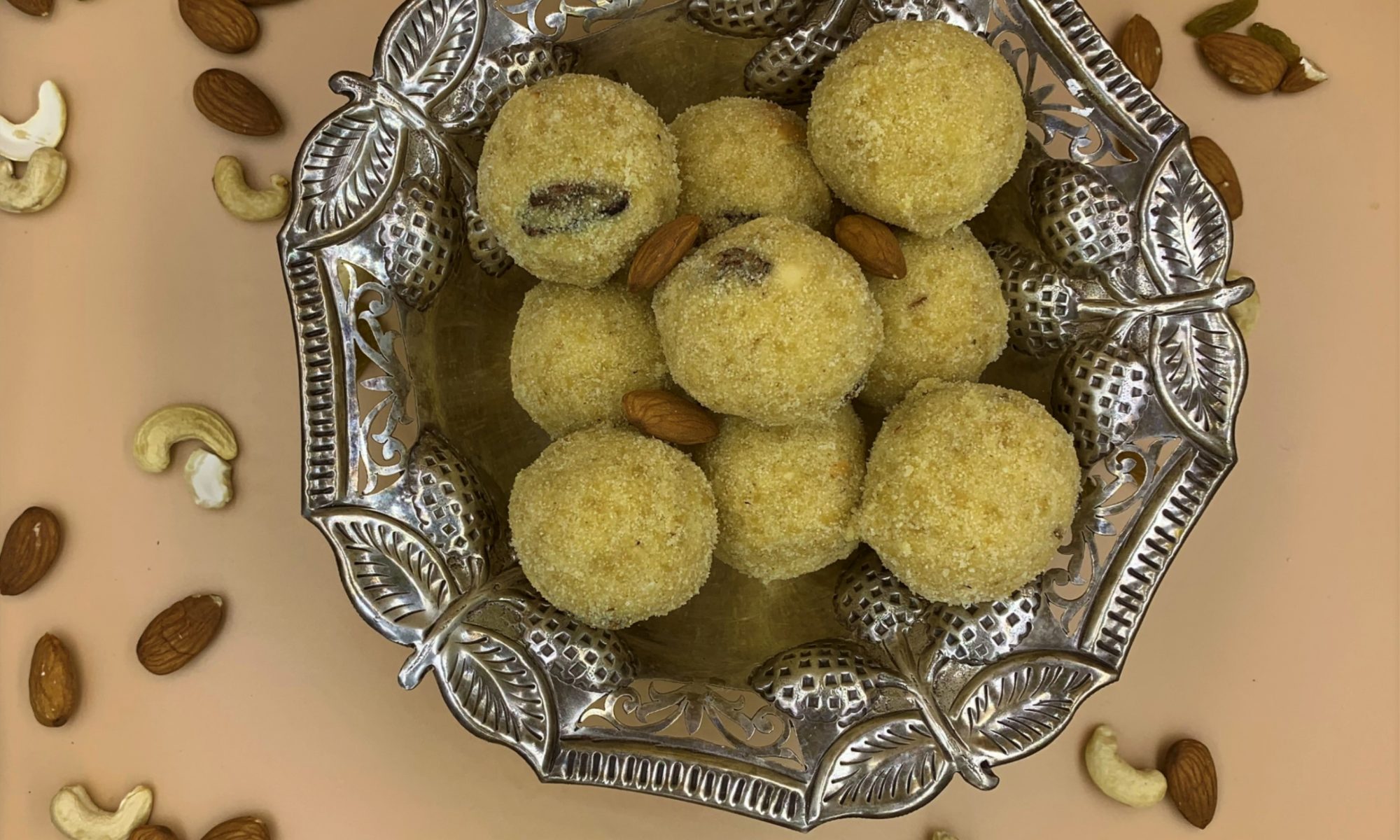
Rava Coconut Laddu

Laddus: Little Bites of Pure Happiness

Laddus are more than just sweets — they’re tiny bundles of joy that instantly bring comfort, celebration, and nostalgia. Across every Indian household, these little round delights hold a special place, whether it’s for festivals, celebrations, or simply satisfying a sweet craving.

From the rich and nutty Besan laddus to the delicate, melt-in-your-mouth Motichoor laddus, and the tropical sweetness of Coconut laddus — each variety has its own charm. Different occasions call for different laddus, but the feeling they bring remains the same: warmth, happiness, and a sense of togetherness.

There’s something incredibly comforting about their simplicity. Just small, edible balls of deliciousness, yet packed with flavor, tradition, and love.

For me, Motichoor laddus have always been the ultimate favorite — the kind of sweet I turn to whenever I need a little pick-me-up. Soft, slightly grainy, soaked in just the right amount of sweetness, they have a way of instantly lifting my mood.

Some sweets come and go, but laddus? They’re timeless. One bite, and you’re reminded why they’ve been loved for generations.

Rava Coconut Laddus: A Taste of Childhood & Love

When I began my journey of self-discovery as a home-based chef, I found myself exploring not just new recipes, but also the stories and memories behind them. Food, after all, is never just about ingredients — it’s about emotion, nostalgia, and connection.

That’s exactly how these Rava Coconut Laddus came to life.

It all started when Mr. Parveez asked me to recreate a laddu he cherished from his childhood — simple, comforting, and full of flavor. Something he had grown up eating and still longed for. And like most nostalgic recipes, it wasn’t just about getting the ingredients right… it was about capturing a memory.

This version you see here is the result of my third trial — and the one that finally came closest to that familiar, childhood taste he had been craving.

The Process

I began by roasting rava in ghee until it turned aromatic and slightly golden — that nutty fragrance is what builds the base of these laddus. To help with binding and add a subtle richness, I incorporated a bit of besan into the mix.

Fresh grated coconut was roasted separately, just enough to remove moisture while keeping its natural sweetness intact. In another pan, cashews and raisins were gently fried in ghee until golden and plump — adding that perfect bite and texture.

Everything was then brought together — the roasted rava, coconut, nuts, and raisins — and sweetened with sugar. A final addition of warm ghee helped bind the mixture, making it easy to shape into soft, delicious laddus.

The Result

What came out of this process was more than just a sweet — it was a memory recreated. Soft, fragrant, lightly textured laddus that carry the warmth of home and the comfort of childhood.

They’re simple, wholesome, and incredibly satisfying.

Storage Tip

These laddus store beautifully — just keep them in an airtight container, and they’ll stay fresh for up to 10 days.


Sometimes, the best recipes aren’t the most complicated ones — they’re the ones tied to memories, love, and a little persistence. And this one? It’s all of that, rolled into every bite.

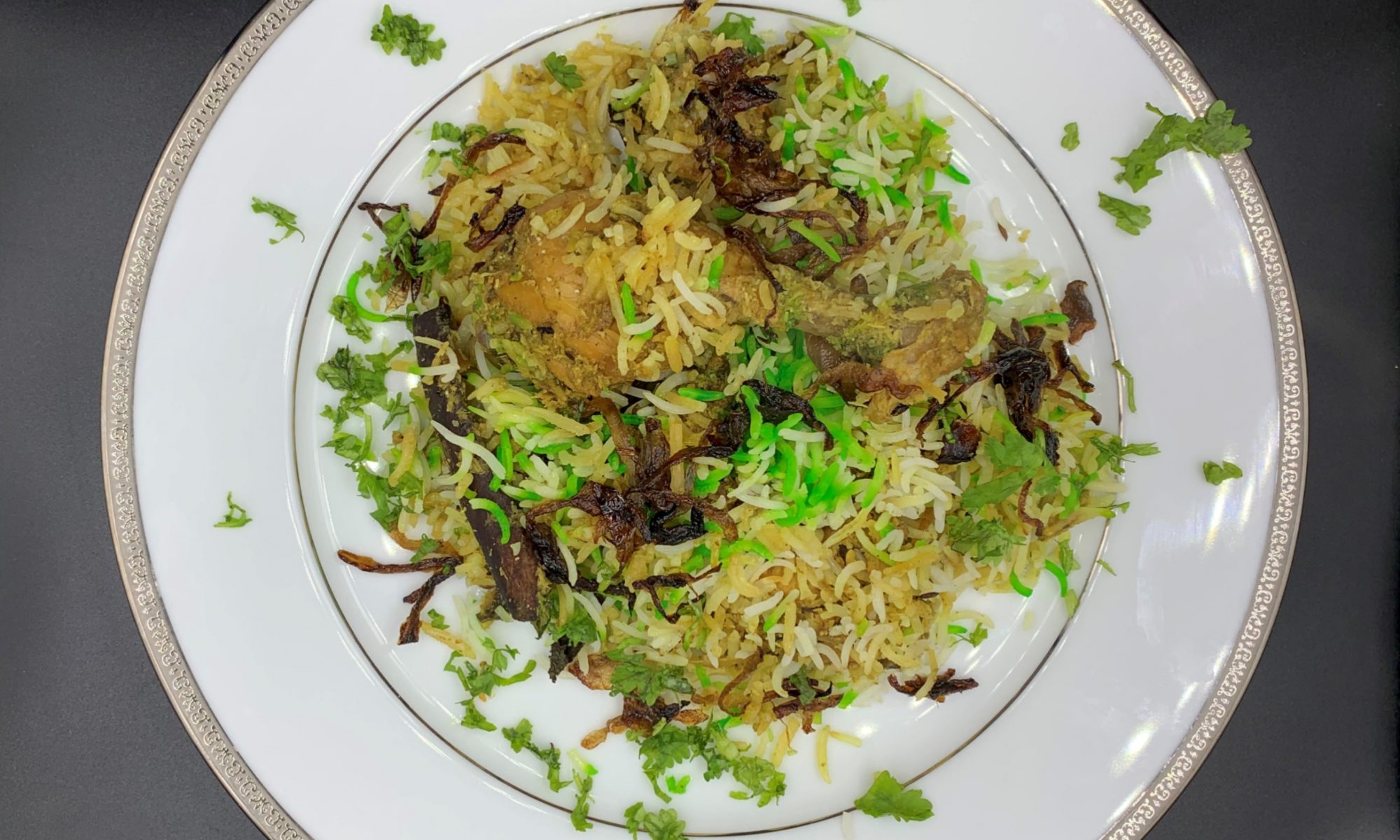
Murgh Hyderabadi Biryani

Hyderabadi Biryani: A Legacy of Royal Flavors

Hyderabad is a paradise for biryani lovers, offering countless varieties, each with its own unique personality, flavor profile, and cooking style. Over time, I’ve explored and recreated many different styles of Hyderabadi biryanis — and what always amazes me is how no two are ever truly the same.

Each version tells a story.

What makes Hyderabadi cuisine so special is the deep influence of the Nizams. Their legacy isn’t just reflected in grand palaces or exquisite jewels, but also in the richness of their food. Every dish feels like a glimpse into a time when hospitality was an art, and food was its grandest expression.

The legendary dastarkhaan of the Nizams was nothing short of spectacular — a lavish spread filled with aromatic biryanis, slow-cooked curries, indulgent haleem, and an array of desserts enriched with dry fruits and cooked in pure ghee. It’s a cuisine built on generosity, detail, and a deep love for flavors.

This particular biryani is a beautiful representation of that heritage — rich, fragrant, yet surprisingly approachable.

What Makes This Biryani Special

Unlike overly spicy versions, this biryani focuses more on depth than heat. The base includes a luxurious paste made with poppy seeds, cashews, and coconut, giving it a creamy texture and a subtle richness that coats every grain of rice.

The heat comes from a green chili paste, which adds a fresh, vibrant kick without overpowering the dish. If you enjoy a spicier profile, you can easily adjust the number of chilies to suit your taste.

A touch of kewra essence paired with a hint of food color elevates the aroma, giving the biryani that signature royal fragrance — the kind that instantly fills your kitchen and makes the dish feel festive and indulgent.

Simple Yet Elegant

Despite its royal roots, this biryani is surprisingly beginner-friendly. The steps are straightforward, and the ingredients come together beautifully without requiring overly complicated techniques.

It’s the kind of dish that makes you feel like you’ve created something truly special — without feeling overwhelmed in the process.

Final Thoughts

This biryani is more than just a meal — it’s a celebration of history, culture, and flavor. It carries the essence of Hyderabadi heritage while still being accessible enough for anyone to try at home.

So whether you’re new to biryani-making or someone who loves experimenting with flavors, this dish is definitely worth adding to your table.

Enjoy every fragrant, flavorful bite — and let it transport you to a royal Hyderabadi feast.

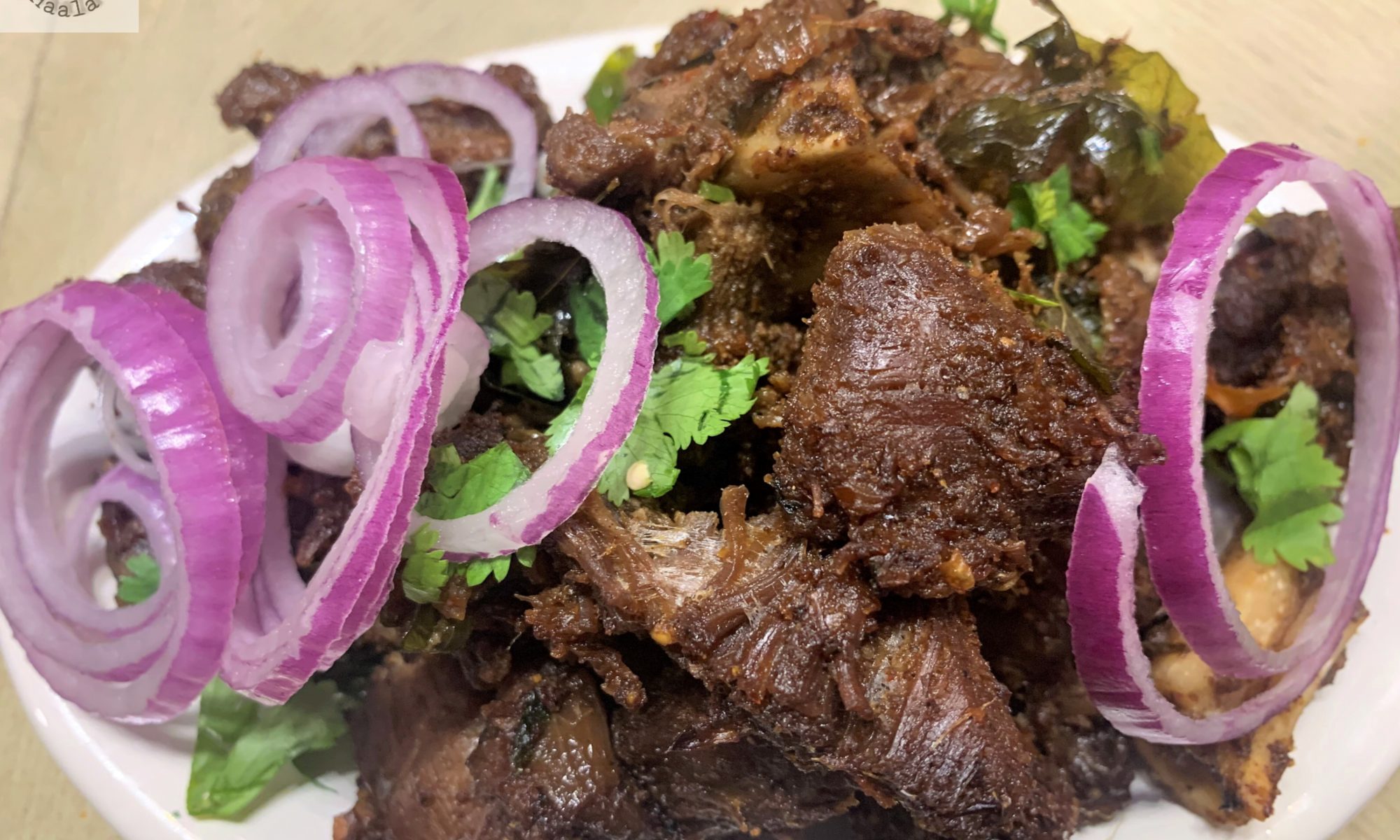
Mutton Ghee Roast

With the wide variety of Kebabs that we make, we love kebabs made from meat the most. I love the way meat Kebabs are always so juicy and tender and absorb all the flavors so naturally. The texture of meat and the spices blend in so well together. I am sure if you look into details of cooking that when it comes to Kebabs, meat Kebabs definitely make to the top of the list. I have heard a lot of people liking Beef too, but since I have never cooked or consumed beef, I don’t really have an idea. But I do think that since Beef has a lot of fat, cooking with its own fat must be adding more flavor to it.

Coming back to Ghee Roast. I came across some cuisine where they mentioned the dish and showed how the meat is boiled till it’s cooked. after roasting the whole masalas, they are ground to a powder, and then the meat is cooked in ghee with spice powder, onions, curry leaves, and green chilies. This dish is pretty easy to make and makes it to my top ten list of easy and flavorful kebabs.

The best thing about these kebabs is that they can be partly premade a few days in advance as well. You can boil the mutton a few days in advance and refrigerate or freeze it, depending on how many days you want to use it. Similarly, you can always dry roast the whole masala and grind them and store them in a dry and airtight container. These kebabs are juicy, moist, flavorful, and go really well as a side dish or by itself. If you are a fan of meat kebabs, you will love the scrumptious chunks of flavorful meat. Enjoy!!!

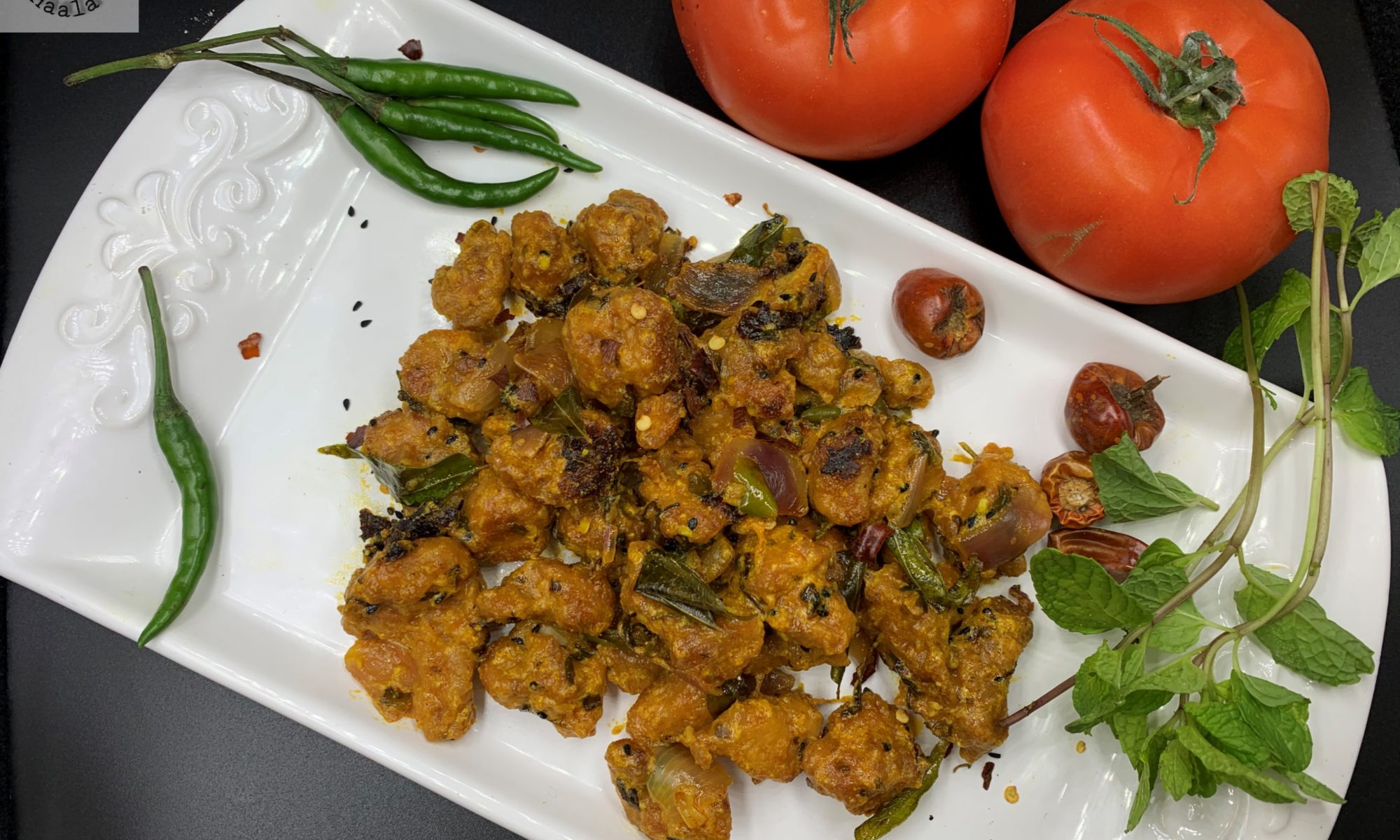
Hyderabadi Chicken 65

Chicken Kebabs are an all time wanted and favorite for everyone. Chicken Kebabs go so well with Daal Chawal as a side dish and even by themselves. I love making Chicken Kebabs for my get together with friends as well. People always feel that you cannot experiment much with Chicken Kebabs at home, where as experimenting with different Kebab flavors at home is the best thing to do.

The basic thumb rule is follow the fragrance and the flavor. If there are spices that go well together and there are spices that don’t go too well. Spices like Black pepper is something that you need to add little at a time, since if its too much the dish tends to get bitter. If you need to enhance the flavor of Black pepper in your dish, its always better to add less of Black pepper and more of White Pepper to balance the pepper taste. Adding Tandoori masala gives a lot of kick to Red chili powder and makes kebabs more flavorful. You can always use citric acid in place of Vinegar or Lemon juice. Adding Flour with Rice flour and Corn starch Powder will add a lot of crunch to your kebabs if you are frying them.

With the Hyderabadi Chicken 65, I added Red chili powder and other spices with Ginger garlic paste and mixed it well. Further rolled the spiced Chicken pieces in Flour, Rice flour and cornstarch powder and fried them. Later cooked them in a sauce made with Onions, green chilies, various spices and Yogurt. I also add a little cornstarch powder to the gravy to make it a little thicker.

Chicken 65 is made in different ways in different places of India. Though the original recipe was made in Chennai, but different places modified their ways and made it suitable to their taste buds. Honestly, every pace has their unique flavor and we always tend to have our favorites but making them in different ways is always great to add more variety to your dinner table.