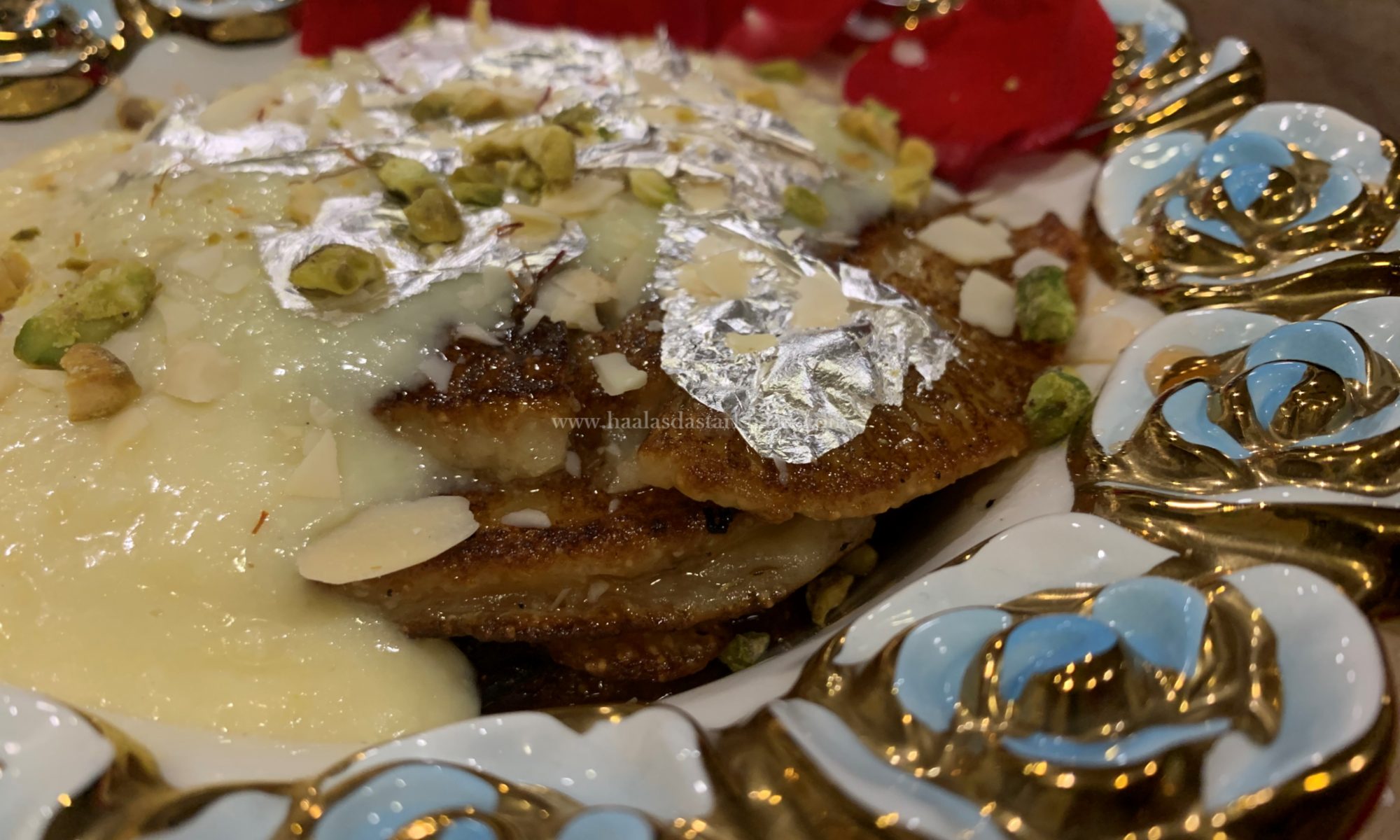
Malpua and Rabri

Rabri and Malpua go hand in hand for marwaris, specially for Jodhpuris. I remember my father and my maternal grandmother being huge fan of Malpuas. Though I have never liked them much, for their bonding relationship with sugar syrup and just like Jalebis, Imartis and Bengali sweets, malpuas also happened to be a sweet dish that I never tried. But, I was always a huge fan of Rabri. In fact, there is a very famous shop in Jodhpur, by the clock tower, an important stop for all tourists, that is popular for its lassi, kulfi and Rabri and every time I traveled to Jodhpur, that would be on my eating out list.

As for the history of Malpua, first reference of this sweet dish was made in the Rigveda, as ‘Apupa’. The recipe of Apupa was something that uses barley flour made in form of flat cakes, deep fried in ghee and then dipped in honey before serving.

Rabri seems to be connected with Bengal because of its flavor resemblance being close to Basundi. Its made by over boiling of milk on low heat, until it becomes dense and pale yellow in color.

I remember when I was 15, a family friend’s daughter, almost 10 years older than me, soon to be married. She loved to cook and would often come to see my mom and would also showcase her cooking skills. She would come to our house very often and she once made Khoye ke malpua and all I saw was 2 people busy making Malpuas and I never gathered the courage to go and peep to even see what was going on. All I saw was my Father and maternal Grandmother, both diabetic, hogging on to those Malpuas before anyone could stop them. They offered it to me and with the look of the dripping sugar syrup, it was a NO from my side. I then saw someone bring in Rabri from my favorite store and I was more than happy eating my plain Rabri. Now since, I have never been a big fan of Malpuas and Mr. Parveez never mentioned it either, it never occurred to me that I should try making them at home. In addition to that, I don’t know why but I always felt that making Malpuas must be too much work and I kind of never felt the need to even try it.

One day, we happened to be watching a Food channel where a food blogger went to Mumbai and showed this guy making big size Malpuas being thrown in the Kadai with boiling ghee and further dipped in the sugar syrup and being served straight away with cold Rabri and Mr. Parveez looked so impressed. So, I just asked him, “Do you like it?’ and he said, “yes”. With me that was more than enough to try making this out.

I checked with a family friend who got me a recipe from one of Jodhpur’s authentic Malpua maker. Sometimes people share secrets, they one have to be sure that no one is taking their business away, second, you need to contact through the right source and third and most important, you just have to be sweet when you ask, and mostly people fail to do the third thing. He never gave me the exact measurements though, but when you cook, ingredients are usually enough for you to crack a recipe because even if you use the exact same measurements, the dish would be completely different when made by 2 different people. I always tell everyone I teach, Don’t learn, get inspired. Learning while copying to do the same, makes you good, But Learning while getting inspired makes you outstanding. Never give up on being unique.

Now my first goal was to work on the Rabri, of course personal reasons. So, I started working on it, it was a slow process and the first time I made it, I was restless because I thought I was doing something wrong and its taking too long, but after that I was a pro and I can now cook 4 dishes the same time as I make Rabri. and, when I tasted it, I was so happy with myself, it tasted much nicer than the Rabri from my favorite sweet store in Jodhpur.

Now the Malpuas, they were much easier than I thought. Few ingredients, paying attention, and your Malpuas are ready to be served. They are very much like pancakes. My first attempt made them a little thick, the second time, I mixed in more milk trying to make them more thin. Try taking a good non stick pan to reduce the quantity of ghee you take.

Rabri can be refrigerated for up to a week. Malpua batter can also be refrigerated for up to 3-4 days. It tends to thicken a little while being refrigerated, you can always add a little milk tablespoon by tablespoon to make the consistency thinner.

I have out up ways and pics of both the thick Malpua and the thin Malpua. You can see both ways and pick your favorite. Though I have given the recipe of Rabri after the Malpua, but its always recommended that you make the Rabri few hours, if not a day before and refrigerate it. The Malpua needs to be hot and the Rabri needs to be chilled when served.

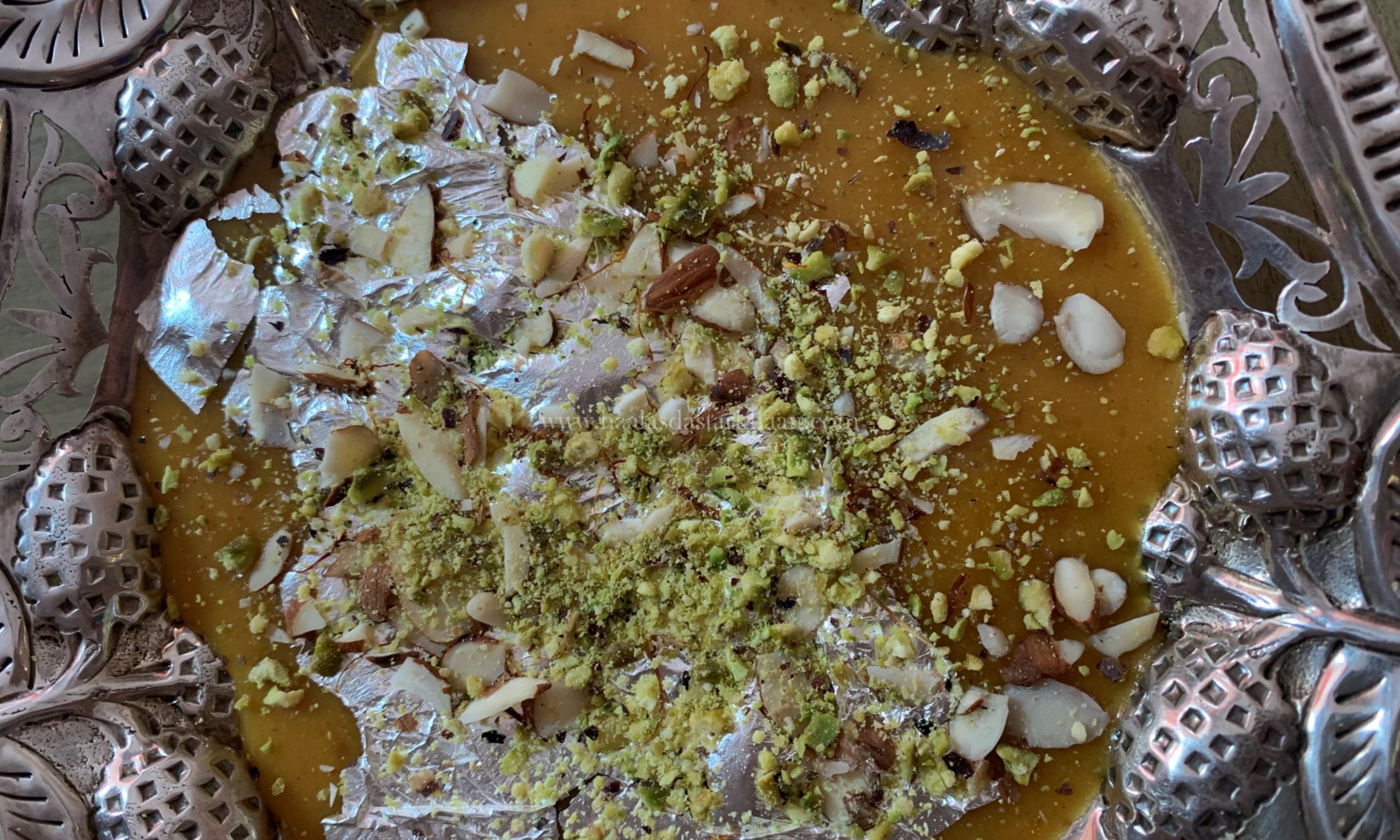
Decorate with silver leaf, crushed nuts and roses or anyway you like or just plain…the taste is so good that it will be loved and appreciated any which way. Enjoy!!!
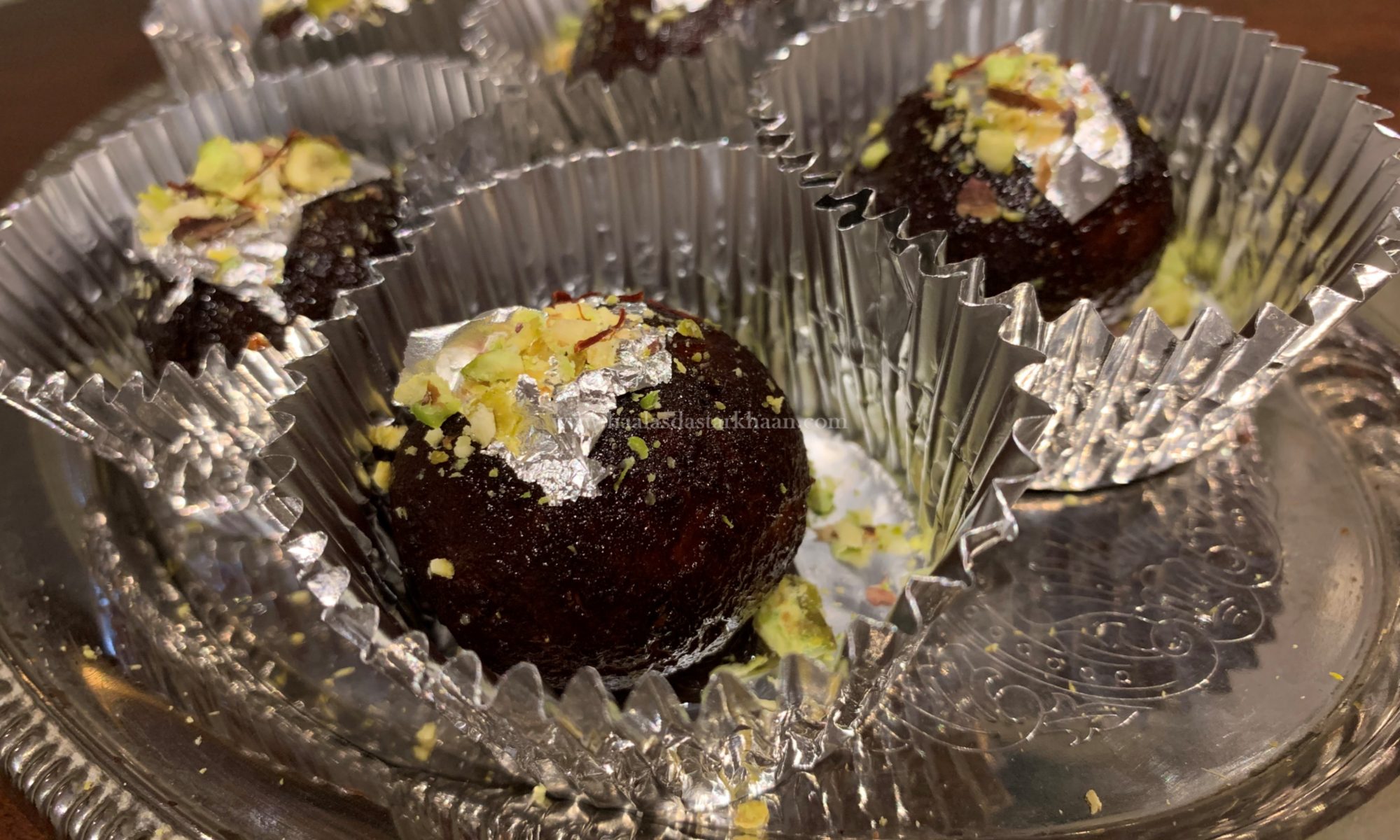
Kala Jamun

Kala Jamun is a distant cousin of Gulab jamun. It was first prepared in Mughal Era in India, introduced by Mughal Emperor Shah Jahan by his personal chef. The difference between Gulab jamun and Kala Jamun is the color and texture. While Gulab Jamuns are golden, Kala Jamun have a dark color with a shade slightly away from Black.

Its always advisable to use good quality Khoya and Paneer. Always use best quality khoya available at dairy. Mr. Parveez and my boys love home-made desserts. In fact the most awesome part that I don’t even eat any sweets that are dipped in sugar syrup, but Mr. Parveez stopped eating the sweets from sweet stores which is a huge compliment for me. Our guests always wonder if the mithai we serve, is from a store. Actually, I never thougth that making certain sweet dishes at home could be so easy, enjoyable and emotionally rewarding. And now, I just love making Indian Mithai, Cakes, Pastries and Pies, and making them is always my “happy time”. In fact, I can always hop into the kitchen happily to make mithai if asked.

Though I have never been a fan of either but, When I was a kid, I often used to get confused of what exactly is the difference between Kala Jmaun and Gulab Jamun and for the longest time, I believed that Kala Jamun was Gulab Jamun with black color. i only found the difference when I got down to making them.

Like I said above, dry kala jamun is a distant cousin of gulab jamun  and it uses paneer, suji, sugar and sometimes also uses a  dash of dry fruit stuffed inside balls. Though I never stuffed any in mine, because that would make them close to mewa baati and probably a little heavy too. Gulab Jamun dough does not have any paneer or sugar, where as the dough of Kala Jamun requires a little sugar. Gulab Jamuns are usually served with a little syrup, but these tend to be dry, so they require a little sugar boost from within. Kla Jamun also needs to be fried for longer on low to medium flame, without burning them to give the beautiful dark color.

Gulab jamun dough does not need much kneading but this dough has to be kneaded really well. The texture can be obtained only with a good dough, that has been kneaded well. You can also use a mixer if you find it difficult to do it by hand.

Keep the kala jamun soaked in a sugar syrup for at least 3-4 hours before serving, refrigerating them id preferred too.

If you want to make it as dry kala jamun, then once the jamuns are soaked well in syrup, you can take them out of the syrup and store it in a container or serve. They keep good easily for a week the refrigerator. I feel they are one of the best recipes to take to a friend’s house or as a goody bag after a party.

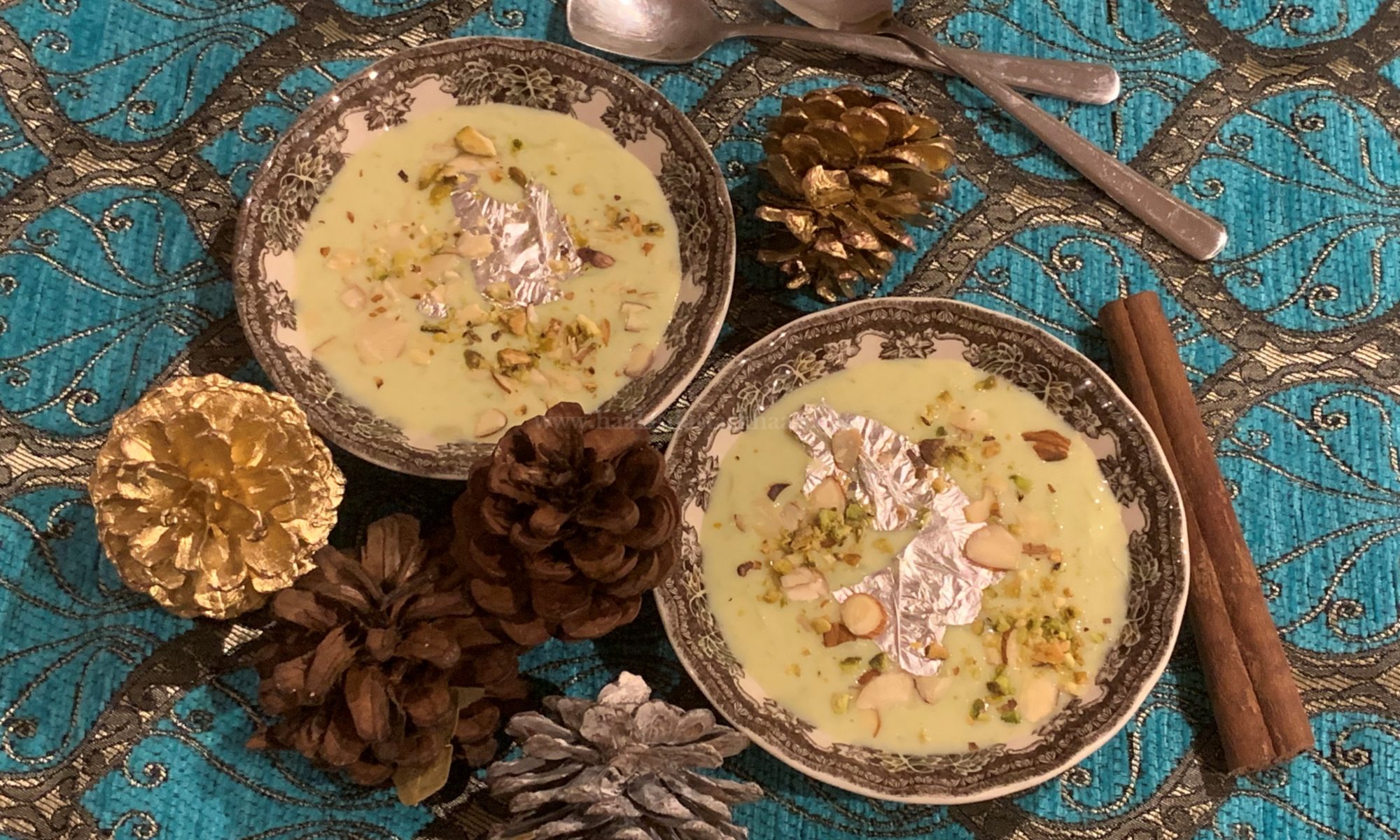
Lauki Ki Kheer

Kheer originated from Mughlai kitchens of India and is an important sweet delicacy for Muslims of India, Pakistan and Bangladesh especially during Eid or any other special celebrations. Other similar dishes like Payasam or Kheer originated in the kitchens of imperial Muslim rulers of India and is an important sweet delicacy for Muslims of India, especially during Eid or any other celebrations. … Other terms like Payasam or Payesh ( are inspired from Kheer and the names have been derived from the Sanskrit word Payasa or Payasam, which also means “milk”.

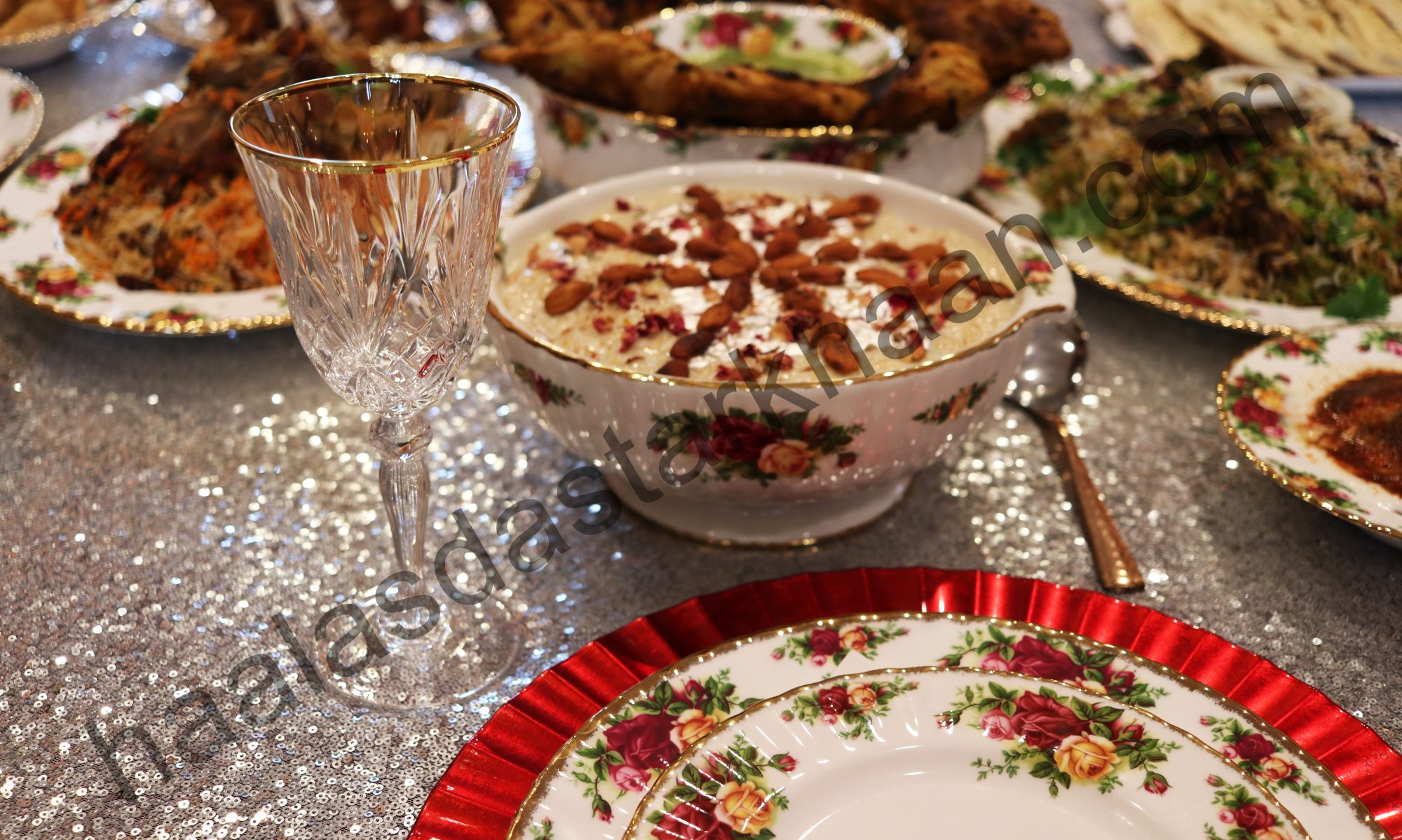
Kheer has been one of my most favorite desserts ever. Every Eid my Mom would make Rice Kheer which I always believed was the best Kheer I have ever had. Muslims know that its a real chaos when you find out around 11 PM that its Eid the next and women in the family have to start preparing. Almost the whole night passes in prepping for the next day and out of all the work, preparing Kheer has always been the most tedious and tiring of all. Probably making a small batch wouldn’t have been painful, but when you have a small close family of close relatives that reaches 100+ plus add up all distant relatives and friends who come over to meet and greet. So, Kheer is something that’s not just popular but also served to everyone, vegetarians and non vegetarians on Eid, so you can’t really afford to run short.

So, learning how to make my basic Kheer came from my mom. Cooking the milk on low to medium heat, stirring it constantly for almost 3 hours, reducing it to half the original quantity is always the basic to any delicious Kheer. But to my despair, Mr. Parveez doesn’t like Rice Kheer much. In fact, he never liked any Kheer when we got together, but with time I got him into loving Sheer Khurma/seviyaan Kheer, but not the rice one.

Anyways, I always hear people talking about Apple Kheer or Potato Kheer but I couldn’t ever get down to trying. Carrot Kheer or Gajrela was my mom’s go to dishes during Ramadan. I never tried finding out the reason why but may be she fely that this was the easiest way to incorporate some veggie and milk into her kids system while we fasted, I guess. So, after me successfully making Lauki ka Halwa, I wanted to try making the Kheer. It came out fabulous and I think for everyone who even doesn’t like Lauki would love it.

Dry Fish Curry

I like Fish, in fact love Fish but, I usually prefer them fried, grilled, baked, but never a curry. I think it might be due to the fact that growing up, my mom wasn’t used to making a variety when it comes to fish curry. My hometown never has more than one kind of fish and of course one way of making it, so there was no way it impressed me.

Every time, we traveled to Delhi or Mumbai, we tried prawns and different fish, fried or grilled, but I still could never bring myself to trying the curry. And, that continued well after Mr. Parveez and I got married. He is a big fan of fish curry and it was clear that I was neither going to share it nor I was good at making it. So, from me never attempting to cook a fish curry to enjoying it has been a long and funny journey.

One day, we happened to be at a fancy restaurant with some friends. The restaurant was popular for its seafood. When asked for their signature dish, they suggested some Dry Anchovy curry. I thought I would just stick to the grilled and fried stuff, but you know when you go out with people and they insist that you try something, and even though you don’t like it, its hard to convince people who are eating something extra ordinarily delicious and believe firmly that it would be a dish loving and flavor changing experience for you, and you just have to take some, and so I did. Trust me, that bite was so good that it changed my idea about fish curry altogether.

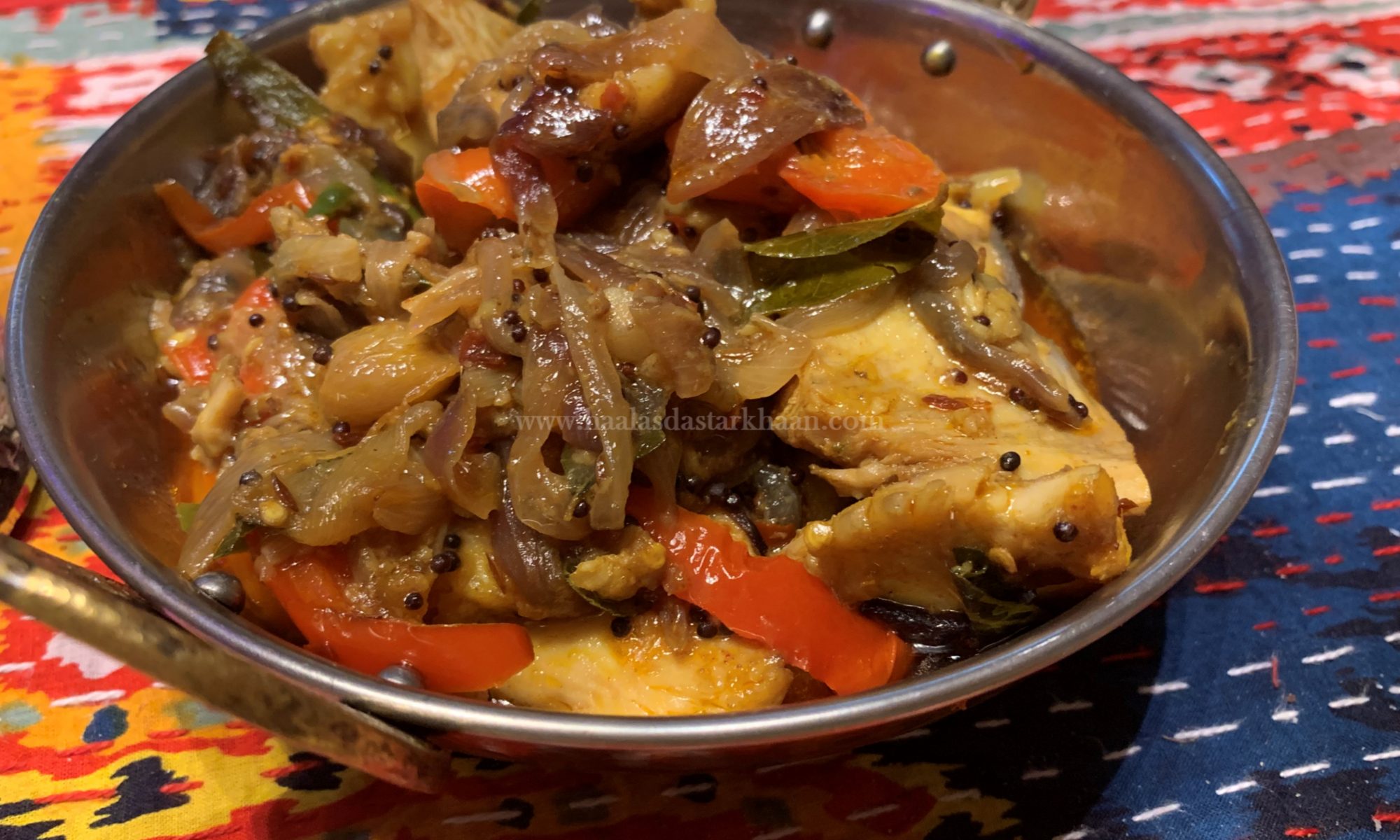
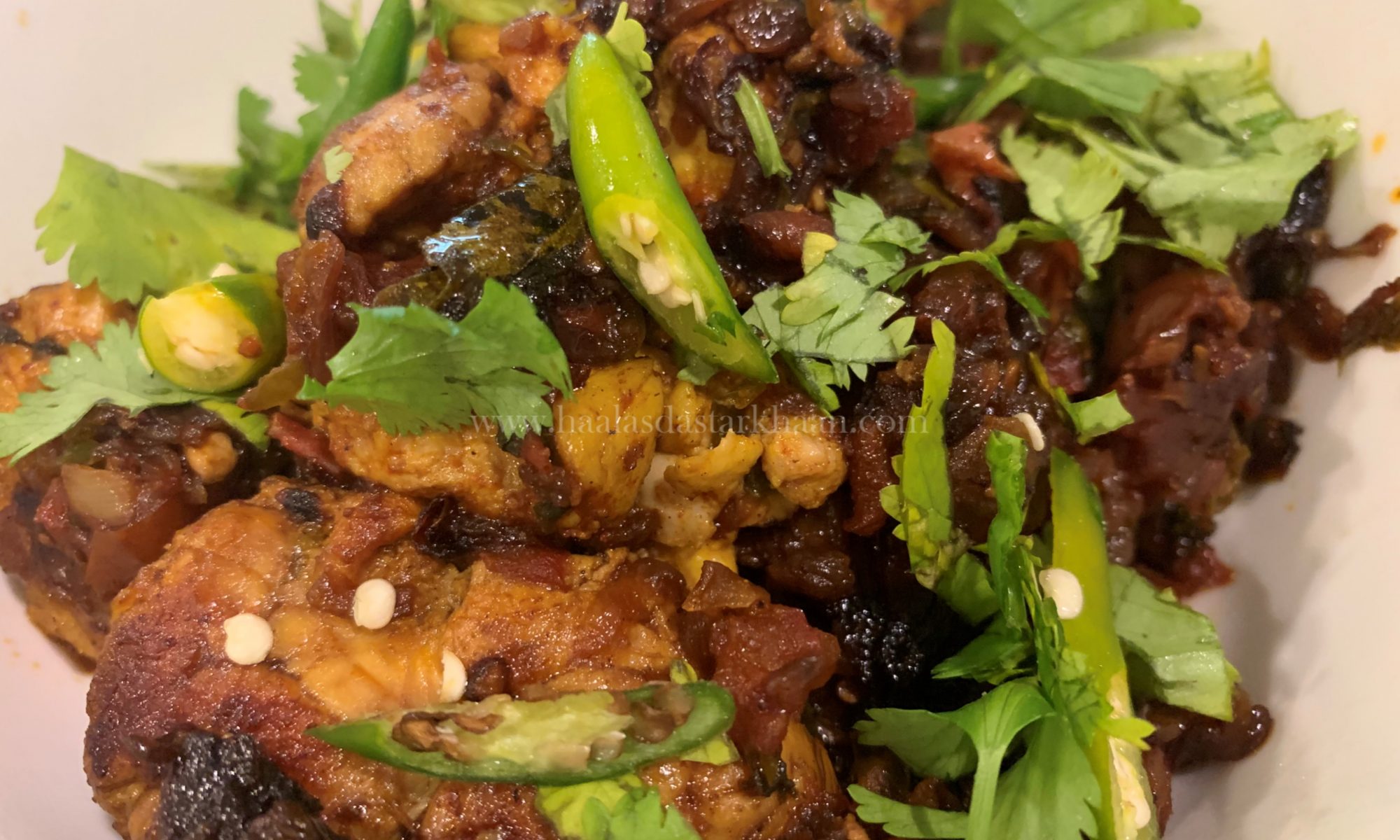
Since then I have started trying making dry fish curries with different fishes mixing in veggies and the outcome has always been lovely. I still haven’t come down to eating the regular fish curry, but its definitely better than before and you never know, a mind blowing fish curry might make me fall in love with fish curry too. This dish is made with Tilapia boneless fillet, but you can even opt for Sea Bass or striped bass. Try and stick to fish fillet and a fish that does not over power the flavor of veggies and blends in well.

Dalia Sooji Laddu

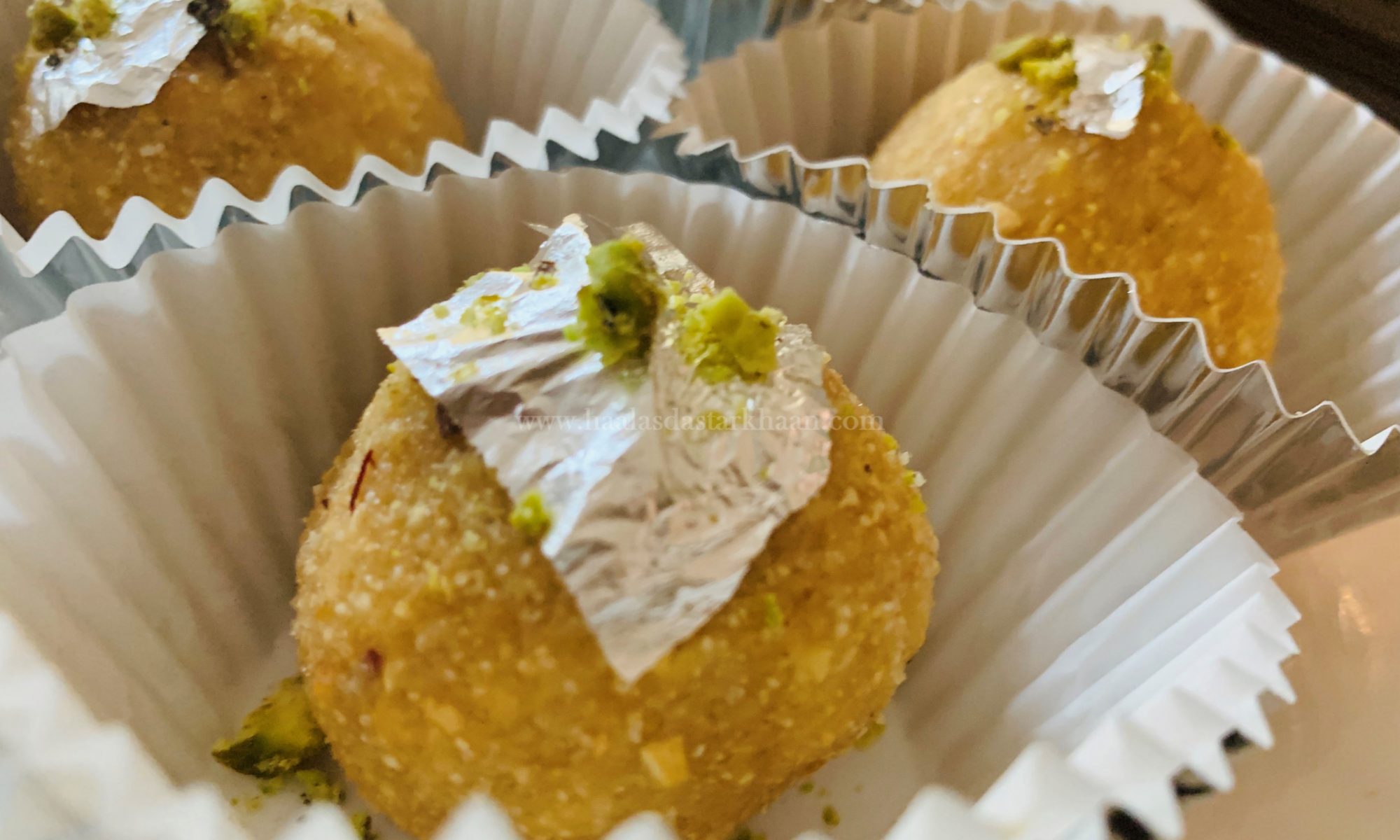
Laddus don’t need an occasion, it just tends to make the day special when you make them. Have you ever noticed the expressions of your little ones running around the kitchen and making excuses to keep tasting the boora while you are still in the middle of making those laddus. The excitement and happiness makes me even happier making these little balls of delight.

I make different kinds of laddus and its always easier to add or change something while you are still making them and that’s the reason I find them an easier sweet dish to experiment with than the other sweets.

This particular recipe is my family favorite. This is made from Chane ka Dalia, which is healthy and tastes super delicious.

Gulab Jamun Sandwich

Gulab Jamun are the “go to” sweet dish for every home in India. Popular, Likeable, or should I say lovable by every soul. And, if you love Gulab Jamuns, then a Gulab Jamun Sandwich just comes in as something fancier and nicer.

Though Gulab Jamuns aren’t referred to as Bengali sweets, but I think the variation has nothing to do with Bengal. Gulab Jamun sandwich is a milk solid based rich sweet from the Indian subcontinent, very popular in India, Nepal, Pakistan. In Maldives they call it Gulab Jaanu Sandwich, and in Bangladesh, its called Gulaab Jaam Sandwich.

It is made mainly from milk solids, traditionally from Khoya, which is milk reduced to the consistency of a soft dough. Mixing in butter, flour, and milk/yogurt with the soft Khoya and form cylindrical balls, deep fry and add them to the sugar syrup. The sugar syrup is made of sugar, water, saffron, cardamom powder and rose water. Modern recipes call for dried/powdered milk instead of Khoya, which is fine as well. The middle part is made of Khoya and granulated sugar. You can always add a few saffron stands and screw pine water for enhancing flavors. It is often garnished with dried nuts such as crushed pistachios and almonds to enhance flavor.

For preparing this it is necessary to give cylindrical shape to  the classic or traditional Gulab Jamun and fill it with extra khoya in between. You don’t really need that little mix pack or run to the store to have these perfect, rich delights at home. Making Gulab Jamun Sandwich at home, with ingredients you will find at home, is pretty easy and not at all time consuming. The only thing you need is a perfect recipe.

Now, if you ever thought Gulab Jamun Sandwich is a gift of India to the world, you are wrong. Gulab Jamuns are actually a gift from the Mughals. All these sweet dishes that used Orange Blossom water or Rose water or screw pine water with saffron are all delicacies that came in from the Middle East and were introduced to Indian cuisine during the Mughal Era.

As the history says, the Gulab Jamuns were first prepared in the era of medieval times in India, derived from a sweet fritter recipe that a Central Asian Turkish invader brought to India. One theory also claims that it was accidentally prepared by the Mughal emperor Shah Jahan’s personal chef. All in all, it is a sweet dish inspired by the Middle east.

The word “Gulab” is derived from the Persian words gul, which means flower and āb, means water, referring to the rose water-scented syrup. Jamun is also defined as a fried delicacy in dipped in sugar syrup. A middle eastern dessert Luqmat al-qadi is very similar to gulab jamun, though it uses a different batter. Gulaab jamun Sandwich must be a variation tried by the Mughal Emperors as well, since the era has its own tales of rich food, made from Milk, saffron and dry fruits. And, I believe if a community can make use of milk solids to cook their non vegetarian dishes, they can definitely do a lot with their vegetarian sweet dish.

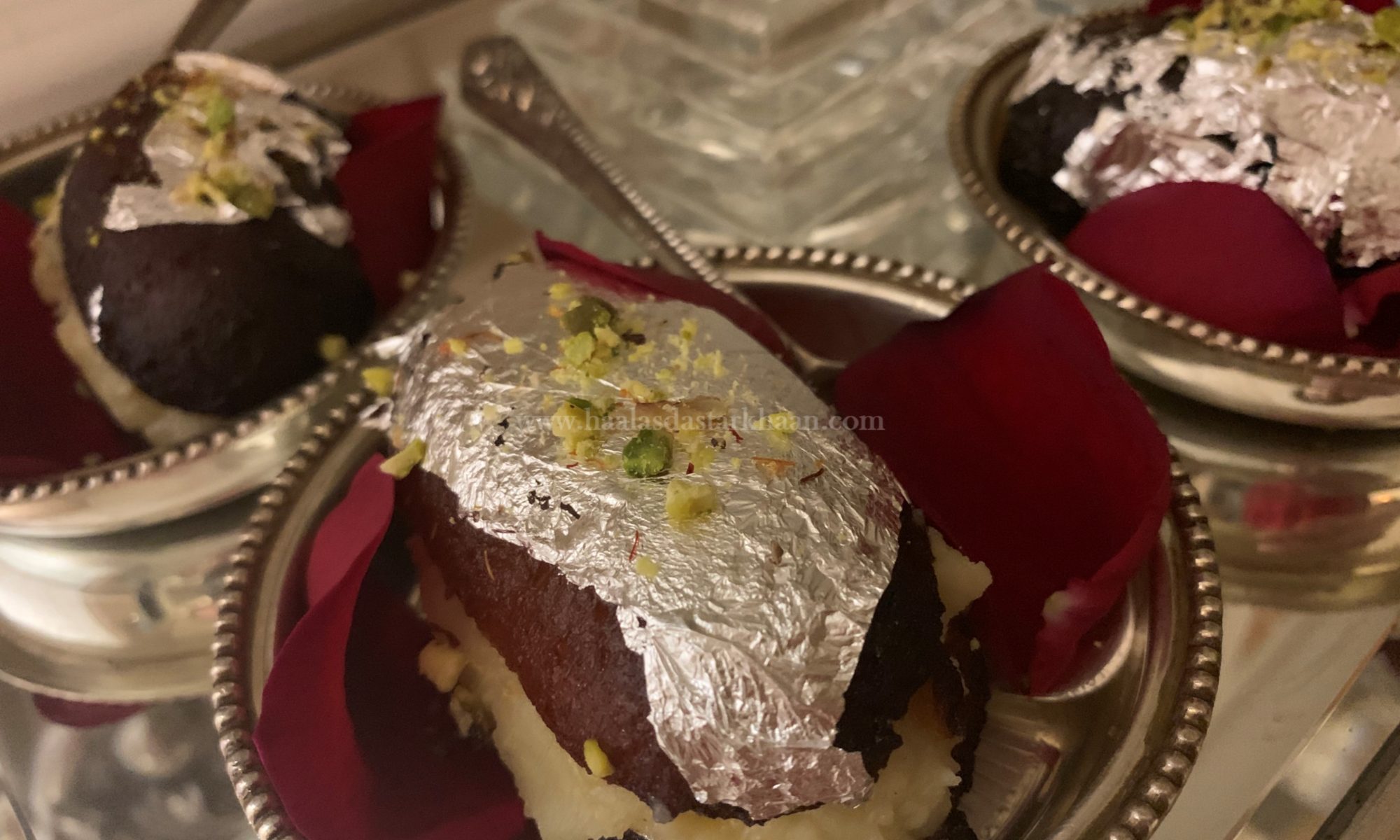
These outstanding Gulab Jamun Sandwich have a remarkable depth of taste and texture, achieved very carefully combining few ingredients to form cylindrical balls. Fry them slowly in ghee or oil, further soak them in syrup, Cut them from the middle and fill the middle part with Khoya filling. Decorate with a silver leaf and crushed nuts. Serve and amaze. With such detailed recipe, its hard to go wrong.

Chicken Tandoori Flat Bread

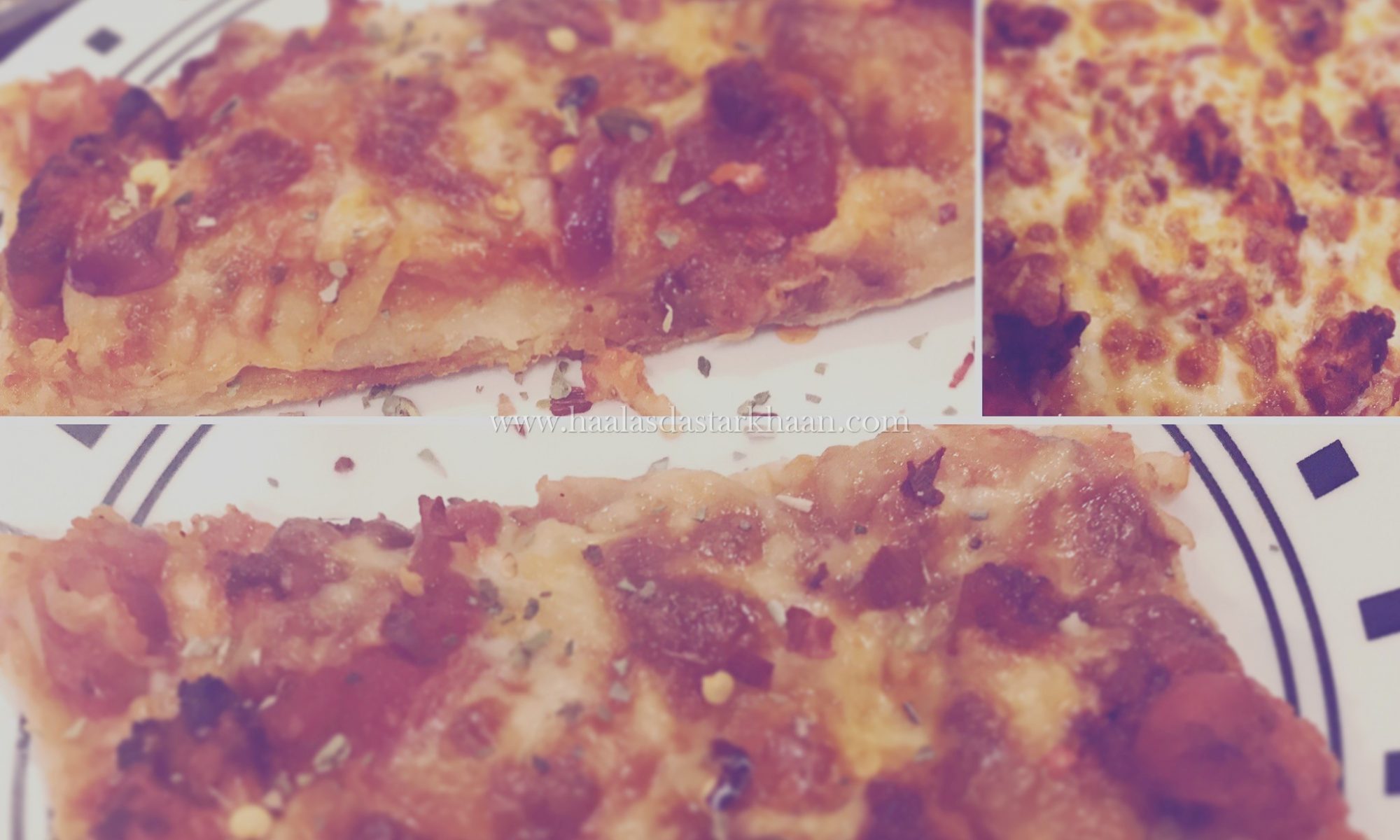
Who doesn’t love Pizza? We all have a heart that has a special place for Pizza, no matter the changes it brings to the scale…LOLzzz. Flat breads are the new in thing, more like thin slices of thin crust pizza. I kind of prefer it to the regular pizza, since flat breads generally are lighter in cheese and usually a little extra sauce which to me is always a little better. Flat breads usually also have a little sprinkled dry Parmesan cheese on it and it makes it look different from pizza and if you are not a very big cheese fan like me, you will definitely like the taste of dry cheese powder. Sprinkling a little dry oregano or chili flakes also enhances the flavor.

Now coming back to this experiment, we love tandoori chicken and I always try to make my pizza with an Indian touch. There is always so many real flavors of pizza and flat breads available at restaurant and I think if you try and make the same thing at home, it beats the purpose of us going out to eat. So, when trying something at home, I always try to make it different from what we get outside. It could be a little different or more different depending on what you are making, but if its made at home try to add your flavor to make it unique.

So, to make this recipe, you will need around 2 cups of tandoori chicken. I made mine fresh, but leftovers from dinner should also be fine. You can always feel free to make tandoori chicken any style you like or can follow my Chicken Tandoori recipe.

This flat bread can have Paneer or Tofu as well, if you want to have it as a vegetarian option. You can always marinate them with tandoori flavors and make it the same way.

Chicken Hero Sandwich

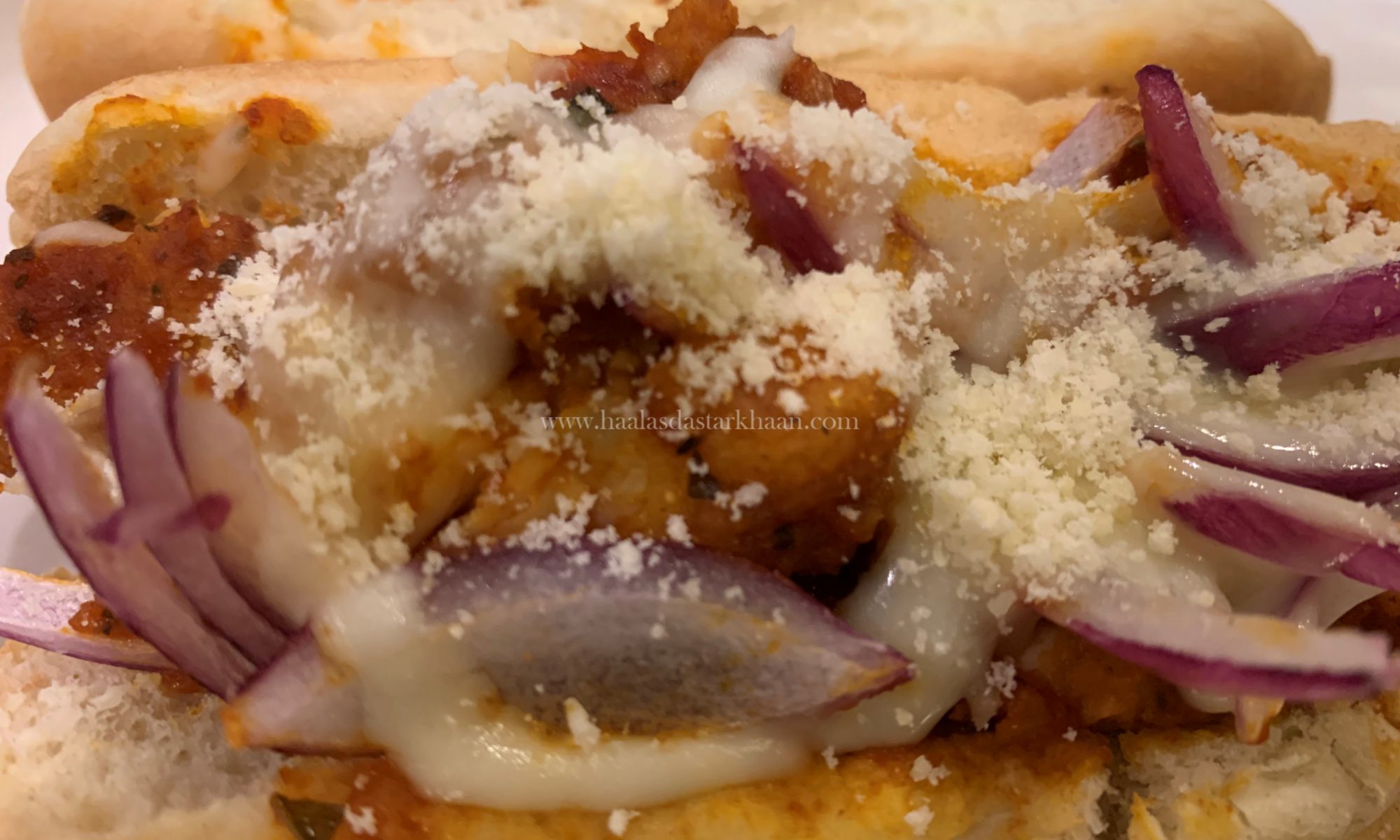
This sandwich is a popular Italian-American fast food. Its not one of those signature Italian dishes like a bowl of pasta, but more of the Americanized Italian dish, which is basically a combination of fried chicken with spiced up marinara sauce, cheesed up between a Hot dog bun or sliced baguette. Adding a few sliced onions is always great, but its a personal preference.

Now, we cannot eat chicken outside and every time I went for a Hero Sandwich, it was always with shrimp and I was always curious of how amazing the chicken one would taste. So, when I thought I hacked the taste and could make my own, I decided to try them with chicken.

Marinating the chicken with eggs and milk, make it stay moist and adds a little tangy flavor because of the lemon. That ways when you coat the chicken and fry it, the chicken inside isn’t bland, tasteless and dry.

The chicken after frying can be mixed in with the marinara to make it juicy and increase the flavor. Chicken once cooked this way can also be served with pasta, but since I am a big fan of sandwich and its always easier for my kids to eat a sandwich, I usually prefer it this way.

Making of Marinara sauce at home is pretty simple too. Being from India, I tend to make my marinara sauce a little spicier, but you can always turn it down if you are following my recipe for making marinara sauce at home. Secondly, a store bought marinara sauce is equally good, all you need to do is add a little onion powder and garlic powder to it, and if daring enough, a few chili flakes.

This recipe is great for kids lunch boxes and makes a great weekend lunch/brunch too. Hope you enjoy the recipe as much as I do.

Chane ki Daal ka Meetha

This is the first sweet dish that I made from my Sasuraal side. Coming from Rajasthan, I was in love with Moong ki daal ka Halwa and when I heard about Chane ki daal ka Halwa, I was super excited and loved the taste when I tried it. Once we moved to USA, I started trying to make it on home.

The first try was something I did by myself, without asking my Mother in law for the recipe, but for some reason it wasn’t as good as what we had eaten and neither me, nor Mr. Parveez was able to figure out what went wrong or what was missing. And, that’s when my Mother in law came to the rescue. I spoke to her over the phone, giving her details about how I tried making the “meetha” and that I didn’t understand what went wrong. She patiently explained the over all recipe and the “magic ingredient” that I missed was Cinnamon and cloves.

Little did I think that Cinnamon and clove make so much difference to this Halwa. I could never imagine adding these 2 ingredients will actually add so much flavor and fragrance to this sweet.

This sweet dish is one of the easiest sweets I have ever made and it has always impressed everyone. The best part that I like about this sweet dish that, it’s mistake proof. Having said that, I mean that there is no mistake that you make while cooking this, that cannot be fixed and that too easily. So, if you are new at making Indian sweet dishes, this is your go to dish. It’s great for beginners and also great if you have to make something in a jiffy.

Bheja Fry

This dish is Brain Fry, made from Goat or lamb brain. Being from the Muslim community, I have never known a family who does not make this at home, though the opinion of people differ. People like us are big fans and love it each time its cooked, but then I have my kids, who never enjoyed the texture and taste and no matter how much I tried convincing them, it never worked till now. Keeping my fingers crossed that someday they would like it.

Now, brain fry is very popular in traditional dish and is made in restaurants that serve traditional Muslim food and you will never find it on the menu of all restaurants. This dish is popularly served for breakfast with parantha, along side with paaya curry or even on its own. If you ever want to try this dish, I would recommend you to either try it in Muslim home or if you happen to be in a city in India, popular for their Muslim food, like Delhi, Bangalore and Mumbai, do try them in the high populated Muslim areas.

This dish is made in a very traditional style. Though its super easy to make, the brain is a little fragile so you cannot cook it the way we cook traditional chicken or meat. Being fragile, you have to make sure you cook it carefully. Turn around carefully specially when you mix it with the masala in the end.