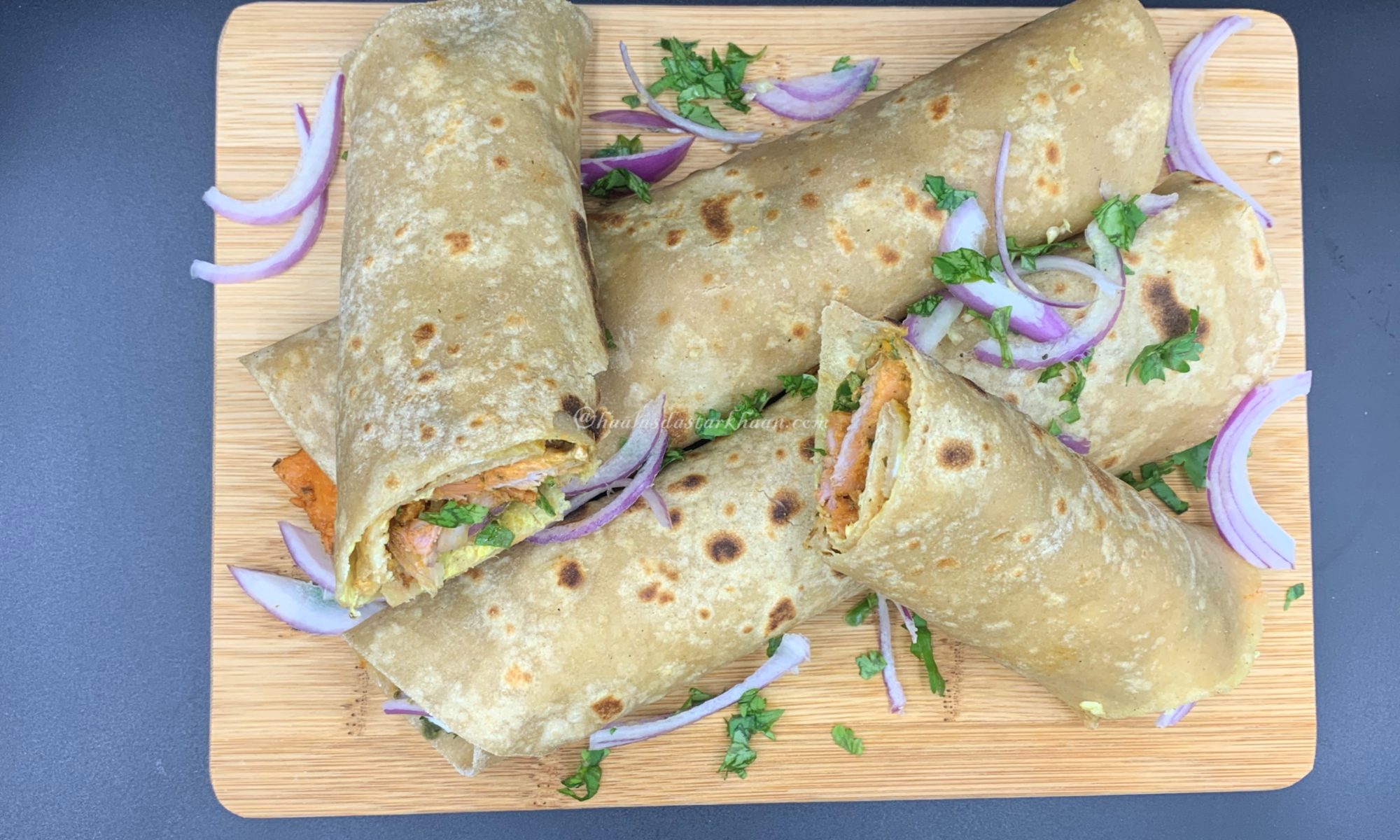
Kolkata Chicken Roll

We love Chicken rolls. Those of you who read my blog and follow my recipes would know that I love different styles of Chicken wraps, be it a Chicken Roll or Burrito or Tacos. I think the love for Chicken rolls came from my Mom. During one of her trips to Mumbai, she had tried some Mutton Tikka boti rolls at a Parsi eatery and tried reinventing them at home which is actually loved by the whole family.

So, when I came across a wonderful pictures of Kolkata Chicken Roll, I had to give it a try. The flavor of Kolkata roll is not just different, it actually bombards your taste buds with a joy ride of different things. From what I have read, its pretty renowned and a popular street food in Kolkata. Though I have never been to Kolkata, there is something about the food and culture that connects me to it and I find it amazingly attractive. Recipes like this are so easy and fuss free that while it connects you to your roots, which is just so important for people like me who live so far off from their home country, but also makes it easy for your kids to eat. Its healthy, nutritious and perfect for on the go too.

I grew up eating and loving my mother Tikka Boti Roll, which she initially only made with meat but then also started making with Chicken and I loved both. I have always been a fan of being able to make something that was good for road trips. See, some trips allow you to stop by at hotels on the way, but not all and for those trips or those after game hunger pangs while you might be stuck in heavy traffic, these are the recipes that just don’t come handy but also are flavorfully satisfying.

I marinated the Boneless Chicken with Salt, Ginger garlic paste, Lemon Juice and Yogurt. Spices I used were Fenugreek leaves, Tandoori powder, Red chili powder, cumin powder and fennel powder. Chicken can be marinated and left in the refrigerator overnight but if you are short on time, it can also be marinated for 30-45 minutes.

This recipe might not be exactly same as what you might have experienced in Kolkata, if you have been lucky enough to try the street food there, but after the numerous trials and efforts made by me and going through uncountable recipes of different kinds, I managed to stick to this one for the Kolkata Chicken rolls. I am not too sure how the Chicken rolls are different from the Kolkata egg rolls, but my mom would always spread some egg was on the Roti and fry it for the Tikka Boti so I did the same thing for my recipe and I feel the taste is deliciously enhanced. This recipe is inspired by numerous flavors that I have tried all my life and I feel with the numerous trials that I have made, I am able to give this dish a flavor different from my regular Chicken rolls. Hope you try it, like it and enjoy it as much as my family and I do.  

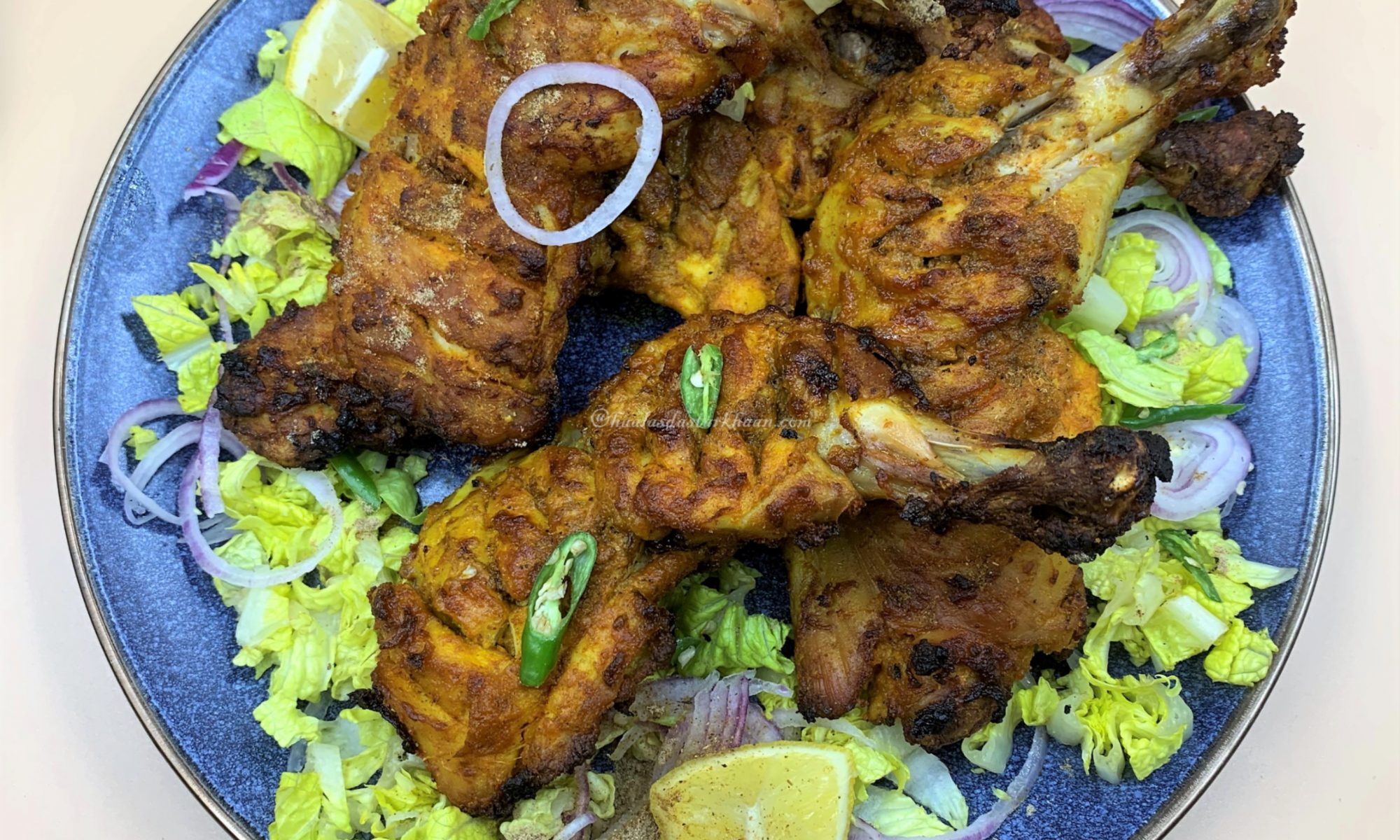
Murgh Darbari Tangdi Kebab

As the name suggests, this recipe is from the era of Mughals and I believe must have been a favorite of Mughal Emperor, Shehenshah Akbar. Going through history, its amazing to read of how different ingredients were introduced at different times. Like spices or khada Masala, like cinnamon, bay leaves or cardamoms and cloves were never a part of the Indian cuisine and were brought in by the Mughals when they migrated to India. I believe there has been no other clan unlike the Mughals who not only brought in so much with them but also adapted the cultures of India and settled with the people and built families.

Where the spices were brought in by the Mughals, India already had food enhancing flavors like Turmeric, red chilies, coriander etc. Mixed together, the food that came out was super amazing like this kebab or a lot of Biryanis that I share on this website.

The super amazing cuisines that we taste at so many restaurants today have been fusion dishes of the old era which apparently weren’t recorded under the term “fusion”. The acceptance of a culture, embracing the traditions, values and flavors and giving the best of what we have does not only result in super new flavors but also becomes a part of our cuisines for the coming generations . For me reading history about a dish is as fascinating as trying to cook a dish.

This recipe of chicken kebabs comes from the era of Mughals. I know, most all kebabs do. Kebabs are a gift to the food world by the Middle East. The variety, the flavors and the fact that they are grilled in different ways can leave your taste buds joyful and crave for more.

I believe for a fact that when the Mongolians and the Persians rulers came to India, it wasn’t an invasion. I know during that era it does look like an invasion because all the wars were for power and land and the greed to appear mightier and stronger than other rulers always seemed to drive warriors crazy where they seemed to be baffled by the prosperity of the neighboring kingdoms and invasion seemed to be the only way to satisfy your hunger for more.  But, leaving all that aside, the Mughals brought in a lot of architectural science, spices and methods of cooking. They came to settle and make India more diverse and that’s what I fail to see in Indian news today.

I am proud to be an Indian, a country where friendship and mutual respect comes much before religion. Where Eid is celebrated with as much love as Diwali. Where Hindus are always at your house on Eid to taste awesome Biryani and your mom makes sure she cooks vegetarian food separately for your 2 vegetarian friends. Where stories of Jodha Akbar is less of Akbar, the Emperor who invaded India and more of the love between a Mughal Emperor and a Rajput Queen. India a country, that proves its a place accepting all religions and stands tall with its cultural heritage. With all that, food plays a very important role. The spices like cinnamon, cloves, cardamom and saffron changed the complete look of flavors and when mixed with Indian chilies, the result was food from Paradise.

This recipe goes back to the era of Akbar and Jodha. The story suggests that Emperor Akbar had a great taste in food and his Kitchens had the most exclusive dishes made, vegetarian and Non vegetarian. Queen Jodha also seemed to have a great interest in cooking the best dishes and made sure that the chefs prepare dishes according to his taste. This recipe comes in as one of his favorites.

Now, with the history books I read, I do get an idea of the ingredients but they aren’t a 100% of what were used in the original recipe. Therefore, these recipes are mine but they should be close to what the original food must have tasted. Each recipe that I share can have common ingredients, but they are completely different for each other. The only way you can find out is by trying. Hope you enjoy these Kebabs as much as I did.

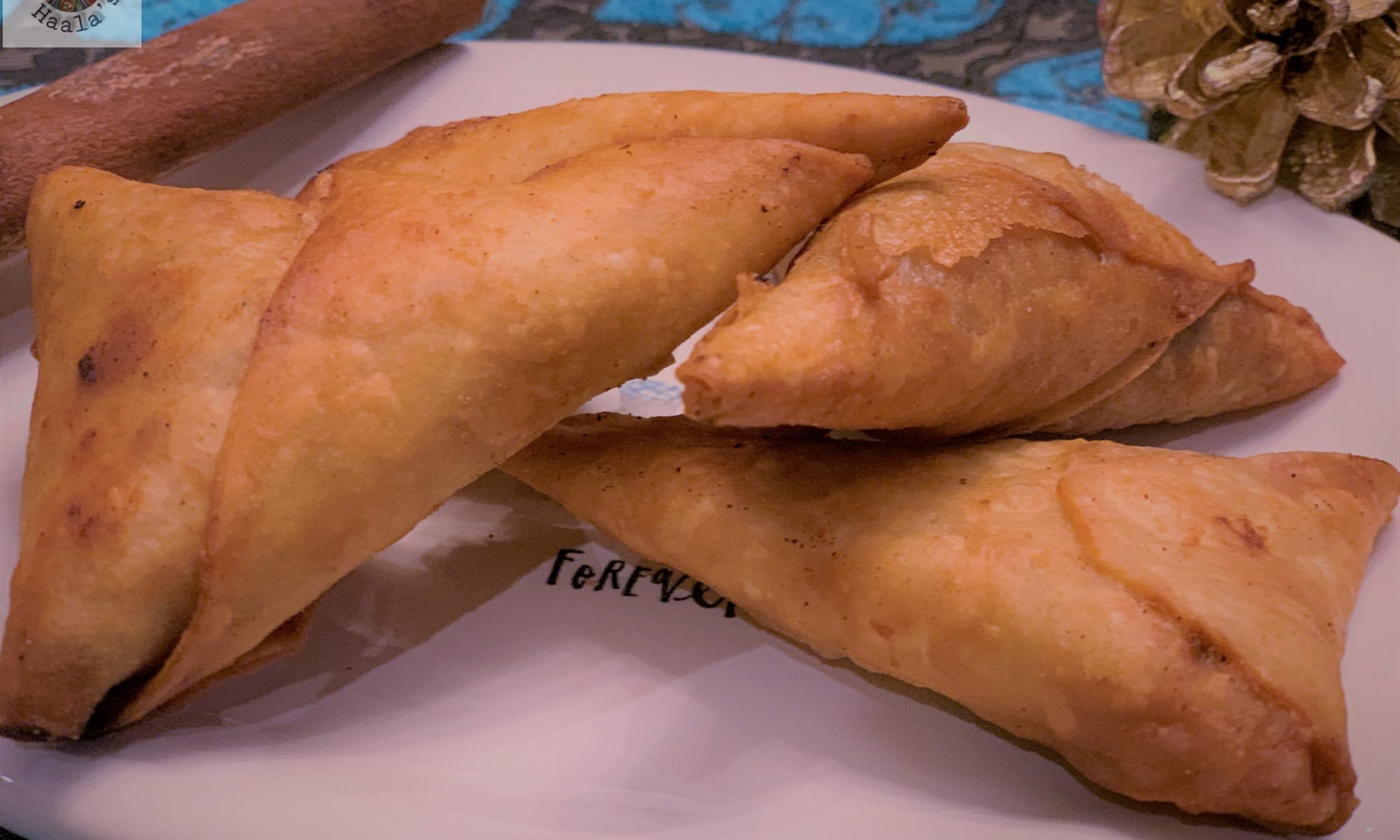
Pyaaz Ke Samose

I am from Rajasthan and I grew up eating Samosa. I always loved the potato samosa or Aaloo ke samose. Different samosa shops had completely different flavors, loved some, hated some but the outer crust was always enjoyed. In fact, for a very long time I only enjoyed the outer crust of the samosas and only loved the Kheema samosas made by my mom. I just never enjoyed any samosa filling when the filling did not have much spice or if it tasted bland. Later while trying different Samosas, I realized that the spicy ones were always what I loved.

After I got married, during one Ramadan in Bangalore, we tried the Ramadan special Onion Samosa or Pyaaz ke Samose and just loved them. The funny thing is that people feel that Ramadan for Muslims is only about Non vegetarian food which isn’t true. We have a mix of vegetarian and Non vegetarian foods during Ramadan and we enjoy it all. These samosas are only made during Ramadan, thought there are a few Muslim shops who make them besides Ramadan too, but trust me the flavor that the month of Ramadan has in special foods is not something we get during other times.

Now since we don’t get these samosas here, I decided to make them at home and a few trials and errors and they came out just the way we like them. If you like onions samosa and like to make them at home, Please do try these out. Hope you enjoy them just like we do.

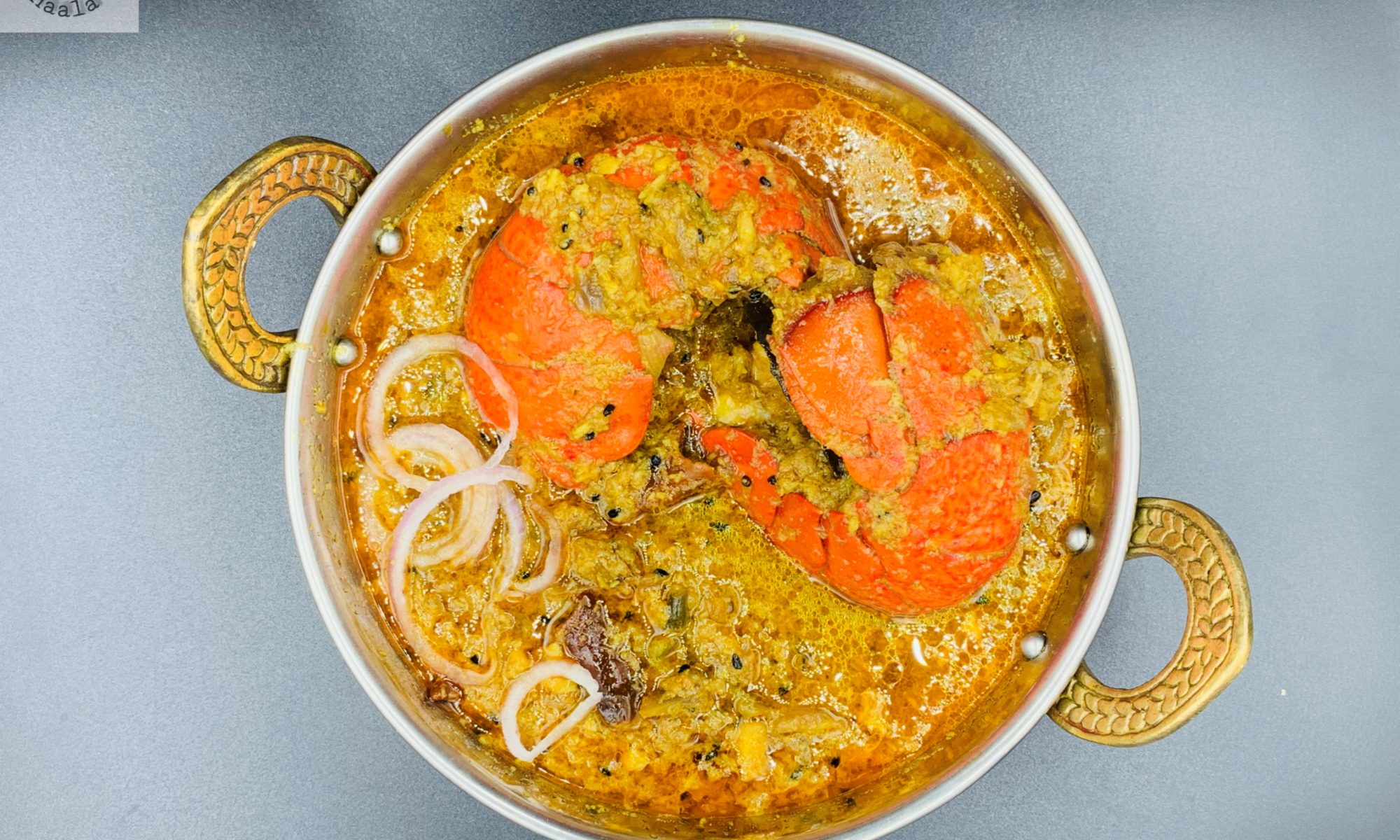
Lobster Curry

My love for Lobster Curry began in 2012, during our first visit to Kerala. We stayed on a houseboat in Alleppey, surrounded by the serene backwaters and blessed with the most perfect weather. It was around Christmas time — truly the best season to visit Kerala. During our stay, our hosts served an array of traditional Kerala dishes, especially seafood prepared in rich, aromatic coconut gravies. That’s where I tasted Lobster Curry for the very first time which I loved — and it was pure magic.

I had tried Lobsters before at several seafood restaurants, but they were always mildly cooked and flavored with nothing more than garlic and salt. The Lobster Curry in Kerala, however, was beyond my expectations — rich, flavorful, and absolutely unforgettable. The houseboat had three men who managed everything — from cooking to cleaning and maintenance — and they did it all with such warmth and care. Our time there remains one of the best vacations we’ve ever had. The weather, the calm of the backwaters, the walks surrounded by lush greenery, and the incredible hospitality made every moment truly memorable.

After tasting that unforgettable Lobster Curry, I just had to ask for the recipe — and our gracious host gladly shared it with me. Though the recipe was more of a rough guide than exact measurements, it was enough for me to understand the essence and recreate this wonderfully delicious dish back home.

The original recipe was cooked in coconut oil, but I made mine using olive oil since I don’t usually cook with coconut oil. I honestly don’t think it changes the flavor too much — it just makes the dish a little less “coconuty.” Since I still add coconut milk, the curry retains that perfect balance and richness that complements the rest of the ingredients beautifully. I did make a few other changes too, so I can’t really call this an authentic Kerala dish anymore — it’s more of my inspired version of it.

When I order lobsters for home delivery—which is, of course, the preferred option these days—I clean them myself. But if you’re picking fresh ones at a fish market, you can always ask them to crack the claws and cut the lobsters in half for you. I usually parboil the lobsters with a little turmeric powder and salt; it helps get rid of any musky smell.

To make the curry, I start by heating oil and adding black seeds (kalonji) and curry leaves, followed by finely chopped onions. Once the onions turn soft and transparent, I add ginger-garlic paste along with all the spices and some fennel powder. I find fennel powder brings a lovely freshness, especially to seafood dishes. Next, I pour in the coconut milk—or coconut purée—and tomato purée, stirring until everything blends together beautifully. Finally, I add the lobsters and let them simmer gently for about 10–12 minutes, until the curry thickens and the flavors come together perfectly.

The Lobster Curry might look complicated, but honestly, it takes less time to prepare than a regular chicken curry—and it looks absolutely stunning on the dining table. The best part is that this same recipe works wonderfully with crab too; just substitute the lobster for crab, and you’re good to go. I truly hope you enjoy cooking this dish and love it as much as my family and I do!

Khatte Baingan

Biryani is a dish loved by everyone. With countries like India, Pakistan and Bangladesh where Biryanis are so popular and makes it to the menu of all special occasions. Biryani has a huge variety of accompaniments, like Baghare Baingan, Dalcha, Raita, Chutney, Mirch ka Salan and Khatte Baingan.

Deciding on an accompaniment with Biryani also requires a few skills. As much as people think that all Biryanis are more or less the same and a basic raita fulfills the purpose of serving on the side with Biryani, its not really true. If your Biryani is not too spicy, you should make Mirch ka Salan or Baghare Baingan. If its super spicy, making Khatte Baingan or Dalcha mellows it down a little. Raita goes along with any Biryani that’s spicy or simple.

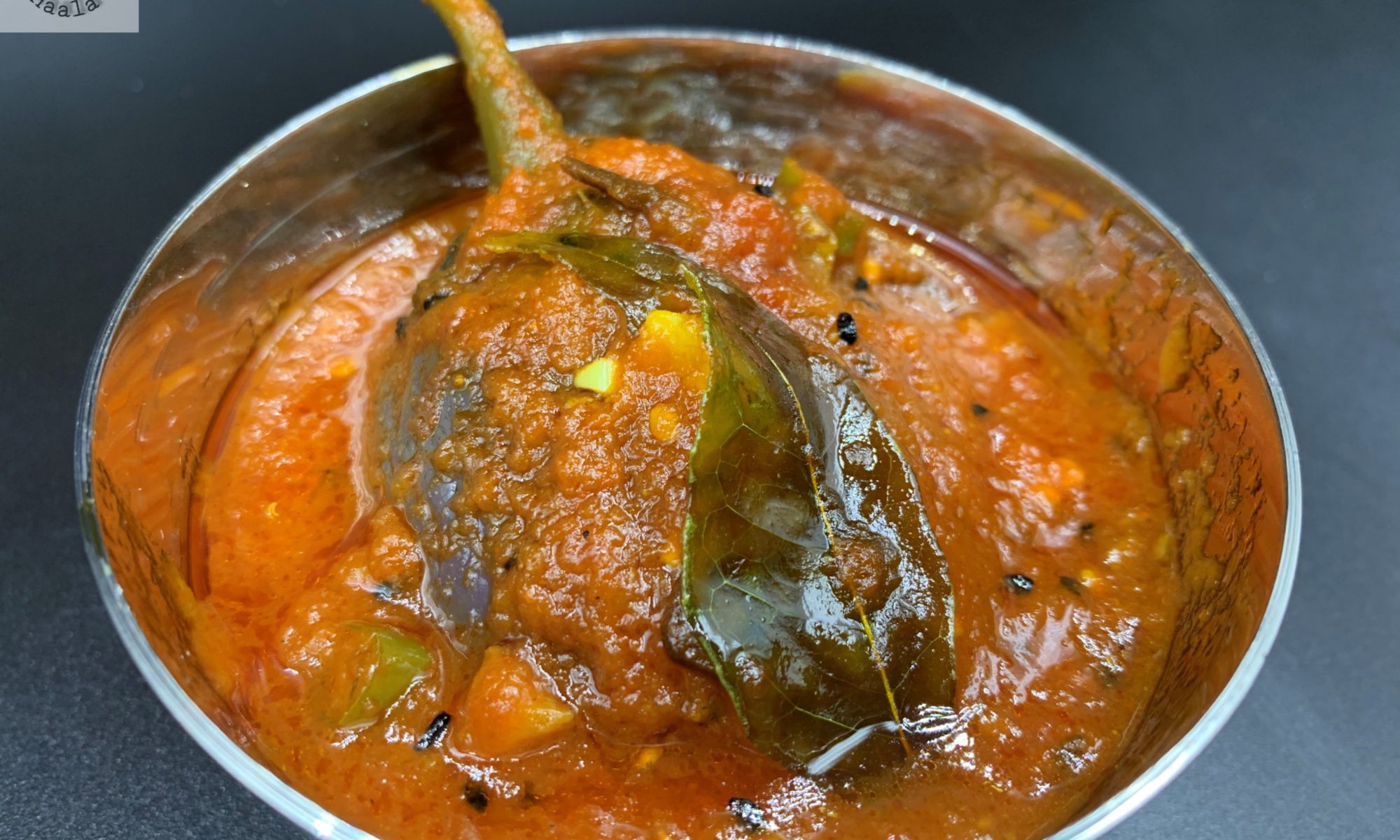
The recipe is simple and made with very little oil. A lot of people fry their eggplants to cook them, but I choose to boil them. Boiling them ensures that they are completely cooked and eggplants have a tendency to absorb too much oil so, this way it doesn’t get too oily. Once eggplants are boiled, add oil to a pan, add Black seeds and curry leaves. Further add a little ginger garlic paste with Turmeric Powder and red chili powder. Add tomato puree, ketchup and green chilies. The ketchup adds color along with a sweet and sour taste making the eggplants taste great.

These Khatte baingan are very easy to make and are loved by everyone, even people who usually aren’t a big fan of eggplants. This goes well with Biryanis that aren’t super spicy. Simple Biryanis like Mughlai Biryani or Thalassery biryani go really well with Khatte Baingan.

Murgh Hyderabadi Biryani

Hyderabad has numerous varieties especially when it comes to Biryanis. I have tried making a wide range of different styles of Hyderabadi Biryanis. Each one has its own distinct flavor and ingredients. I always love how beautifully the heritage of Nizams is displayed in Hyderabadi food.

The dishes are not just rich in ingredients but also the recipes show how rich the food culture has been with the Nizams. We always hear stories of how generous the Nizams were when it came to entertaining and welcoming their guests. How lavish their Dastarkhaan or tables were. The curries, Haleem, so many varieties of sweet dishes that are served with oodles of dry fruits and cooked in clarified Butter are evidence of how much effort the Nizams made their Khansamas/chefs put into food.

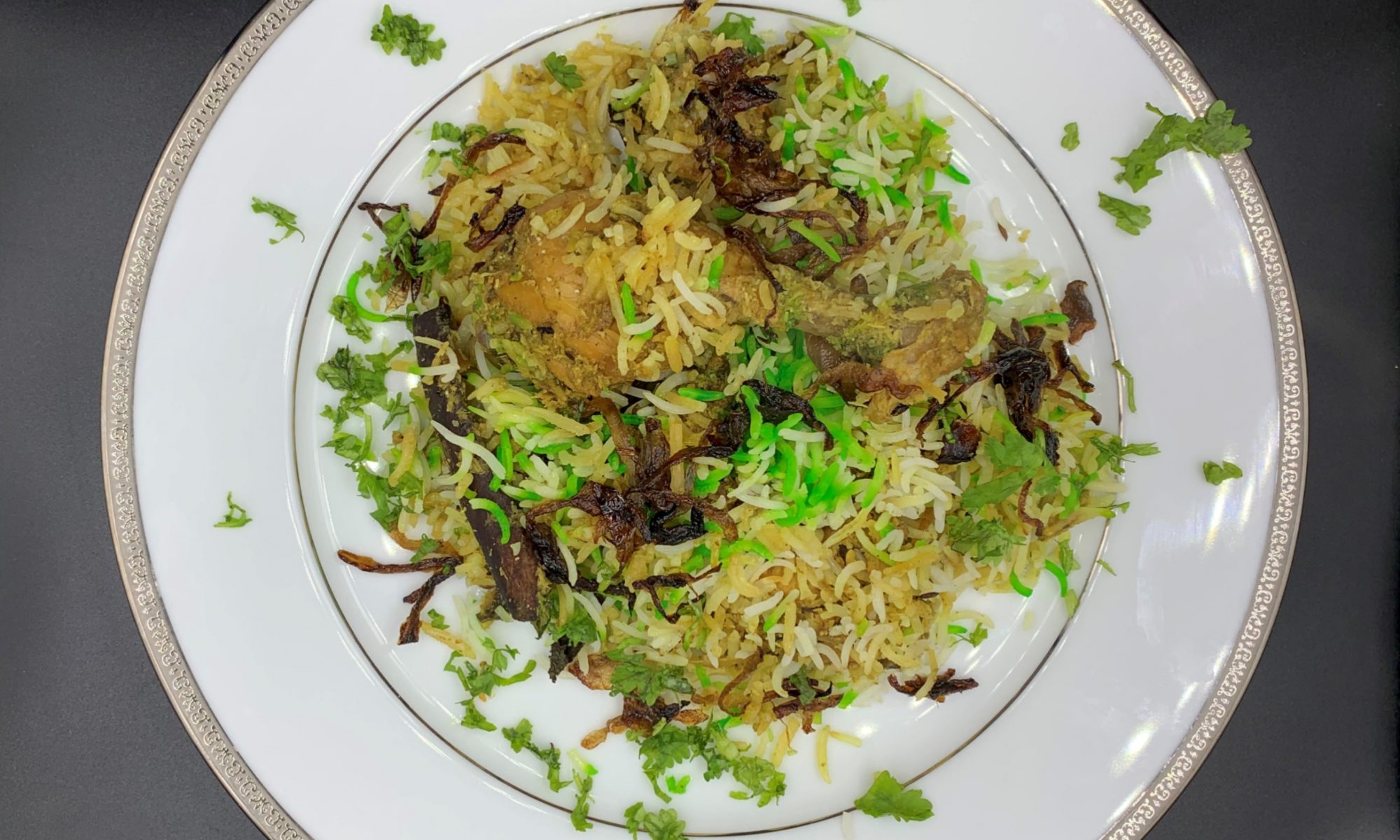
The Nizams were very influential. The history showcases the rich taste not just in Gems and Jewelry, but also in food. The use of Milk solids, Ghee, Dry fruits of different kinds is pretty common in most dishes. This dish has a paste of poppy seeds, cashews and coconut. Though the spice level isn’t too high, the Biryani uses a paste of green chilies and you can always increase the green chilies if you wish to make it spicier. Using Kewra with food color makes the Biryani smell rich and inviting as well. Besides that the Biryani is pretty easy to make. This dish is great for Beginners too. Enjoy!!!

Mutton Ghee Roast

With the wide variety of Kebabs that we make, we love kebabs made from meat the most. I love the way meat Kebabs are always so juicy and tender and absorb all the flavors so naturally. The texture of meat and the spices blend in so well together. I am sure if you look into details of cooking that when it comes to Kebabs, meat Kebabs definitely make to the top of the list. I have heard a lot of people liking Beef too, but since I have never cooked or consumed beef, I don’t really have an idea. But I do think that since Beef has a lot of fat, cooking with its own fat must be adding more flavor to it.

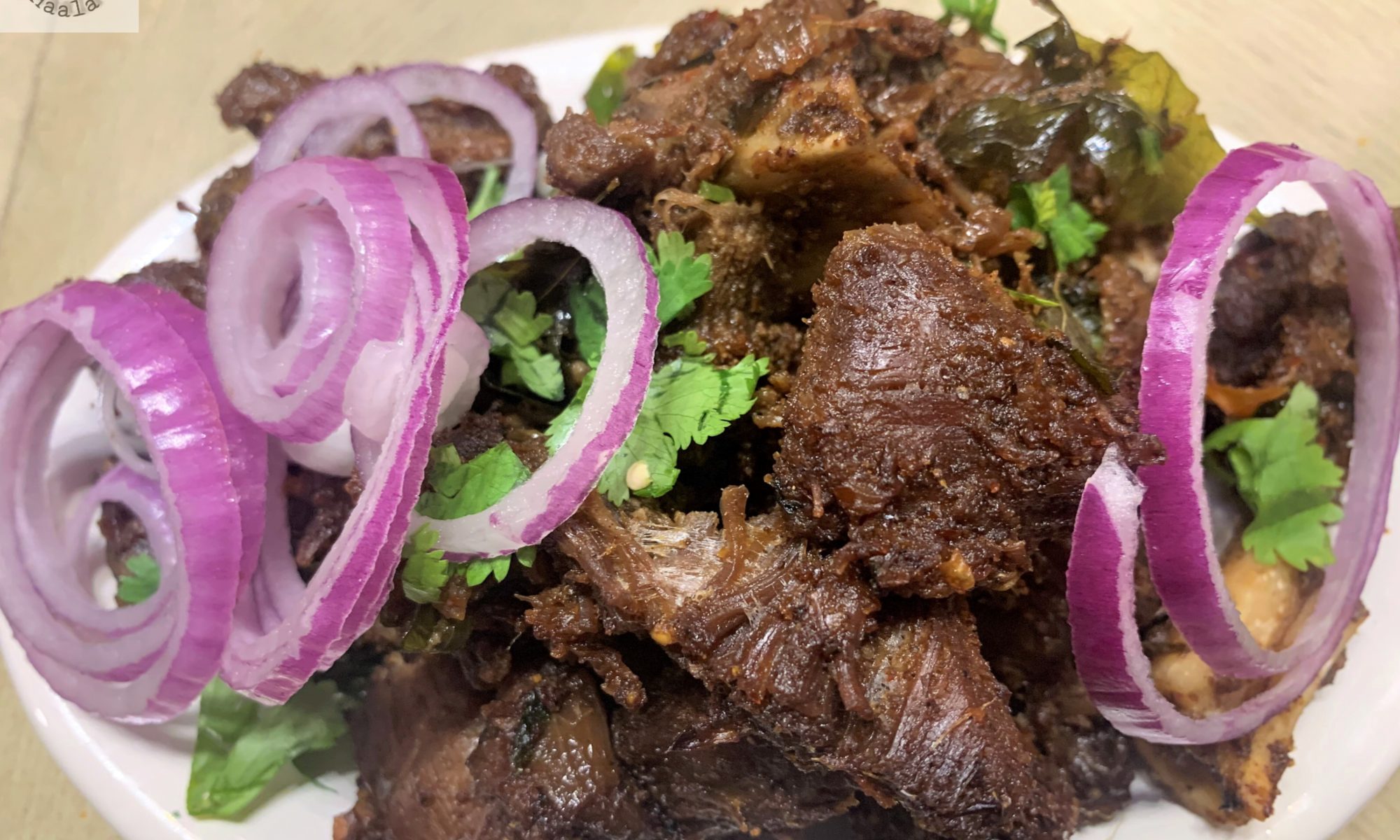
Coming back to Ghee Roast. I came across some cuisine where they mentioned the dish and showed how the meat is boiled till it’s cooked. after roasting the whole masalas, they are ground to a powder, and then the meat is cooked in ghee with spice powder, onions, curry leaves, and green chilies. This dish is pretty easy to make and makes it to my top ten list of easy and flavorful kebabs.

The best thing about these kebabs is that they can be partly premade a few days in advance as well. You can boil the mutton a few days in advance and refrigerate or freeze it, depending on how many days you want to use it. Similarly, you can always dry roast the whole masala and grind them and store them in a dry and airtight container. These kebabs are juicy, moist, flavorful, and go really well as a side dish or by itself. If you are a fan of meat kebabs, you will love the scrumptious chunks of flavorful meat. Enjoy!!!

Hyderabadi Chicken 65

Chicken Kebabs are an all time wanted and favorite for everyone. Chicken Kebabs go so well with Daal Chawal as a side dish and even by themselves. I love making Chicken Kebabs for my get together with friends as well. People always feel that you cannot experiment much with Chicken Kebabs at home, where as experimenting with different Kebab flavors at home is the best thing to do.

The basic thumb rule is follow the fragrance and the flavor. If there are spices that go well together and there are spices that don’t go too well. Spices like Black pepper is something that you need to add little at a time, since if its too much the dish tends to get bitter. If you need to enhance the flavor of Black pepper in your dish, its always better to add less of Black pepper and more of White Pepper to balance the pepper taste. Adding Tandoori masala gives a lot of kick to Red chili powder and makes kebabs more flavorful. You can always use citric acid in place of Vinegar or Lemon juice. Adding Flour with Rice flour and Corn starch Powder will add a lot of crunch to your kebabs if you are frying them.

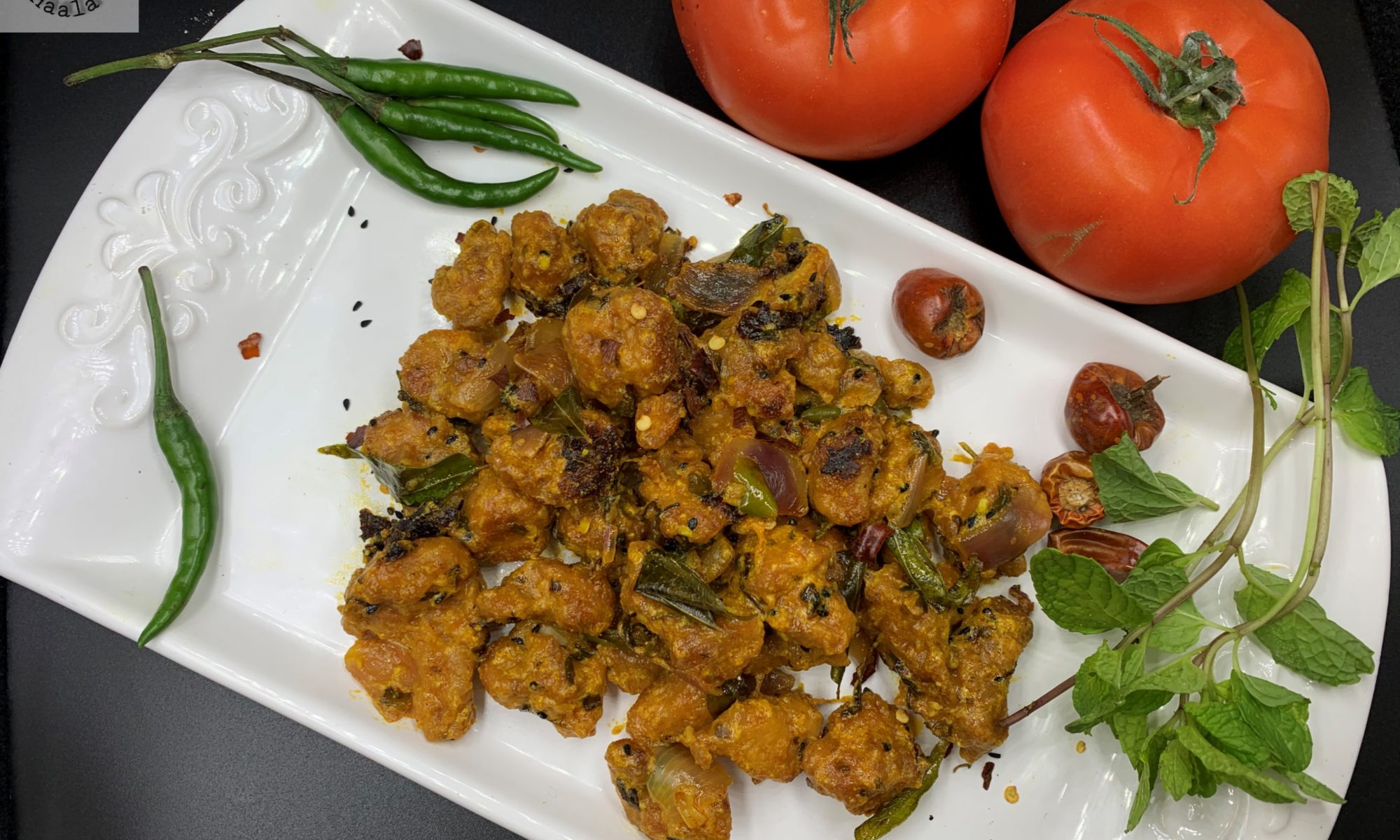
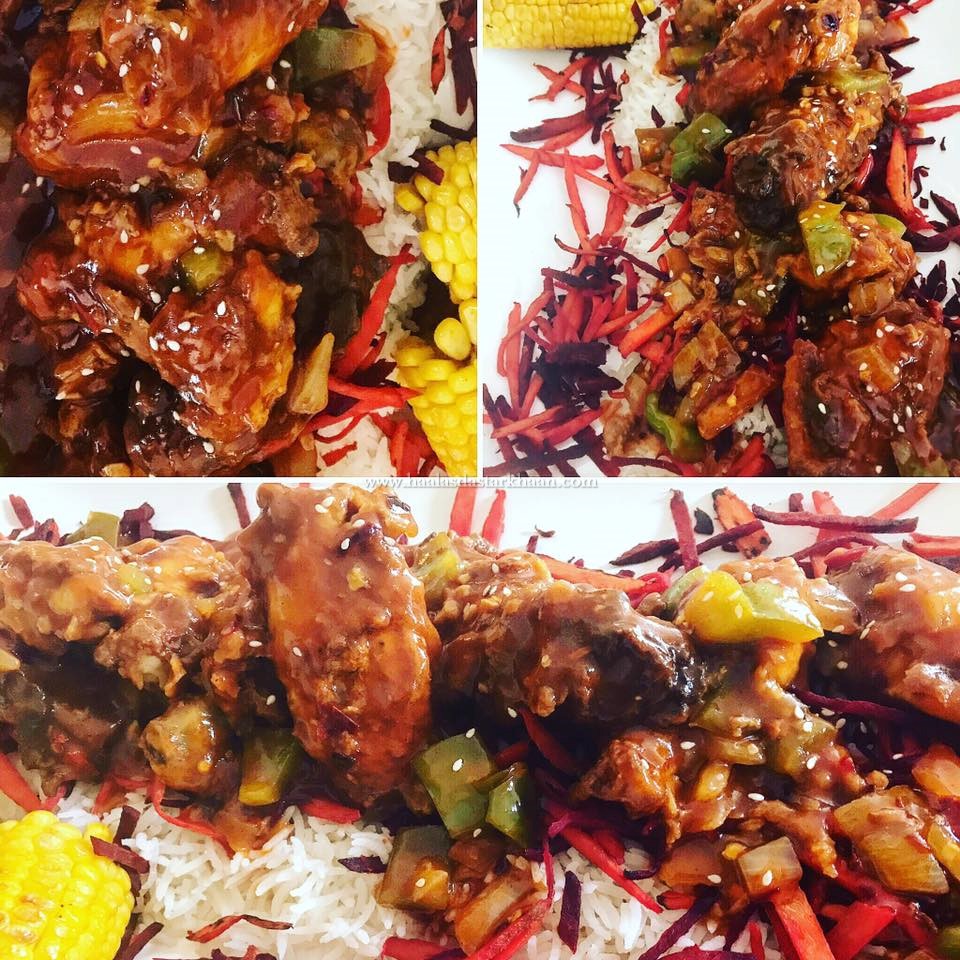
With the Hyderabadi Chicken 65, I added Red chili powder and other spices with Ginger garlic paste and mixed it well. Further rolled the spiced Chicken pieces in Flour, Rice flour and cornstarch powder and fried them. Later cooked them in a sauce made with Onions, green chilies, various spices and Yogurt. I also add a little cornstarch powder to the gravy to make it a little thicker.

Chicken 65 is made in different ways in different places of India. Though the original recipe was made in Chennai, but different places modified their ways and made it suitable to their taste buds. Honestly, every pace has their unique flavor and we always tend to have our favorites but making them in different ways is always great to add more variety to your dinner table.

Malabar Shrimp Curry

Shrimps are one of my favorite kind of seafood and I would always try shrimps with new kind of gravies or new styles of marinade and fry them or grill them in different ways. Mr. Parveez always preferred eating an actual fish to eating shrimps. He finds Shrimps to be a little tasteless. So, when I started making Shrimp curries, he was still not a big fan. He would eat, but you know not really enjoy it as much as how I would like him to.

We watch a lot of travel shows and during one such show, the host happened to be travelling around restaurants in Kerala and one such restaurant was cooking Malabar shrimp curry. Now before anything let me tell you this. We were watching this program around an hour or so before dinner time. While the chef in the restaurant was showing how he prepares his special Shrimp curry, we were glued to the TV and wished we could see it live in person and have a bite of that scrumptious looking curry. Anyways, just as I mentioned that it was around an hour or so before dinner. Looking at that curry, I was determined that I have to try making it. Funny enough I remembered that my freezer has a pack of frozen shrimps. I always believe in miracles and this might have been one such lucky day. I got down to making it that very moment. The curry came out amazingly delicious and a family favorite too. Now the chef had only given in a rough idea on how to make the curry and few things that I have added to my curry recipe was not a part of the show that we watched. So, you might not find this different from an authentic Malabar Shrimp Curry, but you will definitely get the hint of Malabar flavors and savor each bite.

I deveined the shrimps but left the tail on. I feel it makes the shrimps look prettier in a curry, but you can always take the tail off if you prefer. After washing and pat drying, I marinated the shrimps in Ginger garlic paste, Red chili powder, Fennel seed powder, Tandoori powder, salt and lemon juice for 15-30 minutes. I also added a bunch of curry leaves. Further added some Rice flour, All purpose flour and corn starch powder and deep fried the shrimps. Frying makes the shrimps crunchy and the texture with the curry sauce is very flavorful.

To make the curry, add mustard seeds and fenugreek seeds along with dry round red chilies. Once they splutter, add curry leaves and further add chopped onions. Add ginger garlic paste followed by black pepper powder, Turmeric powder, Red chili powder, coriander powder, fennel seed powder, salt and cumin powder. Add the Dry red chili paste, tomato puree and green chilies along with fried shrimps and dry fenugreek leaves.

This shrimp curry is pretty easy and would make a special place in your menu. Its goes along great with garlic naan or plain naan and also Kerala Parantha.