Kolkata Chicken Roll

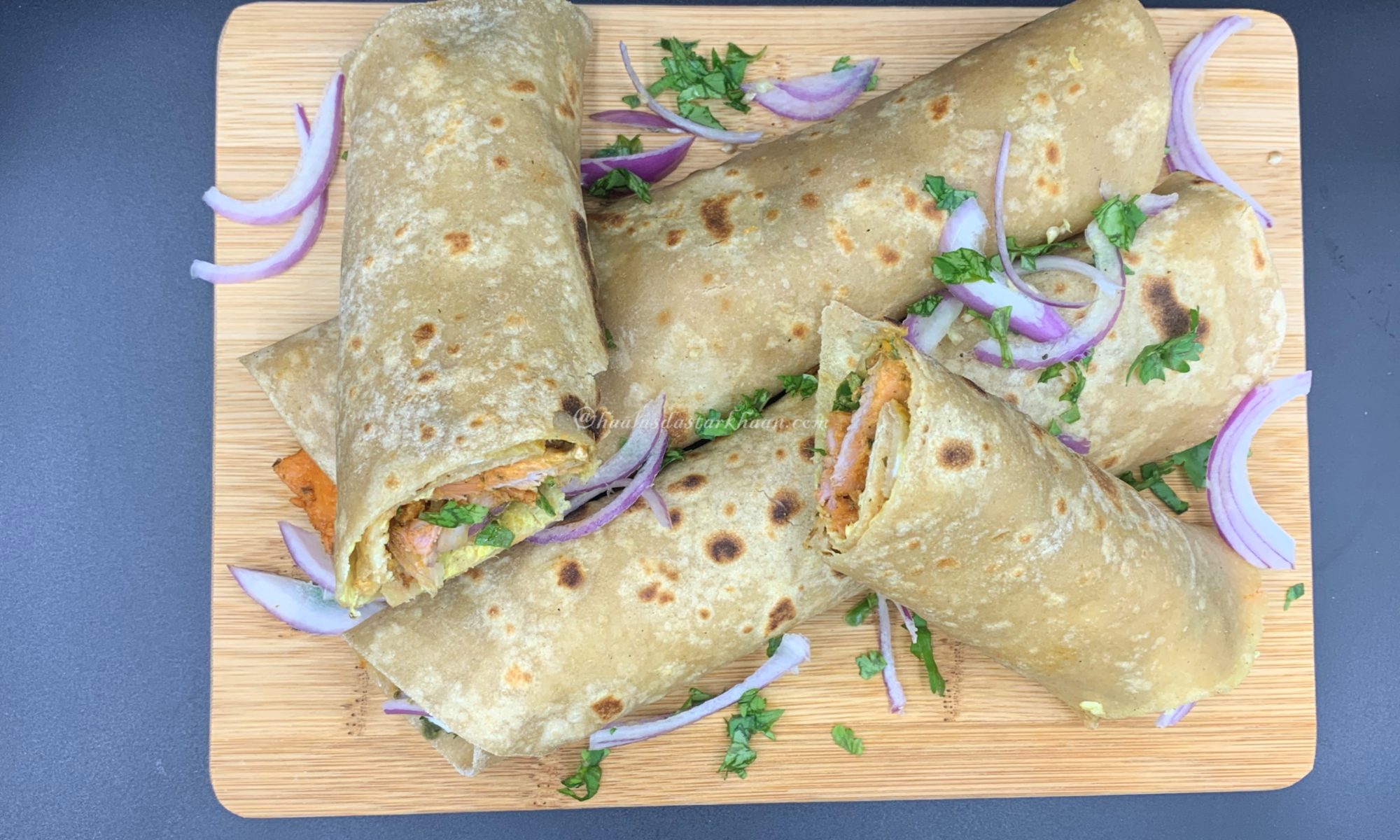
Chicken rolls have always been a favorite in our home. Those of you who follow my blog know how much I love wraps of all kinds — whether it’s a classic chicken roll, a burrito, or tacos. I think this love goes back to my mom. During one of her trips to Mumbai, she tasted Mutton Tikka Boti Rolls at a Parsi eatery and later recreated them at home. They were an instant hit with the entire family, and from that point on, rolls became a regular comfort food for us.

So when I came across pictures of the famous Kolkata Chicken Roll, I knew I had to try making it. The flavors sounded irresistible — bold, layered, and packed with personality. From everything I’ve read, it’s one of Kolkata’s most iconic street foods, loved for its rich taste and satisfying simplicity. Although I’ve never visited Kolkata, there’s something about its food culture that deeply attracts me. Some places just connect with you through their cuisine, even from afar.

Recipes like this are wonderfully fuss-free and incredibly practical. For those of us living far from our home country, food becomes a powerful way to stay connected to our roots. At the same time, dishes like these are perfect for kids — easy to eat, nutritious, and ideal for busy days or meals on the go.

I grew up loving my mom’s Tikka Boti Rolls. She initially made them with mutton, but later switched to chicken as well, and I adored both versions. I’ve always appreciated recipes that travel well — perfect for road trips, long drives, or those moments when hunger strikes and stopping isn’t an option. Not every journey allows for leisurely restaurant breaks, and sometimes you’re just stuck in traffic after a game or a long day. That’s when homemade rolls like these truly shine — convenient, filling, and deeply satisfying.

For this version, I marinated boneless chicken with salt, ginger-garlic paste, lemon juice, and yogurt. The spice blend includes dried fenugreek leaves, tandoori masala, red chili powder, cumin powder, and fennel powder, creating a beautifully aromatic base. The chicken can be marinated overnight for deeper flavor, but even a quick 30–45 minute marinade works well when time is short.

This recipe may not be an exact replica of the rolls you’d find on the streets of Kolkata, but after many trials and countless variations, this is the version I keep coming back to. One element I borrowed from my mom’s technique is spreading a thin layer of beaten egg onto the roti and cooking it before adding the filling. I’m not entirely sure how this differs from traditional Kolkata egg rolls, but I do know that it adds richness, texture, and a wonderful depth of flavor.

Ultimately, this recipe is a blend of influences — my mother’s cooking, flavors I’ve loved over the years, and my own experiments in the kitchen. The result is a chicken roll that feels both familiar and new, comforting yet exciting.

I hope you try it, enjoy it, and share it with your loved ones — just as my family and I do. 🌯✨
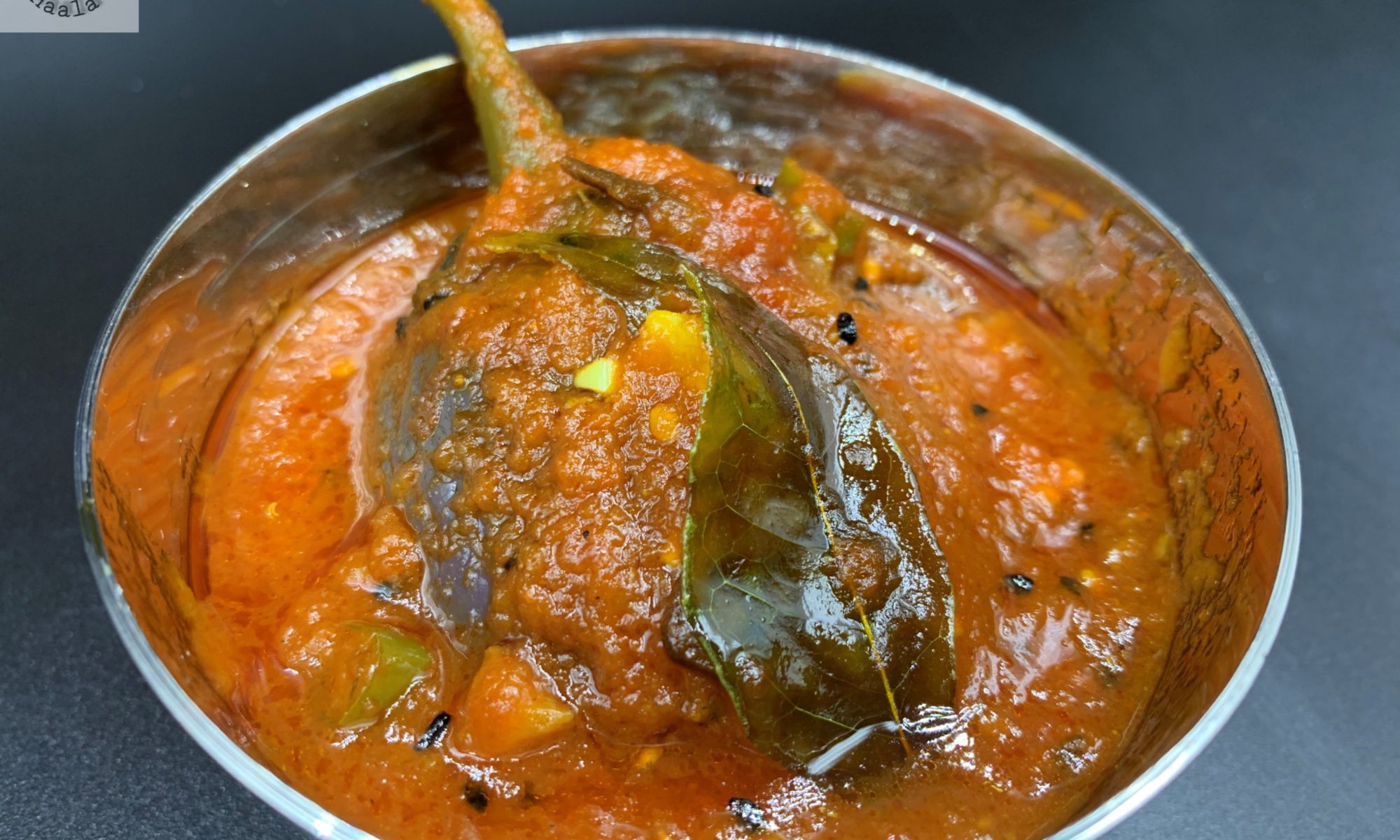
Khatte Baingan

Khatte Baingan: The Perfect Companion to Your Biryani

Biryani is more than just a dish — it’s an emotion shared across countries like India, Pakistan, and Bangladesh, where it takes center stage at celebrations and special occasions. But what truly elevates a good biryani to a memorable meal is what you serve alongside it.

From Baghare Baingan and Mirch ka Salan to Dalcha, chutneys, and cooling raita, biryani comes with a whole world of accompaniments. And contrary to popular belief, not all biryanis pair best with just a simple raita — choosing the right side actually makes a big difference.

If your biryani is mild or subtly spiced, richer sides like Mirch ka Salan or Baghare Baingan add depth and heat. On the other hand, if your biryani is already bold and spicy, dishes like Dalcha or Khatte Baingan help balance the flavors with their tangy and slightly mellow profile. Of course, raita is that universal side that complements almost any kind of biryani.

Why Khatte Baingan Works So Well

Khatte Baingan is a beautifully tangy eggplant dish that brings just the right amount of zing to your plate. It’s especially perfect with milder biryanis like Mughlai or Thalassery biryani, where its sweet-and-sour notes enhance the overall experience without overpowering it.

What makes this version even better is that it’s light and not overly oily — unlike traditional methods where eggplants are deep-fried.

A Lighter, Smarter Way to Make It

Instead of frying, the eggplants are boiled first. This simple step ensures they’re cooked through while preventing them from soaking up excess oil — something eggplants are known for.

Once boiled, the magic begins:

  • Heat a little oil and temper it with black seeds and curry leaves.
  • Add ginger-garlic paste, turmeric powder, and red chili powder for a flavorful base.
  • Stir in tomato puree, green chilies, and a touch of ketchup.

The ketchup might seem unconventional, but it adds a beautiful color along with a subtle sweet-and-tangy flavor that perfectly complements the dish.

Let everything cook together until the मसाला coats the eggplants well and the flavors come together into a rich, glossy gravy.

A Crowd Favorite — Even for Eggplant Skeptics

Khatte Baingan is one of those dishes that surprises people. Even those who usually shy away from eggplant often end up loving it, thanks to its balanced flavors and light texture.

Easy to make, packed with flavor, and incredibly versatile — this dish is proof that the right accompaniment can truly transform your biryani experience.

So next time you’re serving a mild biryani, skip the usual and bring out a bowl of Khatte Baingan — it might just become the star of your table.

Chicken Manchurian dry

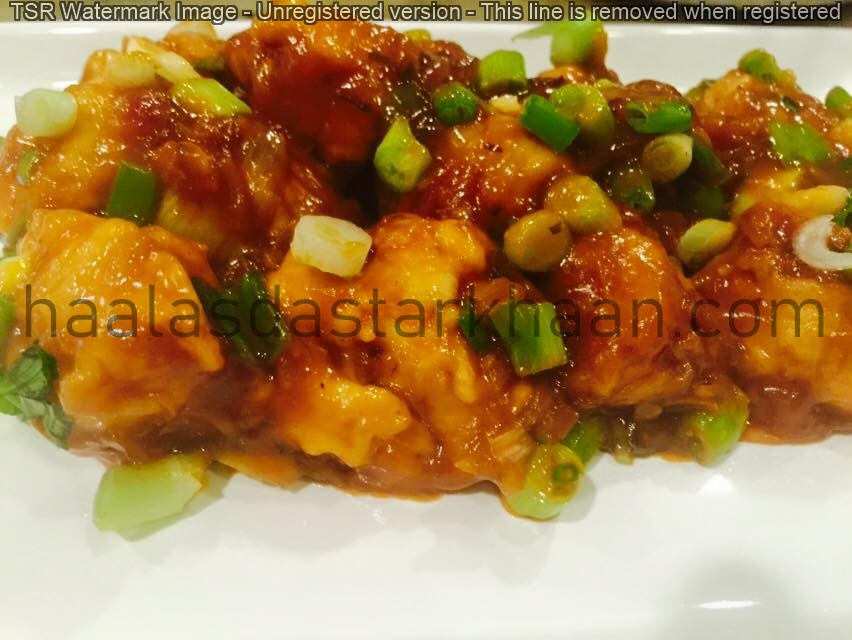
I always had a soft corner for Chinese cuisine. Despite of all the horror stories about how unhealthy it can be at times, due to high contents of sodium in soya sauce and restaurants using MSG and more. The only thing was that my love for Chinese food was restricted to seafood only since most Chinese restaurants in USA do not serve halal food and if you are a meat eater, you do understand that sometimes, you just want your meat and though, fish is wonderful in taste but, doesn’t give you that satisfaction of meat. So, we got down to trying our own chicken version and when its Chinese and chicken, what can be better than making chicken Manchurian.

Its funny but the first time I tried Chicken Manchurian, I measured the ingredients tsp by tsp, and now I am so pro at it that i can cook this dish with my eyes closed, I mean it.  Its a family favorite and the flavors are sweet and sour with a dash of spice and easily impresses anyone.

This version of Manchurian is dry, so its best served as a side dish or an appetizer. You cook serve it with strips of Butter naan [recipe in Bread] if you are looking to make it more fancier.

Saucy Chicken Lollipop

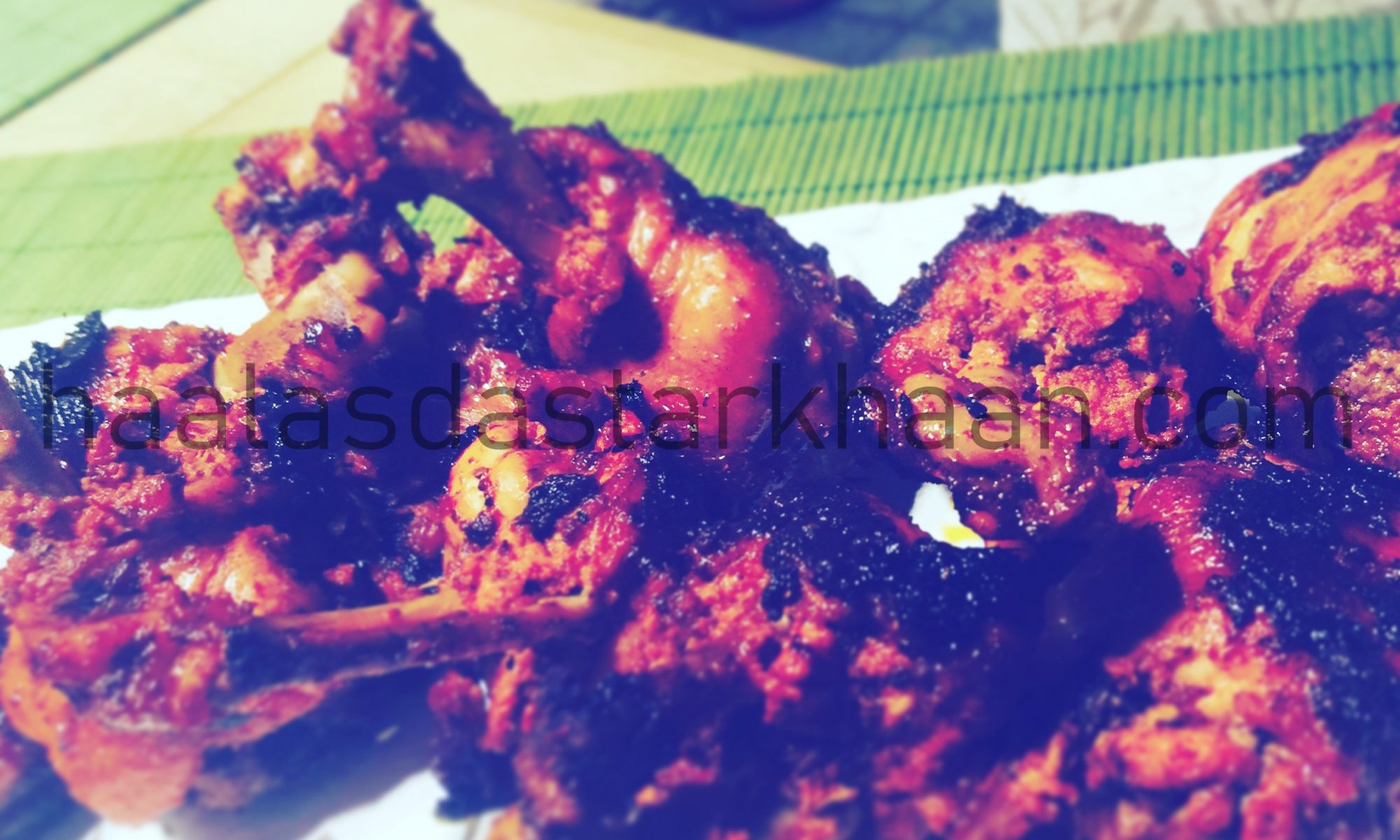
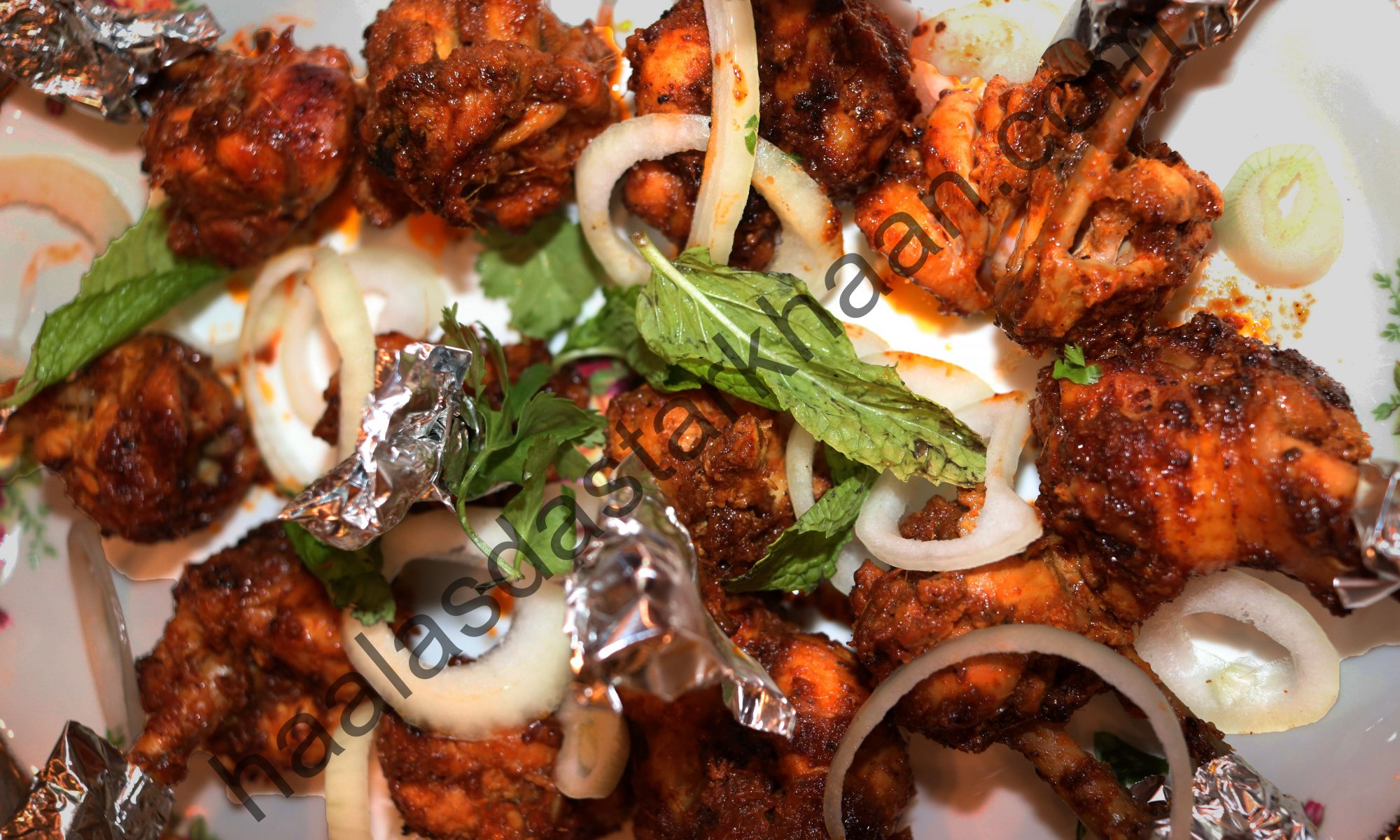
This is second kind of Chicken Lollipop that I invented and all because my older one came in asking that he needs sauce “dripping” on the lollipops. I have mentioned it numerous times in my other food stories of how well demanding my boys are. So, after thinking out in detail about how I can make them extra juicy, I came up with this recipe.

It requires a little marination and further its cooked in little oil, unlike other chicken lollipop recipes, where they are deep fried, so its kind of a guiltless pleasure that lets you over indulge. Further, more sauces are mixed in and you let it cook further in the sauces.

This recipe is super saucy and the chicken lollipops are not too crunchy but soft and juicy.