Korean Chicken Bites

Asian cuisine is wonderfully diverse—Chinese, Japanese, Indonesian, Thai, Malaysian, and Korean—each offering its own distinctive flavors while still sharing certain ingredients and cooking techniques. Over the years, we have enjoyed sampling dishes from many of these cuisines, though often limited to seafood. Being Muslim, staying within the boundaries of halal food can sometimes be challenging, particularly when so many tempting dishes traditionally include non-halal meats.

While I do have friends who are comfortable eating non-halal chicken or meat, for us that is simply not an option. I firmly believe that when there are ways and choices available to remain true to our beliefs, it is important to honor them. Fortunately, that has never stopped us from exploring the flavors we love. The beauty of having curious taste buds—and a genuine passion for cooking—is that you can always adapt a dish and make it your own.

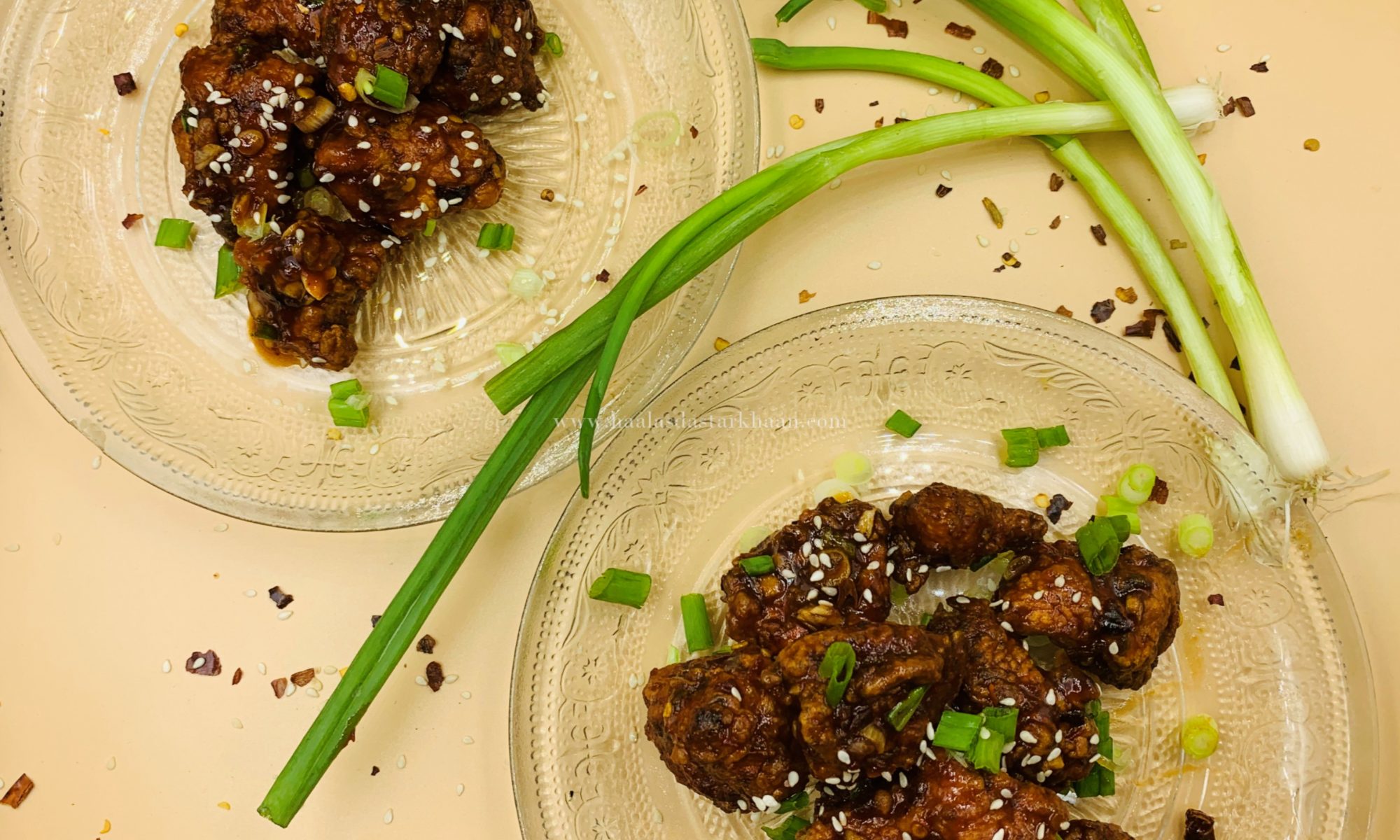
This recipe was inspired by a dish I once tried with scallops and instantly fell in love with. Naturally, I made a few adjustments along the way. In its original form, the scallops were neither marinated nor batter-fried, which meant they relied almost entirely on the sauce for flavor. While the sauce itself was pleasant—mild with a gentle kick—I felt the dish could benefit from a little more depth and texture.

When I decided to recreate it using chicken, I introduced a few changes to build those extra layers of flavor. The chicken was first marinated and lightly battered to add both seasoning and a satisfying crunch. Unlike seafood, chicken tends to absorb whatever flavors you give it, so even a simple marinade with spices, seasoning, or just a touch of salt can make a remarkable difference. Whether you are adding chicken to noodles or tossing it in a sauce, that first layer of flavor is something you should never overlook.

For the chicken, begin by marinating it in a mixture of buttermilk, chili flakes, onion powder, garlic powder, black pepper, white pepper, oregano, and salt. Allow it to rest for at least an hour—longer if possible—so the flavors have time to fully penetrate the meat.

Once marinated, coat the chicken pieces in a mixture of flour, cornstarch, and a little salt, then fry them until they turn golden and crisp. This step creates a light, crunchy exterior that pairs beautifully with the sauce.

The sauce is what truly brings the dish together. It is prepared with crushed garlic and ginger, soy sauce, sesame oil, gochujang—a sweet and mildly spicy Korean chili paste readily available in most Asian markets—along with honey, brown sugar, vegetable oil, and red chili flakes. Allow the sauce to cook until it thickens slightly, then toss in the fried chicken pieces, coating them thoroughly so every bite is infused with flavor.

For garnish, scallions and sesame seeds work beautifully. While scallions can certainly be added directly to the sauce, I prefer sprinkling them on top just before serving, allowing them to remain crisp and provide a pleasant contrast in texture.

Substitute for Buttermilk?

To make buttermilk at home, take the same quantity of milk as the buttermilk required and add 1 tablespoon of lemon juice to it. Mix well and let it rest for a few minutes before adding the chicken.

The flavor of this chicken is a perfect balance of sweet and spicy, making it an excellent choice for all taste buds—kids and adults alike—unless someone prefers completely mild food. I find this dish a great hit for playdates, family gatherings, or small get-together parties.

Cooking in advance

You can fry the chicken bites and keep them in the oven. The oven needs to be preheated. Keep it on warm or at 200°F. Anything above it would overcook the chicken, making it chewy or burning it.
Thai Chicken Curry

Malaysian and Thai cuisines have always been favorites in our home, though finding halal options can sometimes be a challenge. It was actually Mr. Parveez who first introduced me to both. What I appreciate most about these cuisines is how familiar their flavors feel. There is a comforting connection between Indian food and many Southeast Asian dishes, where similar ingredients create layers of warmth and depth. Thai cuisine, for instance, often relies on ingredients such as peanuts, red chilies, and coconut milk or coconut cream, producing a beautiful balance of spice, sweetness, and richness—flavors that feel both comforting and intriguingly different at the same time.

Since we only consume seafood, we often miss out on experiencing certain dishes from various cuisines. Preparing them at home, therefore, becomes our way of exploring those flavors—and in many ways, it turns out to be a blessing in disguise. Not only does it allow us to experiment and learn new cooking styles, but it also offers a healthier approach to enjoying these dishes. Cooking at home means choosing fresh ingredients, controlling exactly what goes into the food, and serving it immediately. That freshness not only enhances the flavor but also adds genuine nutritional value, making every bite feel lighter, brighter, and more satisfying.

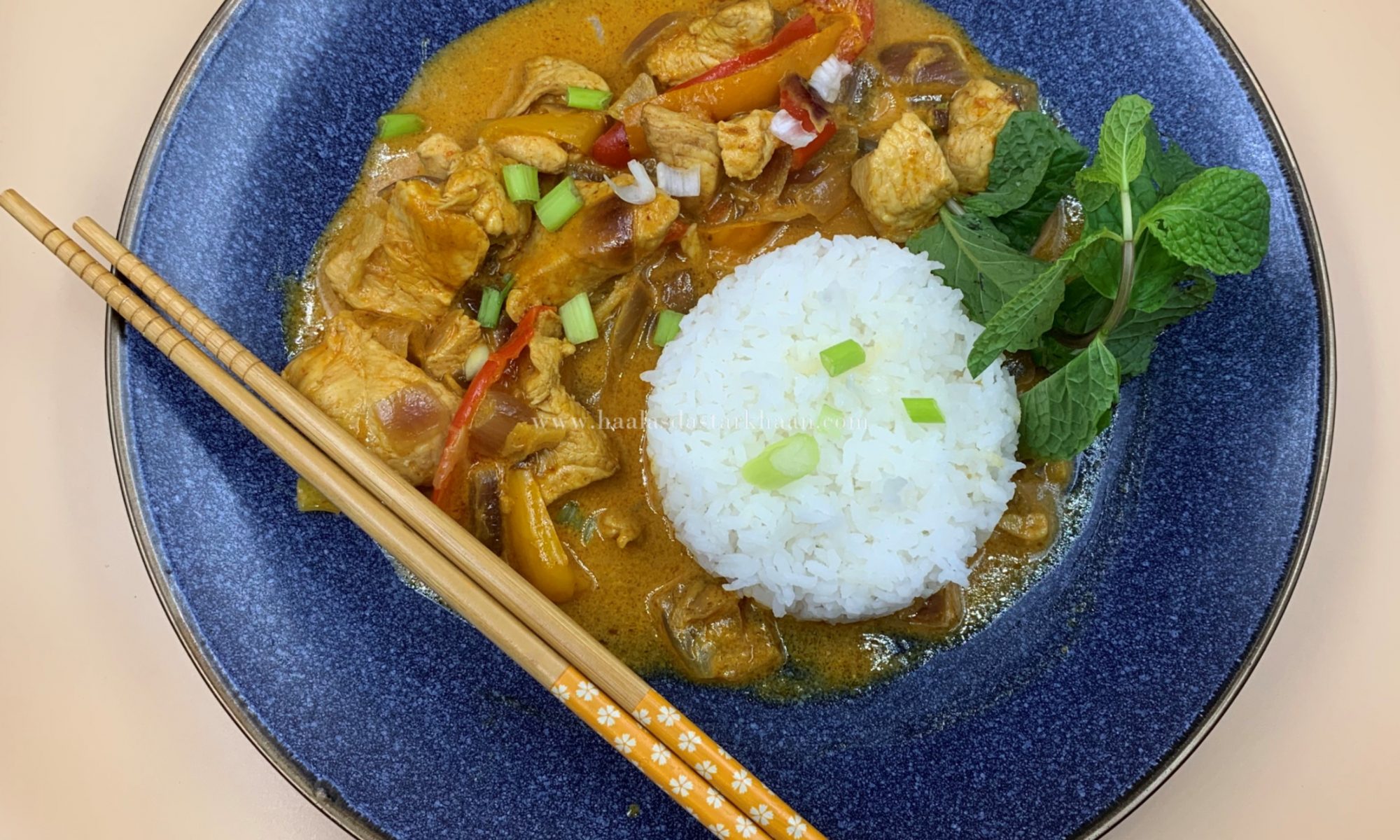
This particular curry is wonderfully simple to prepare. For convenience, I used a store-bought Thai red curry paste. Since it was my first time attempting this dish, I wanted to stay close to the authentic flavor profile rather than risk altering the balance of spices too much. For the vegetables, I included bell peppers, onions, scallions, and garlic, though the choice is quite flexible. Baby corn, snap peas, or other vegetables can easily be added. That is one of the joys of Thai curries—their versatility allows each cook to create a slightly different combination of flavors and textures with every preparation

Serve it with some boiled Rice and enjoy it warm.

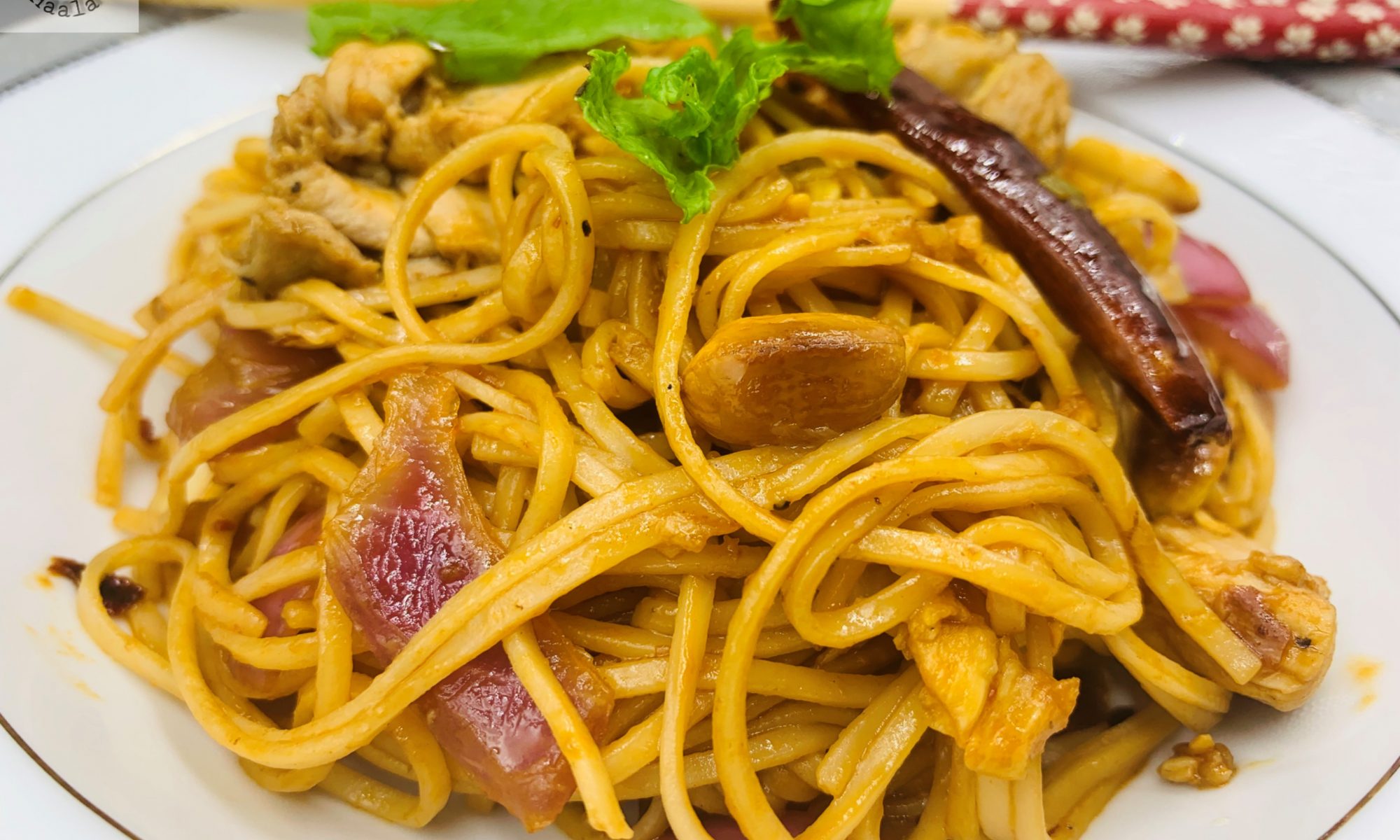
Asian Chicken Noodles

Chinese Chicken noodles are a delicious and a quick lunch/dinner that requires few ingredients that are easily available in your pantry. Also it gets from kitchen to dining table in a matter of few minutes. And its just a perfect meal for weekends. Egg noodles cooked with chicken and few veggies with a few sauces mixed in together with Garlic fried in a smokey flavor makes a perfect Asian style Noodles and they come out so amazingly delicious that you will never feel the need to order take out from a Chinese restaurant again. This dish is so mouthwatering that you will making it very often.

My kids can actually eat these Chicken noodles for every other meal. These Chicken noodles are pretty easy to make, I usually add Onions, scallions and green chilies. You can add broccoli and bell peppers as well if you feel like. Usually I also add in corn kernels at times and something that I feel adds a lot of flavor to this dish are Peanuts. The key to preparing perfect noodles is to cook everything separately and mix things together and then add in the mixed sauce. Also, one thing that I feel makes these noodles perfect are cooking them with tongs specially when you mix things together.

One of the reasons why Chinese food does not taste the same at home as in restaurants is that ingredients that are put in Chinese noodles, including the sauce, all are cooked on high heat. The food cooked on high heat and that kind of gives a smoke flavor to the ingredients and the smoked or charred flavor is absorbed pretty fast. A lot of people suggest using a Wok but honestly, I don’t use one and feel my Asian Takeaways tastes better than homemade ones is the smokey charred flavor in the dish. Ingredients are tossed on high heat, really quickly to give the flavor. It sometimes feels impossible to recreate the same flavor at home, of course without the flavor enhancers and God knows all what goes into your food to make it taste so good, but honestly, the food made at home tastes much more fresh and if made using the right recipe with all ingredients in proportion will make a mouthwatering dish.

Now its not possible for everyone to have a Chinese Wok at home. But its always better to cook in a pan that is shaped like a dome. It gives you more surface area to work. For making noodles stir fry or Rice stir fry, a large pan is always good. Tossing in high heat with sesame Oil adds the smokey flavor to the noodles. Enjoy!!!

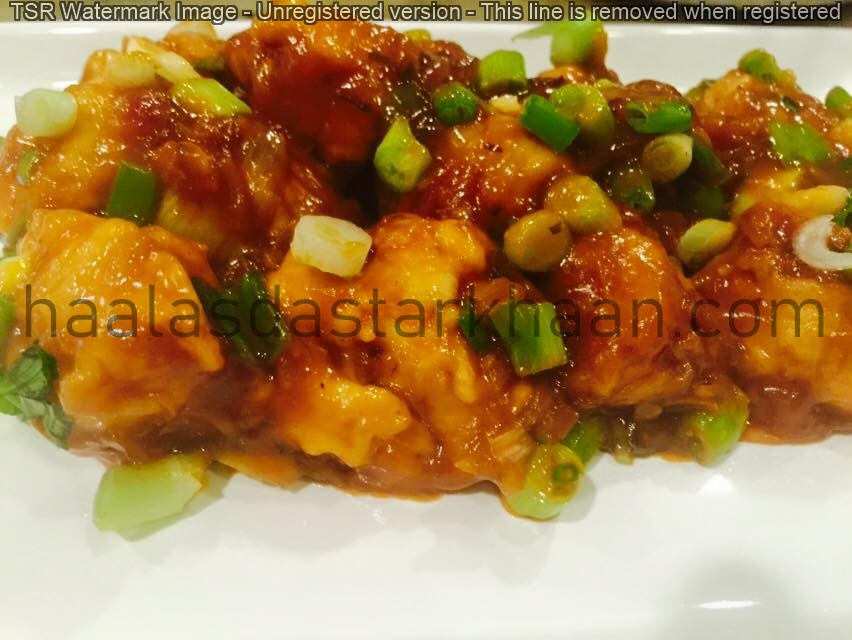
Chicken Manchurian dry

I always had a soft corner for Chinese cuisine. Despite of all the horror stories about how unhealthy it can be at times, due to high contents of sodium in soya sauce and restaurants using MSG and more. The only thing was that my love for Chinese food was restricted to seafood only since most Chinese restaurants in USA do not serve halal food and if you are a meat eater, you do understand that sometimes, you just want your meat and though, fish is wonderful in taste but, doesn’t give you that satisfaction of meat. So, we got down to trying our own chicken version and when its Chinese and chicken, what can be better than making chicken Manchurian.

Its funny but the first time I tried Chicken Manchurian, I measured the ingredients tsp by tsp, and now I am so pro at it that i can cook this dish with my eyes closed, I mean it.  Its a family favorite and the flavors are sweet and sour with a dash of spice and easily impresses anyone.

This version of Manchurian is dry, so its best served as a side dish or an appetizer. You cook serve it with strips of Butter naan [recipe in Bread] if you are looking to make it more fancier.