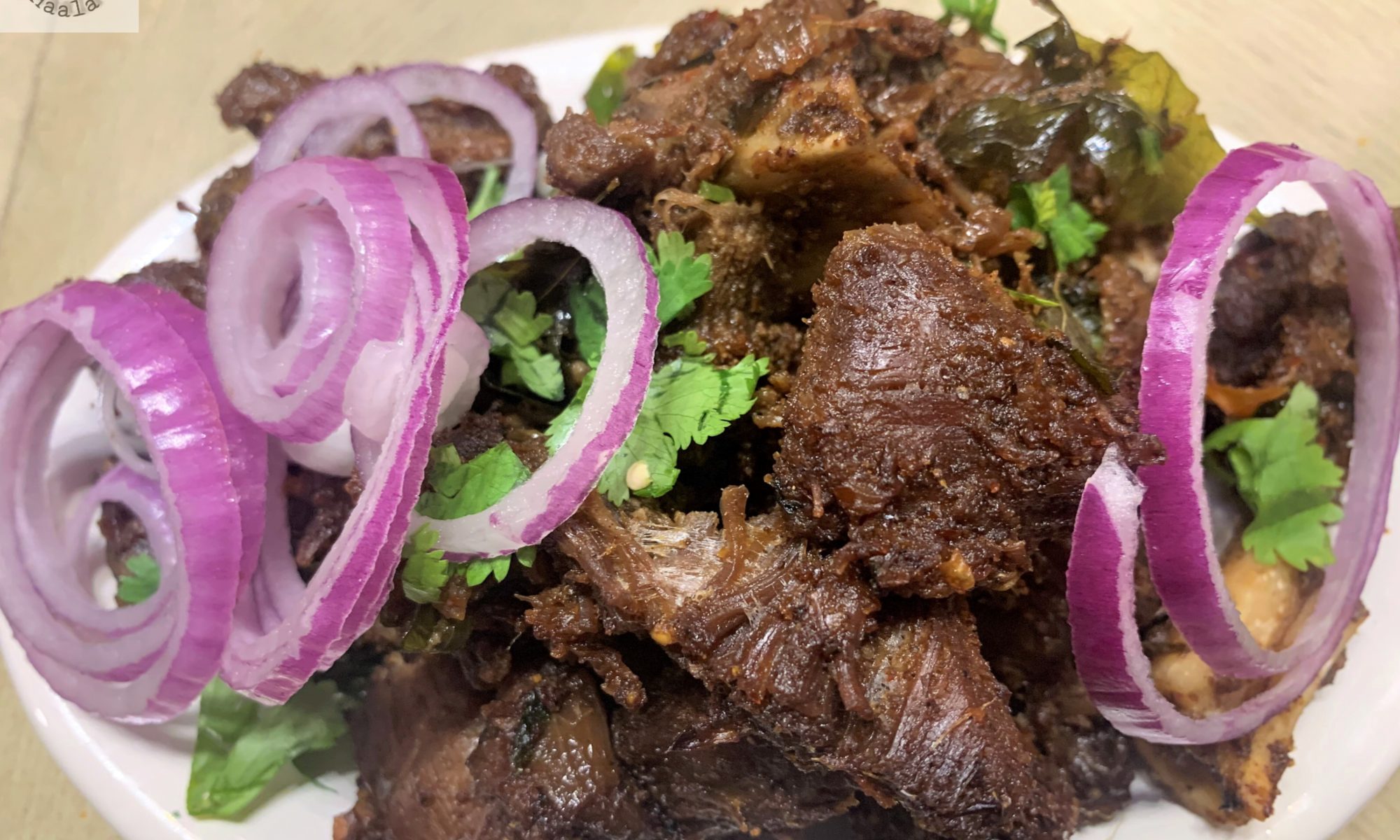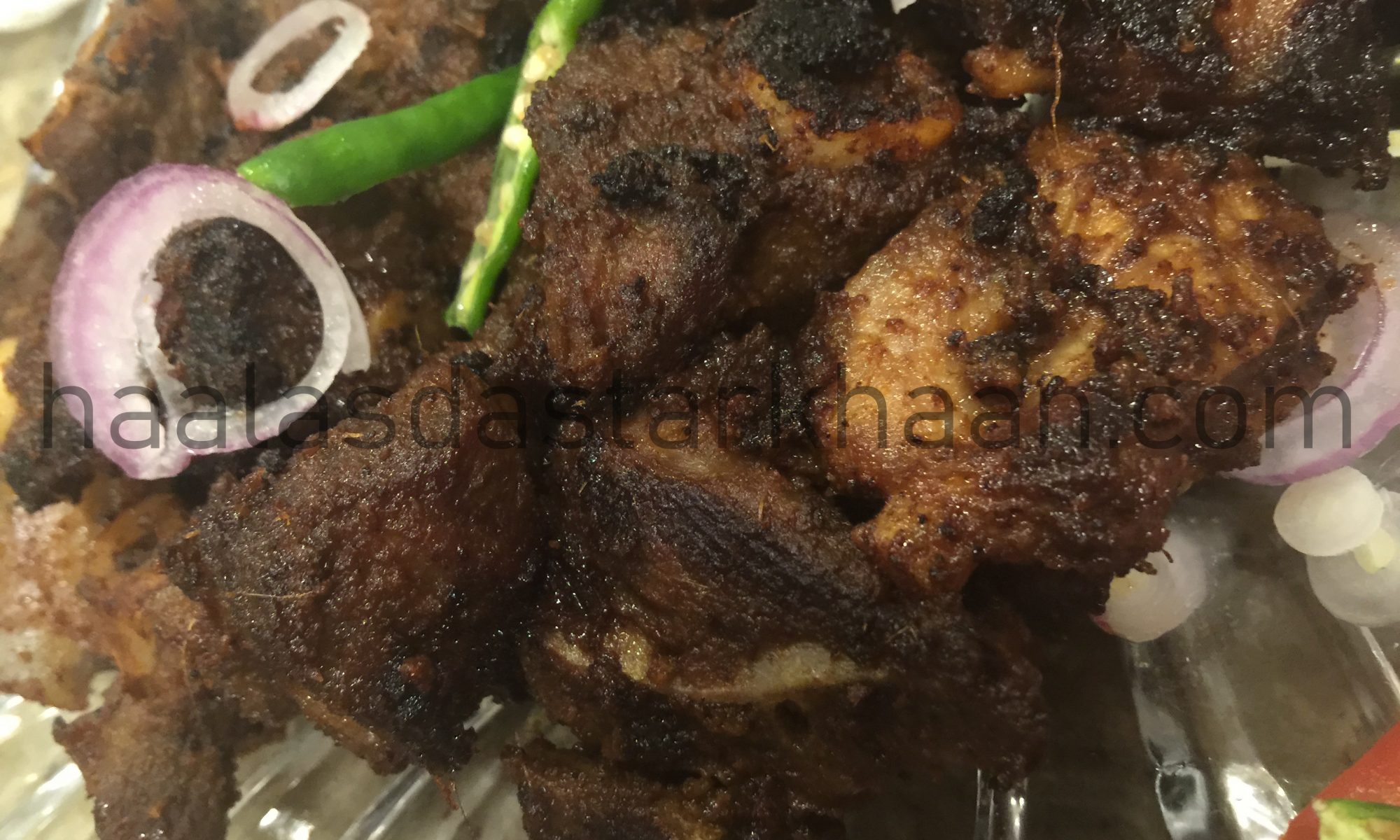
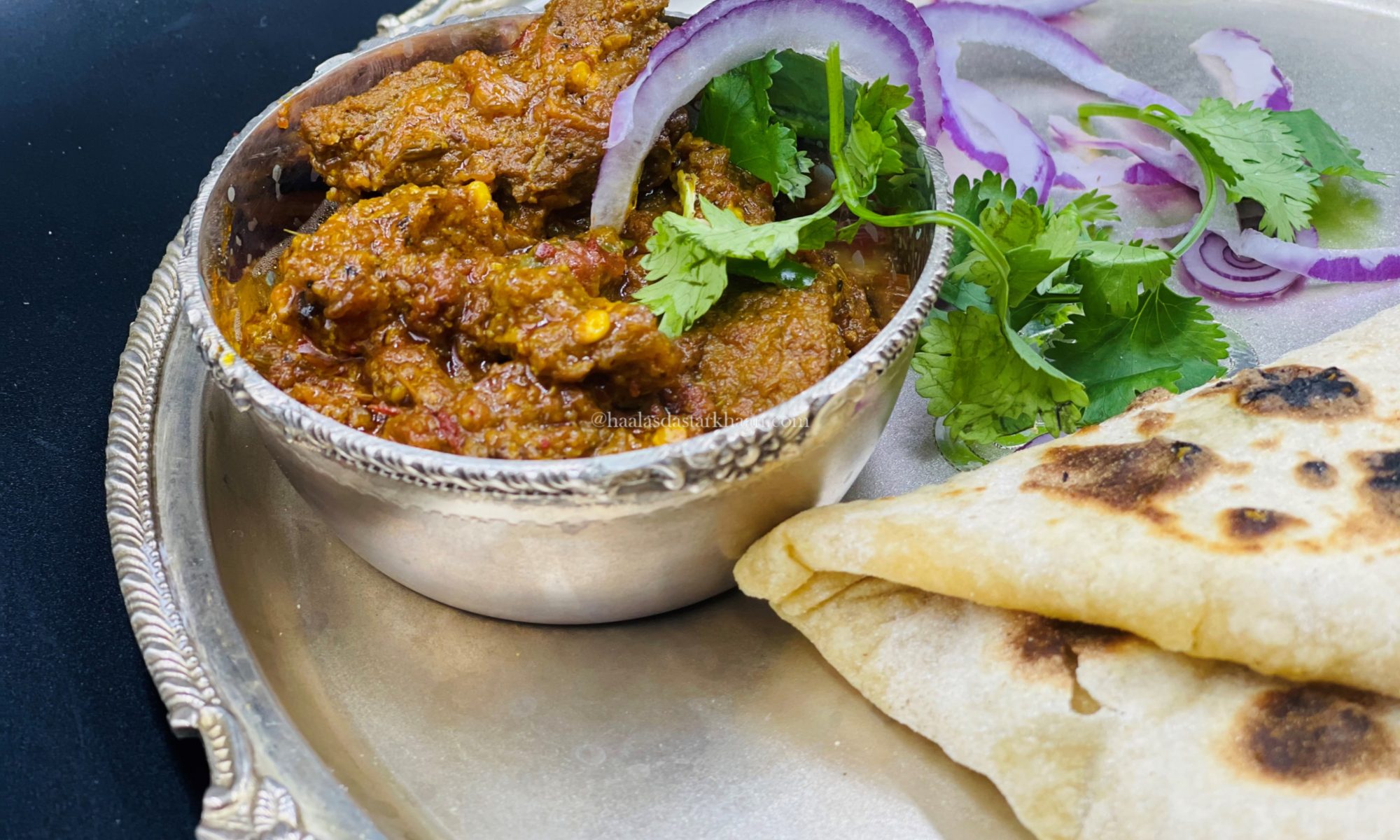
Laal Maas is a traditional dish from my hometown, Jodhpur, with roots that trace back to the royal kitchens of the Rajput families. It was once considered a prized specialty, often prepared using game meat brought back from royal hunts. Bold, fiery, and deeply flavorful, the dish reflected both the adventurous spirit of the Rajput warriors and their love for rich, robust cuisine.
Over time, Laal Maas has remained immensely popular. From the royal kitchens, it gradually found its way into restaurants across Jodhpur, where chefs continue to prepare it in their own distinctive styles—introducing subtle variations while still honoring the essence of the original recipe.
This version is my personal interpretation, inspired by the many places where I have tasted Laal Maas and the flavors that stayed with me long after the meal. Interestingly, many people outside Rajasthan assume that Laal Maas is a common everyday dish in non-vegetarian households, particularly among the Muslim community. In reality, it belongs to the royal culinary heritage of Jodhpur and is more closely associated with the Rajput kitchens than with daily home cooking.
When preparing this dish, I prefer to lightly boil the mutton before starting the curry. This step helps reduce the overall cooking time and allows the meat to absorb the spices more effectively, resulting in tender, juicy pieces of mutton infused with flavor in every bite.
Traditionally, Laal Maas is cooked in generous amounts of ghee—something Rajasthani cuisine takes great pride in. The richness of ghee adds a distinctive depth and aroma that defines the dish. However, I usually combine a little oil with the ghee, as cooking entirely in pure ghee can feel quite heavy by today’s standards. Of course, if you want the most authentic experience and are not worried about the calories, feel free to prepare it entirely with ghee. And if you prefer a lighter approach, you can cook it with oil and simply finish with a teaspoon of ghee for that signature aroma.
Despite its bold reputation, this recipe is relatively straightforward to prepare and approachable even for beginners—while still delivering the rich, unforgettable flavors that make Laal Maas such an iconic dish.
This recipe is relatively easy to make and can be prepared by beginners, with truly delicious flavors.