Chawal ki Kheer

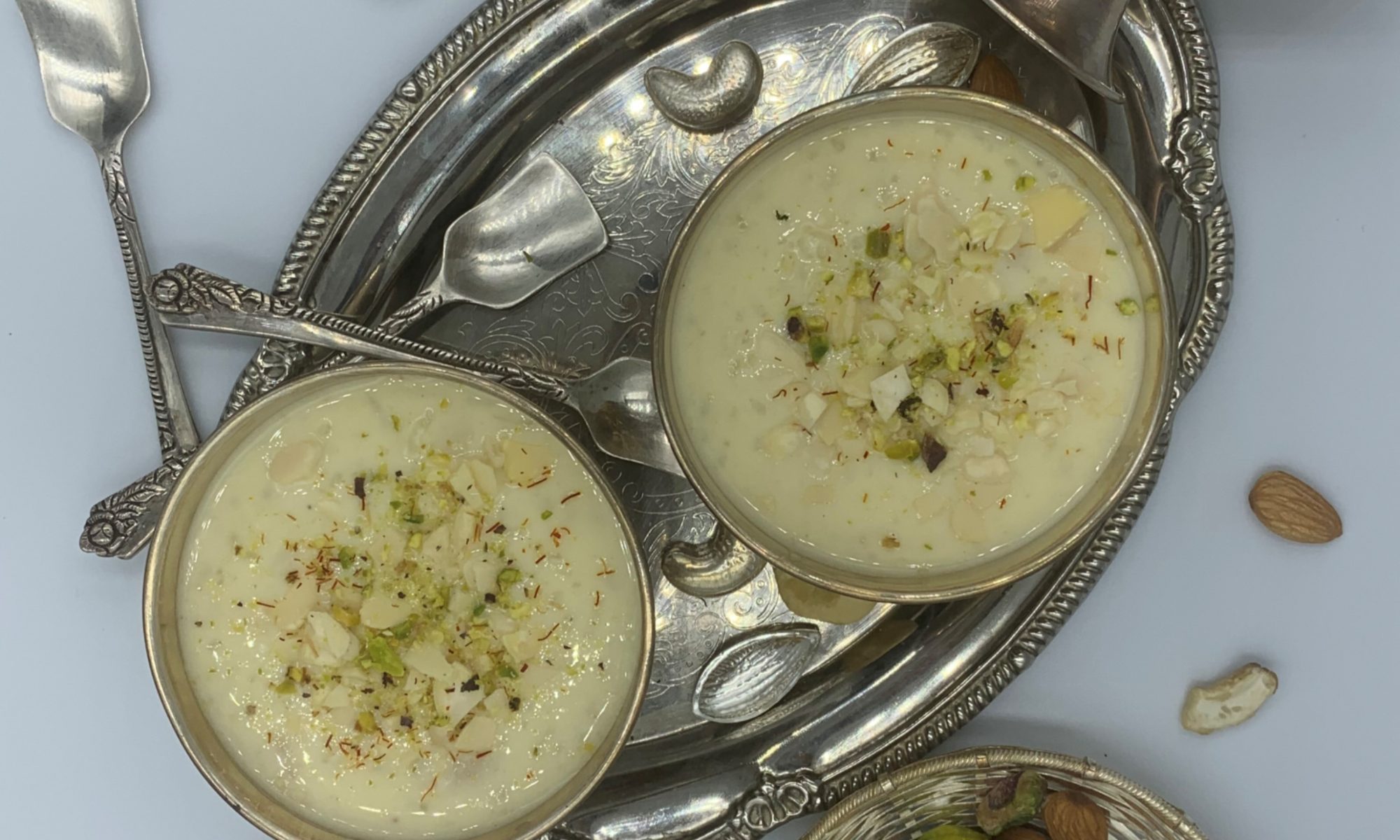
Chawal ki Kheer is one of the most beloved traditional desserts across Indian, Pakistani, and Bangladeshi homes. Whenever there is a celebration or special occasion that calls for kheer, it is usually this classic rice pudding that finds its way to the table. Among the many varieties that exist, Chawal ki Kheer remains the most cherished and widely prepared.

My love for this dessert probably began the moment I could taste food. To this day, I have never come across anyone—chef, cook, or otherwise—who can make Chawal ki Kheer as beautifully as my mother. As a child, I would eagerly wait for the days when she decided to make it. Just one spoonful was enough to make anyone feel as if they were tasting something heavenly.

The funny part is that I rarely liked anyone else’s kheer. In my young mind, every other version felt like a complete injustice to the dish. I simply expected everyone to work harder and make it exactly the way my mother did. Of course, as a child, I never truly understood the effort and patience she poured into making it.

It was only when I grew older and began exploring the world of spices and cooking that I realized how much time and dedication went into preparing something so wonderfully delicious. That realization also explained why, every Eid, I would suddenly see relatives and friends appear whom I had not seen all year—each one requesting my mother’s special kheer.

To understand the scale of her cooking, you first have to understand our family. We are a large extended family of nearly 150 members. My grandfather had nine children, and each of them has a large family of their own. By the time I was still in my teens, many of my aunts already had grandchildren. Add distant relatives and close family friends to that number, and you can imagine the size of our gatherings.

Preparing kheer for such a crowd was no small task. My mother would often start with 40 to 50 liters of milk—sometimes even more—and slowly cook it down until it reduced to about two-thirds of its original quantity. This step alone requires immense patience. The milk must be stirred constantly to ensure it cooks evenly and does not burn at the bottom, all while being kept on a gentle, low flame.

The technique she taught me was simple but brilliant: stir once in a circular motion, and the next time in the shape of the number eight. Only when I grew older did I realize how perfectly that method covers the entire base of the pot.

Once the milk is reduced, cashew powder is added. It not only thickens the kheer but also lends a delicate sweetness and nutty flavor that enhances the dish beautifully. Chopped almonds make a lovely addition as well. Some people also add khoya or khoya powder for extra richness, though that step is completely optional.

For the rice, I prefer small-grained varieties because they cook faster and are easier to mash, giving the kheer its signature creamy texture. Kani ke chawal, Kaima rice, or any other small-grain rice works well.

My mother always added condensed milk to her kheer, and many people believed that was her secret ingredient. But in truth, the magic was never in just the ingredients—it was in her hands, her patience, and the love she put into cooking. Ingredients alone do not make a dish extraordinary; it is the care and effort of the person preparing it that truly brings it to life.

This is the method I learned from her. I may never match the perfection of my mother’s kheer, but every time I make it, it still turns out wonderfully comforting. And with each spoonful, it brings back memories—and the irresistible urge for just one more bite.
This is a wonderful way of making Kheer. I am still not as good as my mom when it comes to making it but it still comes out delicious and each spoonful makes you crave more.

Lauki Ki Kheer

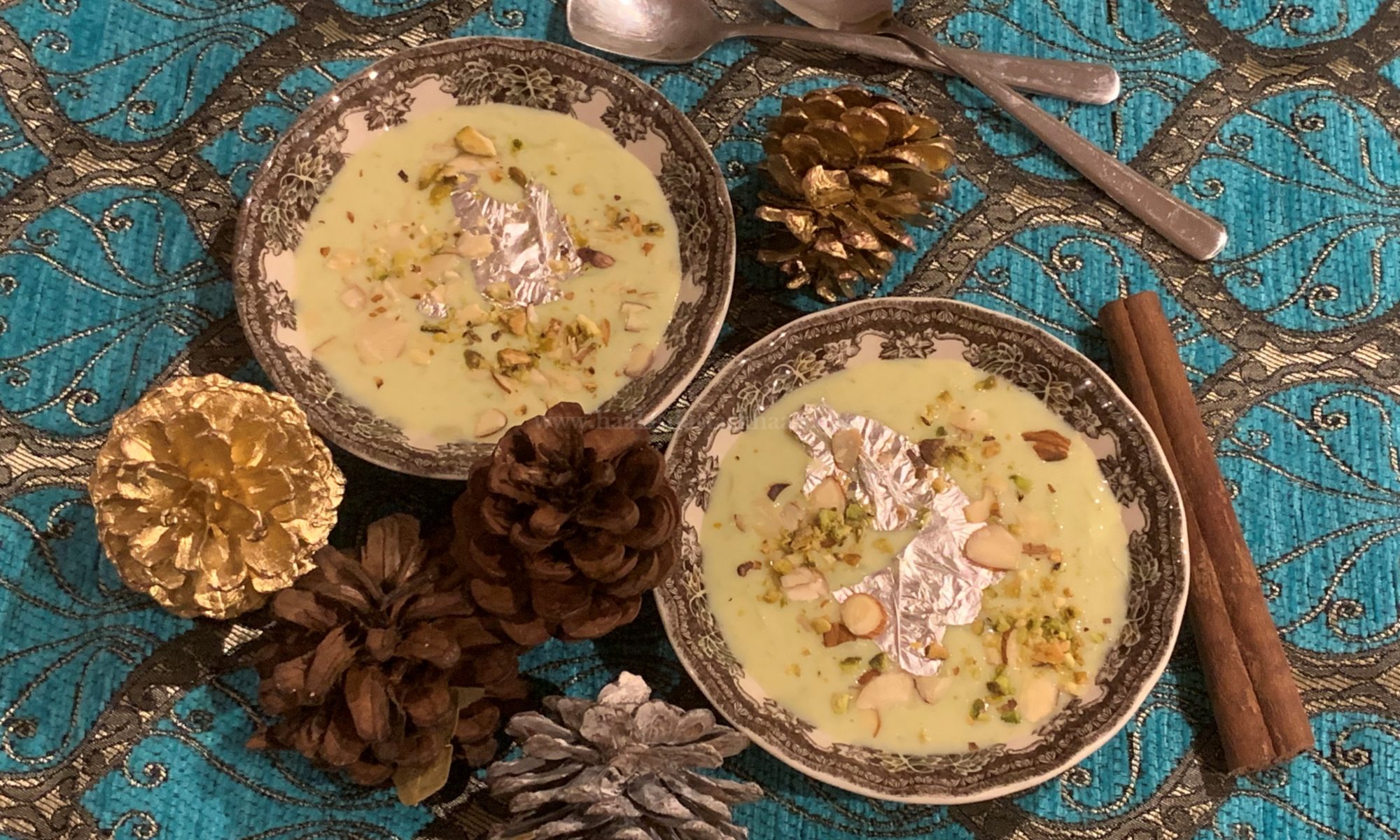
Kheer originated from Mughlai kitchens of India and is an important sweet delicacy for Muslims of India, Pakistan and Bangladesh especially during Eid or any other special celebrations. Other similar dishes like Payasam or Kheer originated in the kitchens of imperial Muslim rulers of India and is an important sweet delicacy for Muslims of India, especially during Eid or any other celebrations. … Other terms like Payasam or Payesh ( are inspired from Kheer and the names have been derived from the Sanskrit word Payasa or Payasam, which also means “milk”.

Kheer has been one of my most favorite desserts ever. Every Eid my Mom would make Rice Kheer which I always believed was the best Kheer I have ever had. Muslims know that its a real chaos when you find out around 11 PM that its Eid the next and women in the family have to start preparing. Almost the whole night passes in prepping for the next day and out of all the work, preparing Kheer has always been the most tedious and tiring of all. Probably making a small batch wouldn’t have been painful, but when you have a small close family of close relatives that reaches 100+ plus add up all distant relatives and friends who come over to meet and greet. So, Kheer is something that’s not just popular but also served to everyone, vegetarians and non vegetarians on Eid, so you can’t really afford to run short.

So, learning how to make my basic Kheer came from my mom. Cooking the milk on low to medium heat, stirring it constantly for almost 3 hours, reducing it to half the original quantity is always the basic to any delicious Kheer. But to my despair, Mr. Parveez doesn’t like Rice Kheer much. In fact, he never liked any Kheer when we got together, but with time I got him into loving Sheer Khurma/seviyaan Kheer, but not the rice one.

Anyways, I always hear people talking about Apple Kheer or Potato Kheer but I couldn’t ever get down to trying. Carrot Kheer or Gajrela was my mom’s go to dishes during Ramadan. I never tried finding out the reason why but may be she fely that this was the easiest way to incorporate some veggie and milk into her kids system while we fasted, I guess. So, after me successfully making Lauki ka Halwa, I wanted to try making the Kheer. It came out fabulous and I think for everyone who even doesn’t like Lauki would love it.

Milk Cake

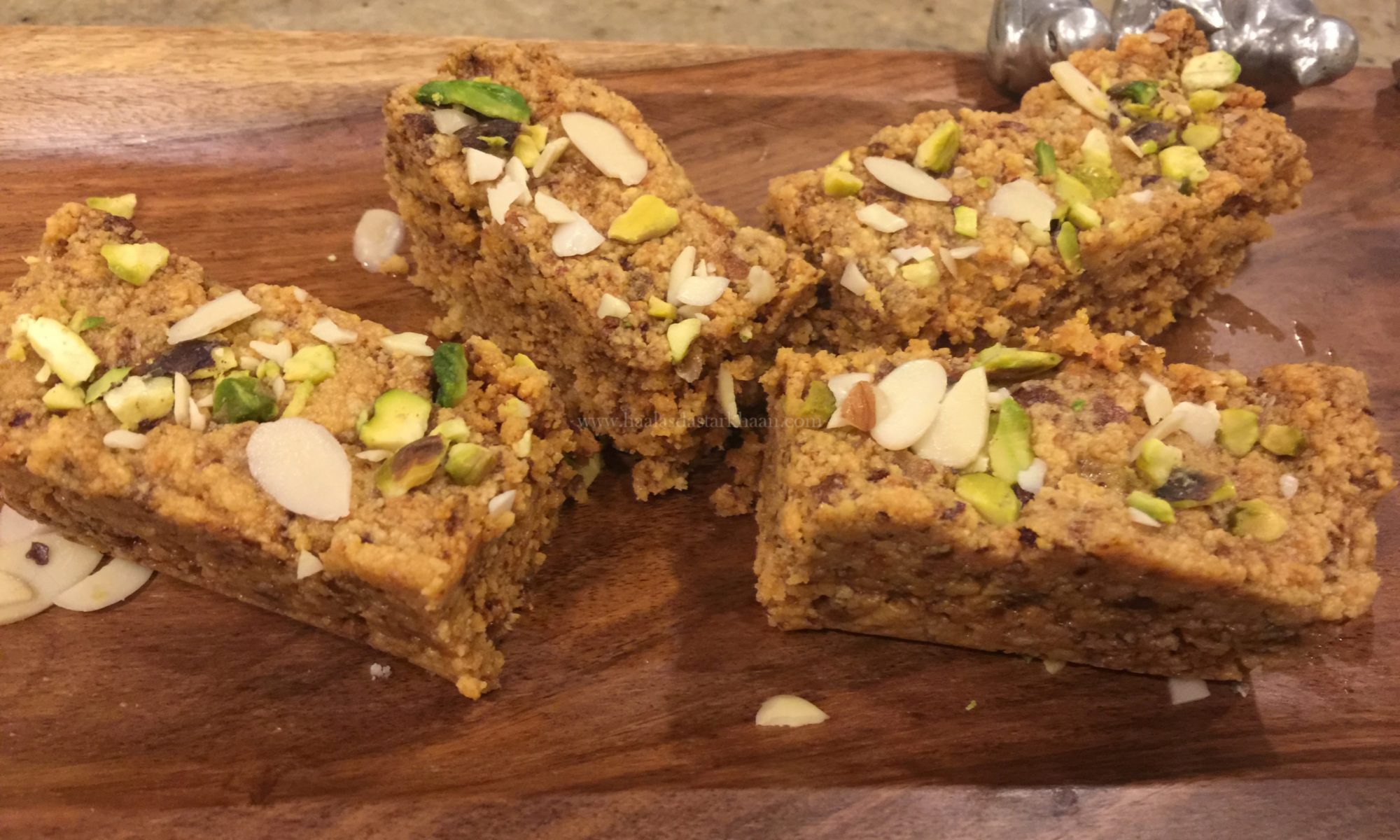
Did you ever think that this fabulous cake cannot be made at home? This is an easy recipe to show you how easily it can be made without any compromises on taste.

Milk has to be curdled in a special way so that it doesn’t separate fully, it should form tiny granules. Lemon Juice/citric acid/tartaric acid/ Vinegar has to be used very carefully, as described, to achieve this effect.

Gajar ka Halwa with Vanilla Ice cream

Gajar ka Halwa is our winter favorite. The lovely sweetness of carrots mixed with sugar and milk and a hint of cardamom with desi ghee leaves you taste buds asking for more.

We always loved the idea of warm Brownies and vanilla ice cream. In fact, my kids are big fans of warm brownies/ cake with Ice cream. Its a desert that they would give away their lunch for. Anyways,  Mr. Parveez happens to be almost  the same when it comes to warm Brownies with Ice cream. With time he wanted try warm halwa with cold ice cream. I wouldn’t have tried making this had it come from someone else, but since it was my biggest food fan, I had to try it.

Warm Halwa and cold ice cream is a super awesome combination. Its something you will only understand after you try it. In this recipe I am sharing the recipe for Gajar ka Halwa and how I combined it with Vanilla ice cream. You can always check the Vanilla Ice cream recipe in the Dessert/ Sweet section.

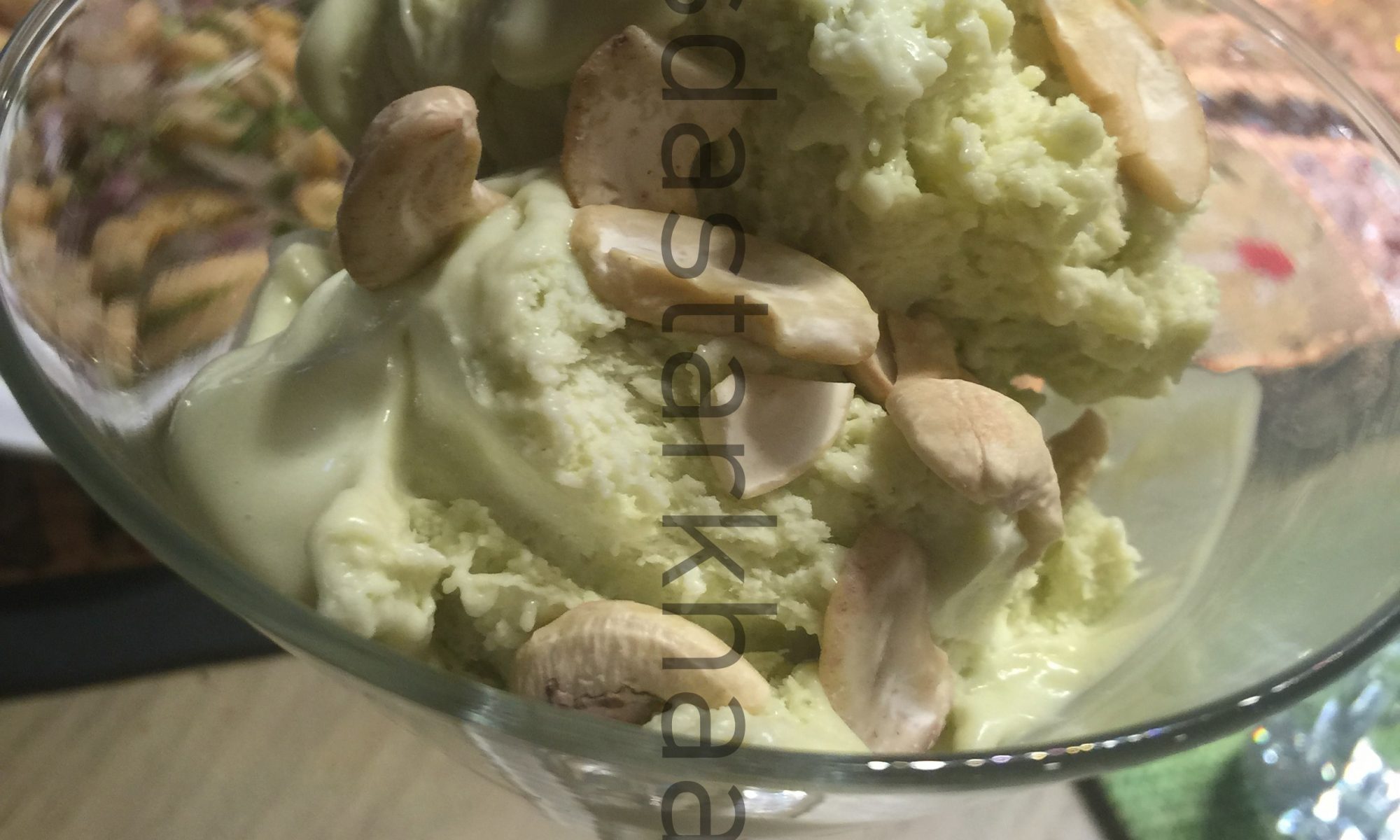
Avocado Ice cream

We love avocados…healthy, fresh and tastes great. Most of the times, we used them as a part of a salad, or make guacamole and serve it with tortilla chips.

So, taking a step ahead I tried the avocado ice cream. Mr. Parveez thought I am taking it a little too far, but it ain’t gonna hurt trying, Right??? So, I decided to try. Like all fruit based ice creams, this too has very strong Avocado flavor. I was surprised when I had some friends over as guests and I served them the Avocado ice cream and one of them said, “The taste of Avocado is pretty prominent”. And, I said to myself, “mmmm, did I say mango ice cream while serving, No, it is Avocado so it will taste avocado too.”…LOLzzz

Nevertheless, I love all my friends, with their great tastes and weird tastes. Some spice lovers, some sweet lovers, some generous with compliments, other prove it by over eating. But in all, they all are lovely and wonderful.

It is pretty simple and easy to make and is perfect for beginners. Its creamy, fresh and the taste of avocado makes it even more delicious.