Malaysian and Thai cuisines have always been favorites in our home, though finding halal options can sometimes be a challenge. It was actually Mr. Parveez who first introduced me to both, and over the years they have become cuisines we return to again and again.
What I appreciate most about these cuisines is how familiar their flavors often feel. There is a comforting connection between Indian food and many Southeast Asian dishes, where similar ingredients come together to create layers of warmth, depth, and complexity. Thai cuisine, for instance, frequently relies on ingredients such as peanuts, red chilies, coconut milk, and coconut cream, resulting in a beautiful balance of spice, sweetness, and richness. These are flavors that feel both comforting and intriguingly different at the same time.
Because we primarily consume seafood, we occasionally miss out on experiencing certain dishes as they are traditionally prepared. Recreating them at home, therefore, becomes our way of exploring those flavors—and in many ways, it has been a blessing in disguise. Not only does it allow us to experiment and learn new cooking techniques, but it also offers a healthier way to enjoy these dishes. Cooking at home means selecting fresh ingredients, controlling exactly what goes into the food, and serving it at its very best. That freshness not only enhances the flavor but also adds genuine nutritional value, making every bite feel lighter, brighter, and more satisfying.
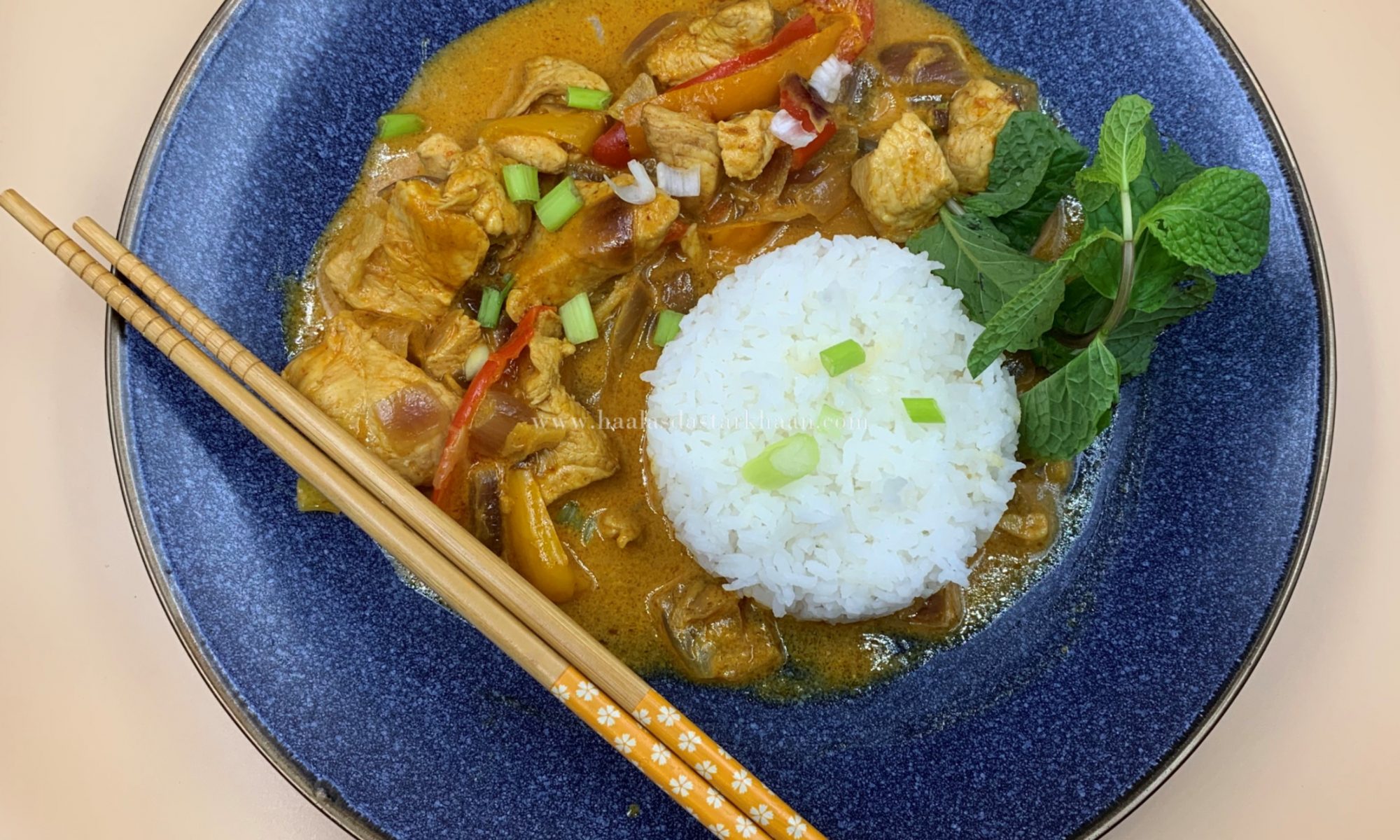
This particular curry is wonderfully simple to prepare. For convenience, I used a store-bought Thai red curry paste. Since it was my first time making this dish, I wanted to stay close to the traditional flavor profile rather than risk upsetting the delicate balance of spices and aromatics that makes Thai red curry so distinctive.
For the vegetables, I used bell peppers, onions, scallions, and garlic, though the choice is entirely flexible. Baby corn, snap peas, bamboo shoots, mushrooms, or any number of vegetables can be added depending on what you have available. That is one of the joys of Thai curries—their versatility allows every cook to create a slightly different combination of flavors, colors, and textures with each preparation while still preserving the essence of the dish.
Simple, flavorful, and endlessly adaptable, this curry is the kind of recipe that proves delicious food doesn’t have to be complicated. Sometimes, all it takes is a few good ingredients and a willingness to explore new flavors from your own kitchen.
Serve it with some boiled Rice and enjoy it warm.