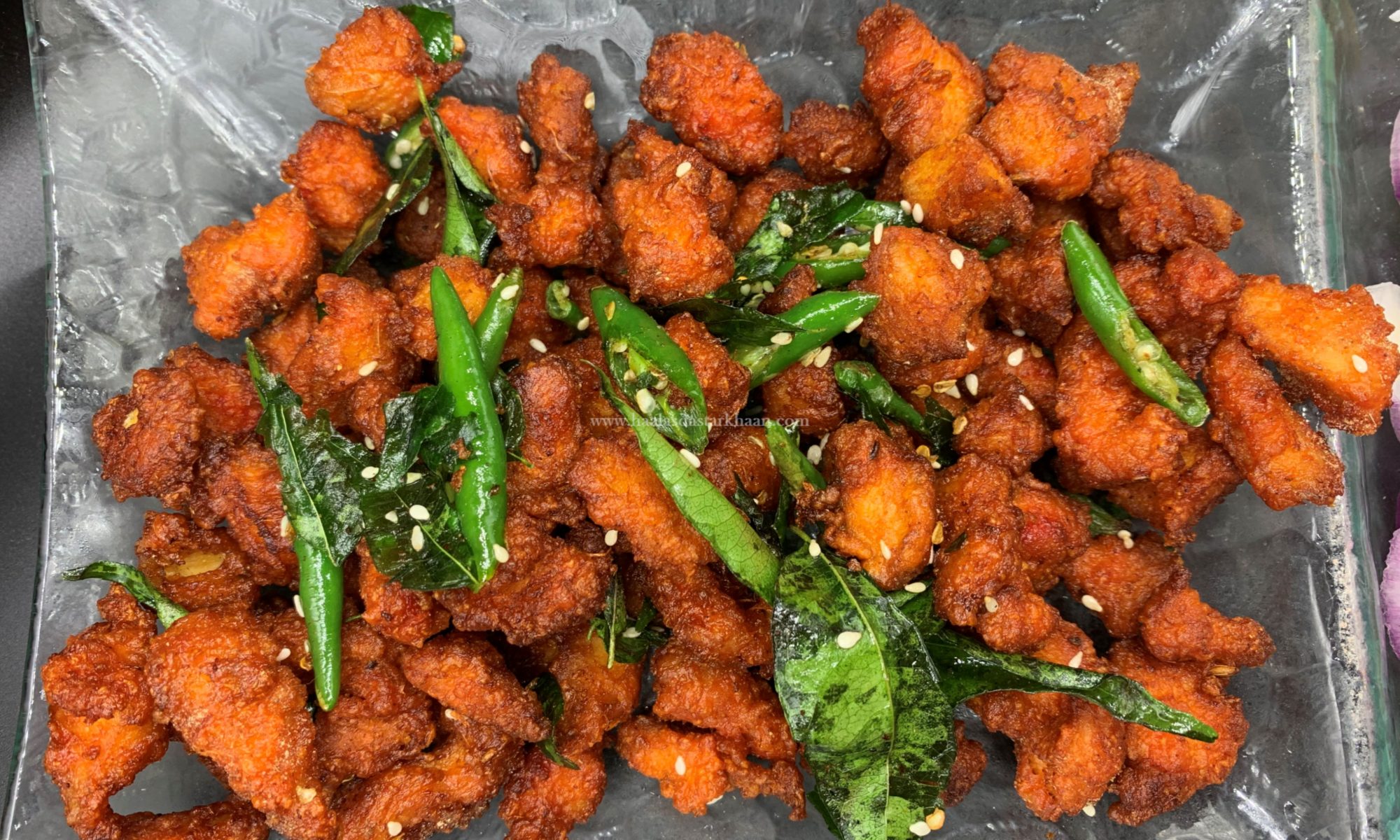
Chicken ke Sholay

Among the many varieties of chicken kebabs we have tried—both homemade and at restaurants—this particular one holds a special place in our memories. It comes from one of our favorite restaurant chains, with several branches across New Jersey and neighboring states. Before long, it became a family favorite, the kind of dish we would almost automatically order whenever we visited.

Then, quite unexpectedly, the branch closest to our home closed down. Anyone living in the United States knows that distances here can feel relative—but when we say five miles, that truly counts as “close.” Losing that nearby spot was certainly disappointing.

Still, moments like these often come with an upside: they inspire you to recreate the dishes you love in your own kitchen. I like to think of it as a small test of our culinary instincts—a chance to discover what we are capable of creating ourselves. And so, I decided to try making these irresistible bites at home.

It took a few attempts to get them just right, but when you genuinely love food and enjoy experimenting with spices, the process itself becomes part of the pleasure. The real challenge lies in finding that perfect balance of flavors—the exact level of seasoning and spice that captures the memory of the original dish.

In the end, those little kitchen experiments often lead to something even more rewarding: new favorites at the family table—dishes that are not only delicious, but made with care and love, which somehow makes them taste even better.

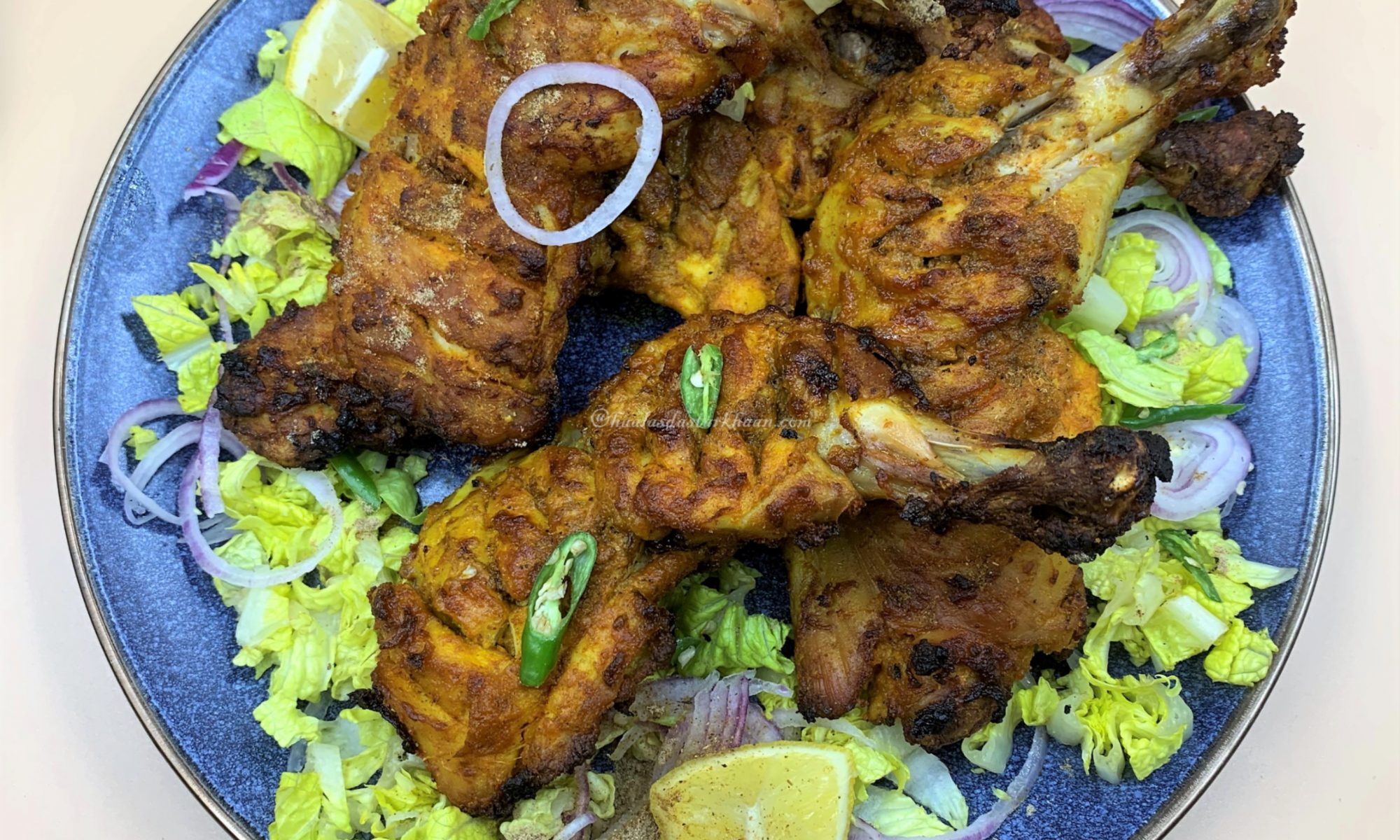
Murgh Darbari Tangdi Kebab

As the name suggests, this recipe traces its inspiration to the grand culinary traditions of the Mughal era — a time when food was not merely sustenance, but an art form. It is often believed that dishes like these may have been favorites in the royal courts of Emperor Akbar, where elaborate kitchens produced some of the most refined cuisines the Indian subcontinent had ever seen.

Exploring the history behind such recipes is just as fascinating to me as cooking them. Many of the whole spices we now consider inseparable from Indian cuisine — cinnamon, bay leaves, cardamom, cloves — became widely popular during the Mughal period. These were blended with indigenous ingredients already present in India, such as turmeric, chilies, and coriander, giving birth to deeply layered flavors that still define much of North Indian cooking today. The result was not just new dishes, but entirely new culinary traditions — kebabs, kormas, rich gravies, and the many forms of biryani we enjoy today.

What makes this period especially remarkable is the cultural exchange it fostered. The Mughal courts brought together Persian, Central Asian, and Indian influences, creating food that was luxurious yet rooted in local tastes. Many of the dishes we now call “classic” were, in essence, early forms of fusion cuisine — long before the term existed. Acceptance, adaptation, and creativity combined to produce flavors that have endured for centuries.

Kebabs themselves are often considered a gift from the Middle East to the wider world. Over time, they evolved in countless regional styles across India, each with its own spice balance, cooking method, and personality. Whether grilled over open flames, cooked on skewers, or pan-seared, kebabs remain one of the most beloved expressions of this culinary heritage.

The Mughal era also left a profound mark beyond food — in architecture, art, language, and cultural traditions. For me, it represents a time when diverse influences came together to create something enduring and beautiful. In India, food has always been a powerful bridge between cultures, religions, and communities. Festivals are shared, kitchens are opened to neighbors, and meals become celebrations of togetherness. It’s a reminder that cuisine is not just about ingredients, but about people, memories, and shared experiences.

Historical accounts suggest that Emperor Akbar had an exceptional appreciation for fine food, and the royal kitchens prepared an extraordinary range of vegetarian and non-vegetarian dishes tailored to his tastes. Queen Jodha is also said to have taken a keen interest in culinary matters, ensuring that meals reflected both royal grandeur and personal preference. While exact recipes from that era are rarely documented in detail, they offer enough clues to inspire modern recreations.

This kebab recipe is my interpretation of what such royal flavors might have been like — rich with aromatic spices, balanced yet indulgent, and deeply satisfying. While it may not be identical to the original dish served centuries ago, it aims to capture the spirit of Mughal cuisine: elegant, bold, and unforgettable.

Each recipe I share may use familiar ingredients, yet the proportions, techniques, and combinations make every dish unique. The only true way to understand it is to cook it, taste it, and experience the flavors for yourself.

I hope you enjoy these kebabs as much as I did — a small, delicious journey back in time. 🍢✨
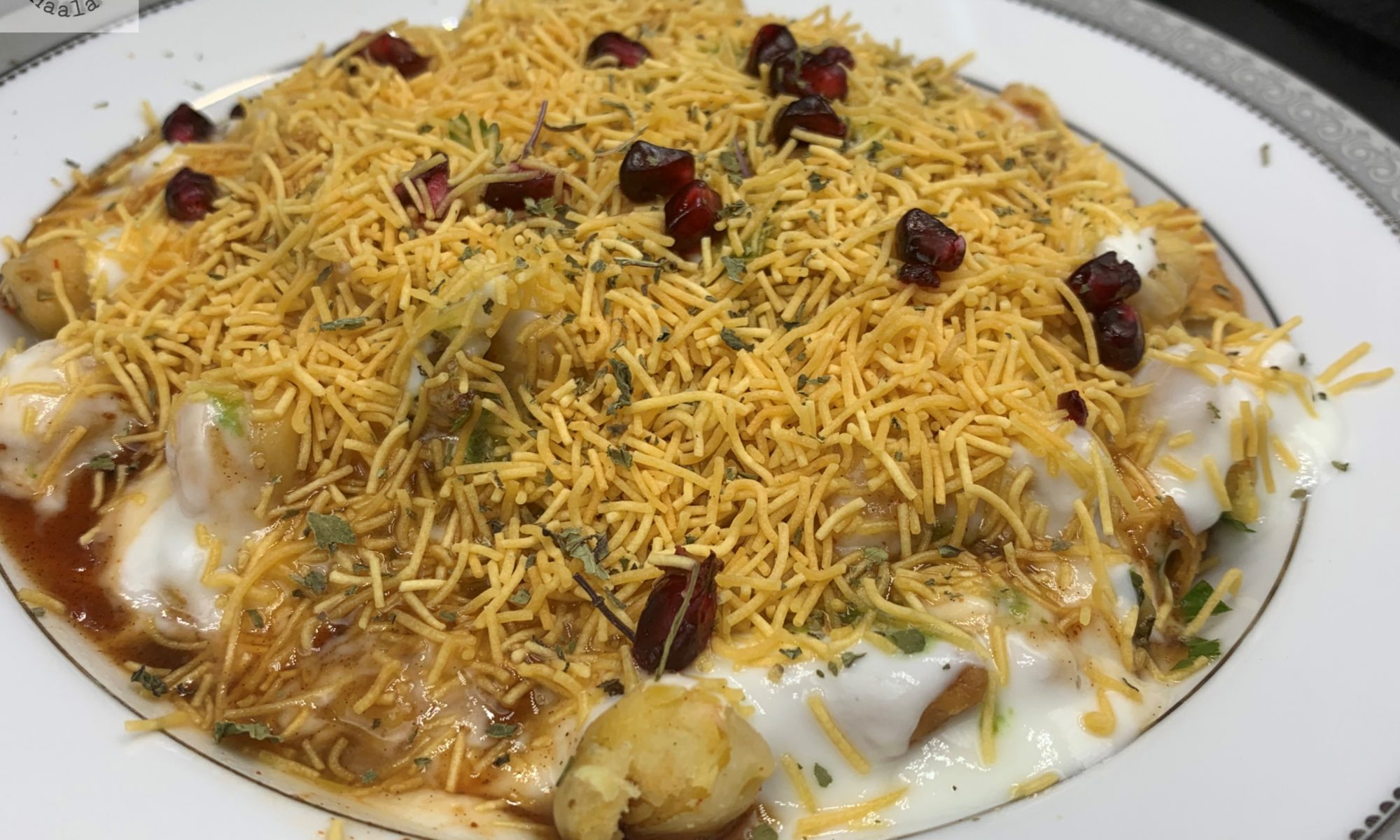
Dahi Chhole Papdi Chaat

We are a family that loves chaats. Anything and all kinds of chaats are made in our kitchen and make it to our table. My chaat venture was restricted to Aaloo tikki chaat and occasional paani poori. Mr. Parveez always loved eating chaats, and he would even make Masala Poori at home when we got married. After we got married, he tasted Aaloo tikki chaat and he loved it. Since the, I would always try and experiment with different kinds of chaats, including chaats with sprouts, fruits and beans.

Chhole make an awesome addition to every chaat. Once you mix them up with onions, coriander leaves, green chilies, chutney and yogurt, it really absorbs the flavors and tastes delicious. This chaat is crunchy, crispy and full of sweet, sour and mouth tingling flavors. It tantalizes your taste buds opening up to so many different tastes.

This is a quick answer to chaat time craving. The whole process never takes too long, specially if you have boiled chickpeas. I usually soak and boil mine and make small packets in the freezer. Though using canned chickpeas is absolutely fine as well, but I just prefer mine to be homemade, since it isn’t too time consuming. Chaat cravings always need quick answers and this is soul satisfying to any chaat lover. Enjoy!!!

Chhole Tikki Chaat

I belong to Rajasthan, the land of flowing ghee, beautiful people and the most colorful state of India. Marwaris love chaats, specially the ones that are fried and warm and trust me, no one can make chaats and sweets better than Marwaris. That’s the reason we always see most sweet vendors and chatwalas as Marwaris.

I have been a big fan of chaats and this happens to be one of my favorites. It takes a little time to make it, but one bite into this awesomely delicious food and all the effort seems totally worth it. This chaat is also close to my heart because this was the first dish that portrayed my culinary skills and he felt proud that he is getting married to a promising cook.

Now, I learnt to make this chaat through a family friend, who would offer to cook food for us every Ramadan. Honestly, that was the first time I realized that such good street food can also be cooked at home as well. I was 11 then, and I would always be a little helper. With time, I learnt how to make it by myself and it always has pleased everyone who tried it.

The tikkis are made with boiled potatoes mixed with spices and rolled in mix of Maida and Corn Starch Powder, before pan frying. The corn starch makes the tikkis super crunchy and that is exactly how you want them to be. Specially once you add on hot chhole, the tikkis can get soggy very quickly. Corn starch helps it stay crunchier for longer.

The chhole have to be spicy and tangy, giving that perfect chaat taste to the tikki chhole. Adding Tamarind and dry pomegranate powder to chhole makes it taste just like the street foods in India. I usually soak my chickepeas, boil them and once cooled down, I pack them in separate ziploc bags and freeze them. I like to make loads of chaats that include chickpeas and this is one of my favorites. So, not having chickpeas, since they need to be soaked overnight, is the last thing I need to worry about if I feel like making chaat.

Assembling this chaat is what makes it taste more delicious. You can make the best Tikkis and chhole, but if you don’t assemble the chaat the right way, it wouldn’t give you flavors you are looking for. It has to be served warm on top of potato tikki and further garnished with chopped onions, coriander leaves, Tamarind date chutney, Green chutney and thin sev.

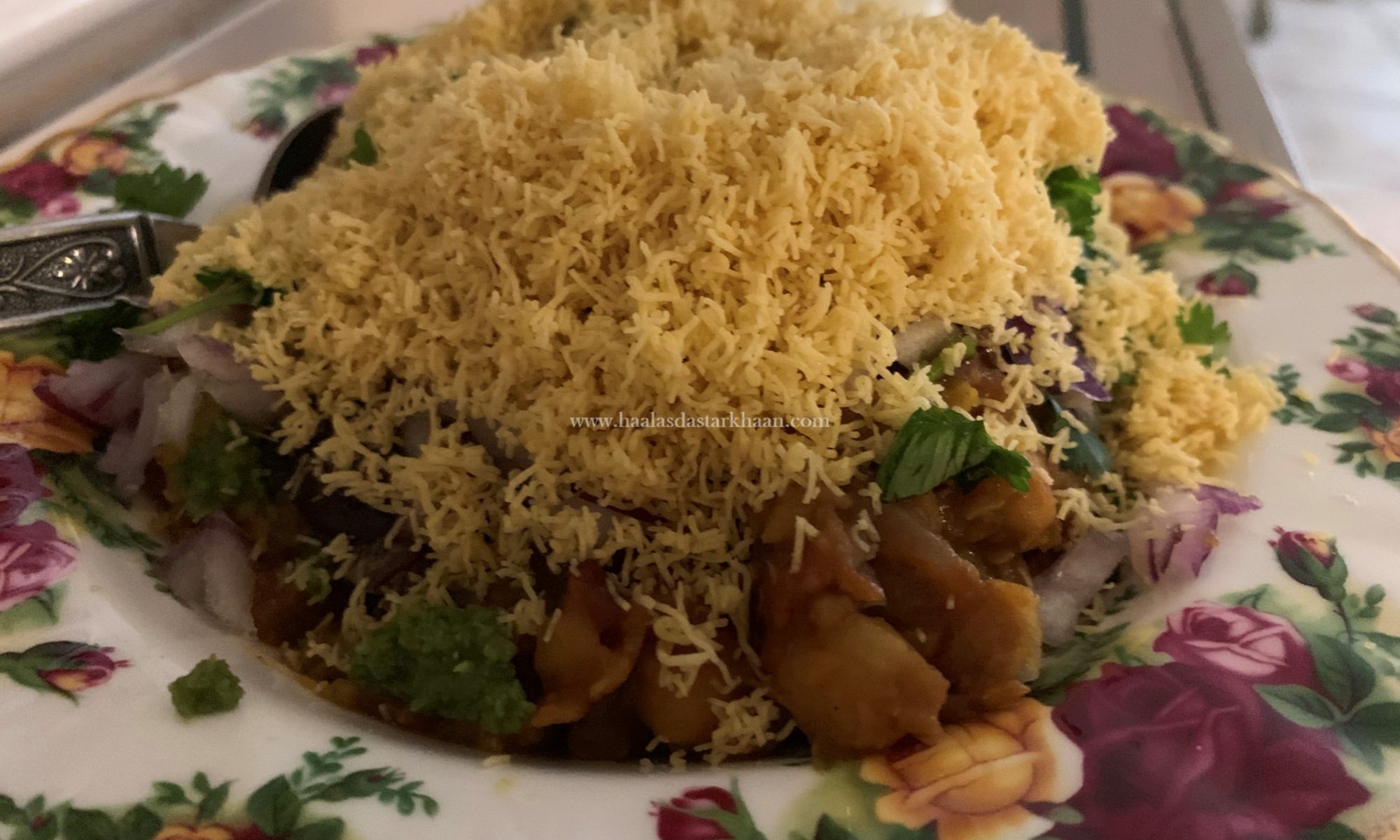
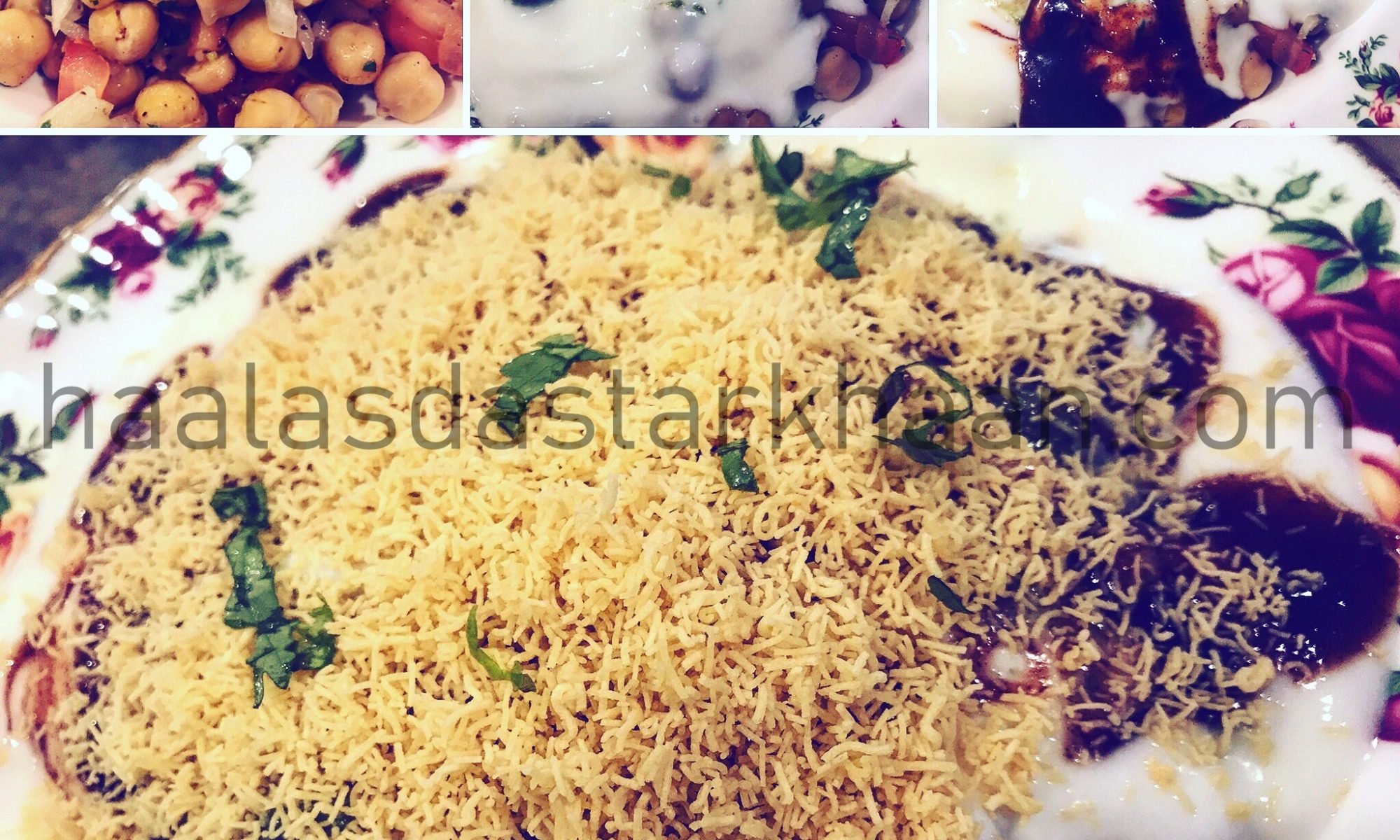
Chhole Sev Chaat

Do you ever have those days when you feel like having something filling, flavorful, colorful, sweet and sour, but you don’t want the dish to be heavy and not too filling. It’s one of those days when you don’t want those extra calories to pile up but, it’s hard to give up on that craving.

Well, this dish is for those days. To me, its a perfect weekend lunch. Our weekend lunch is difficult decision to make, specially on Sunday. My boys have sports and morning are always eggs, banana and milk or smoothies. After spending most of our day at sports ground and returning home at 2 PM, you can imagine the huge hunger pangs and growling stomachs.

At this point, serving my boys with kebabs or burgers is fine since they can easily digest it but the problem is that with 4 hours remaining in dinner, you want something filling but nothing too heavy. This dish is is perfect for those days.

Chhole/chickpeas are rich in fiber, vitamins and minerals. Mixing them up with tomato, onion, coriander leaves and few spices with yogurt, chutneys and sev make an excellent chaat which is satisfying to your belly and craving. A mouthful of delicious bites without the fear of adding extra calories.

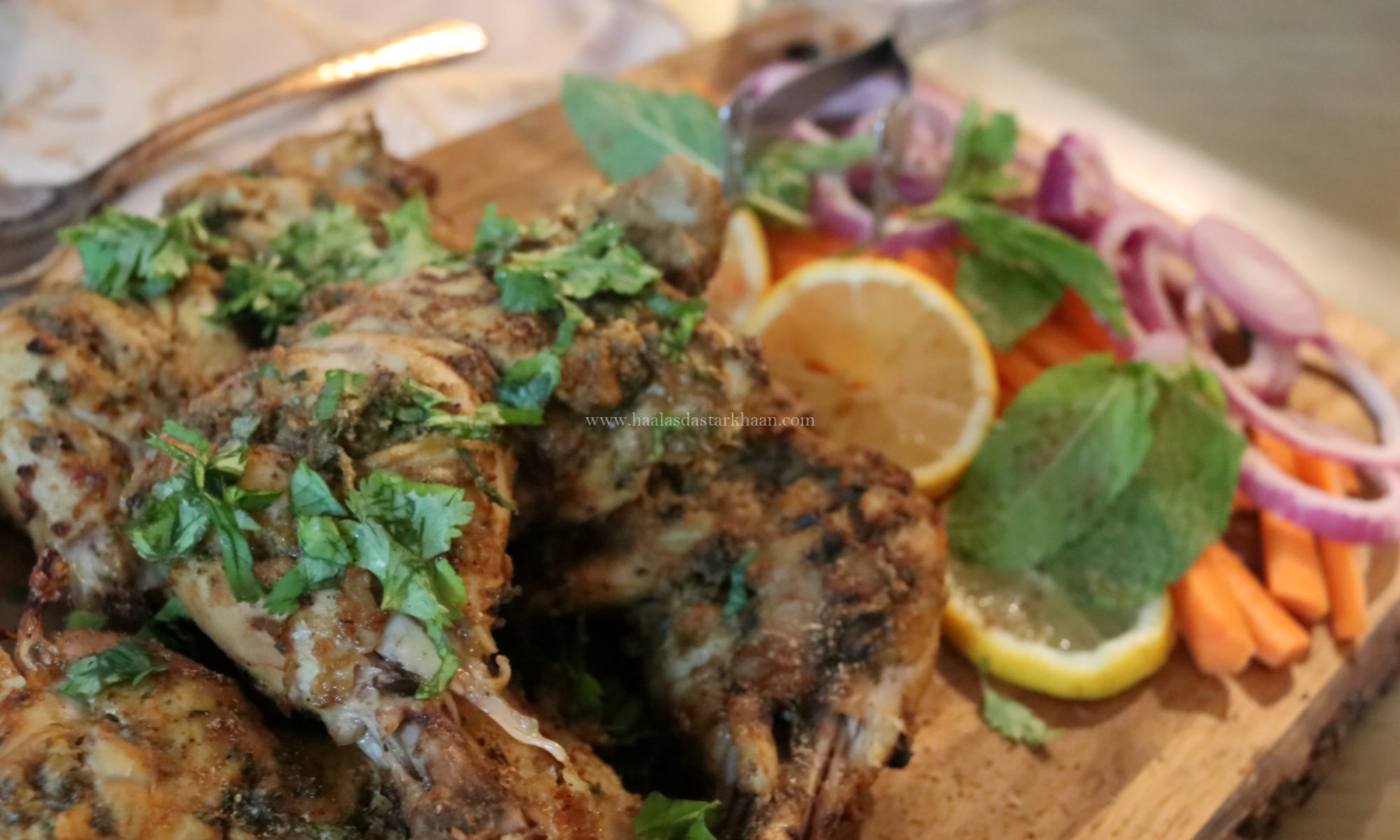
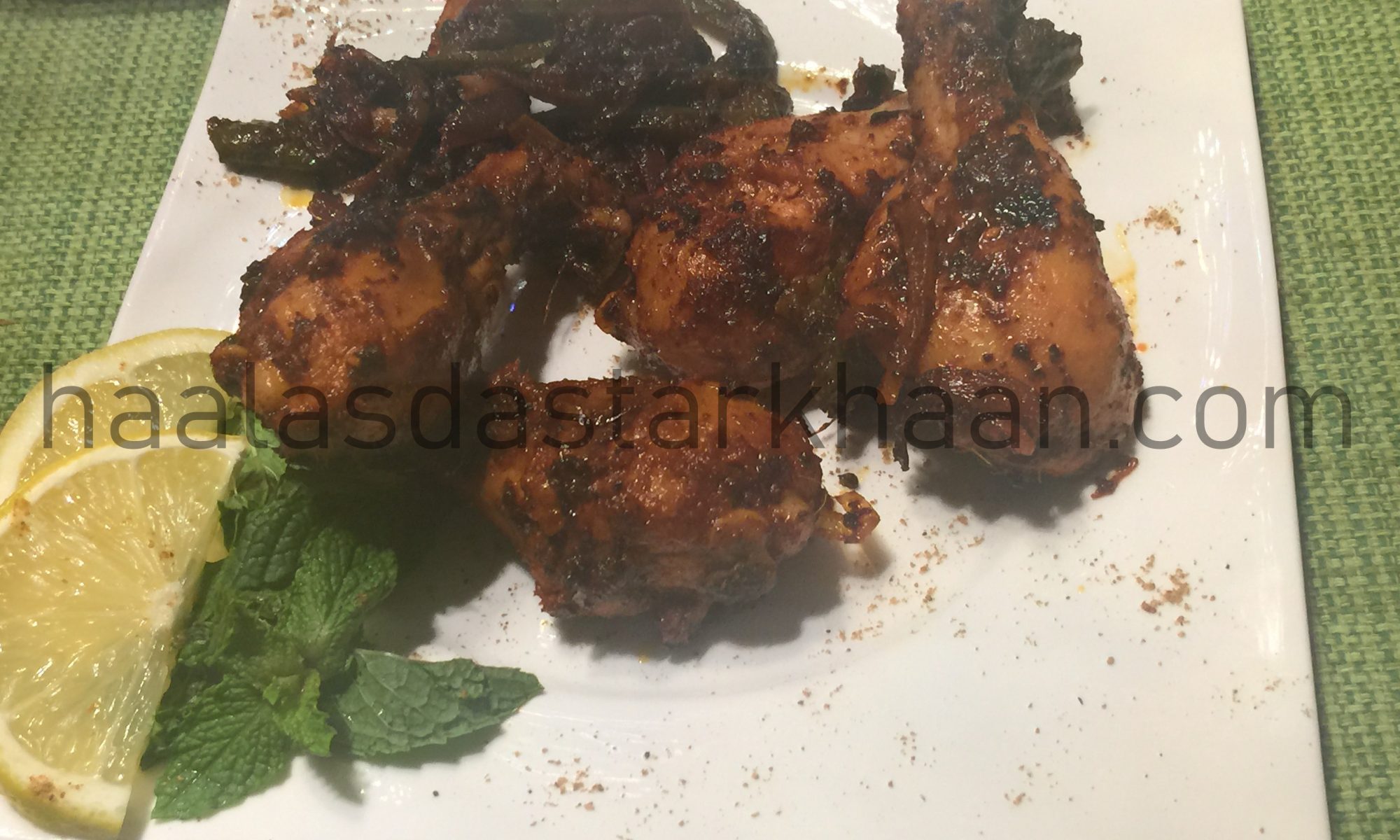
Chatpata Murgh Tangdi Kebab

A unique recipe from Old Delhi, Purani Dilli ki Jama Masjid ki galiyaan. I have literally known that area almost by heart. Okay, may be not the whole area, but definitely the famous restaurants, Kareem and Jawahar happen to be my father’s favorite. I remember as a young child looking forward to going to Jama Masjid just for the food and how much I wished those days that we should have lived in Delhi. My idea of living in Delhi soon changed as I got older thanks to the heavy traffic, but my taste buds still crave the lovely food. I think that might be the only reason most of my Kebabs are inspired by the flavors i experienced as a kid.

It’s one of the kebabs made specially during Ramadan. As much as Jama Masjid is popular for its non vegetarian cuisines, but some dishes are exclusively for this special month. This dish happens to be one of those special ones. The marinade is easy to do and it adds a lot of flavor to the chicken legs. The best part about the marinade is that it leaves the Kebab moist from inside with a crunchy exterior. I cooked these in the oven, but you can always barbecue them or even cook them on a pan. An oven though is always preferred. The second best thing after an oven would be a Gas Tandoor.

I would recommend you to marinate the kebabs for at least 3 hours, but if you happen to be in a rush, an hour in the refrigerator would also be fine. The result might not be as amazing, but still good.

This Kebab chatpata as the name suggests and makes a wonderful side dish to your regular dishes and will also amaze your guests.

Kasoori Methi Chicken Tangdi

We were in South Carolina. One of my favorite places for a vacation. Gorgeous beaches, lovely weather and awesome drives. Our vacation to South Carolina has mostly been a summer visit and since we love driving down to South Carolina, our stay is usually 8-10 days.

South Carolina being a beach front, it is rich in seafood and we love it, but staying somewhere for 10 days and not getting your meat/chicken is difficult. So, believe it or not I freeze my chicken and meat and then take them in an ice box with frozen ice bags, that ensures the chicken stays frozen till we complete our 12 hour journey.

I tried this recipe as a fluke and the result was extra ordinarily amazing. This tangdi kebab can be made with boneless chicken as well.

Chicken Kebab Kurkura

This recipe was an invention on a kids play date. The kids wanted fried chicken, well kind of fried and something that tastes close to tandoori, and it shouldn’t be something that they have already tasted. Oh Boy! Do you have kids who can test your creativity to a complete different level. Well, fortunately I do…LOLzzz. And as much as it tires and drains me out at times, it leaves me with the happiness of being able to create more recipes and compete with my own self to come up with something better.

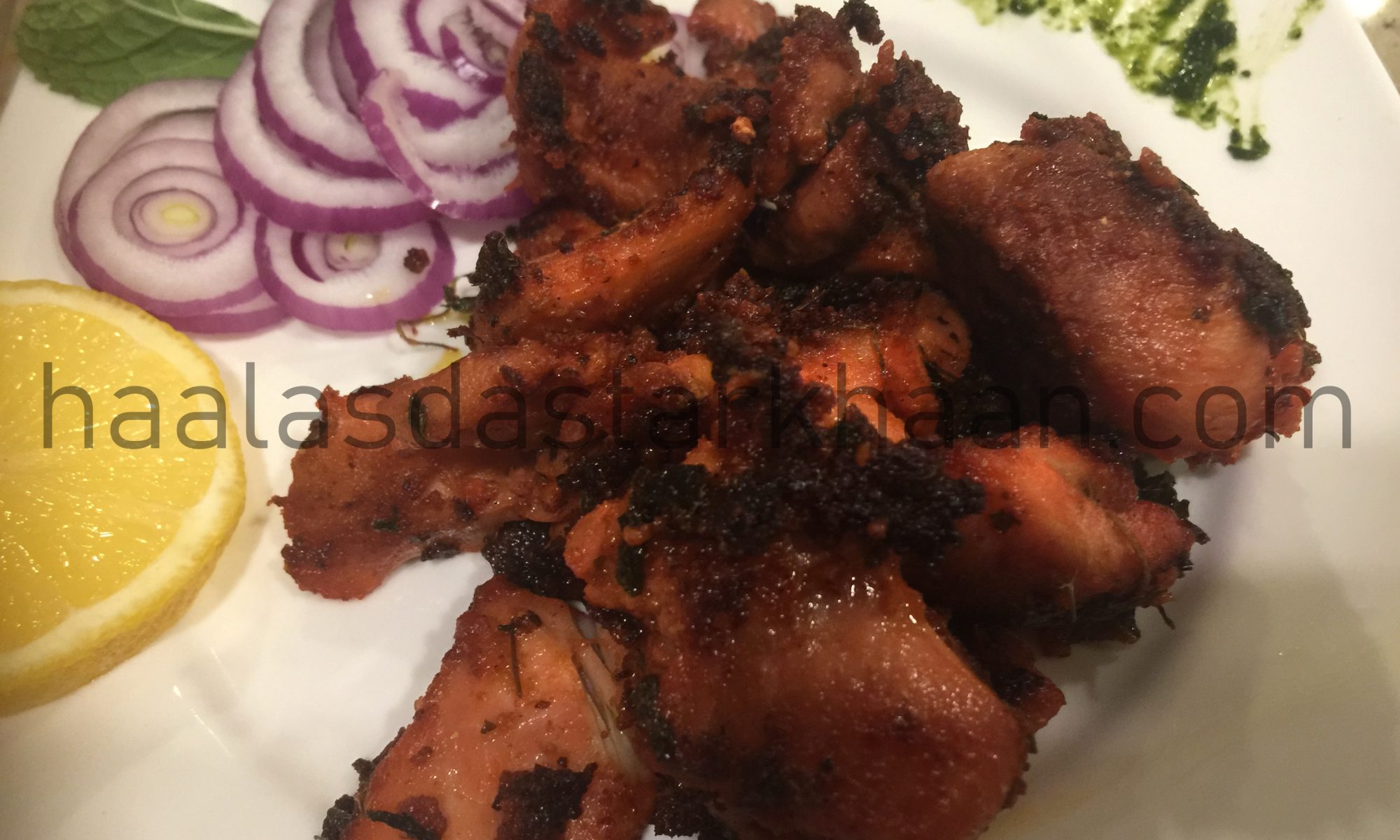
Chicken Golmaal

I came up with this recipe on a Friday night, returning after my son’s soccer match, with 2 tired and hungry boys. Looking at the thawed chicken on my chicken island reminded me how I assumed that I would be home by 6 PM and will have enough time to cook the chicken and I spent the time leisurely enjoying the evening traffic on NJ turnpike.

Anyways, I had to make something out of this chicken, something yummy and before my boys were done with their shower. This is when this super quick chicken was invented. The name comes after all the masalas and spices used.