Chicken Pita Pockets

Every culture holds its own treasures within the kitchen, and each country offers flavors that tell a story. Exploring diverse cuisines goes far beyond simply tasting food—it is, in many ways, an immersive way to experience the traditions, history, and spirit of another culture.

This recipe, with its subtle Middle Eastern and Greek influences, was inspired by that very idea. At a more personal level, however, it grew out of a simple parental instinct—the desire to find an engaging way to serve my children more vegetables. These pita pockets proved to be the perfect solution: wholesome, vibrant, and generously layered with flavor.

In all honesty, getting children to eat their vegetables has become a familiar challenge for many parents today. Finishing what is on the plate—let alone meeting the recommended daily portion—can often feel like an uphill task. While vegetable curries are typically a reliable option, with children like mine, even those dependable favorites do not always guarantee success.

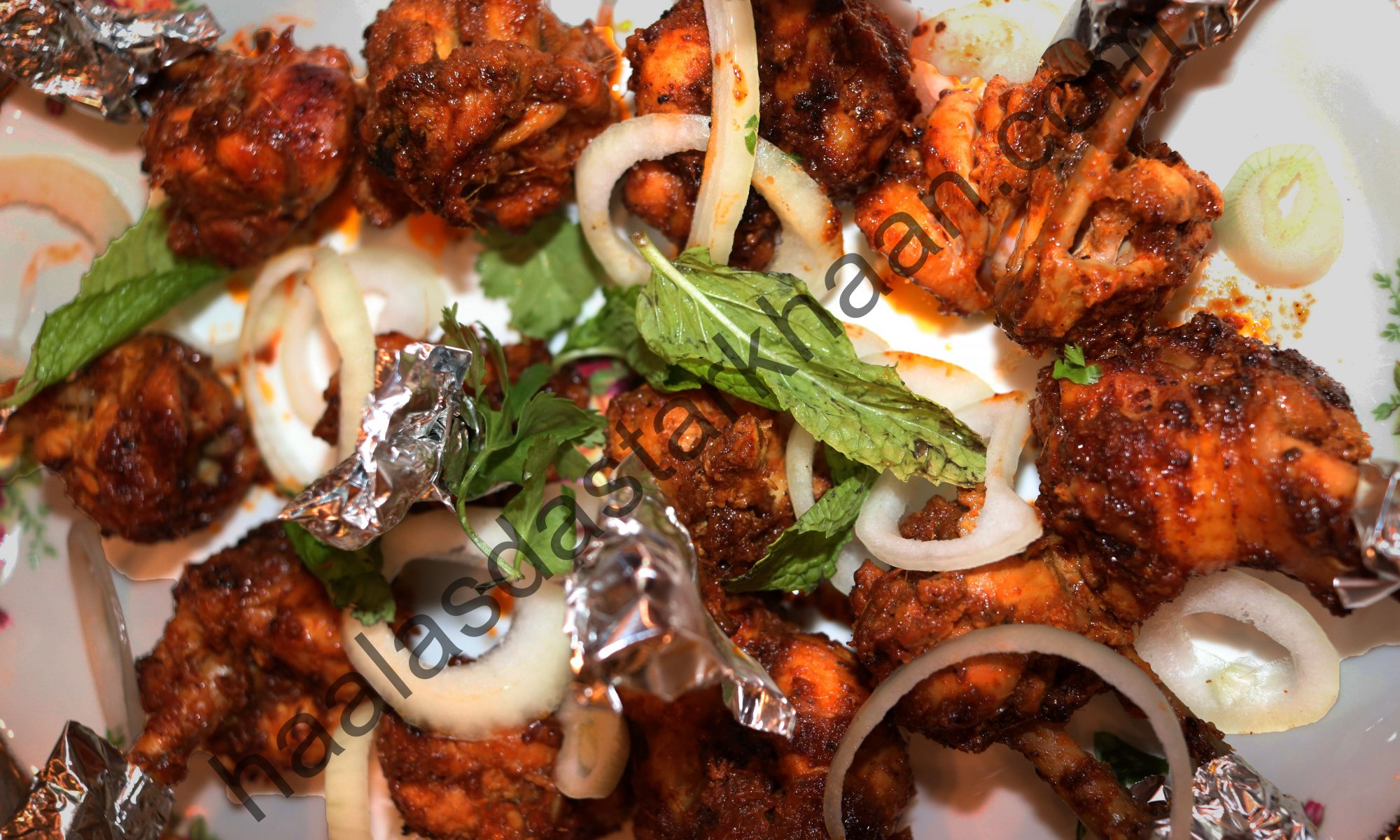
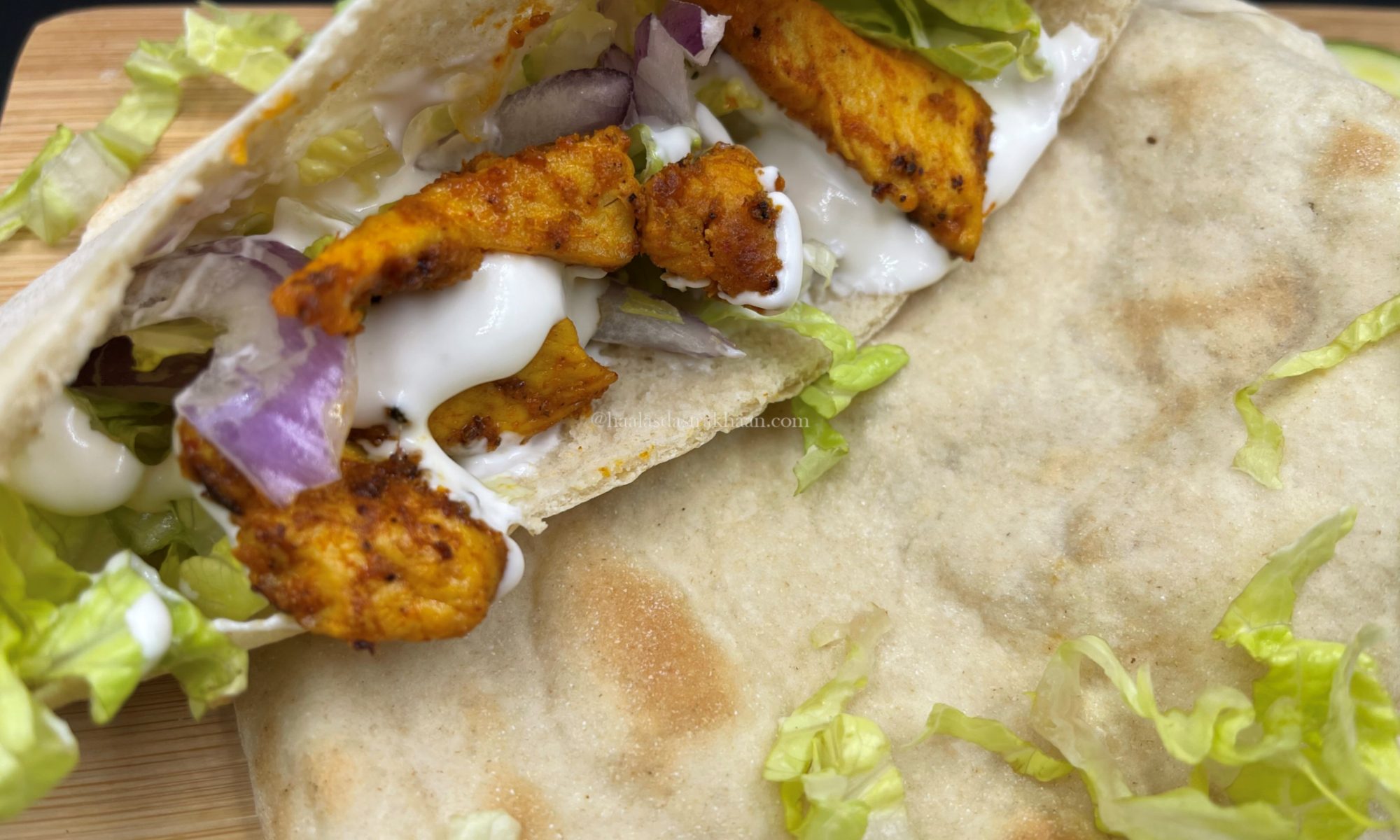
That is precisely when this dish becomes a true savior. The chicken is prepared with minimal oil, while the filling is generously packed with fresh vegetables, all neatly tucked into soft pita pockets. The result is a meal that is vibrant, flavorful, and—most importantly—enthusiastically approved by the kids.

Exploring the world through food does not always require a plane ticket—it can begin right in your own kitchen. Preparing dishes inspired by different countries is one of the simplest, and most delicious, ways to experience the richness of another culture.

These chicken pita pockets are an ideal place to begin. Bursting with flavor, generously filled with vegetables, and wholesome enough to serve without hesitation, they strike a wonderful balance between nutrition and taste. With their bright, Greek-inspired profile, they work beautifully for either lunch or dinner—and are certainly hearty enough to stand alone as a complete meal.

The pita pocket itself is one of the most practical and versatile sandwich breads to work with. Easy to open and neatly portioned, it creates the perfect vessel for a well-balanced filling. I often slice each pita in half to form two tidy pockets, making serving both convenient and appealing.

These chicken pita pockets perfectly demonstrate how chicken and fresh vegetables can come together in a dish that is both nourishing and deeply satisfying.

Pita pockets are, without question, among the most versatile sandwich breads to work with. They are easy to open and portion, and I often slice each pita in half to create perfectly sized pockets.

Chicken pita pockets beautifully illustrate how tender chicken and fresh vegetables can come together in a dish that is both wholesome and deeply satisfying.
Homemade Buns / Paav

I still remember when the trend of Paav Bhaaji first reached my town. I was in elementary school, and I instantly fell in love with its bold, buttery flavors — just like everyone else in my family. The funny part was how suddenly it became everyone’s favorite dish, almost overnight, as if the whole town had collectively discovered something magical.

I never got to experience Paav Bhaaji at the bustling roadside stalls, though I secretly always wanted to. In the small town where I grew up, it simply wasn’t considered appropriate for women to stand and eat at street-side eateries back then. Writing about it now makes it feel like a story from another era, yet in reality, it was only a few decades ago. What amazes me most is how dramatically my town has changed since then — in ways that are both exciting and a little unsettling.

Small towns have a charm that’s hard to describe. Life moves slower, people are warmer, and there’s a comforting sense of familiarity everywhere. I remember walking down the street and meeting dozens of people I knew within a mile — neighbors, shopkeepers, friends, extended family. Today, I might still pass just as many people, but that effortless warmth and connection seem to have faded with time.

Coming back to Paav Bhaaji — since I couldn’t go to the stalls, my father would bring it home as takeaway, and those evenings felt special. We would gather around, tearing into buttery buns and savoring every spoonful of the spicy bhaji. Eventually, my mother began making it at home using store-bought masala, and before long, her version became a family favorite too. Over time, she developed her own blend, and the homemade Paav Bhaaji masala I use today is still based on her recipe — simple, flavorful, and filled with nostalgia.

I’ve made Paav Bhaaji many times over the years, and I enjoy it just as much every single time. My mother preferred adding a variety of vegetables like cauliflower and carrots, making her version hearty and wholesome. I, however, like to keep it simple with just potatoes and bell peppers. Somehow, this pared-down version brings me closer to the bold, street-style flavors that first captured my heart.

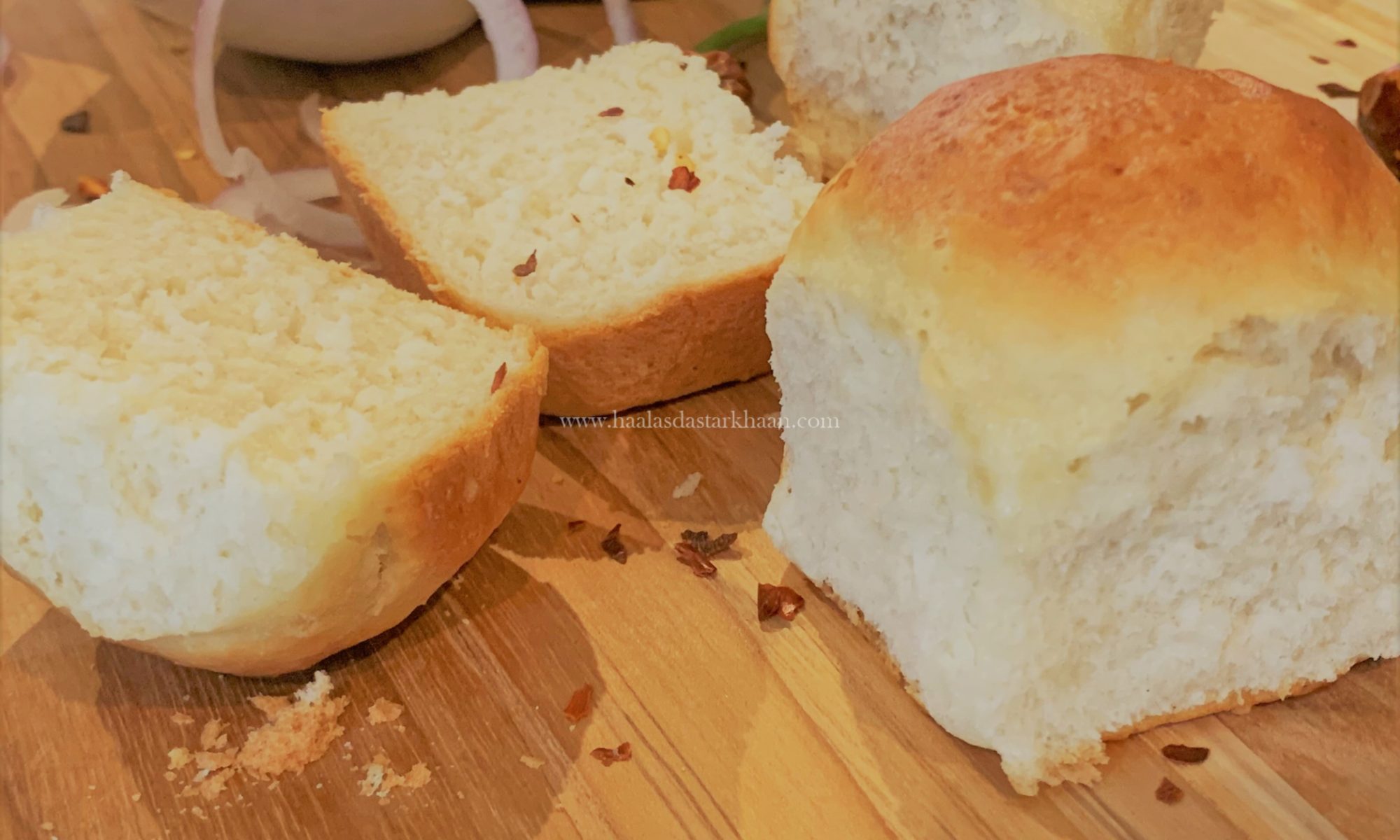
The paav in this recipe are homemade too, and they’re surprisingly easy to prepare. If you follow the steps carefully, you’ll end up with soft, pillowy buns that rival any bakery version. While these buns are delicious with many dishes, paired with bhaji they become truly irresistible.

For the perfect finishing touch, slice the buns in half, spread them generously with butter, sprinkle a little Paav Bhaaji masala, and toast them on a hot tava or pan until golden and fragrant. That simple step transforms them completely — crisp on the outside, soft on the inside, and infused with rich, buttery spice.

Some recipes feed the stomach, but others feed the soul. For me, Paav Bhaaji has always done both. ✨

Cheesy Garlic Pull Apart Bread

Who doesn’t love garlic bread? I’ve honestly never met anyone who could resist a warm, buttery slice loaded with garlic. Growing up, I was convinced that garlic bread and pizza were inseparable — the ultimate duo — thanks to a certain popular food chain. For me, ordering pizza without garlic bread as an appetizer just didn’t make sense, and I’m sure those famous pizza places have seen plenty of customers like me over the years.

As much as my family enjoys the occasional restaurant treat, there are times when ordering out just isn’t practical — or desirable. Beyond the cost, there’s always that lingering question about freshness, preservatives, and how the food was actually prepared. Not that takeout is inherently bad, but relying on it too often doesn’t feel like the healthiest choice. And when you can cook, making a homemade version becomes both reassuring and rewarding.

Traditionally, garlic bread is made using a crusty loaf like a French baguette or sometimes ciabatta. The bread is partially sliced so the garlic butter can seep into every crevice while keeping the loaf intact, then baked until crisp on the outside and soft inside. Some versions use olive oil and fresh garlic, others rely on butter and garlic powder, and sometimes the loaf is split lengthwise and topped before baking.

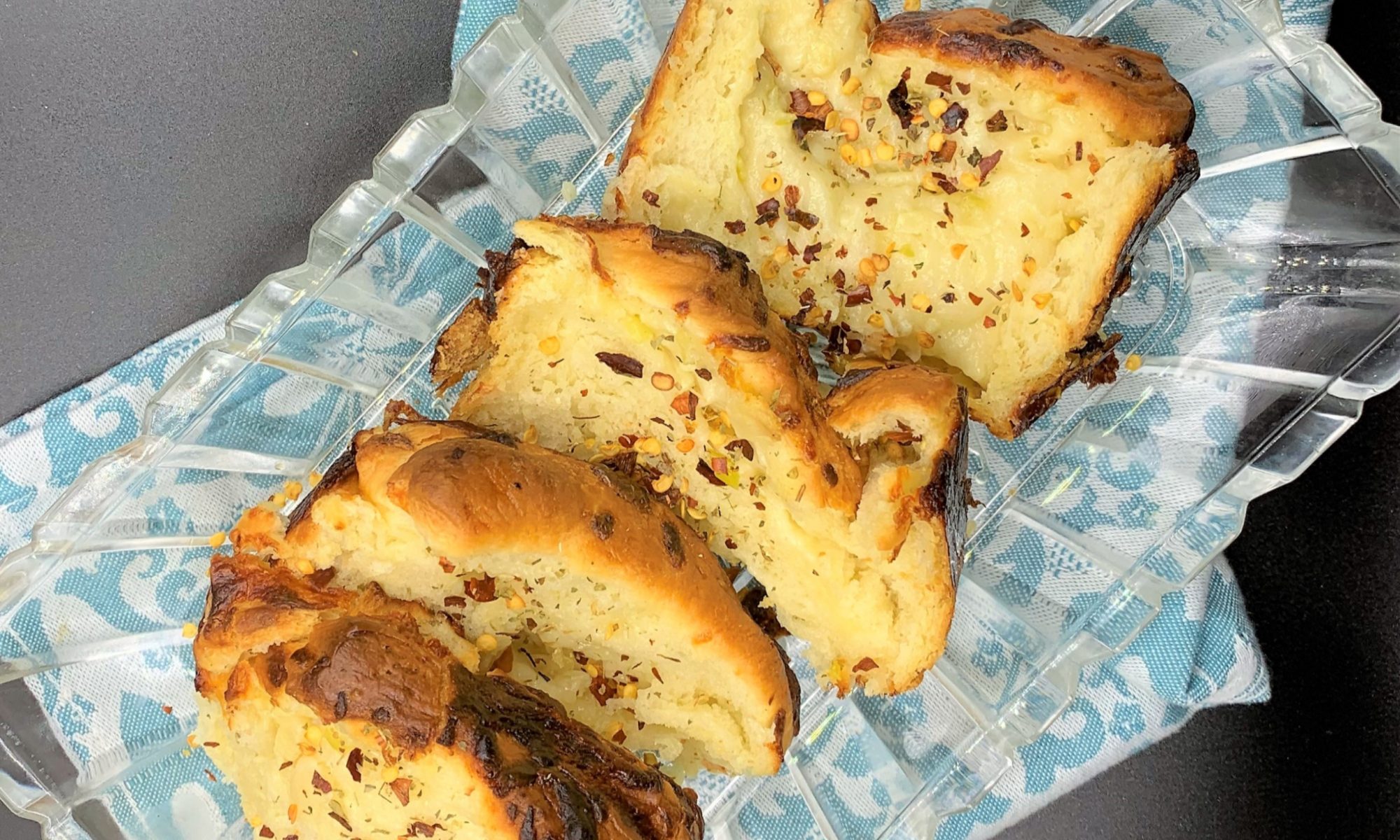
I decided to do something a little different — starting from scratch. Instead of using a ready-made loaf, I made a soft, enriched dough using warm milk, yeast, egg, flour, sugar, salt, and butter. Once the dough had risen beautifully, I kneaded in minced garlic, more butter, and fresh scallions, which added both flavor and a lovely aroma. After shaping, I topped it with a generous sprinkle of cheese before baking.

The result is somewhere between classic garlic bread and a soft pull-apart loaf — fluffy, buttery, garlicky, and incredibly comforting. Served hot from the oven, the cheese melts into the bread while the garlic perfumes the entire kitchen. Every bite is soft, rich, and full of flavor, with just the right balance of indulgence and homemade goodness.

Sometimes the simplest foods bring the most joy — especially when made fresh, shared warm, and eaten straight from the tray.

Serve hot, tear into it while it’s still steaming, and enjoy every oozy, garlicky bite. 🧄🧀✨

French Baguette

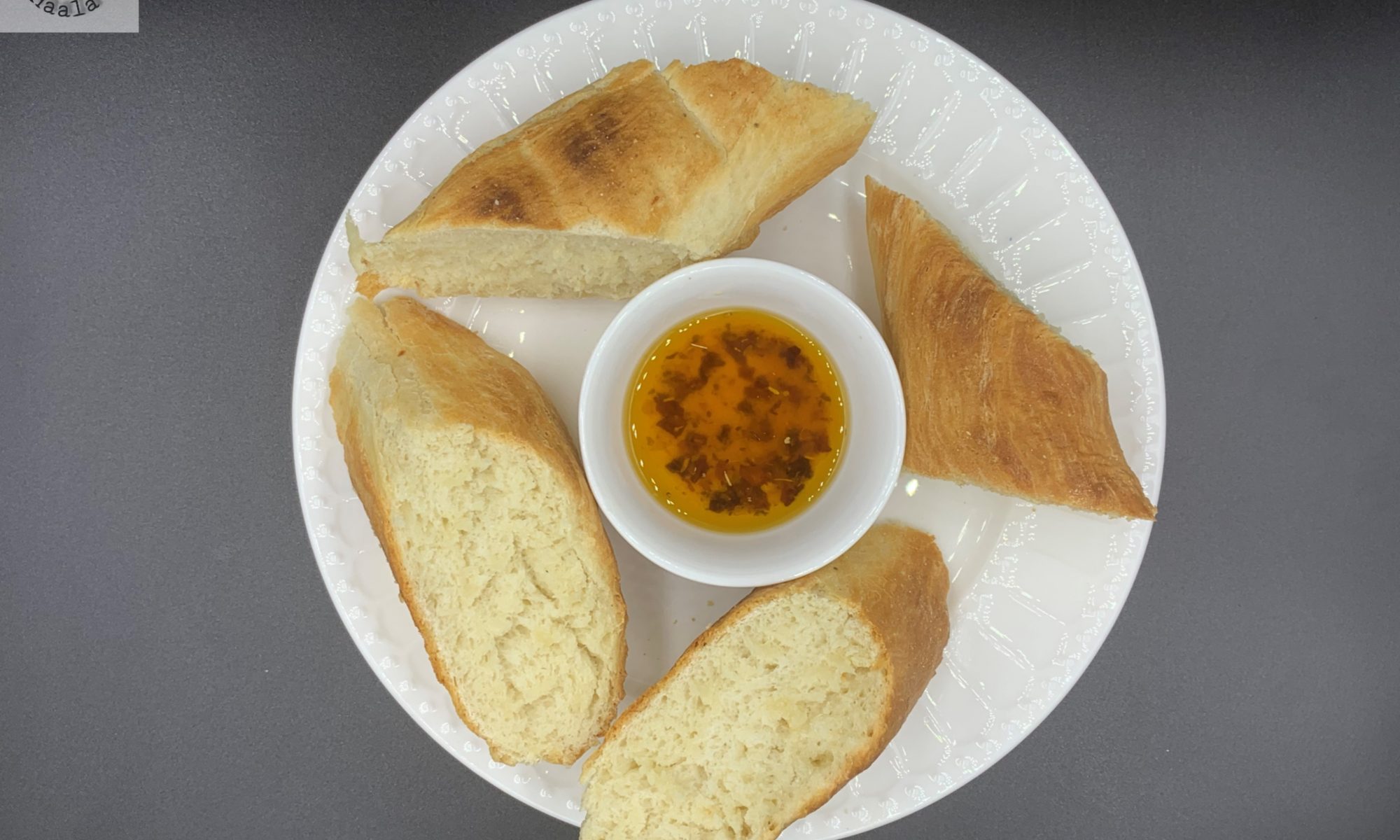
My boys love eating bread. Specially if the bread is served straight out of the oven. Baguette, the long delicious French Bread seems to be a family favorite. Every restaurant that served a good bread had us visiting them more often. Every time we bought French Baguette from our favorite baker, I would reheat it in the oven to make it taste fresh, which was great but not the same. And, that’s when I thought I should try making my own baguette at home. Honestly, looking at so many different recipes, I felt that Baguette wasn’t all that fancily difficult and I decided it was time I just make it.

Now, when I think of France, I think of high end fashionable people, Eifel Tower and also a girl riding a bicycle with a basket full of long loaves of French bagutte Those long loaves are called “baguettes.” (The term comes from the Latin word for “stick.”) They are iconic, and France’s reputation for incredibly crusty and delicious baguettes is known far and wide.

They say that nothing can come close the bread you can get in France. I’ve never been, so I can’t say for sure, but I think you’d stand the best possible chance if you make it yourself. I mean, how could anything be better than a freshly baked loaf of bread? That crackly crust, the tender, airy crumb inside, steamy and yeasty and just begging to be torn into.

This recipe has just 5 ingredients: water, Oil yeast, flour, and salt. But the results are magical. And it’s all because of the technique. Start by dissolving the yeast in warm water. While that is doing its magic, combine the flour and salt. Create a little well in the center, and add in the yeast. Stir it around, taking flour from the outside edge and bringing it into the well, a little at a time. Keep stirring, and adding Oil followed by water as needed, until a shaggy dough forms. You can also use a stand mixer. Now just cover it loosely, and let it rest. For this type of bread, there’s not a lot of kneading involved. It only needs a few quick folds, to become smooth. Place the dough into a greased bowl and cover it tightly. Allow it to proof (or rise) in a warm place until doubled in bulk.

Divide the dough into 4 equal portions, and shape into long logs (about 15 inches long) with pointed ends. Cover with oiled plastic wrap, and allow to rise a second time. While the baguettes are rising, fill a baking pan with water and place it in the bottom of your oven. Preheat the oven and allow it to fill with steam from the water. This is the key to a crusty baguette. Once the loaves have finished their second rise, remove the plastic wrap and sprinkle them with a little flour. Then quickly slash them with a sharp knife. This is not just decorative, but it also allows the crust to crack and the bread to expand in a more controlled way.

Place them in the oven and let them bake until deeply golden brown. They should feel light and dry on the outside, and when you tap them they should give a hollow sound.

Slice it into 1/2-inch rounds and it’s perfect as a base for bruschetta or crostini. Or it can be used as a dipper for your favorite party dip. And we love it toasted with garlic butter, for garlic bread. So good with a pasta dinner!

Or just tear into it and eat it with a hot bowl of soup. So satisfying!

Pizza Dough

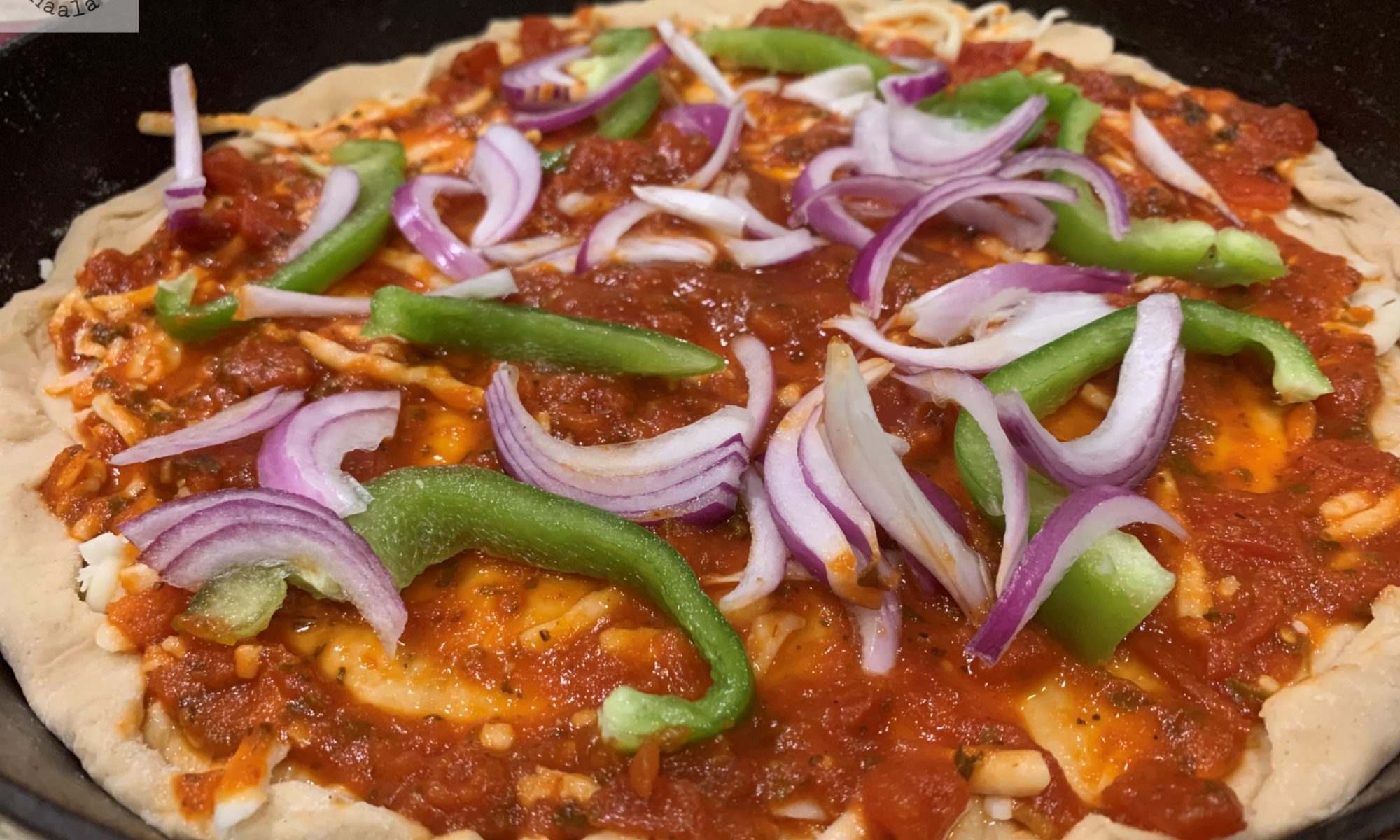
The secret to a perfect Pizza dough recipe? Easy to follow step by step photos that will give you the perfect Pizza dough. You will never have to look for another Pizza dough recipe ever. I have actually been waiting for so long to write down the recipe for this dough, since I know there are so many like me who would love to make pizza at home. One of the best things about making homemade Pizza is that you can always involve your kids and family and it can be so much fun.

The secret to making a perfect Pizza dough at home is the water temperature. You just have to make sure that your water temperature is perfect. I am not going to ask you to boil it, or microwave it , even the water that comes out of the fridge or tap, all work different ways. The temperature should be between 110-115 degrees Fahrenheit or between 43 to 46 degrees Celsius. The best thing would be to use a thermometer. If the water isn’t hot enough, it won’t wake up the yeast. If it’s too hot, it will kill the yeast. Only the correct temperature will bubble up the yeast perfectly. I have wasted loads of dough, thinking even if my yeast didn’t bubble up, my dough will work out fine, but it failed to rise resulting a wasted dough. Until I realized that the temperature has to be perfect. After a few trials you will be able to tell by touch. A candy thermometer should work just fine. Dump your water and restart if its not correct. You add around 2.5 tsp of yeast and little sugar. It doesn’t need stirring. Let it sit for around 5-7 minutes and it will be nice and frothy on top and this is when you know that the yeast will make the perfect dough.

When you are measuring you flour, make sure you scoop the flour in a measuring cup and level it. If you scoop it out right from the container, you might end up getting more flour than needed. If your dough isn’t coming together well, because may be accidentally added more flour than required, then add a tiny bit of warm water, just few teaspoons at a time until it comes together.

If you like the pizza dough recipe, leave me a 5 star and a comment. I would also love to know what your favorite toppings are. Enjoy!!!

Afghaan Noni

When I was new in USA, Middle Eastern food was one of the first cuisines I was comfortable eating outside, besides Pizza, of course…Lolzzz. The restaurant that we went to those days shut down for renovation after a few years and eventually the owner decided to sell off his restaurant, which is sad when one really enjoys the food at a restaurant.

The food the restaurant had typical Afghani food. Chicken, Meat or fish served with Rice. The Rice pilaf would be White Rice with cashews and Raisins, which I wasn’t really a big fan off and spent the first 5 minutes taking raisins and cashews off my rice. I am one of those weirdos who don’t like sweet flavors with my main dish, specially something as sweet as Raisin. But, something more than this great Afghani Rice Pilaf with Chicken, what I actually loved and enjoyed most was the Afghaan Noni.

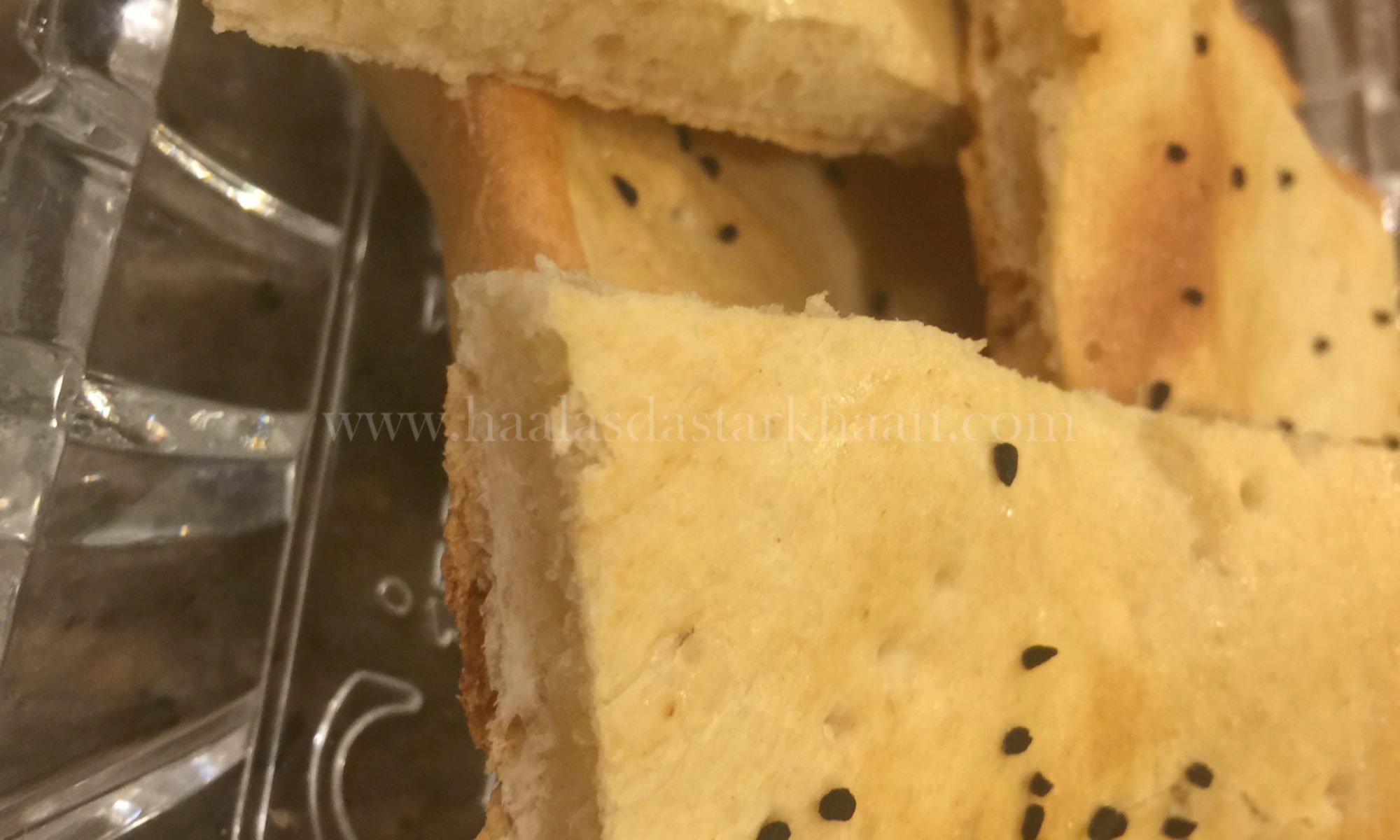
Afghaan Noni is an Afghaani Bread, made with Refined Flour or Whole wheat flour, which is then formed into a dough after mixing egg yolk and yeast. You will have to let the dough rise in a warm space until it doubles. The Afghaan Noni requires some egg white to be brushed on top for glaze and you also have to sprinkle some Nigella seeds on top, though its optional.

The dough needs to be left to rise for at least 1 hour, more if you are living in a colder region or baking during the winters. The dough can be kept in the freezer for up to 2 months and in the Refrigerator for 3 days.

I usually serve it with another Afghaani vegetarian dish “Bourani banigan”, which is eggplants cooked with tomato gravy and Garlic and served with sweet Yogurt. It makes an excellent appetizer or even a light lunch. These actually even taste great with a cup of tea. Bread so simple that this recipe is great for beginners as well.

Braided Cheese Spicy Rolls

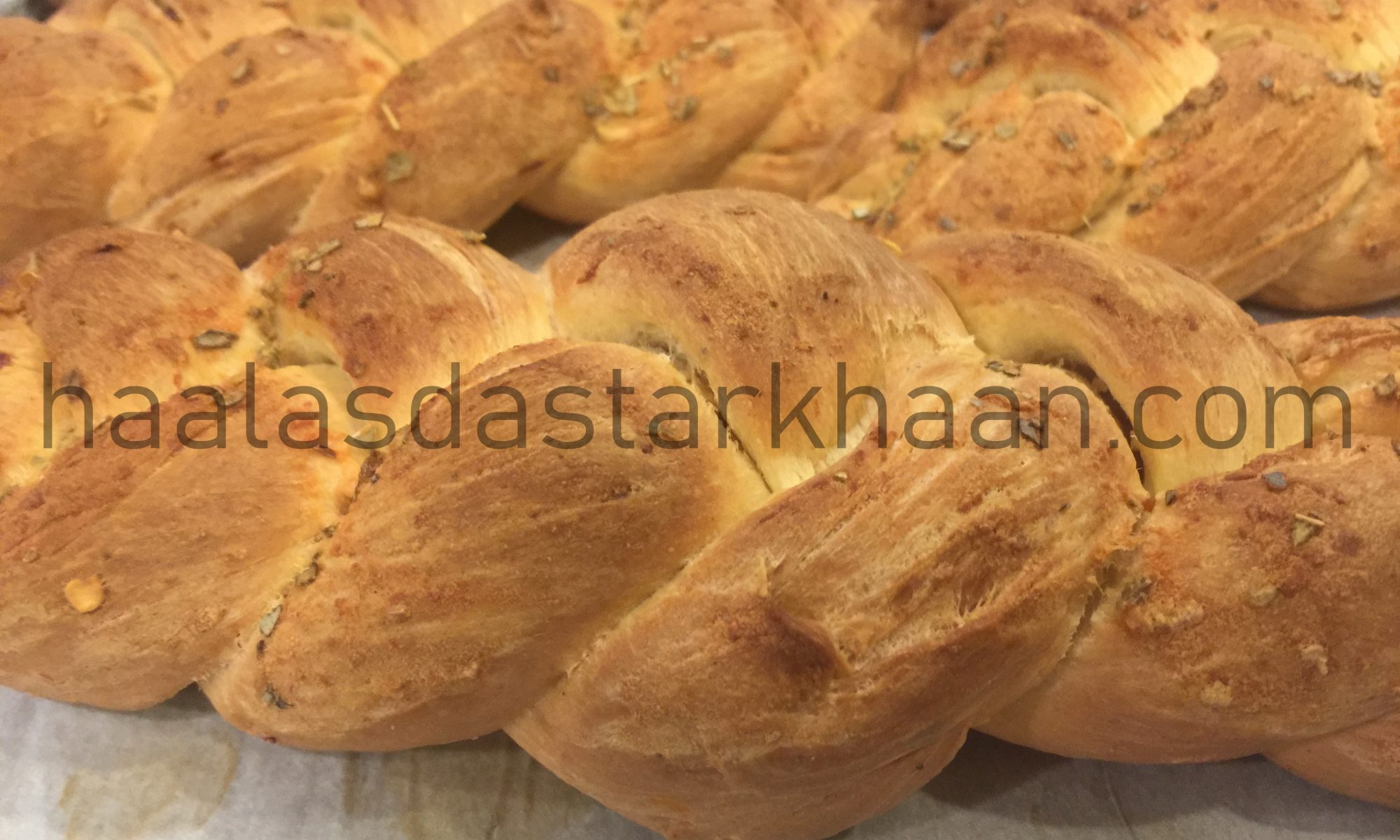
These delightful braided rolls are a great accompaniment to any meal, specially the brunch or lazy lunch days. The coarse chili flakes isn’t overpowering. I could have used this dough to even make burgers.

Its lovely to experiment with breads at home. The trick I learnt with time is that if your yeast doesn’t rise, redo it. A yeast that does not rise won’t make your dough airy and won’t make the dough rise. Generally, when people add the yeast directly to the flour, its advisable that you use instant yeast.

Besides the yeast, before you get pro at baking breads, always make sure you read the recipe and all the instructions properly before you start. Don’t believe anyone when they tell you how difficult it is to make a great bread or pizza crust or rolls, because trust me, it isn’t as difficult as it seems. Making good bread is an art, but it can be easily be learnt.