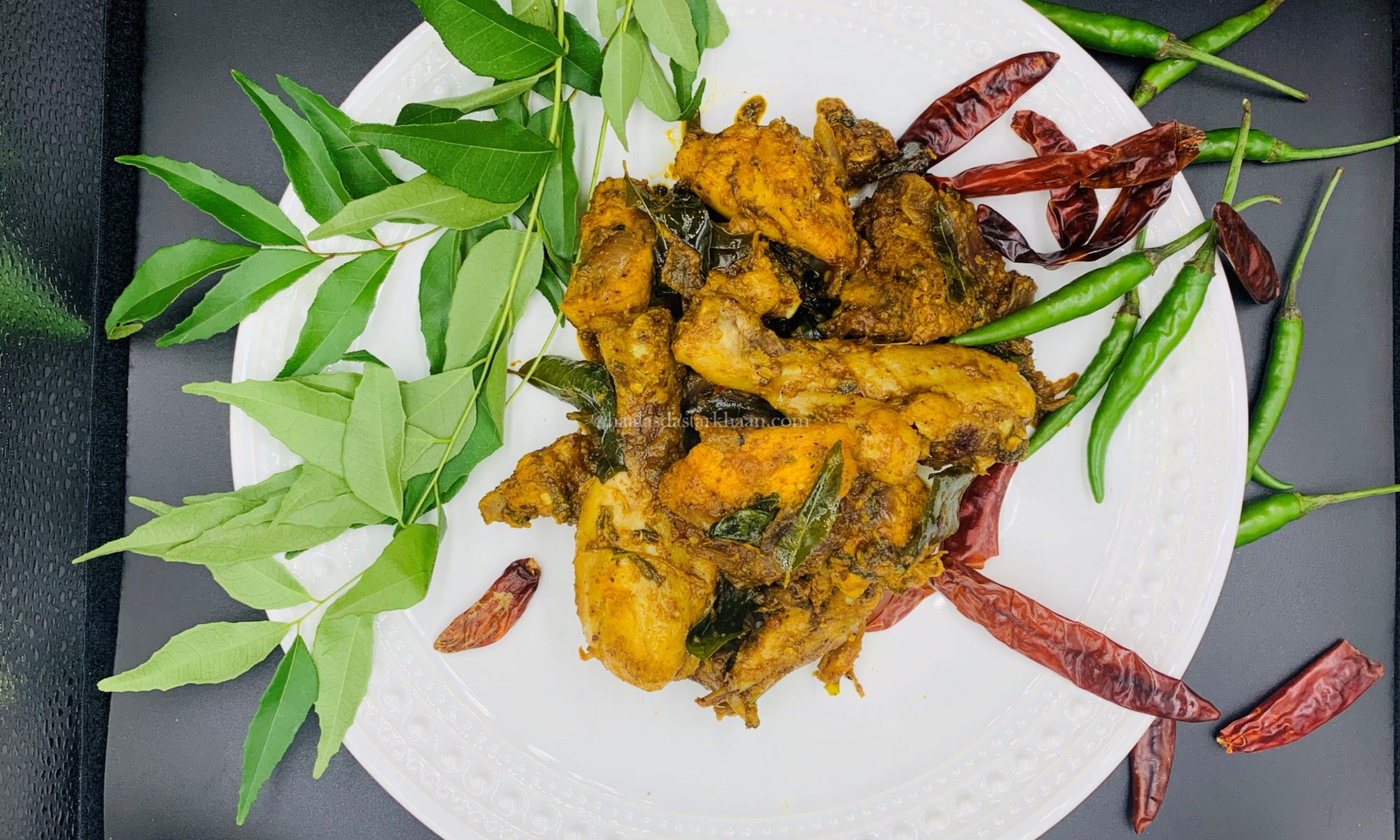
Kolhapuri Dry Chicken is a bold and fiery expression of Maharashtra’s celebrated Kolhapuri cuisine, known for its unapologetically robust flavors and vibrant spice blends. Originating from the historic city of Kolhapur, this dish reflects a culinary tradition that embraces heat, depth, and intensity with remarkable confidence.
What sets Kolhapuri preparations apart is the distinctive Kolhapuri masala—a carefully roasted blend of dried red chilies, coriander seeds, cumin, cashews, coconut, and whole spices. In this dry chicken version, the masala coats tender pieces of chicken, creating a richly spiced exterior that is both smoky and aromatic. Unlike gravy-based curries, Kolhapuri Dry Chicken is cooked down until the spices cling to the meat, resulting in a dish that is concentrated in flavor and beautifully textured.
Despite its reputation for heat, the spice profile is layered rather than overwhelming. The roasted coconut lends subtle sweetness, while the toasted spices add complexity and warmth. Traditionally served with bhakri, chapati, or steamed rice, this dish is equally fitting for festive gatherings or a hearty everyday meal.
Kolhapuri Dry Chicken is not merely about spice—it is about balance, technique, and the celebration of regional character in every bite.
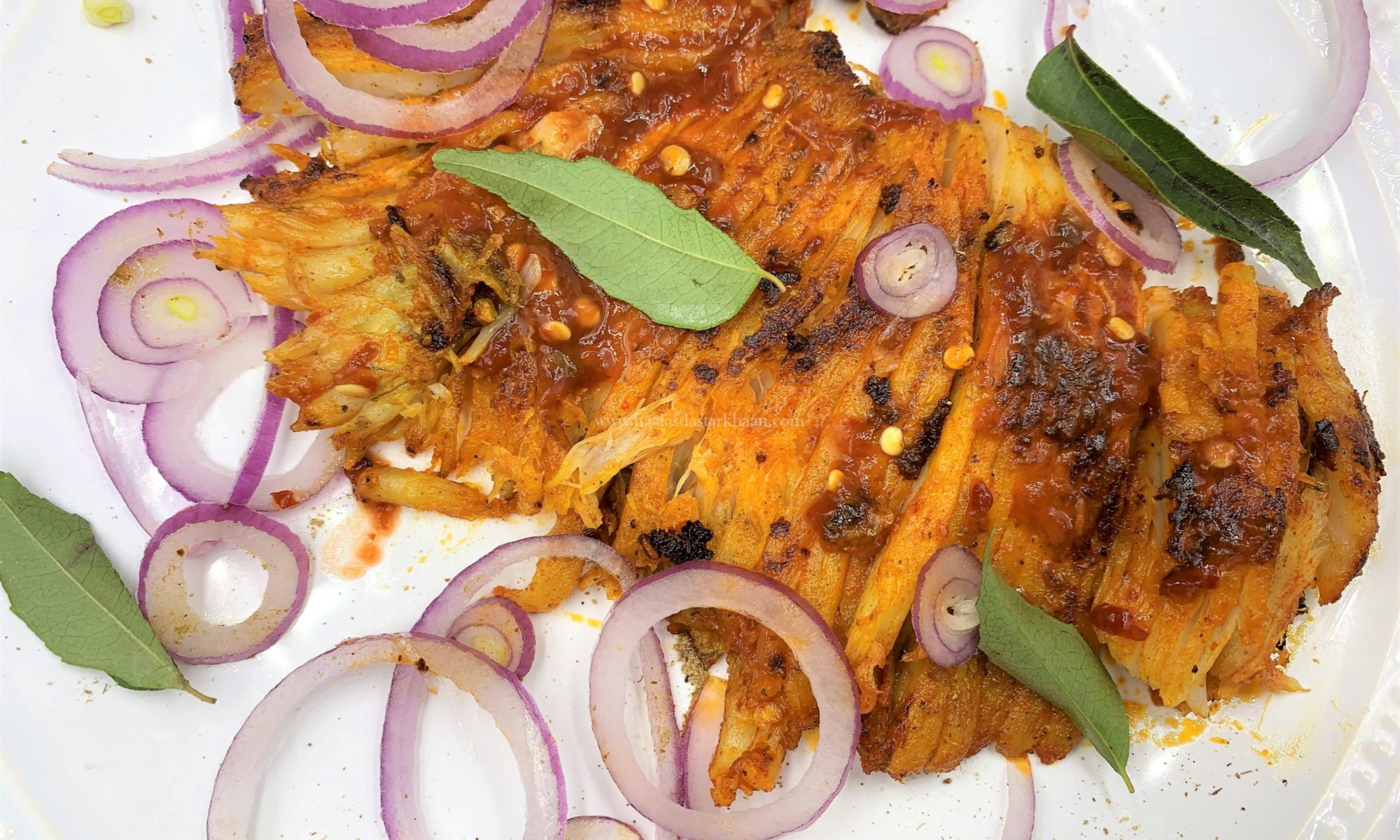
Skate fish is quite different from the fish we typically cook at home. My first experience with it was at a small Malaysian restaurant in New York City. The restaurant had a glass-window kitchen where you could watch the chefs prepare every dish, and from the very first bite, I was completely captivated.
Mr. Parveez, however, never developed the same fondness for skate fish that I did. While he enjoyed it, I was the one who kept thinking about it long after our meals were over. The restaurant was small and often packed with customers, which made dining there a bit challenging, especially during the years when we were managing strollers and young children. Eventually, our visits became less frequent and then stopped altogether. But my love for skate fish remained.
Before long, I decided that if I wanted to enjoy it whenever the craving struck, I would have to learn how to make it myself.
One of the things that makes skate fish unique is its soft, delicate texture. Unlike firmer varieties of fish, it requires a little extra care during cooking. Depending on the type of pan you use, it can stick quite easily, so gentle handling is important. Adding excess oil is not the solution either—it simply makes the fish greasy, and oily fish is rarely enjoyable.
The marinade for this recipe is simple, flavorful, and slightly spicy, complementing the natural taste of the fish beautifully. If you prefer a milder dish, you can easily reduce the amount of chili without sacrificing flavor.
This is a straightforward, beginner-friendly recipe that delivers wonderful results with very little effort. Whether you’re trying skate fish for the first time or already a fan, this dish is packed with flavor and is sure to impress anyone lucky enough to be served a plate.